
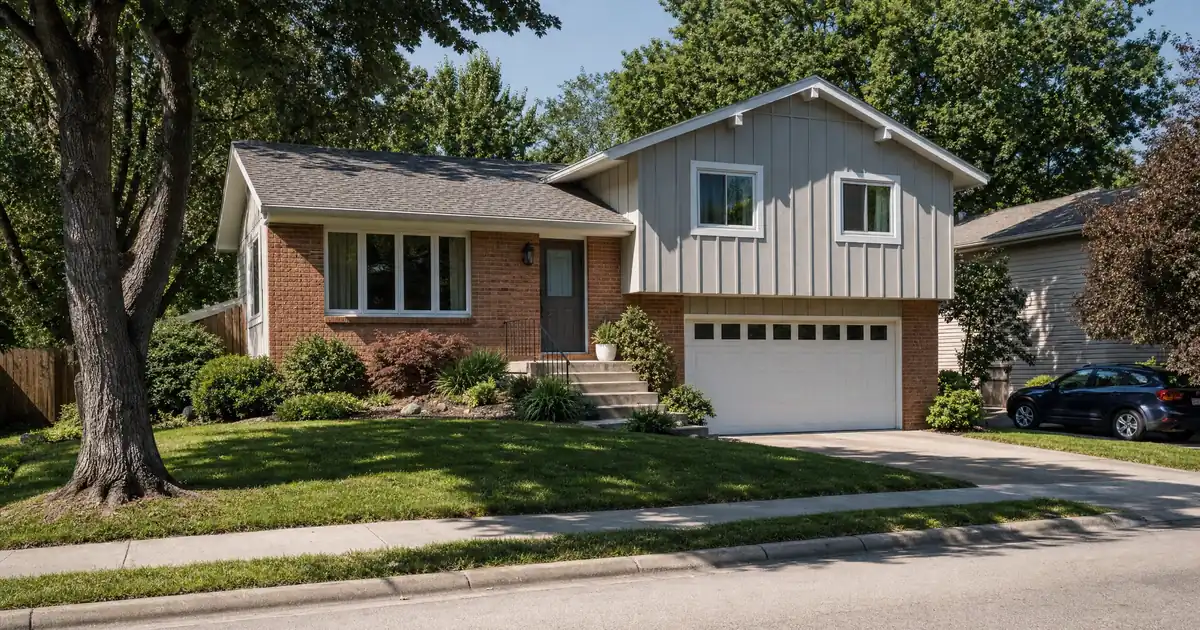
DSCR Loan Denied Because The Rental Property Has Negative Cash Flow — The Quick Read: A negative-cash-flow denial happens when the appraiser’s market rent, divided by the total housing payment, falls below the lender’s minimum coverage ratio. This is not a dead end. Select lenders in Lendmire’s wholesale network price and structure loans specifically for sub-1.00 files and no-ratio scenarios. A handful of concrete levers — down payment size, the rent figure itself, reserves, and loan structure — routinely move a file from declined to approved.
That’s the short answer. Below, you’ll see why the ratio came out negative in the first place. You’ll also see how underwriting processes that number step by step, and where the general “1.00 or bust” rule breaks down in practice.
DSCR Calculator
Run the numbers in your market
Rate source: Freddie Mac 30-yr average via FRED® — Federal Reserve Bank of St. Louis · effective Aug 27, 2026
Prefilled with local estimates — enter your own rent or nightly figures, taxes, insurance, and HOA for a more accurate picture.
Program parameters update from Lendmire’s centralized guideline source. Taxes and insurance are editable estimates.
As of Aug 27, 2026 · General Freddie Mac market benchmark, not a Lendmire loan offer. Rent, nightly rate, occupancy, taxes, and insurance are editable estimates. Short-term rental figures are estimates only and vary significantly by season, property type, management approach, and local short-term-rental rules — confirm local regulations before relying on them. Qualifying income for short-term rentals varies by program — some use appraisal market rent, others use documented STR history or projections — and is confirmed in underwriting. Not a Loan Estimate, approval, or commitment to lend. Program availability and eligibility are subject to lender guidelines, credit approval, property review, and underwriting.
Key Terms Defined
DSCR (debt service coverage ratio): the property’s monthly rental income divided by its total monthly housing payment. This single number tells a lender whether the rent covers the debt.
PITIA: principal, interest, taxes, insurance, and any HOA or association dues, added together into one payment figure. This is the bottom number in the DSCR formula.
Coverage floor: the minimum DSCR a specific loan program will accept. It varies by lender. It is never a single industry-wide rule.
No-ratio DSCR loan: a loan structure where the lender underwrites based on credit, equity, and reserves. The rent-to-payment test doesn’t factor in at all.
Negative carry: a deliberate choice some investors make. They hold a property where cash flow runs behind the payment, usually in exchange for equity growth, appreciation, or a repositioning play.
Seasoning: the amount of time you must own a property before certain refinance transactions become eligible. Cash-out refinances are the main example.
What “Negative Cash Flow” Actually Means on a DSCR File
A DSCR of 1.00 is a breakeven line. It’s not a safety cushion. At exactly 1.00, rent matches the payment dollar for dollar. Nothing is left over for you, and there’s no room to absorb a vacancy month or a repair bill. Trade coverage of the non-QM market backs this up: a ratio at 1.00 means the deal breaks even at best. Anything under it means the payment exceeds the rent the appraiser documented (Scotsman Guide).
Two numbers drive the ratio. Only one of them is yours to influence directly:
1. The rent figure. On one-unit investment properties, this comes from an appraiser-completed rent schedule. It does not come from your own pro forma or a Zillow estimate. That form — the same Form 1007 that Fannie Mae requires for conventional rental-income review — pulls the number from comparable rental properties in the area. The appraiser adjusts it for differences between those comps and your property (Fannie Mae Selling Guide).
2. The payment figure. PITIA is built from principal and interest on the requested loan amount, plus property taxes, insurance, and any HOA dues. Every one of those line items can move on its own. An insurance renewal or a tax reassessment can flip a passing file negative even if the rent figure never changes.
How Underwriting Actually Treats a Negative Ratio, Step by Step
The process runs the same way across most of the network before a file gets a decision:
1. Order the appraisal with the rent schedule. The lender requests the right form alongside the standard appraisal — Form 1007 for a one-unit property, or the equivalent income schedule for two- to four-unit properties.
2. Build PITIA off the requested loan amount and leverage. This is where down payment size starts to matter. A smaller loan balance means a smaller principal-and-interest payment.
3. Divide rent by PITIA. The result is the file’s DSCR. It’s calculated on gross rent against the full payment, not net operating income the way commercial underwriting sometimes runs it.
4. Compare the ratio to the specific program’s floor. This step splits files into three lanes: standard approval, a specialized low-ratio or no-ratio track, or decline.
5. Route the file accordingly. A ratio comfortably above the program floor moves through standard underwriting. A ratio at or below it either triggers a request for compensating factors — larger down payment, stronger credit, deeper reserves — or gets shifted to a sub-1.00 or no-ratio structure, where one exists in the lender’s shelf.
Most programs across the network want to see at least a 1.00 coverage ratio as a starting point. That figure is a floor for specific programs, not an industry-wide standard. Stronger ratios consistently unlock better leverage and pricing tiers.
The Lender’s DSCR Isn’t Your Real Cash Flow
Clearing 1.00 on a DSCR file is not the same thing as the property making you money. The ratio only tests rent against PITIA. It says nothing about vacancy, property management fees, routine maintenance, utilities you cover, or capital expenses down the road.
You can close a loan at a 1.15 or 1.20 coverage ratio and still watch the property bleed cash every month once real operating costs stack on top. That gap is worth sitting with before you treat “DSCR approved” as “deal is profitable.” A property that clears the lender’s test with room to spare is a much safer bet than one that just scrapes across the floor. The cushion matters more than the pass-or-fail result itself. If you’re weighing this exact distinction — a file that looks good on paper against one that actually produces spendable income — you may want to review what your options look like when a DSCR loan is denied for insufficient cash flow. It walks through the same gap from the reapplication side.
What Pushes a File Negative
| Cause | What’s Happening | Verification Step |
|---|---|---|
| Understated appraised rent | Comps used for the rent schedule sit below market or the subject’s true rentability | Request a second opinion or additional rent comps from the appraiser |
| Tax reassessment | Local assessed value rose after purchase, pushing the tax line up | Pull current assessed value before locking PITIA estimates |
| Insurance premium increase | Renewal or new-policy premium is higher than the file assumed | Get a current, bindable insurance quote before submission |
| HOA dues added or increased | Association fee wasn’t captured, or rose since the last statement | Confirm current dues directly with the HOA, in writing |
| STR income haircut | Underwriter applies a vacancy discount to nightly-rate income | Provide trailing twelve-month booking history to support the projection |
| Leverage requested too high | A higher loan amount at the same rent produces a bigger payment | Model the ratio at a lower requested LTV before submitting |
The Structures That Exist for Sub-1.00 Files
A ratio under 1.00 does not close the file automatically. Sub-1.00 coverage is available through select lenders in the network. Leverage and terms adjust to make up for the missing coverage — typically a lower maximum LTV, stronger credit requirements, or a larger reserve cushion. Separately, no-ratio structures also exist, but only through select lenders, and generally for borrowers who already own a primary residence. These programs replace the rent-to-payment test entirely. Credit, equity, and reserves become the underwriting basis instead.
| Factor | Standard DSCR (1.00+) | Sub-1.00 / No-Ratio Structures |
|---|---|---|
| Review basis | Rent covers PITIA at 1.00 or better | Credit, equity, and reserves substitute for coverage |
| Typical leverage | Up to 75%-80% purchase, 75% cash-out | Generally reduced leverage to offset the ratio gap |
| Credit expectation | Often 660+, with 700+ opening top tiers | Generally stronger credit and deeper reserves required |
| Best fit | Rent comfortably covers the payment | Appreciation plays, repositioning, lease-up, or renovation holds |
If your file lands in the 0.90–0.99 range on a fresh appraisal, check the rent comps first. A second rent opinion recovers more deals than any other single step. Files that come in well below that range are more natural candidates for the sub-1.00 or no-ratio lane — where one exists in the lender’s shelf — rather than trying to force a standard approval through compensating factors alone.
Short-Term Rentals Get a Different Test Entirely
Nightly-rate income doesn’t get treated like a signed twelve-month lease. STR purchases commonly need at least a 640 credit score, roughly twelve months of hosting history, leverage up to 75% LTV, and a 1.00 coverage floor on most programs. STR refinances carry their own separate 1.00 coverage floor, with leverage closer to a 70% ceiling. Cash-out on a short-term rental typically caps around that same 70% mark too.
The coverage test itself often runs differently as well. Underwriters commonly apply a vacancy haircut to projected STR income and look at seasonal booking patterns to confirm the property can carry its payment in the slow months, not just at peak season. That’s a meaningfully different exercise than pulling a market-rent number for a long-term lease. If you’re comparing the two income models directly, you may want to look at how short-term and long-term rental cash flow get evaluated differently by lenders.
Where the General Rule Breaks: Edge Cases Worth Naming
Deliberate negative carry. Some investors accept a sub-1.00 file on purpose. They use cash reserves or a larger down payment to close a deal they expect to appreciate or reposition, rather than treating coverage as the only metric that matters. Trade coverage of the broader non-QM market notes sponsors increasingly using this approach as rental yields compress and fewer properties clear traditional coverage thresholds (Scotsman Guide).
Corporate or master-lease properties. A property leased to a single corporate tenant, or held under a master lease structure, gets evaluated differently than a standard unit-by-unit rental. It can trip up a coverage calculation in ways that look like a straightforward denial but aren’t. That’s its own distinct failure mode, covered separately in what happens when a DSCR loan is denied over a corporate or master lease.
Loan size above $2,500,000. Above that threshold, the network generally holds to 30-year fixed structures rather than the extended-term or interest-only options available on smaller balances. That changes the PITIA math and, by extension, the coverage ratio at any given rent.
DSCR vs. conventional financing
Two common ways to finance an investment property in this market. They qualify you differently — here’s how investors weigh them.
Why investors choose it
- Qualifies on the property’s rental income — no personal tax returns, W-2s, or pay stubs needed to document income.
- No personal debt-to-income ceiling to clear, so existing mortgages and obligations don’t cap your borrowing the same way.
- Can be closed in an LLC, keeping the property inside a business entity.
- Built for scaling — not held to the limit on number of financed properties that conventional financing applies.
- Underwriting centers on the deal: generally qualifies when the rent covers the payment, a 1.00x coverage ratio being a common baseline (confirmed in underwriting).
- Designed specifically for investment property, including long-term and, where the program allows, short-term rentals.
Where it’s strong
- Often the lowest ongoing financing cost for a buyer who fully qualifies on personal income — a fit for a first property or a cost-first purchase.
Trade-offs for investors
- Requires full personal income documentation and must fit within a debt-to-income limit — salary, existing debts, and other mortgages all count.
- Typically held in your personal name rather than a business entity.
- Caps how many financed properties you can carry, which can become a ceiling as a portfolio grows.
- Evaluates you as a borrower as much as the property, which usually means more paperwork.
How investors usually choose: a first or single property often optimizes for the lowest financing cost; portfolio builders often optimize for leverage, vesting in an LLC, and scaling past conventional caps. The right answer depends on your goals, the property, and current guidelines — both paths run through select lenders in Lendmire’s wholesale network, with eligibility and terms confirmed in underwriting.
State overlays. Purchases in a handful of overlay states commonly cap closer to 75% LTV rather than the 80% ceiling available elsewhere. Overlay-state deals generally cap loan size around $2,000,000 too. Both of these push more leverage-dependent files into the negative-coverage conversation than they’d face elsewhere.
Ineligible property types. Manufactured homes (single- and double-wide), log homes, and barndominiums aren’t offered on DSCR programs across the network, regardless of the coverage ratio. No down-payment or reserve adjustment fixes an eligibility gap that isn’t about cash flow at all.
DSCR loans are business-purpose products for non-owner-occupied investment properties. That’s why they get reviewed on a different track than a standard owner-occupied mortgage. The entire underwriting conversation runs through the property’s income, not your paycheck.
What the Investor Decision Looks Like in Practice
Say a modeled file lands at roughly 0.92 coverage on 25% down at standard purchase leverage. Moving to 30% down shrinks the loan balance enough to trim the principal-and-interest portion of PITIA. That commonly nudges a ratio in this range up several hundredths of a point — sometimes enough to clear 1.00, sometimes not, depending on the tax and insurance load layered on top. That’s the first lever most investors reach for, and it’s the one fully within your control.
The second lever is the rent figure itself. If the appraiser’s comps look conservative against what similar units are actually leasing for nearby, a second rent opinion or additional comparable data is a legitimate step, not a workaround. Form 1007 rent schedules are a professional opinion of market rent at a point in time, built from comparable rental properties with adjustments for differences between those comps and your property. Opinions can be revisited (Blueprint).
A third path is reserves. Files across the network commonly carry roughly six months of PITIA in reserves, stepping up to around nine months on loans above $1,500,000. On some conservative rate-and-term refinances at modest leverage under that threshold, reserves can be waived entirely. Deeper reserves are one of the compensating factors that can support a file sitting just under a standard program’s coverage floor.
It’s worth pausing on how differently the conventional mortgage world handles this same rent-verification question, since people often confuse the two systems. On an owner-occupied conventional loan using rental income, Fannie Mae’s underwriting system applies a standing haircut. It multiplies gross rental income by 75%, then subtracts the mortgage payment and carrying costs — baked in for vacancy and maintenance before the number ever gets used (Fannie Mae DU Job Aids). DSCR programs aren’t bound to that specific formula. That’s one reason the same rent figure can produce a different ratio depending on which underwriting rulebook it runs through.
Investor purchase activity isn’t slowing down enough to make this issue rare. Cotality projects investor purchase share staying above 25% through 2026 and 2027 as affordability constraints persist and price appreciation softens. This has shifted the broader framing of rental real estate from an appreciation play toward one built on rental cash flow itself (Scotsman Guide). That backdrop is exactly why getting the coverage calculation right at acquisition — not just at closing — matters more now than it used to.
If you’re weighing whether to pull cash out of a property you already own instead of buying new, the same coverage math applies on the refinance side. It’s generally capped at 75% LTV, with roughly six months of seasoning expected before cash-out becomes eligible — a related read on refinancing a rental without showing personal income covers that angle directly. For a full walkthrough of how the product works end to end, Lendmire’s complete DSCR loans guide is the fuller reference.
Every DSCR file qualifies primarily on property-level rental income covering the payment, subject to lender guidelines. Credit, reserves, and leverage all factor in, but rent-versus-PITIA is the backbone of the decision. Tax treatment of financing structures and rental income can depend on how you hold the property and how you use the funds, so keep clean records and talk to a qualified tax professional before relying on any deduction assumption.
If you’re weighing a purchase or refinance where the coverage math is close, Lendmire can help compare DSCR loan options based on the property’s actual income, your credit profile, available leverage, and your goals for the hold. Reach the team at 828-256-2183 or request a quote directly.
Frequently Asked Questions
Does a DSCR below 1.00 mean automatic denial?
No. Sub-1.00 coverage is available through select lenders in the network, with leverage and terms adjusted to compensate for the lower ratio. It shifts the file into a different underwriting lane rather than closing the door outright.
How is DSCR calculated differently than conventional rental-income guidelines?
Conventional underwriting applies a standing 75% haircut to gross rent before comparing it to the payment, baked into agency job-aid formulas. DSCR programs generally test gross rent directly against PITIA, without that automatic discount, though treatment still varies by lender and by whether the lease is long-term or short-term.
Can a bigger down payment fix a negative-cash-flow DSCR file?
Often, yes, at least partially. A larger down payment shrinks the loan balance and the principal-and-interest portion of PITIA, which can move the ratio meaningfully. It doesn’t override a lender’s credit floor, reserve requirements, or eligibility rules on the property type itself, though.
Do short-term rentals get evaluated differently than long-term leases on a DSCR file?
Yes. STR purchases and STR refinances each carry their own separate 1.00 coverage expectations, distinct vacancy haircuts applied to nightly-rate projections, and their own leverage ceilings — generally 75% on purchase and closer to 70% on refinance or cash-out. They’re not treated the same as a signed twelve-month lease.
What happens if the appraiser’s rent figure comes in lower than I expected?
The rent schedule is a professional opinion built from comparable properties, not a guarantee. It can be challenged with additional comparable rent data or a second opinion if the comps genuinely look conservative. That’s frequently the single fastest way to move a borderline file from negative to passing.
About Lendmire
Lendmire — NMLS# 2371349 — is a mortgage brokerage specializing in DSCR investor loans. It helps arrange financing across 40 markets, including Washington, D.C., through wholesale and investor-lending channels. The model centers on property-level rental income reviewed by the lender rather than W-2 documentation, subject to lender guidelines, which suits entity-owned and multi-property investors. Lendmire holds Scotsman Guide Top Mortgage Workplace recognition for 2025 and 2026.
Lendmire’s Top Mortgage Workplace recognition is documented by Scotsman Guide 2025 Top Mortgage Workplace and Scotsman Guide 2026 Top Mortgage Workplace.
Get Started
Ready to find the right loan for you?
In about 30 seconds you can review financing options available for your home or investment property. No commitment required.
Informational only. Not a Loan Estimate, approval, or commitment to lend. Program availability and eligibility are subject to lender guidelines, credit approval, property review, and underwriting.
References
1. Scotsman Guide — Which groups are driving non-QM lending?
2. Fannie Mae Selling Guide B3-3.1-08, Rental Income
3. Scotsman Guide — Alternative lending offers new pools for lenders to wade in
4. Blueprint — What Is Form 1007?
5. Fannie Mae DU Job Aids: Entering Income from Rental Property
6. Scotsman Guide — Investors anchor housing market as non-QM loans surge
Brandon Miller
Founder & CEO, Mortgage Loan Originator, Lendmire LLC
- Mortgage Loan Originator · NMLS# 1129696 · Verify on NMLS Consumer Access
- North Carolina Real Estate Broker · License# 343312 · Verify on NCREC
- North Carolina Insurance Producer · License# 19053198 · Property, Casualty, Life, Health · Verify on NAIC SBS
- Lendmire LLC · Firm NMLS# 2371349 · Verify firm licensure
Disclosures. The information presented in this article is general market commentary, not financial, legal, or tax advice. Lendmire is a mortgage brokerage (NMLS# 2371349) — not a direct lender or depository institution — and loan placement is subject to lender underwriting. Nothing in this content represents a commitment to lend. Loan terms, pricing, and program availability vary based on borrower qualifications, property characteristics, and state of subject property, and are subject to change at any time. Lendmire complies with Equal Housing Opportunity requirements. Consumer access: nmlsconsumeraccess.org.


