
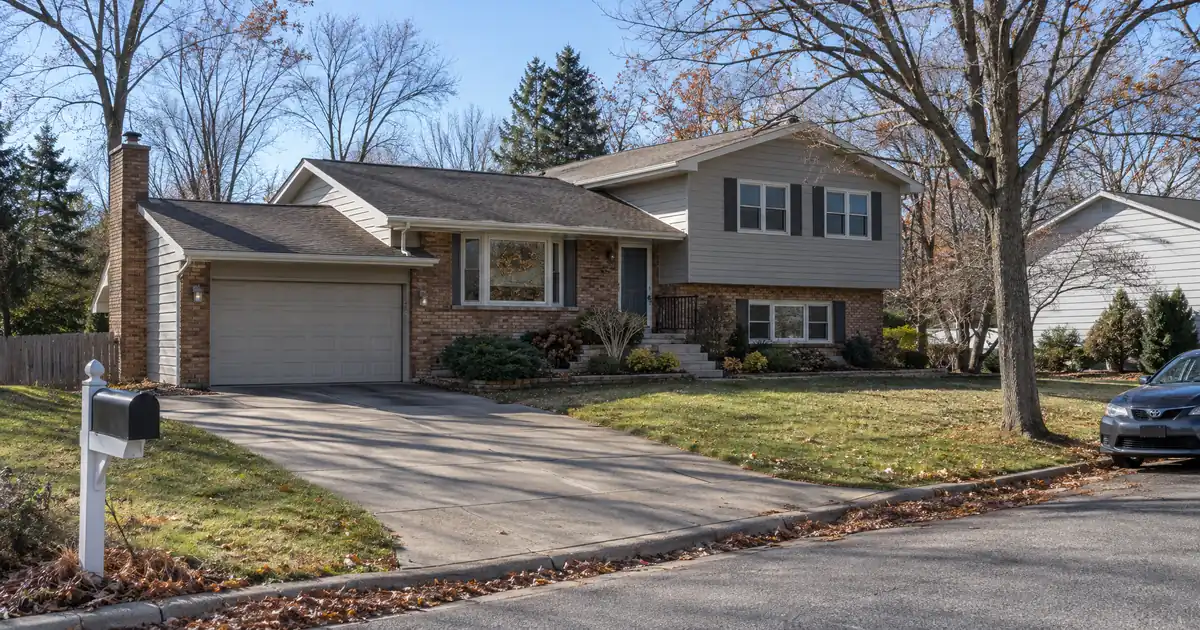
The Quick Read: You check by comparing a handful of physical and legal facts about the property, such as how it is used, how it is built, how many units it has, and whether it produces rent, against a lender’s written property-type list before you make an offer. Eligibility is set program by program, so the same property can pass at one lender and fail at another. A strong rent figure or a bigger down payment cannot fix a property type a program does not offer.
- Confirm the property will be a non-owner-occupied rental, because a primary or second home is out regardless of type.
- Sort the property into three buckets: not offered, conditional, or eligible.
- Manufactured homes, log homes, and barndominiums are not offered through the network’s DSCR programs.
- Condotels, non-warrantable condos, co-ops, mixed-use, rural, and 5+ unit properties usually route to special programs with different terms.
- Get the lender’s answer in writing before you spend money on an appraisal.
Key Terms Defined
Plain definitions first, so the rest reads cleanly.
- DSCR (debt service coverage ratio): the property’s monthly rent divided by its monthly housing payment. A result of 1.00 means rent equals the payment.
- PITIA: principal, interest, taxes, insurance, and any association dues. It is the payment side of the DSCR math.
- LTV (loan-to-value): the loan amount as a percentage of the property’s value.
- Warrantable condo: a condo project that meets standard financing rules on things like owner-occupancy mix, litigation, and association finances. A non-warrantable condo fails one or more of those tests.
- Condotel: a condo building run partly like a hotel, often with a front desk and a rental pool.
- Overlay: a lender’s own extra restriction, layered on top of a general rule.
- Rent-ready: a property in condition to be leased today, with no major repairs outstanding.
DSCR Calculator
Run the numbers in your market
Rate source: Freddie Mac 30-yr average via FRED® — Federal Reserve Bank of St. Louis · effective Oct 15, 2026
Prefilled with starting assumptions — enter your own rent or nightly figures, taxes, insurance, and HOA for a more accurate picture.
Program parameters update from Lendmire’s centralized guideline source. Taxes and insurance are editable estimates.
As of Oct 15, 2026 · General Freddie Mac market benchmark, not a Lendmire loan offer. Rent, nightly rate, occupancy, taxes, and insurance are editable estimates. Short-term rental figures are estimates only and vary significantly by season, property type, management approach, and local short-term-rental rules — confirm local regulations before relying on them. Qualifying income for short-term rentals varies by program — some use appraisal market rent, others use documented STR history or projections — and is confirmed in underwriting. Not a Loan Estimate, approval, or commitment to lend. Program availability and eligibility are subject to lender guidelines, credit approval, property review, and underwriting.
What Makes a Property Type Ineligible?
A property type is ineligible when a program cannot measure its rent, cannot easily resell it, or cannot classify it as a residential rental. DSCR loans are built around one question: does the rent cover the payment? When the property type muddies that question, the program says no.
Across the wholesale network, the pattern is consistent. The core eligible set is single-family homes, 2–4 unit buildings, condos, townhomes, and planned unit developments. Those types have established rental markets and comparable rents, so an appraiser can support the rent figure.
The types that fail usually fall into a few causes:
- Purpose: owner-occupied homes, including primary and second homes.
- No rent to measure: raw land, fix-and-flip projects, and severely deteriorated structures.
- Income that is not rent: working agricultural land, where crop or livestock revenue is the income.
- Construction type: manufactured homes (single- and double-wide), log homes, and barndominiums.
- Use: properties rented by the room, and assisted living or similar group housing.
Grouping exclusions by cause helps because it tells you which fact to check. A barn with a house on it fails on use. A gutted rowhouse fails on condition.
The Three Outcomes: Not Offered, Conditional, Eligible
Every property lands in one of three buckets. Learning to sort quickly is most of the skill.
Not offered. These types fall outside the network’s DSCR programs entirely. Manufactured homes, log homes, and barndominiums are the clearest examples. No leverage change or credit score moves them into scope.
Conditional. These types route to a special track with their own terms. They include short-term rentals, non-warrantable condos, condotels, co-ops, majority-residential mixed-use, rural-designated properties, and 5+ unit buildings. Conditional does not mean denied. It means a narrower set of lenders, with leverage and documentation adjusted.
Eligible. These are the core types, still subject to the usual credit, leverage, reserve, and appraisal checks.
One more distinction matters. A hard exclusion is a physical or legal fact that nearly every program will weigh the same way, such as raw land. An overlay is one lender’s extra rule, such as a stricter condo test. Hard exclusions end the search. Overlays only end that lender’s search, so you move to another program in the network.
How to Check Whether a Property Type Is Ineligible, Step by Step
Run these in order. Each step is a fact you can gather before you hire anyone.
1. Confirm purpose and occupancy. DSCR loans are designed for non-owner-occupied investment properties. Because they are business-purpose investor loans, they are reviewed differently from a standard owner-occupied mortgage. If you or a family member will live there, even part-time, stop here. This is a purpose test, not a property-type test.
2. Confirm construction type. Look at the listing, the tax record, and the appraisal history. A home described as a cabin, a barndominium, or a manufactured unit on a foundation is the type of label that ends the file. Do not trust the headline description alone.
3. Confirm unit count and use. Count every separately rentable unit, including a basement apartment or an accessory dwelling unit. A listing that says single-family can hide a second unit, and a fourplex plus an extra unit is a different loan.
4. Confirm the property can produce rent today. A property under construction, gutted for rehab, or sitting as raw land has no rent to underwrite. The condition must support a lease now.
5. Check condo or association status. For a condo, ask whether the project is warrantable, whether there is a rental pool or hotel-style desk, and whether the building is a co-op. Eligibility can vary building by building, even on the same street.
6. Check acreage and rural designation. Large lots, working land, and rural-designated properties are reviewed case by case. They are neither auto-approved nor auto-declined.
7. Check legal use. The property needs to be zoned and permitted as it is actually used. The appraisal is where this surfaces, but you can ask the seller and read the municipal record first.
8. Get the lender’s answer in writing. Send the facts above to a loan officer who can check the program matrix, and ask for a scenario review before you write an offer. This is the one step you cannot do yourself, because only a lender can confirm how its program treats a gray-area property.
On step 4, the appraisal does much of the work later. A DSCR file typically carries an appraisal plus a rent schedule. For single-family, that is the comparable rent schedule known as Form 1007. For two- to four-unit properties, the appraisal form is the Small Residential Income Property Appraisal Report, Form 1025, per the Fannie Mae Selling Guide. Those names are form references only. They do not set DSCR program rules.
Master Eligibility Table
Use this as a first sort, not a final answer. Program details vary, and every file is underwritten individually.
| Property type | Typical status | Why | How to verify |
|---|---|---|---|
| Single-family, 2–4 units, townhome, PUD | Eligible core | Rent is measurable | Appraisal and rent schedule |
| Warrantable condo | Eligible | Meets project tests | Project questionnaire |
| Short-term rental | Conditional | Own leverage, credit, history rules | Program matrix |
| Non-warrantable condo, condotel, co-op | Special tracks | Building-specific risk | Lender project review |
| Mixed-use | Conditional | Commercial income is hard to measure | Scenario review |
| 5+ units | Different programs | Closer to small-balance commercial | Unit count |
| Rural-designated | Case by case | Reviewed individually | Scenario review |
| Manufactured, log, barndominium | Not offered | Outside the programs | Construction type |
| Raw land, working farm, flip | Not offered | No rent to underwrite | Condition and use |
Gray Areas and Classification Traps
Most surprises come from labels, not from the buildings themselves.
A house plus outbuildings. A home with stables or barns is generally not eligible, even when the house alone would qualify. The program is not set up to value the mixed asset.
Rent by the room. Renting each room separately, or running assisted living or single-room occupancy, is generally prohibited. Those tenancies are read as riskier. Investors sometimes assume per-room rent maximizes coverage, but it often removes the property from eligibility altogether.
Accessory units. Some programs permit a single-family home with an accessory dwelling unit if the municipality allows it and the appraiser confirms compliance with similar comparables. Others treat it as an extra unit that changes the property class.
Mixed-use. Where allowed, it is limited to majority-residential buildings. Retail or office income is a stream standard DSCR underwriting is not set up to evaluate.
Short-term rentals. They qualify through specific programs, typically with a score around 640 or higher and about 12 months of hosting history.
Size is its own gate. Property type is one test, and loan size is another. Standard programs run up to $3,000,000, and a purchase can cross a conforming limit that changes the program. Lendmire’s piece How to Check Whether a Purchase Will Be Jumbo in Your County covers that second check.
DSCR vs. conventional financing
There are two common ways to finance an investment property, and they qualify you differently — here’s how investors weigh them.
Why investors choose it
- Qualifies on the property’s rental income — no personal tax returns, W-2s, or pay stubs needed to document income.
- No personal debt-to-income ceiling to clear, so existing mortgages and obligations don’t cap your borrowing the same way.
- Can be closed in an LLC, keeping the property inside a business entity.
- Built for scaling — not held to the limit on number of financed properties that conventional financing applies.
- Underwriting centers on the deal: generally qualifies when the rent covers the payment, a 1.00x coverage ratio being a common baseline (confirmed in underwriting).
- Designed specifically for investment property, including long-term and, where the program allows, short-term rentals.
Where it’s strong
- Often the lowest ongoing financing cost for a buyer who fully qualifies on personal income — a fit for a first property or a cost-first purchase.
Trade-offs for investors
- Requires full personal income documentation and must fit within a debt-to-income limit — salary, existing debts, and other mortgages all count.
- Typically held in your personal name rather than a business entity.
- Caps how many financed properties you can carry, which can become a ceiling as a portfolio grows.
- Evaluates you as a borrower as much as the property, which usually means more paperwork.
How investors usually choose: a first or single property often optimizes for the lowest financing cost; portfolio builders often optimize for leverage, vesting in an LLC, and scaling past conventional caps. The right answer depends on your goals, the property, and current guidelines — both paths run through select lenders in Lendmire’s wholesale network, with eligibility and terms confirmed in underwriting.
Why Strong Financials Cannot Fix the Property Type
A big down payment and a high coverage ratio both help, but they answer different questions than eligibility does. A larger down payment lowers the monthly payment and can lift the ratio. It never erases leverage caps, credit floors, reserve rules, or property eligibility.
Here is how the tests stack. On a purchase, most files across the network land at 75%–80% LTV on an investment property, with select high-leverage programs reaching 85% LTV at roughly a 700+ score. Cash-out refinances on standard rentals top out around 75% LTV. Credit floors start near 620 in parts of the network, with most programs wanting about 660. Reserves commonly run around 6 months of PITIA. Coverage of 1.00 is where select programs start, and stronger ratios can open better terms.
Property type sits upstream of every one of those numbers. A manufactured home with 1.50 coverage is still a manufactured home. That is why the strongest files clear both tests: enough equity and rental coverage, on a property type the program offers.
Because DSCR loans are non-QM, meaning outside the standard qualified mortgage category, each program writes its own eligibility rules. That is why no single industry list exists, and why one lender’s published list should never be read as universal.
One caution on the ratio itself: clearing 1.00 is not the same as positive cash flow. Repairs, vacancy, management, utilities, and capital expenses all sit outside the calculation.
Three Worked Examples
These are hypothetical, and outcomes depend on lender review.
A duplex with a finished basement unit. The listing says duplex, but the basement has its own kitchen and entrance. That may make it a triplex, which is still in the 2–4 unit range. If the municipality does not permit the third unit, the appraiser may flag legal use, and the file stalls. The check: confirm the unit count and permits before you offer.
A condo in a building with a rental desk. The unit looks standard, but the building runs a front desk and a short-term rental pool. That points to a condotel. It would route to a specialty track with its own leverage and documentation rules, so ask for a project-level review first.
A house on a large lot with stables. The home has strong rent comps, but the stables sit on the same parcel. The mixed asset is the problem, not the house. A program built for rent-producing residential property generally will not take it, so a different loan type or a different property is the realistic path.
What to Ask a Lender, and When
Ask before you make an offer, and certainly before you pay for an appraisal. Learning the answer after an appraiser is already involved costs you money and contract time.
Send the loan officer these facts:
- Property type as the county records describe it, and as the listing describes it.
- Unit count, including any accessory unit.
- Condo project name, if applicable, and whether it has a rental pool or desk.
- Lot size and any outbuildings.
- Current condition and whether it can be leased today.
- Whether you plan a long-term or short-term rental.
Then ask three questions. Is this type in the program matrix? Is any limit a hard rule or one lender’s overlay? If it is an overlay, which other program in the network takes it?
If the Property Is Ineligible: Your Options
A no on property type does not mean no financing exists. It means DSCR is the wrong tool for that asset.
| Situation | Usual direction |
|---|---|
| Rehab or flip | Short-term bridge or hard money, then a DSCR refinance once leased |
| 5+ unit building | Small-balance commercial financing |
| Non-warrantable condo or condotel | A specialty condo track |
| Home with working land | Agricultural or other specialty financing |
| Manufactured, log, or barndominium | A different loan type or a different property |
The rehab path is the most common. You finance and renovate with short-term money, lease the property, and then refinance into a DSCR loan on a stabilized rental. Tax treatment varies; consult a qualified professional.
You also have the simplest option: choose a different property. When you buy with the exit in mind, standard types give you more options at refinance than unusual ones.
Frequently Asked Questions
Can a bigger down payment or higher rent override an ineligible property type?
No. Down payment and rent affect leverage and coverage, which are separate tests from property type. If a program does not offer the type, no financial adjustment changes that. The fix is a different program, a different loan type, or a different property.
Does holding the property in an LLC change eligibility?
Not for property type. Vesting in an LLC is generally available subject to lender program eligibility, but it does not turn an ineligible property into an eligible one. The property is judged on its own facts.
How do I tell whether a no is a hard exclusion or one lender’s overlay?
Ask the loan officer directly. Physical facts such as raw land or manufactured construction are almost always hard exclusions across programs. Condo, mixed-use, and rural limits vary more, so another program in the network may take them with adjusted leverage and terms.
Are short-term rentals ineligible?
No, but they follow their own track. Programs typically ask for a higher credit score, a hosting history, and tighter leverage than long-term rentals. On standard rentals the cash-out ceiling is about 75% LTV, while short-term-rental collateral caps near 70%.
What if the listing calls it single-family but it has a second unit?
The unit count controls the class. A second unit can move the file into the 2–4 unit category, and a fifth unit moves it out. Confirm permits and the appraisal’s description before you rely on the listing.
Next Step
If you are buying or refinancing a rental property and want to see how the numbers work, Lendmire can help you compare DSCR loan options based on the property income, credit profile, leverage, and investor goals. As a broker with DSCR programs in 41 markets, including Washington, D.C., Lendmire arranges financing through select lenders in its wholesale network. Qualification is subject to lender guidelines. This is not a commitment to lend. For the full picture of how these loans work, see the complete DSCR loans guide.
The best property-type check is the one you finish before the contract is signed.
About Lendmire
Lendmire is a non-QM mortgage brokerage (NMLS# 2371349) arranging DSCR investor loans in 41 markets, including Washington, D.C. DSCR eligibility is generally reviewed around property-level rental income rather than personal income, subject to lender and program guidelines, a fit for self-employed investors and LLC-owned portfolios. Lendmire was recognized as a Scotsman Guide Top Mortgage Workplace in 2025 and 2026.
Get Started
Ready to find the right loan for you?
In about 30 seconds you can review financing options available for your investment property. No commitment required.
Informational only. Not a Loan Estimate, approval, or commitment to lend. Program availability and eligibility are subject to lender guidelines, credit approval, property review, and underwriting.
References
2. CFPB: What Is a Qualified Mortgage
This article is part of Lendmire’s DSCR loan program — full qualification details, guidelines, and scenarios live on the program page.
Related reading: How a Luxury Rental DSCR Loan Works in Washington · How Big Can a 40-Year Super Jumbo DSCR Loan Be? · Can You Sell or Refinance One Property Out of a DSCR Blanket Loan?
Brandon Miller
Founder & CEO, Mortgage Loan Originator, Lendmire LLC
- Mortgage Loan Originator · NMLS# 1129696 · Verify on NMLS Consumer Access
- North Carolina Real Estate Broker · License# 343312 · Verify on NCREC
- North Carolina Insurance Producer · License# 19053198 · Property, Casualty, Life, Health · Verify on NAIC SBS
- Lendmire LLC · Firm NMLS# 2371349 · Verify firm licensure
Legal disclosures. Lendmire (NMLS# 2371349) is a state-licensed mortgage brokerage that arranges financing through wholesale lender relationships. Lendmire is not a direct lender, depository institution, or registered financial advisor. The discussion above is general informational content about real estate financing — it is not financial, legal, or tax advice, and readers should consult licensed professionals for guidance on their individual circumstances. Loan inquiries are subject to lender underwriting; this article does not represent a commitment to lend. Loan terms, rates, and qualification standards vary by borrower, property, and state, and are subject to change at any time. Equal Housing Opportunity. NMLS Consumer Access: nmlsconsumeraccess.org.