
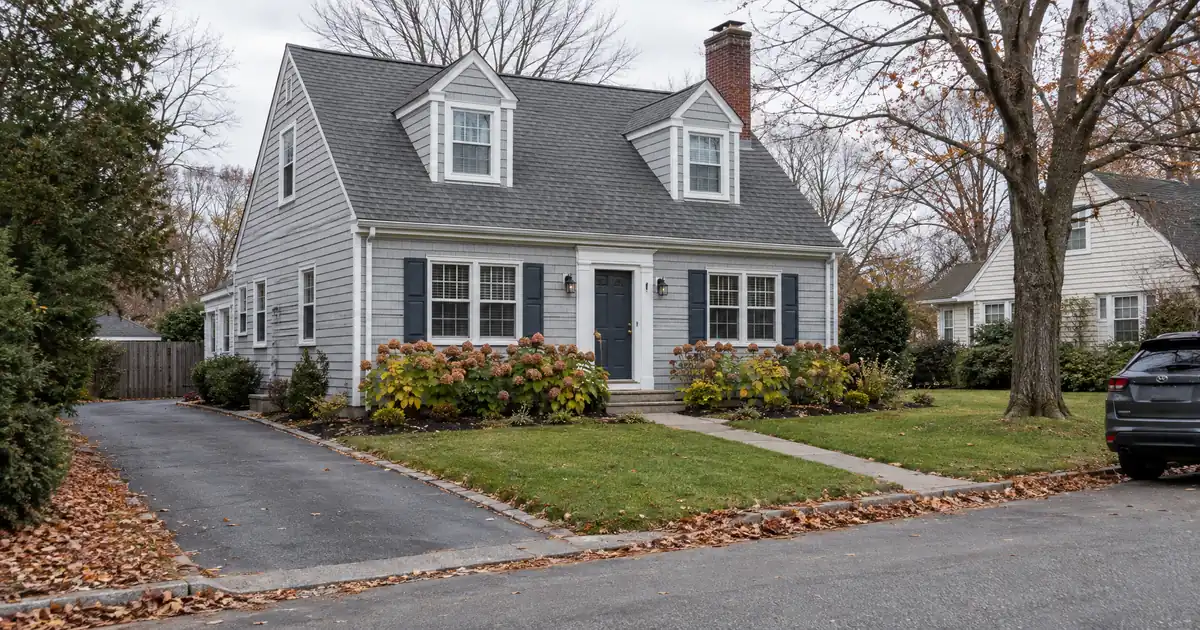
The Quick Read: The tenant, the lease, and the rent stay in place when you refinance a rental, because the borrower and the lender are the only parties to the loan. A DSCR cash-out refinance replaces the existing lien and sends the leftover equity to you, while rental coverage on the new, larger balance decides how much you can take. The loan is reviewed primarily on property-level rental income covering the payment, subject to lender guidelines.
- Cash-out on a standard rental tops out around 75% LTV across most of the network.
- About 6 months of seasoning is the common expectation.
- Rent has to cover the full new payment, so coverage can cap proceeds before equity does.
- Clearing 1.00 coverage does not mean the property cash-flows.
- Reserves of roughly 6 months of PITIA are common, though they vary by lender and loan size.
What Does “Without Disrupting the Rental Income” Actually Mean?
It means four separate things, and investors tend to blur them. Keeping them apart is the fastest way to decide whether a cash-out suits your property.
DSCR Calculator
Run the numbers in your market
Rate source: Freddie Mac 30-yr average via FRED® — Federal Reserve Bank of St. Louis · effective Oct 15, 2026
Prefilled with starting assumptions — enter your own rent or nightly figures, taxes, insurance, and HOA for a more accurate picture.
Program parameters update from Lendmire’s centralized guideline source. Taxes and insurance are editable estimates.
As of Oct 15, 2026 · General Freddie Mac market benchmark, not a Lendmire loan offer. Rent, nightly rate, occupancy, taxes, and insurance are editable estimates. Short-term rental figures are estimates only and vary significantly by season, property type, management approach, and local short-term-rental rules — confirm local regulations before relying on them. Qualifying income for short-term rentals varies by program — some use appraisal market rent, others use documented STR history or projections — and is confirmed in underwriting. Not a Loan Estimate, approval, or commitment to lend. Program availability and eligibility are subject to lender guidelines, credit approval, property review, and underwriting.
First, the tenant is not part of the transaction. A cash-out refinance swaps one lender’s lien for another’s on a property that stays rented. The lease keeps running, and rent keeps arriving the same way. The one touchpoint is the appraisal, which may need access to the unit.
Second, the rent must cover the larger payment. The lender tests coverage again on the new balance, so a bigger pull raises the bar.
Third, your monthly cash flow shrinks. A bigger balance means a bigger payment. The lender’s test and your own take-home are two different measures.
Fourth, tax treatment of the interest can change. More on that below.
Most of the “disruption” worth worrying about is financial, not operational. Your tenants will barely notice. Your bank account will.
How Does Underwriting Treat a Cash-Out on a Rental, Step by Step?
Underwriting runs in six steps, and each one tests a different part of the file. Here is the sequence across most programs in a wholesale DSCR network.
1. Eligibility screen. The property must be a non-owner-occupied rental and past the seasoning window. About 6 months is the common expectation. Seasoning is lender policy, not law.
2. Valuation basis. Inside the seasoning window, loans are often sized on cost basis: the price plus documented improvements. Outside it, they are sized on appraised value.
3. Appraisal and rent schedule. The appraiser sets value for the LTV test and estimates market rent for the coverage test. The rent estimate usually comes on the single-family comparable rent schedule. Fannie Mae’s Selling Guide names the form for one-unit investment properties. Those agency documents matter here only for the form’s name and purpose. DSCR programs set their own rules.
4. Rent evidence. Lenders differ. Some prefer a 12-month lease and recent proof of rent payments. Others accept month-to-month. Expect variation by lender.
5. Coverage test. DSCR is monthly rent divided by the full PITIA payment: principal, interest, taxes, insurance, and any HOA dues. The lender recalculates it on the new loan amount.
6. Payoff and proceeds. The old loan is paid off, costs come out, and the remainder goes to you. A prepayment penalty on the old loan can reduce proceeds.
Credit and reserves apply as well. Most programs want a score around 660. A 620 floor exists in parts of the network, and 700+ unlocks the strongest leverage tiers. Reserves commonly run around 6 months of PITIA, stepping up to about 9 months above $1,500,000. They vary by lender, leverage, and loan size.
Which Limit Binds First: Equity or Rent?
The lower of the two tests sets your proceeds. This is the part most investors miss.
The equity test is simple. At a 75% LTV ceiling, you can borrow up to three-quarters of the appraised value, minus what you owe. The coverage test is separate. If you borrow the maximum and rent barely covers the new payment, the file may not clear the ratio the lender wants. Then the lender trims the loan until it does. Exact terms depend on the lender’s guidelines, property type, leverage, and a full review of the borrower’s file.
Picture a rental with strong equity but modest rent. The LTV test says you can pull a large sum. The coverage test says the payment on that sum would sink the ratio. The coverage test wins, and your proceeds shrink.
Now picture the reverse: high rent, thin equity. LTV binds first, and rent coverage is comfortable.
A larger loan also means a larger payment, so the strongest files clear both tests together. The network’s standard programs run from roughly $100,000 up to $3,000,000, and above $2,500,000 the network generally holds to 30-year fixed structures.
Structures and Variations Worth Knowing
The spine of the product is the 30-year fixed. Variations sit around it.
- Longer terms and interest-only periods. A 40-year term and interest-only periods are available through select lenders in the network. Both lower the required payment and can lift the coverage number, at the cost of slower principal paydown.
- ARM structures. These exist for investors who want them.
- Coverage below 1.00. Many select programs start at 1.00. A separate path through select lenders in the network takes coverage below 1.00 with leverage and terms adjusted. Ask whether you should use it, because a thin ratio leaves little room if rent softens.
- No-ratio structures. These are available only through select lenders, generally for borrowers who already own a primary residence.
- Entity ownership. DSCR cash-out generally works on a property held in an LLC, subject to lender program eligibility.
| Structure | What changes | Typical trade-off |
|---|---|---|
| 30-year fixed | Baseline payment | Slowest to lift coverage |
| Interest-only period | Lower required payment | No principal paydown early |
| 40-year term | Lower payment | More total interest over time |
| Sub-1.00 path | Weaker coverage accepted | Leverage and terms adjusted |
Where the General Rule Breaks
Several edge cases change the answer. Know them before you apply.
Short-term rentals. The appraiser estimates monthly market rent, not a nightly rate multiplied by 30. Network programs for short-term rentals run lower on leverage: cash-out at 70% LTV, with a 640+ score and about 12 months of hosting history expected, and a 1.00 coverage floor on refinances. Short-term rental rules can vary by city, county, HOA, and property type, so investors should confirm local rules before relying on projected rental income. Every figure here varies by lender and program — guidelines, property type, leverage, and credit profile all apply.
Fresh purchases and rehabs. Inside the seasoning window, the loan sizes off cost basis, not the new value. If you renovated, scheduling the appraisal after the work is complete may support a higher appraised value, depending on comps and underwriter review. Never count on a specific lift.
Lease above market rent. If the lease is well above the appraiser’s market rent, expect scrutiny. Lenders often credit the lower of the two. Your lease does not automatically set the number.
Repeat pulls. Each refinance carries its own costs. Pulling what you need in a single transaction usually beats chaining several small ones.
Appraisal risk. A lower-than-expected value cuts the maximum loan. Build a cushion into your plan.
Ineligible property types. Manufactured homes (single- and double-wide), log homes, and barndominiums are not offered in the network’s DSCR programs.
Does a 1.00 Coverage Ratio Mean the Property Makes Money?
No. DSCR compares rent to PITIA only. Repairs, vacancy, management fees, utilities, and capital reserves all sit outside the calculation.
A property can clear 1.00 and still lose money each month once those items are counted. That is why the after-pull cash flow matters more than the lender’s ratio. Before you borrow, ask a plain question: after the new payment and a realistic allowance for the costs the ratio ignores, does the property still pay you?
Stress-test it. Run the coverage number with a vacancy month built in. If one empty month turns the property negative, the pull may be too large.
What Happens to Your Tenants and Leases?
Very little. This is where the topic’s promise holds up best.
The tenant is not a borrower, so the lender does not need them to sign anything. The lease stays valid. Rent goes where it always went, to you. The appraiser may ask for access, so give tenants normal notice and keep the visit short.
Some investors prefer to avoid even that. One option is a desktop valuation where a lender allows it, which skips the in-person visit. Availability depends on the lender and the loan size, so ask before assuming.
Timing helps too. If a lease is up for renewal, line the appraisal up with a signed renewal. A current lease at market rent gives the lender cleaner evidence. A vacant unit complicates the rent test, so avoid applying in the gap between tenants.
Note that a Lendmire piece on how to pull cash from a rental without refinancing a low first lien covers the case where you want to keep the existing mortgage untouched. That is a different decision from the one here.
Cash-Out Versus Selling: A Decision in Practice
For most investors who want to keep a cash-flowing asset, a cash-out beats a sale. You keep the property, the rent, and the appreciation. You avoid transaction costs and the work of replacing the asset.
The flip point is the new payment. If the larger balance leaves the property barely breaking even, selling may be the better call, especially if the proceeds could buy a stronger performer.
Several investor profiles lean different ways:
| Investor profile | Cash-out leans | Why |
|---|---|---|
| Strong equity, strong rent coverage | Yes | Both tests clear with room |
| Strong equity, modest rent | Partial pull | Coverage caps proceeds |
| Thin equity, high rent | Small pull | LTV binds first |
| Cash flow already thin | Rethink | New payment may erase it |
If you plan to use the cash for the next purchase, remember that chained refinances are only as strong as each link’s coverage. A weak link can stall the whole sequence. For more on funding your next deal, see the complete DSCR loans guide.
A practical note from deal flow in this part of the market: investors often plan around the maximum proceeds and then find the coverage number trimmed the loan. Running the coverage test first, with a conservative market-rent figure, avoids the surprise.
Key Terms Defined
Cash-out refinance: A new loan that pays off the old one and sends the leftover equity to the borrower.
DSCR: Monthly rent divided by the full PITIA payment on the property.
PITIA: Principal, interest, taxes, insurance, and any HOA dues, combined.
Seasoning: The time you must own the property before a lender sizes the loan on appraised value.
LTV: The loan amount divided by the property’s value.
Form 1007: The appraiser’s comparable rent schedule, used to estimate market rent on a one-unit rental.
What About Taxes?
Tax treatment can depend on how the funds are used and how the property is held; investors should keep clear records and speak with a qualified tax professional before relying on any deduction. For background, IRS Publication 527 covers rental property.
Frequently Asked Questions
Do tenants have to be told when I do a cash-out refinance?
No notice is needed because the loan is between you and the lender. The tenant’s lease and rent obligations do not change. The only visible step is the appraisal, which may need brief access to the unit, so give normal notice.
Can the lender cap my cash-out even if I have plenty of equity?
Yes. Rent coverage is retested on the larger balance. If the new payment pushes the ratio too low, the lender reduces the loan until coverage clears, even when equity would allow more.
Does a strong coverage ratio shorten the seasoning period?
No. Seasoning and coverage are separate tests. About 6 months of ownership is the common expectation, and a stronger ratio does not waive it, though it can improve pricing and leverage.
Is a cash-out always available on a rental?
Not always. Availability depends on the lender, the property type, the borrower’s credit, and the file. Reserves, credit tiers, and property eligibility all apply, and each loan is underwritten individually.
Does a 12-month lease matter?
It can help. Some lenders view a longer lease as more stable evidence, while others accept month-to-month.
If you are buying or refinancing a rental property and want to see how the numbers work, Lendmire can help you compare DSCR loan options based on the property income, credit profile, leverage, and investor goals. Reach the team at 828-256-2183 or request a quote. Terms are subject to lender guidelines and are not a commitment to lend.
For current guidelines and terms, see Lendmire’s DSCR loan programs page.
About Lendmire
A DSCR-focused mortgage broker, Lendmire (NMLS# 2371349) places investor financing across 41 markets — 40 states plus Washington, D.C. — with DSCR eligibility generally reviewed by the lender on property cash flow instead of tax returns, subject to lender guidelines. Scotsman Guide named Lendmire a Top Mortgage Workplace in 2025 and 2026.
Get Started
Ready to find the right loan for you?
In about 30 seconds you can review financing options available for your investment property. No commitment required.
Informational only. Not a Loan Estimate, approval, or commitment to lend. Program availability and eligibility are subject to lender guidelines, credit approval, property review, and underwriting.
References
1. Fannie Mae Selling Guide B4-1.2-01
2. IRS
This article is part of Lendmire’s DSCR loan program — full qualification details, guidelines, and scenarios live on the program page.
Related reading: How DSCR Short-Term Rental Seasonal Income and Vacancy Factor Rules Work · How to Get a Cash-Out Refinance on a Former Airbnb With DSCR · Does a DSCR Lender Use IO or Amortizing Payments on a 2-4 Unit Rental?
Brandon Miller
Founder & CEO, Mortgage Loan Originator, Lendmire LLC
- Mortgage Loan Originator · NMLS# 1129696 · Verify on NMLS Consumer Access
- North Carolina Real Estate Broker · License# 343312 · Verify on NCREC
- North Carolina Insurance Producer · License# 19053198 · Property, Casualty, Life, Health · Verify on NAIC SBS
- Lendmire LLC · Firm NMLS# 2371349 · Verify firm licensure
Important disclosures. Lendmire (NMLS# 2371349) is a licensed mortgage brokerage. Lendmire is not a direct lender, depository institution, or financial advisor. All loan inquiries are subject to lender underwriting; this article does not constitute a commitment to lend. Rates, terms, and program guidelines are subject to change without notice and vary by borrower profile, property type, and state. Information in this article is general in nature and is not financial, legal, or tax advice. Equal Housing Opportunity. NMLS Consumer Access: nmlsconsumeraccess.org.