
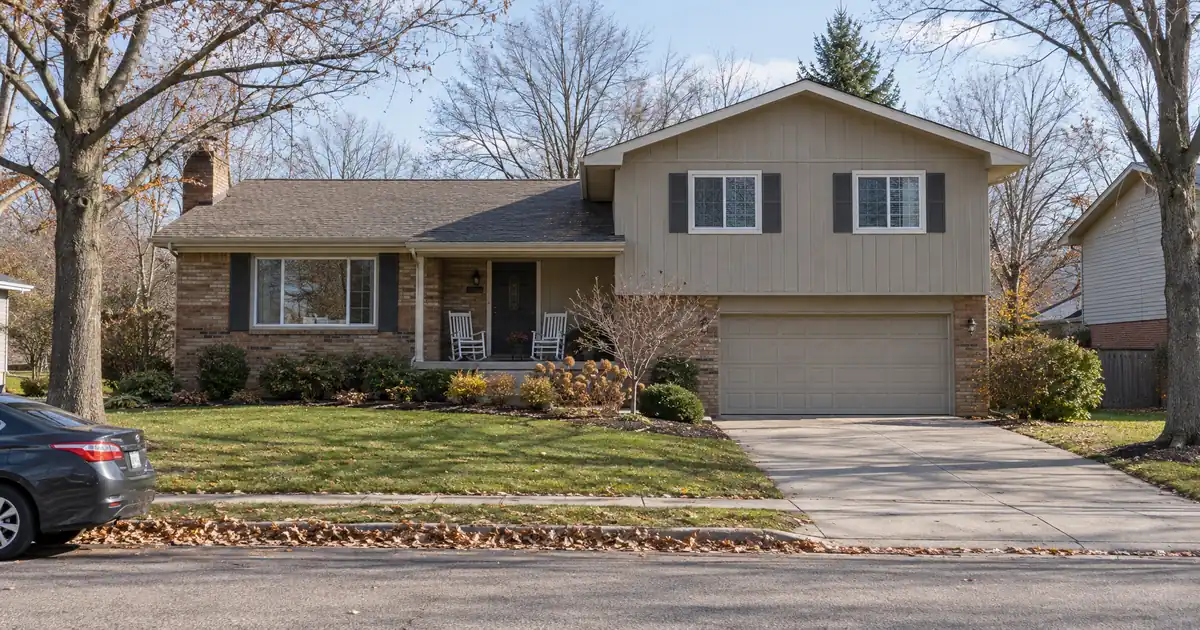
The Quick Read: A vacant unit does not disqualify a portfolio file, but an unfinished one can, so the work is sorting each empty unit into rent-ready or not before you apply. Underwriting tests the pool as one ratio, pooled rent against pooled PITIA, and still reviews each property’s condition. The plan is to fix, lease, or carve out each weak unit before the file goes to a lender.
- A vacant unit is usually counted at the appraiser’s market rent, not at zero.
- Rent-ready matters more than rented. Unfinished rehab or deferred maintenance is the real problem.
- Pooled coverage is the test, but every property still needs a lease or appraiser-supported market rent.
- Small pools feel vacancy hard; a larger pool absorbs it.
- Clearing 1.00 is not positive cash flow. Vacancy, repairs, and management sit outside the ratio.
Investors pooling several rentals under one note often ask the wrong question: “Do I need every unit leased?” The better question is which units a lender will read as income-producing, and which it will read as projects. This guide walks through how underwriting treats an empty unit, the options for each one, and a timeline for sorting it out before you apply. Program details below are typical ranges from select lenders in Lendmire’s wholesale network, subject to lender guidelines and individual file review. For the wider picture on how these loans work, see Lendmire’s complete DSCR loans guide.
Key Terms Defined
Portfolio DSCR loan: One loan secured by several rental properties, with rent and debt service measured across the whole pool.
Pooled coverage: Total monthly rent divided by total monthly PITIA (principal, interest, taxes, insurance, and association dues) for every property in the pool.
Market rent: The rent an appraiser’s rental comparables support for a unit, whether or not a tenant lives there.
Rent-ready: A unit that is legally occupiable, finished, safe, insured, and ready to market.
Carve-out: Removing one property from the pool so it does not drag down the rest.
How Does Underwriting Read a Vacant Unit?
Underwriting treats a vacant, rent-ready unit as income at the appraiser’s market rent, not as zero. The appraiser’s rent opinion stands in for a lease. A leased unit is typically counted at the lower of the lease or market rent, so a lease above market does not lift the ratio.
Here is the sequence a file follows:
1. Classify each property. Purchase or refinance? Leased, vacant, or mixed? Long-term or short-term rental?
2. Order the rent opinion. A single-family home gets a rent schedule built on rental comps (Form 1007). A two-to-four unit building gets an operating income form (Form 1025) with per-unit rent. Those forms are Fannie Mae appraisal documents the DSCR industry borrowed to document rent. DSCR loans are not agency loans.
3. Pick the rent figure. Vacant units use market rent. Month-to-month or expired leases usually fall back to market rent.
4. Build the ratio. On a portfolio loan, rents and payments are summed first, then divided once.
5. Check condition. Deferred maintenance or an active rehab can delay or derail a unit. Vacancy alone does not.
6. Collect documents. Expect current leases, proof of payment, a rent roll showing unit-by-unit status, and listing evidence for each empty unit.
Purchases and refinances differ. On a purchase, a vacant property in turnkey condition is generally acceptable across most programs we place files with. On a refinance, lenders generally want the property leased or showing a history of rental income. For multifamily, some will allow one or two vacant units on a refinance, but only if those units are rent-ready. A fully vacant refinance is usually not eligible, with exceptions that can include short-term rentals and recently built or rehabbed properties.
What Does the Portfolio Structure Change?
A portfolio loan lets stronger properties offset weaker ones, because coverage is measured on the pool. That is the main advantage over financing each rental separately. It is not a license to ignore a weak property.
Lendmire’s network has two portfolio structures, and vacancy plays out differently in each.
| Feature | 30-year portfolio DSCR loan | Rental portfolio term loan |
|---|---|---|
| Properties | 2 to 20 under one note | 5+ properties or units |
| Loan size | $300,000 to $5,000,000 | $500,000 to $50,000,000 |
| Leverage | Up to 80% (purchase, rate-term) | Up to 75% |
| Pooled coverage | Floor of 1.00 on the pool | Reviewed on the pool |
| Term | 30-year, interest-only available | 3, 5, 7, 10-year fixed, balloon |
| Recourse | Personal guarantee typical | Recourse or non-recourse options |
All figures are program ceilings and floors, not quotes, and are subject to lender guidelines, credit approval, and property review. Larger balances are reviewed individually. Eligible property types include single-family, two-to-four unit, condo, and townhome, and the term loan also takes small multifamily. Owner-occupied, mixed-use, commercial, co-op, and mobile home properties are not eligible in the pool. A special-purpose entity, typically an LLC, is required on some structures, subject to program terms.
A rental that sits below 1.00 coverage can still sit in the pool, but pooled coverage, leverage, and terms are what underwriting tests, subject to underwriting. One weak property is a pooled-coverage fact, not a separate program.
Why Do Small Pools Feel Vacancy So Hard?
In a small pool, one empty unit moves the ratio a lot. In a large pool, it barely registers. A two-to-four unit building that clears comfortably when fully leased can drop under 1.00 with one unit at market rent, because the cushion was thin to begin with. Spread the same vacancy over twenty properties and the pooled number hardly changes.
Picture an investor pooling three single-family rentals, each covering around 1.20x on its own. Now say one is between tenants and the appraiser’s market rent for it comes in lower than the old lease. The pool might slide toward 1.10x, still above the 1.00 floor. Now run the same swap on a pool of two, where one is a larger-payment property. The cushion shrinks fast. These are modeled illustrations, not sourced market data.
Test both levels. The pool may pass while one property, taken alone, looks weak. The pooled number decides coverage, but condition, occupancy, and legality are still reviewed property by property.
Vacancy also looks different by region. The U.S. Census Bureau puts the national rental vacancy rate at 7.3% in the second quarter of its latest release, against 7.0% a year earlier. The South ran 9.5% and the West 5.3%. Harvard’s Joint Center for Housing Studies notes the rate rose from a record-low 5.9% in 2022 and now sits closer to the 1990s average of 7.7%. That is a reason to model lease-up timelines conservatively, not to assume a unit fills the week you list it.
Classify Each Vacancy Before You Apply
Every vacancy falls into one of four buckets, and each bucket needs a different response.
| Vacancy type | How underwriting reads it | Best move |
|---|---|---|
| Normal turnover | Counted at market rent | Document listing; apply |
| Lease-up (finished, marketing) | Counted at market rent | Show listing evidence |
| Deferred maintenance | May stall the unit | Fix first, then apply |
| Active rehab | Often not rent-ready | Finish and lease before applying |
Turnover and lease-up are normal. Underwriters see them constantly. Deferred maintenance and active rehab are different. They tell the lender the unit cannot produce rent today, and that is where files stall.
One operator-level observation: the files that run into trouble are rarely the ones with a clean vacant unit. They are the ones where a “vacant” unit is really a half-finished project, or where the borrower cannot explain why a unit has sat empty. A short, documented story beats a long, vague one.
Your Options for Each Vacant Unit
For each empty unit, you have five practical moves. Which one fits depends on the unit’s condition, the size of the pool, and how much cushion the pooled number has.
1. Lease it before applying. Sign a lease only if the appraiser’s market rent supports it. A new lease above market gets capped at market. If the loan needs a history of collected rent, document the first payments.
2. Apply with it vacant and rent-ready. Works when the pooled coverage still clears with the unit at market rent and the unit is truly finished.
3. Finish the work first. If the unit is under rehab or has deferred maintenance, complete it and get it rent-ready. Applying early invites delay.
4. Carve it out. Leave the weak property out of the pool and finance it separately later. This protects the pooled number but removes that property’s contribution and may change leverage on the rest.
5. Reduce the ask. A lower loan amount lowers debt service and can lift coverage. It does not erase leverage caps, credit floors, reserve rules, or property eligibility.
The honest tradeoff: carving out a weak property keeps the ratio clean but gives up the convenience of one note. Keeping it in preserves the single loan but puts more weight on the other properties. If the pool clears with room to spare, keep it in. If the vacant unit is the reason the number is borderline, carve it out or fix it first.
A 90/60/30-Day Pre-Application Plan
Work backward from the day you want to apply. This is a planning sequence for your own preparation, not a loan timeline.
About 90 days out. Walk every unit. Sort each vacancy into the four buckets above. Start any deferred maintenance now, since finishing a unit takes longer than listing it. Pull current leases and rent payment proof.
About 60 days out. Get empty units rent-ready and listed. Gather listing evidence: photos, asking rent, inquiry history. Build a rent roll that shows unit-by-unit status. If a refinance needs a rental history, make sure new tenants are paying and documented.
About 30 days out. Run your own stress test (see below). Decide which units stay in the pool and which get carved out. Confirm insurance is in place on finished units. Prepare a short written explanation for any unit that has been empty a long time.
Skip the temptation to sign a below-market lease just to show a tenant. Underwriting uses the lower of lease and market rent, so a cheap lease can pull the number down instead of helping it.
Reserves and Stress-Testing Your Own Pool
Test your pool at higher vacancy than the lender will assume. If it only clears with every unit full, the file is fragile.
A simple template:
1. List every property’s monthly rent (use market rent for empty units) and its full PITIA.
2. Sum the rents. Sum the PITIA. Divide once. That is pooled coverage.
3. Remove your weakest property and run it again.
4. Take one more unit out of the rent column entirely and run it a third time.
If coverage holds near or above the program floor across all three, you have room. If it collapses on the second or third pass, plan reserves or a smaller pool.
Reserves vary by lender, leverage, loan size, and transaction type. Commonly they run around six months of PITIA, and loans above $1,500,000 typically step up to about nine months. Conservative rate-term files at modest leverage under that size can see reserves waived on some programs. On the rental portfolio term loan, reserves are held for taxes, insurance, and capital expenditures.
Remember what the ratio leaves out. DSCR compares rent to PITIA only. Clearing 1.00 is not the same as positive cash flow, because repairs, vacancy, management, utilities, and capex sit outside the calculation. A pool can qualify and still bleed cash during a long vacancy. The reserves are your protection, not the ratio.
Documents That Tell the Vacancy Story
Underwriters do not mind an empty unit. They mind an unexplained one. Assemble:
- Current leases and proof of payment for occupied units.
- A rent roll with unit-by-unit status and dates.
- Listing evidence for each vacant unit.
- Repair records for any unit that was recently down.
- A business-purpose and occupancy affidavit. DSCR loans are designed for non-owner-occupied investment properties, so you cannot move into a vacant unit. Doing so takes the file out of DSCR entirely.
The affidavit typically includes a commitment to make reasonable efforts to find a tenant for vacant units. Some lenders also add post-closing leasing conditions, so ask before choosing a program.
What Happens After Closing?
A pooled note ties the properties together. If a tenant leaves right after funding and payments get tight, the lender looks to the whole pool, not one property. That cross-collateral link is the price of the pooling benefit.
Selling one property out of the pool follows the loan documents and the lender’s release terms. The release price runs above the property’s allocated balance, and the remaining portfolio must still cover its debt service. Plan for this before you pool a property you may want to sell. The rental portfolio term loan also carries prepayment terms (yield maintenance) that matter if you expect to sell or refinance early, and non-recourse options exist on that structure with carve-outs for items like fraud and bankruptcy.
Investors who plan to pull equity from a pool should also note that cash-out on a portfolio loan tops out at 75% of pooled value, with seasoning rules in the first months of ownership. For related mechanics, see Lendmire’s piece Can a Trust Cash Out a DSCR Portfolio Loan Before Seasoning?. That ceiling applies to the pool, so a vacancy that lowers appraised value or coverage can limit the proceeds.
Where the General Rule Breaks
A few edge cases change the plan:
- One vacant unit in a two-to-four unit refinance. Often fine, with the empty unit at market rent. A unit under renovation varies by lender, and finishing and leasing it first is the safer path.
- Fully vacant refinance. Usually not eligible, with exceptions that can include short-term rentals and recently rehabbed properties.
- Short-term rentals. These qualify on rental history or projections rather than a lease. In Lendmire’s network, STR purchases go up to 75% LTV and refinances run around 70%, with a 640+ score and about 12 months of hosting history typical. Short-term rental rules vary by city, county, HOA, and property type, so confirm local rules before relying on projected rental income. For the seasoning angle, see Lendmire’s piece Can an STR Portfolio Operator Cash Out Before Six Months of Seasoning?.
- Ineligible property types. Manufactured homes, log homes, and barndominiums are not offered in the network’s DSCR programs, no matter how well they are rented.
- Credit and leverage. Most programs want a score around 660, a 620 floor exists in parts of the network, and 700+ unlocks the strongest tiers. A larger down payment helps coverage, but the strongest files clear both tests: enough equity and enough rental coverage.
Tax treatment can depend on how the funds are used and how the property is held; investors should keep clear records and speak with a qualified tax professional before relying on any deduction.
Common Mistakes
- Treating “vacant” as “ineligible.” On a purchase, a turnkey vacant property is generally acceptable.
- Assuming a signed lease always helps. An above-market lease gets capped at market rent.
- Applying with an unfinished unit. Vacancy is tolerated. Incomplete work is not.
- Testing only the pooled number. Check each property, too.
- Believing DSCR means no paperwork. Leases, rent rolls, entity papers, and reserves are still required.
Frequently Asked Questions
Can a vacant property be in the pool?
Yes, when it is rent-ready. The appraiser’s market rent counts in place of a lease. Pooled coverage, leverage, and terms are what underwriting tests, subject to lender guidelines, credit approval, and property review. A unit that is unfinished or under rehab is a different story and often needs to be completed first.
Is a vacant unit counted as zero income?
Usually not. A rent-ready vacant unit is typically counted at the appraiser’s market rent. A leased unit is counted at the lower of the lease or market rent. A unit that cannot be occupied today may not count the same way.
Should I lease a vacant unit before applying?
Often yes, if the rent matches the appraiser’s market view and the unit is ready. Skip it if it means signing a below-market lease, since that can lower the number. On a refinance that needs rental history, a documented first payment helps.
What if the pool passes but one property looks weak?
Underwriting still reviews each property’s condition, occupancy, and legality. A strong pooled ratio does not cover a property that is unlivable. Fix it, replace it, or carve it out. Which route fits depends on how much cushion the pooled coverage has and your leverage.
Can I move into a vacant unit?
No. DSCR loans are for non-owner-occupied investment properties. Living in a unit takes the file out of these programs.
Next Step
If you are buying or refinancing rental properties and want to see how the numbers work, Lendmire can help you compare DSCR loan options based on property income, credit profile, leverage, and investor goals. Lendmire is a mortgage broker arranging DSCR investor loans through select lenders in its wholesale network across 41 markets, including Washington, D.C.; reach the team at 828-256-2183 or request a quote.
Rental vacancy has drifted upward from its record low, which makes a unit sitting empty a planning variable, not a surprise, and the investors who pool well are the ones who decided what to do about it ninety days before they applied.
About Lendmire
Lendmire (NMLS# 2371349) is a DSCR-focused mortgage broker that helps arrange investor financing across 41 markets, including Washington, D.C., through wholesale and investor-lending channels. DSCR eligibility is generally reviewed by the lender around the property’s rental income rather than personal income documentation, subject to lender guidelines — which works for self-employed investors, LLC operators, and portfolios above four financed properties. Scotsman Guide named Lendmire a Top Mortgage Workplace in both 2025 and 2026.
Get Started
Ready to find the right loan for you?
In about 30 seconds you can review financing options available for your investment property. No commitment required.
Informational only. Not a Loan Estimate, approval, or commitment to lend. Program availability and eligibility are subject to lender guidelines, credit approval, property review, and underwriting.
References
1. U.S. Census Bureau, Quarterly Residential Vacancies and Homeownership
2. Harvard JCHS, Ten Takeaways from the State of the Nation’s Housing
This article is part of Lendmire’s DSCR loan program — full qualification details, guidelines, and scenarios live on the program page.
Related reading: How to Find a Portfolio DSCR Loan After Two Lenders Said No · Landlord at Five Doors vs Operator at Twenty on a Portfolio DSCR Loan · Can You Get a DSCR Loan for an Airbnb in Ohio?
Brandon Miller
Founder & CEO, Mortgage Loan Originator, Lendmire LLC
- Mortgage Loan Originator · NMLS# 1129696 · Verify on NMLS Consumer Access
- North Carolina Real Estate Broker · License# 343312 · Verify on NCREC
- North Carolina Insurance Producer · License# 19053198 · Property, Casualty, Life, Health · Verify on NAIC SBS
- Lendmire LLC · Firm NMLS# 2371349 · Verify firm licensure
Important disclosures. Lendmire (NMLS# 2371349) is a licensed mortgage brokerage. Lendmire is not a direct lender, depository institution, or financial advisor. All loan inquiries are subject to lender underwriting; this article does not constitute a commitment to lend. Rates, terms, and program guidelines are subject to change without notice and vary by borrower profile, property type, and state. Information in this article is general in nature and is not financial, legal, or tax advice. Equal Housing Opportunity. NMLS Consumer Access: nmlsconsumeraccess.org.