
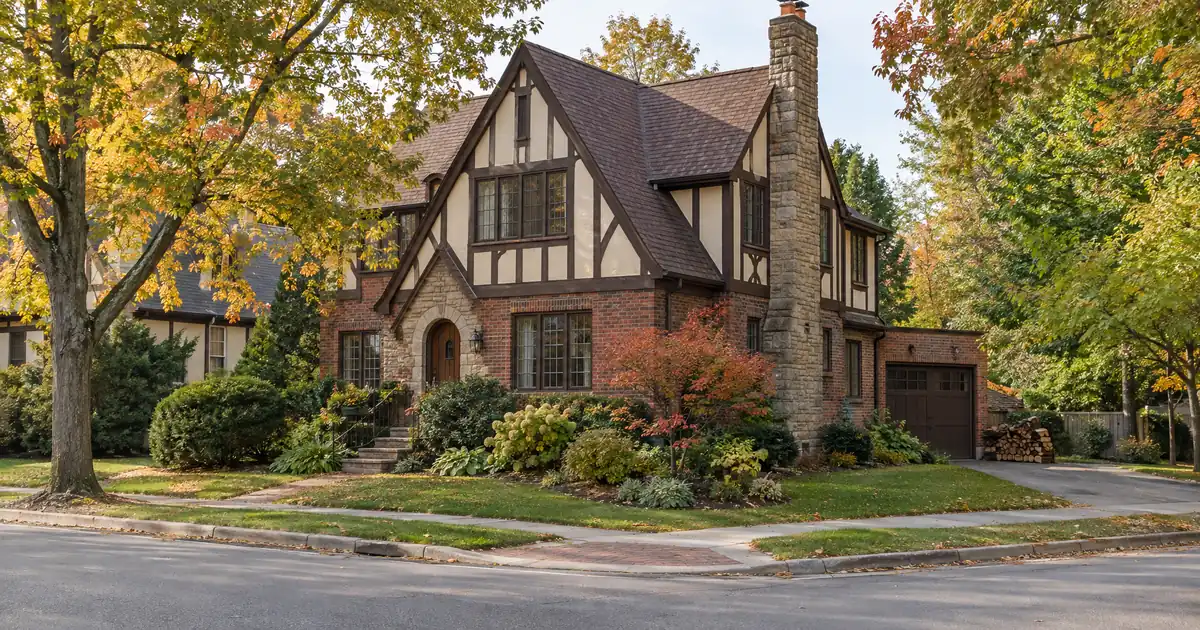
The Quick Read: Bundling rentals under one note buys fewer closings and pooled coverage, while separate loans buy clean, independent exits. The deciding variable is how likely you are to sell a single property before the pool matures.
- A blanket note puts every property behind one balance. Selling one means paying a release price set by the loan documents.
- Separate loans need no release mechanism. Selling one property means paying off that property’s own note.
- A pooled coverage test lets stronger rentals carry weaker ones. Separate loans make each property qualify on its own rent against its own debt.
- Clearing 1.00 coverage is not the same as positive cash flow. Repairs, vacancy, management, and capex sit outside the ratio.
- Blanket DSCR and separate DSCR are collateral choices, not different philosophies. Both qualify primarily on property-level rental income covering the payment, subject to lender guidelines.
The honest answer on who each option fits: the pooled structure is built for investors who hold a stable group of rentals for years and want one file, one servicer, and one test. Separate loans suit investors who trade, who hold properties in different entities, or who expect to sell one or two assets while keeping the rest. Neither is cheaper in every case. One is cheaper at the closing table, and the other is cheaper at the exit.
Terms First: What “Portfolio” and “Unbundled” Actually Mean
“Portfolio loan” gets used for two different things, and the confusion costs investors real money. In the strict sense it means a loan a lender keeps on its own books. In the way most rental investors use it, it means a blanket mortgage: one loan secured by more than one property. Nav describes a blanket lien as letting multiple properties secure a single loan, which is how investors typically buy or refinance a group of rentals.
This article uses “portfolio loan” to mean the blanket structure, one note with cross-collateralization. “Unbundled” means the opposite: one note, one lien, and one test per property. Some lenders also market several separate notes closed together as a “portfolio.” That is a batch of loans, not a blanket, and it behaves like separate loans at sale time.
DSCR is a separate design choice. It describes how a loan is qualified, on rent coverage rather than personal income. A DSCR loan can be a single-property note, a blanket, or a set of separate loans. Lendmire’s complete DSCR loans guide covers the qualification mechanics. This piece is about the collateral structure.
Side-by-Side
The table below describes the structural differences. The portfolio column reflects the portfolio programs Lendmire’s wholesale network places. The separate-loan column reflects single-property DSCR programs in the same network. Pricing is deliberately absent because it varies by file.
| Factor | Portfolio DSCR | Unbundled DSCR Loans |
|---|---|---|
| Qualification test | Pooled rent vs. pooled debt service | Each property alone |
| Collateral | All properties secure one balance | One lien per property |
| Documentation | One application, one credit review | One file per loan |
| Property count | 2 to 20 on the 30-year structure | One per loan |
| Entity vesting | Often one entity; some need an SPE | Separate LLCs possible |
| Selling one property | Release price per loan documents | Pay off that note |
| Reserves | Held pool-wide; lender-specific | Per loan, varies by size |
| Default exposure | Extends across the pool | Isolated to the property |
Two notes on the table. First, a blanket is not one product: the network’s 30-year portfolio structure and its five-plus-property term loan work differently, and the next section separates them. Second, the figures in the portfolio column are program ceilings and floors, subject to lender guidelines, not quotes.
How the Pooled Structure Works
The pooled structure comes in two forms across the network. The 30-year portfolio DSCR loan covers 2 to 20 properties under one note, typically from $300,000 up to $5,000,000, with leverage up to 80% on a purchase or rate-and-term refinance. Coverage of 1.00 is tested on the pool: pooled rent against pooled debt service. Property types include single-family, 2-4 unit, condo, and townhome. It carries a 30-year term with an interest-only period available.
The rental portfolio term loan is built for five or more properties or units. Loan sizes start at $500,000. Leverage runs up to 75% of value. Terms are fixed at 3, 5, 7, or 10 years, with a balloon at maturity. It can be recourse or non-recourse, with non-recourse structures looking to the real estate and carving out items like fraud and bankruptcy. Prepayment typically runs on yield maintenance. Properties in several markets can sit under one loan.
Both forms share a few traits. Every property still needs a lease or an appraiser-supported market rent. Credit floors start around 640, and some structures ask for 680 or 720. Some require a special-purpose entity, typically an LLC. Owner-occupied property, co-ops, mixed-use, and commercial property are not eligible in the pool. Manufactured and mobile homes are not reviewable on these programs.
A cash-out on a portfolio loan never exceeds 75% of pooled value. Inside the first six months of ownership, the cash-out amount is limited by seasoning rules.
Compare that with a single-property DSCR loan, where most files land at 75%-80% LTV on a purchase, a cash-out tops out around 75%, and standard loan sizes run up to $3,000,000. A 620 credit floor exists in parts of the network, most programs want around 660, and 700+ unlocks the strongest leverage tiers. Reserves vary by lender, leverage, and loan size. Around 6 months of PITIA is common, and about 9 months above $1,500,000.
What Pooling Does to Qualification
Pooled coverage is the structure’s best feature and its quietest risk. Because rent and debt service are measured across the whole group, a strong property can offset a weak one. A rental sitting below 1.00 can sit in the pool, but that is a pooled-coverage fact: underwriting tests the pooled coverage, the leverage, and the terms together.
Run the logic on a three-property group. Two rentals clear 1.25x on their own and a third sits near 0.90x. Pooled, the group clears comfortably. Unbundled, the third property has to find a different path. A sub-1.00 route is available through select lenders in the network, with leverage and terms adjusted, but it is a different program rather than a looser version of the standard test.
Here is the catch. That same pooling makes the weak property harder to remove later. The pool needs the strong rentals to support the weak one, and the lender re-tests the remainder when something leaves.
Remember what the ratio measures. DSCR compares rent to PITIA only. Clearing 1.00 is not positive cash flow, and a pool that passes the test can still lose money after repairs, vacancy, and management.
Freedom to Sell: The Sale-Day Difference
This is where the two structures part ways. With separate loans, selling a property means paying off that property’s note. Any prepayment penalty applies to that loan only. The other properties are untouched.
With a blanket, every property secures the whole balance. Nav advises securing a release clause up front, because the clause is what lets a property leave the blanket once conditions are met. Without one, a sale can put the entire debt in play, and the options narrow to payoff, a pool refinance, or negotiated lender consent.
With a clause, a sale looks like this:
1. The note assigns each property an allocated balance.
2. At sale, the seller pays a release price, which runs above the property’s allocated balance, to deliver clear title.
3. The lender may re-test the remaining pool for coverage and leverage.
4. The remaining properties stay under the note on its existing terms.
The release price is a negotiated term, not a formula. It is not the sale price and it is not the allocated share. Release terms can also limit how often releases occur, and a vacant or delinquent property left in the pool can block the next one. Partial releases, substitutions, and the sale of one property follow the loan documents and the lender’s release terms.
Do not assume the law supplies a right to partial release. The federal statute on due-on-sale clauses, 12 U.S.C. § 1701j-3, governs when lenders can enforce a call on sale. It does not give a borrower a release right. The note is the governing document.
One more wrinkle on liability. A release clause removes the property from the lien. It does not erase a personal guaranty on a recourse loan, which stays in place after the property leaves.
When the Portfolio Loan Is the Better Fit
A pooled loan makes sense for the investor who fits most of these:
- A long hold. The group is meant to stay together for years, so exit flexibility is worth less.
- Uniform assets under one entity. One owner, one LLC, similar property types. Subject to program terms, an SPE is required on some structures.
- A marginal property that needs help. Pooled coverage lets a weaker rental ride on stronger ones.
- An acquisition package. Buying several rentals from one seller in one transaction, where one file beats four.
- Administrative tolerance for a single file. One servicer, one payment, one maturity.
- Scale beyond five properties. The term loan’s balloon structure fits investors who plan to refinance or sell at maturity.
Fewer closings and fewer repeat applications are the real cost advantage. Against that sits the cost of a negotiated exit: a release price at sale may mean bringing cash to the table. The trade-off is fewer closings now against a priced exit later.
Consider a scenario where an investor buys six similar single-family rentals in one transaction, holds them in one LLC, and plans a ten-year hold. The pooled structure fits that plan well. The risk is minimal because the exit is far away and the properties behave alike.
When Unbundled DSCR Loans Are the Better Fit
Separate loans win for a different profile:
- Active trading. If a sale of one or two properties inside a few years is realistic, a clean exit is worth more than a closing saving.
- Different entities. Separate LLCs per property keep liability walls intact. A blanket usually collapses that into one borrower, or lists several borrowers on one note.
- Mixed hold periods. One property is a keeper, another is a flip-adjacent hold.
- Risk isolation. Default on one note does not reach the others. Nav notes that cross-collateralization extends default exposure across all the collateral.
- A small count. Two or three rentals often sit under the network’s portfolio minimums, because loan size and property count both have to clear the program’s floors, and many small investors do not.
- Stronger single-property terms. Single-property files can reach 80% on a purchase, and select high-leverage programs reach 85% LTV with roughly a 700+ score.
Say you own four rentals in four LLCs and expect to sell one next year to fund a larger acquisition. Pooling them would force a release negotiation, a re-test of the remaining three, and a hard look at whether the entity separation survives. Four independent notes avoid all of it.
The 1031 exchange adds a consideration. Single-property loans leave the other financing undisturbed when one property is sold and replaced, which keeps the exchange mechanics simple.
What Lendmire Sees on These Files
Across the wholesale network, a common mistake is treating the blanket and the batch as the same thing. An investor is told it is a portfolio deal, signs, and later learns it was several notes closed together, or the reverse. The first question on any file should be whether there is one note and one recorded lien structure, or several. The second is the release language. Strong files get the release terms read before the application goes in, not after a buyer appears. Lendmire’s wholesale network places both structures, so the comparison here is about fit, not about steering.
Questions to Ask Before You Sign
Before choosing a pooled note, get written answers to these:
1. Is this one note, or separate notes closed together?
2. Is there a release clause, and how is the release price set relative to the allocated balance?
3. What must the remaining pool satisfy after a release: coverage, leverage, or both?
4. Can properties be substituted, and can releases happen in any order?
5. Does a prepayment penalty apply on top of the release price?
6. Does the guaranty survive a release?
7. How does the note treat a property that goes vacant or delinquent?
If the lender cannot answer these in writing, the investor is negotiating exit terms after the money is committed. That is the expensive way to learn them.
Hybrids and Edge Cases
The choice is not always all or nothing. Some investors pool the long-term keepers and finance the properties they may sell separately. A pooled loan can sometimes be refinanced into individual notes later, though seasoning and the lender’s terms matter. Mixed pools of single-family, condo, and 2-4 unit properties are possible, but ineligible types stay ineligible: manufactured homes, log homes, and barndominiums are not offered in the network’s DSCR programs.
Larger down payments help with coverage but do not erase leverage caps, credit floors, reserve rules, or property eligibility. The strongest files clear both tests: enough equity and enough rental coverage.
Tax treatment can depend on how the funds are used and how the property is held; investors should keep clear records and speak with a qualified tax professional before relying on any deduction.
A Balanced Verdict
Choose the pooled structure when the group is stable, uniform, held under one entity, and expected to stay together. The benefit is one file, one test, and pooled coverage. The price is a priced and conditional exit.
Choose separate loans when sales are likely, entities differ, or you want each property to stand alone. The benefit is clean exits and isolated risk. The price is more closings and the requirement that each property qualify on its own.
If the answer to “will I sell any of these within a few years?” is yes or maybe, separate loans are usually the safer default. If it is a firm no, the pooled structure’s convenience starts to pay.
If you are buying or refinancing rental properties and want to see how the numbers work, Lendmire can help you compare DSCR loan options based on the property income, credit profile, leverage, and investor goals.
Frequently Asked Questions
Is a portfolio loan the same as a blanket loan?
Not necessarily. “Portfolio” in the strict sense describes a loan a lender holds instead of selling. “Blanket” describes the collateral: one loan secured by several properties. The terms overlap often enough that investors should confirm whether a quoted portfolio loan is one note or a set of separate notes.
Can I sell one property out of a blanket DSCR loan?
Only if the note allows it, usually through a release clause. The seller pays a release price, which runs above the property’s allocated balance, and the lender may re-test the remaining pool. Without a clause, a sale can put the whole loan in play. The loan documents govern, and no federal rule creates a right to partial release.
Does pooled coverage mean a weak rental will always qualify?
No. Pooled coverage lets stronger properties offset weaker ones, but underwriting still tests the pooled coverage, the leverage, and the terms. Qualification remains subject to lender guidelines and property review.
Do separate LLCs work with a blanket loan?
Often not cleanly. A blanket usually has one entity holding title to every property, or several borrowers listed on one note. Investors who keep each property in its own LLC for liability separation usually keep that structure with separate loans, subject to program terms.
Is one loan cheaper than several?
Fewer closings can reduce upfront steps, but total cost includes the exit. A release price, a post-release re-test, and limits on release timing all count. The right comparison runs over your expected hold and sale plan, and the pricing for either structure comes from a lender’s file review.
About Lendmire
Lendmire (NMLS# 2371349) is a mortgage brokerage focused on DSCR investor financing, helping arrange programs through wholesale and investor-lending channels in 41 markets, including Washington, D.C. DSCR loans are evaluated by the lender on property cash flow rather than personal income, subject to lender guidelines, supporting LLC closings and accommodating investors with four or more financed properties. Scotsman Guide Top Mortgage Workplace in both 2025 and 2026.
Get Started
Ready to find the right loan for you?
In about 30 seconds you can review financing options available for your investment property. No commitment required.
Informational only. Not a Loan Estimate, approval, or commitment to lend. Program availability and eligibility are subject to lender guidelines, credit approval, property review, and underwriting.
References
1. Nav: Cross-Collateralization
2. Cornell Legal Information Institute: 12 U.S.C. § 1701j-3
This article is part of Lendmire’s DSCR loan program — full qualification details, guidelines, and scenarios live on the program page.
Related reading: Can a Portfolio DSCR Loan Get You Past the Conventional Loan Cap? · Portfolio DSCR Loan vs. a DSCR Loan on Every Rental · Does a Portfolio DSCR Loan Save Money Over One Loan per Rental?
Brandon Miller
Founder & CEO, Mortgage Loan Originator, Lendmire LLC
- Mortgage Loan Originator · NMLS# 1129696 · Verify on NMLS Consumer Access
- North Carolina Real Estate Broker · License# 343312 · Verify on NCREC
- North Carolina Insurance Producer · License# 19053198 · Property, Casualty, Life, Health · Verify on NAIC SBS
- Lendmire LLC · Firm NMLS# 2371349 · Verify firm licensure
Disclosure information. Lendmire is a state-licensed mortgage brokerage under NMLS# 2371349. Lendmire is not a depository institution, direct lender, or financial advisor — all loans referenced are placed through wholesale lender partners and are subject to each lender's underwriting standards. This article is provided for general informational purposes and is not a commitment to lend, nor does it constitute financial, legal, or tax advice. Loan programs, terms, rates, and qualification standards change without notice and depend on borrower profile, property type, and the state in which the subject property is located. Equal Housing Opportunity provider. NMLS Consumer Access: nmlsconsumeraccess.org.