
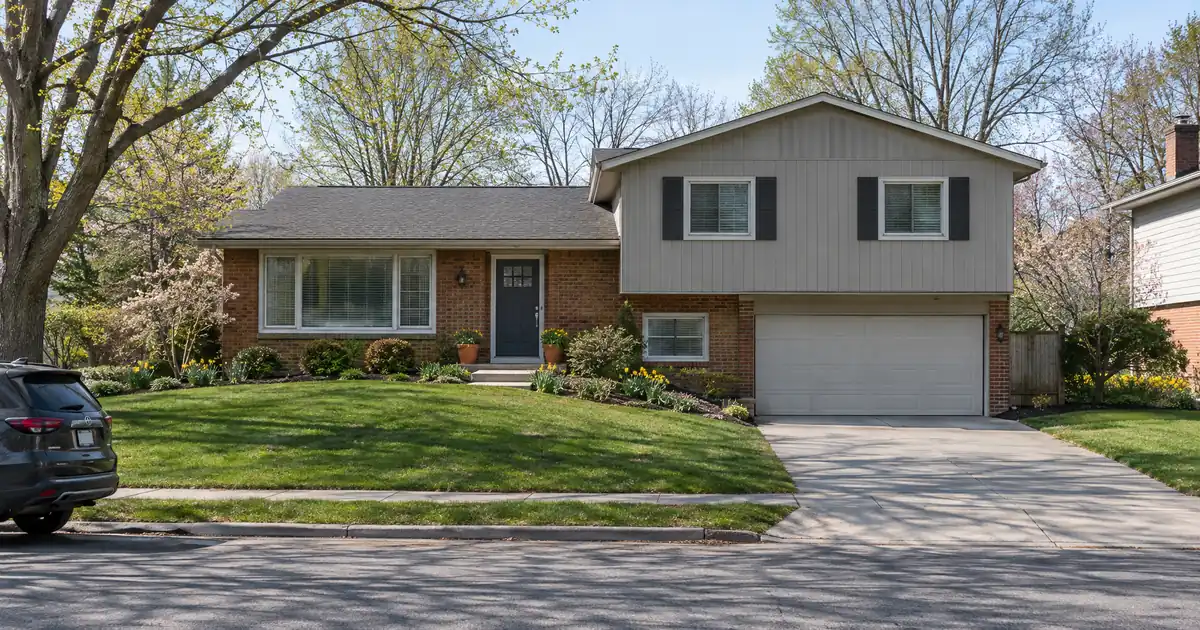
The Quick Read: Sometimes. A portfolio DSCR loan usually saves on one-time transaction costs, because one closing, one origination and one legal package replace several, but the savings are not guaranteed and depend on pricing, release terms and how long the investor plans to hold. Across the wholesale network, the trade-offs are real, and they decide whether the structure wins.
- One closing replaces many, which is where most of the savings sit.
- Coverage is measured on the pooled rent against pooled debt service, so strong properties can offset weaker ones.
- Selling a single property depends on the loan’s release terms, and the release price runs above that property’s allocated balance.
- All the properties secure one loan, so one problem can touch the whole pool.
- Small pools of two or three rentals often gain little from pooling.
Here’s the short version of how a broker sees it. Pooling cuts paperwork and some fees. It also ties your properties together. Whether that trade pays depends on the file.
What Is a Portfolio DSCR Loan?
A portfolio DSCR loan is one loan secured by several rental properties. It is often called a blanket loan. Nav describes the structure as a blanket lien that lets multiple properties secure a single loan.
One term causes confusion. “Portfolio loan” can also mean a loan a lender keeps on its own books. That is a different idea. Here, the term means one note over many rentals.
Across the network, two structures fit this description. The first is a 30-year portfolio DSCR loan covering 2 to 20 properties under one note. The second is a rental portfolio term loan for five or more rental properties or units. They behave differently, so the savings picture differs too.
Where Do the Savings Come From?
The savings come from consolidation. One origination, one closing, one legal package and one servicer replace many. Rentec Direct notes that origination fees and closing costs are consolidated into one loan, which can save a meaningful amount of money and time.
Not every cost consolidates. Here is how it breaks down on a typical file.
| Cost or task | Consolidates? | Why |
|---|---|---|
| Origination | Yes | One loan, one origination |
| Closing and legal work | Mostly | One package, one servicer |
| Appraisals | Rarely | Each property needs its own valuation |
| Title work and insurance | No | Each property needs its own |
| Leases and rent evidence | No | Every property needs a lease or market rent |
Appraisals are the line investors assume will shrink and often doesn’t. Each property needs its own valuation. Lenders differ on how much they bundle. Title and insurance work the same way: one loan does not remove the property-level work.
No verified study puts a dollar figure on blanket-versus-individual savings. Any number you see promised should be treated as a quote to verify, not a rule.
Does the Pricing Offset the Savings?
It can. Blanket loan pricing is usually lower than on multiple loans, but that page is not specific to DSCR files. Other market commentary points the other way for DSCR pools: tighter leverage and some pricing premium. Neither claim is verified here, so the honest answer is to compare real quotes.
Total cost is the test. Add up closing costs, any pricing or leverage difference, extra equity you must bring, and the cost of releasing a property later. The fee saving at closing can be eaten by any of those.
On leverage, the network’s 30-year portfolio structure goes up to 80% of value on a purchase and on a rate-and-term refinance, subject to lender guidelines. The rental portfolio term loan goes up to 75%. A single-rental DSCR purchase loan typically lands at 75%–80% LTV, with select high-leverage programs reaching 85% at roughly a 700+ score. So pooling does not by itself force a lower leverage tier on the 30-year structure. The term loan is tighter.
How Is Coverage Tested on a Pool?
Coverage is measured on the pool. Add the rent across the properties, add the debt service (principal, interest, taxes, insurance and any HOA dues), and divide. The 30-year portfolio structure uses a 1.00 floor on that pooled number, subject to lender guidelines.
That means stronger properties can offset weaker ones. A rental below 1.00 on its own can sit in a pool, but the pooled coverage, the leverage and the terms are what underwriting tests, subject to underwriting. Every property still needs a lease or an appraiser-supported market rent.
One caution. Clearing 1.00 is not positive cash flow. DSCR compares rent to the full housing payment only. Repairs, vacancy, management, utilities and capex sit outside it.
Credit also matters. Pooled structures commonly want a 640 floor, with 680 or 720 on some. That is higher than the 620 floor found in parts of the network on single-rental files. Some structures require a special-purpose entity, typically an LLC, depending on program guidelines.
What Does Pooling Cost You?
Pooling costs you independence. Three items matter most.
Cross-collateralization. Every property secures the same loan. Nav advises securing a release clause so properties can be removed once conditions are met. Without one, a single vacancy or weak property can pressure the whole pool.
Release terms. With individual loans, you pay off one loan and the rest are untouched. In a pool, selling one property follows the loan documents. The release price runs above that property’s allocated balance, and the remaining portfolio must still cover its debt service. Release terms are set by each lender and are not guaranteed.
Prepayment. The term loan uses yield maintenance, on notes of 3, 5, 7 or 10 years with a balloon at maturity. That cost lands on the whole structure, not one rental. An investor who expects to sell soon should price this before choosing.
Reserves also differ. The term loan holds reserves for taxes, insurance and capital expenditures. Reserves on the 30-year structure vary by lender and loan size.
When Does One Loan per Rental Win?
Individual loans win when flexibility is worth more than the fee saving. That is common on small portfolios. For two or three properties, the admin benefit often does not justify the structure, which is a broker view and not a hard rule.
Individual loans also fit these cases:
- You buy one property at a time and each closes on its own schedule.
- You sell often, and a release price would repeat.
- You want a default or vacancy in one property isolated from the rest.
- Your rentals have different hold plans.
For a closer side-by-side on this choice, see Lendmire’s piece One Loan Per Rental vs a Blanket Across Three in an LLC Portfolio.
When Does a Portfolio Loan Win?
A portfolio loan wins on long holds with stable occupancy. Picture an investor with six rentals across several markets who intends to keep all of them. One closing, one servicer and one payment date cut the admin load. The term loan allows multi-market cross-collateralization, so properties in different locations may sit under one loan, subject to the lender.
Another case is consolidating existing rentals. An investor with several seasoned properties may refinance them into one note. Cash-out on a portfolio loan never goes above 75% of the pooled value. Inside the first six months of ownership, the seasoning rule caps the amount. The standard cash-out refinance expectation is about 6 months of seasoning.
Property types in the pool include SFR, 2-4 unit, condo and townhome, with small multifamily on the term loan. Owner-occupied property, mobile homes, co-ops, mixed-use and commercial property are ineligible. Manufactured homes, log homes and barndominiums are not offered.
Stress Tests: Three Quick Scenarios
Run the numbers on three situations. These use ratios and plain description, not dollar figures.
One tenant leaves. Under individual loans, the other rentals are unaffected. In a pool, pooled coverage dips. If it stays at or above the program floor, the loan keeps performing. Reserves and strong occupancy elsewhere matter.
You plan to sell one property. Individual loans make this simple: pay that loan off. In a pool, you pay the release price, which runs above the allocated balance, and the remaining properties must still cover their debt. Read the release clause before signing.
You want to refinance in two years. A pool may need to be unwound as a whole. Prepayment terms matter here, especially on the term loan.
Which Structure Fits? A Side-by-Side
| Factor | Portfolio loan | One loan per rental |
|---|---|---|
| Closings | One | One per property |
| Coverage test | Pooled rent vs pooled debt | Each property alone |
| Selling one property | Release terms apply | Pay off that loan |
| Collateral | All properties linked | Each stands alone |
| Paperwork | Consolidated | Repeated |
Key Terms Defined
Blanket loan: One loan secured by more than one property.
Cross-collateralization: Several properties securing the same loan, so a problem with one can affect the others.
Release clause: A loan term that lets a property leave the pool, usually for a release price above its allocated balance.
Pooled coverage: Total rent across the pool divided by total debt service.
Yield maintenance: A prepayment charge on fixed-rate term loans that compensates the lender for early payoff.
Questions to Ask Before You Pool
- Does the release price apply to every property, and is there a minimum number that must remain?
- Is the structure recourse or non-recourse, and what are the carve-outs?
- What is the prepayment cost if I sell one asset?
- Does each property need its own appraisal and title work?
- How are reserves set for the pool?
The right answer comes from comparing real terms across lenders. Lendmire arranges financing through select lenders in its wholesale network, which covers 41 markets, including Washington, D.C. For program background, read the complete DSCR loans guide.
If you are buying or refinancing a rental property and want to see how the numbers work, Lendmire can help you compare DSCR loan options based on the property income, credit profile, leverage, and investor goals. Tax treatment varies; consult a qualified professional. Programs and terms are subject to lender guidelines and are not a commitment to lend.
Frequently Asked Questions
Is a portfolio DSCR loan the same as a blanket loan?
Usually yes in this context. Both describe one loan secured by multiple rentals. The phrase “portfolio loan” can also mean a loan a lender keeps on its own books, so confirm which meaning is intended.
How many properties do I need before pooling makes sense?
There is no fixed rule. The 30-year portfolio structure covers 2 to 20 properties, and the term loan is built for five or more rentals or units. Small pools often gain little, so run total cost before deciding.
Can I sell one property without paying off the whole loan?
Often, if the loan has a release clause. Release terms vary by lender, the release price runs above the property’s allocated balance, and the remaining pool must still cover its debt.
Does a weak rental hurt the whole pool?
It can. Coverage is measured on the pool, so strong properties can offset a weak one. But the pooled coverage, leverage and terms are what underwriting tests, and all properties secure one loan.
Does pooling guarantee a lower cost?
No. Savings come mostly from one closing and less administration. Pricing, release costs and prepayment terms can offset them, so compare real quotes side by side.
About Lendmire
Lendmire is a DSCR-focused mortgage brokerage, NMLS# 2371349, placing investor loans across 41 markets, including Washington, D.C. DSCR eligibility is generally reviewed by the lender around a property’s rental income rather than personal income documentation, which fits LLC-held rentals, self-employed investors, and portfolios scaling past conventional financed-property limits. Scotsman Guide named Lendmire a Top Mortgage Workplace in both 2025 and 2026.
Get Started
Ready to find the right loan for you?
In about 30 seconds you can review financing options available for your investment property. No commitment required.
Informational only. Not a Loan Estimate, approval, or commitment to lend. Program availability and eligibility are subject to lender guidelines, credit approval, property review, and underwriting.
References
1. Nav – Cross Collateralization
2. Rentec Direct – Pros and Cons of a Blanket Loan
This article is part of Lendmire’s DSCR loan program — full qualification details, guidelines, and scenarios live on the program page.
Related reading: How to Time a Portfolio DSCR Loan Around Rental Seasoning · How Much Leverage a Rental Portfolio Should Carry Under One DSCR Loan · Recourse vs Non-Recourse DSCR Portfolio Loan for a Rental Owner
Brandon Miller
Founder & CEO, Mortgage Loan Originator, Lendmire LLC
- Mortgage Loan Originator · NMLS# 1129696 · Verify on NMLS Consumer Access
- North Carolina Real Estate Broker · License# 343312 · Verify on NCREC
- North Carolina Insurance Producer · License# 19053198 · Property, Casualty, Life, Health · Verify on NAIC SBS
- Lendmire LLC · Firm NMLS# 2371349 · Verify firm licensure
Required disclosures. Lendmire (NMLS# 2371349) operates as a licensed mortgage broker, not a direct lender or depository. The discussion in this article is general in nature and should not be relied upon as financial, legal, or tax advice — every investment scenario is unique and should be reviewed by a qualified professional. Any loan inquiry is subject to lender underwriting, and this article is not a commitment to lend or a guarantee of approval. Mortgage rates, loan terms, and program guidelines vary by borrower, property, and state, and may change without notice. Equal Housing Opportunity. Verify licensure at NMLS Consumer Access.