
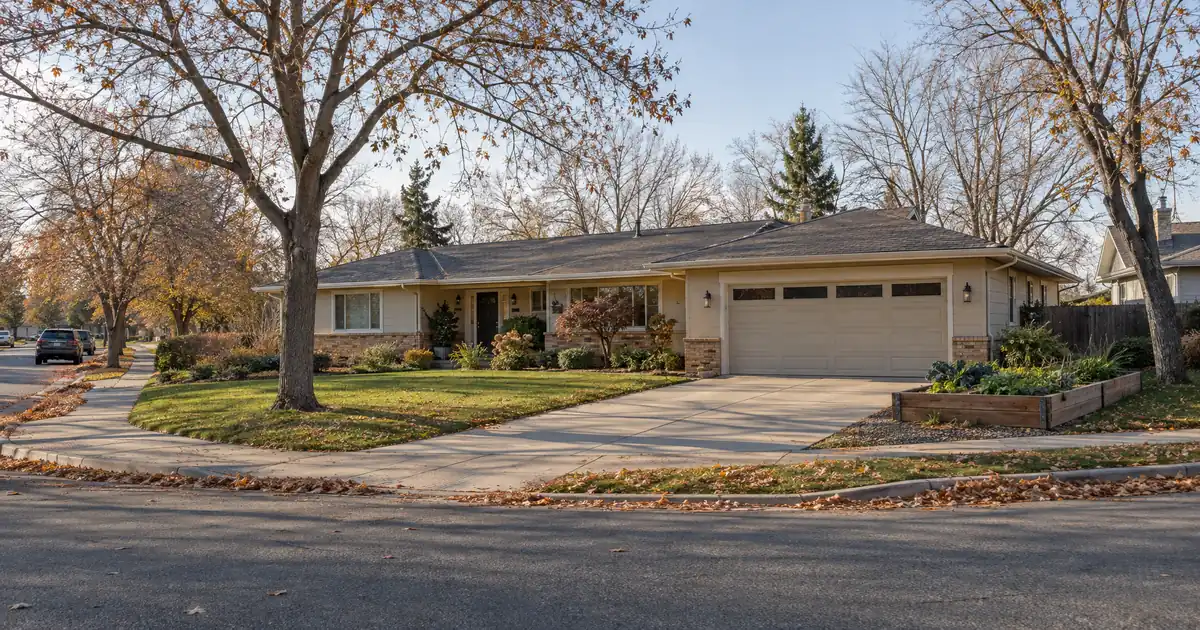
You own rentals in more than one LLC, and now you want one loan to cover them. The question is whether the lender sees one borrower or several. The answer decides who signs, what gets counted, and how much of your liability wall survives.
The Quick Read: A portfolio DSCR lender does not underwrite a group of LLCs; it reviews each property’s rent, each borrowing entity’s paperwork, and the people who guarantee the loan, then treats the LLCs as one borrower relationship when the same owners and guarantors sit behind all of them, subject to lender guidelines. DSCR means debt service coverage ratio: the property’s rent compared with its full monthly housing payment. On a pooled loan, that test runs on the whole portfolio. The entity layout changes the paperwork, and the guarantor’s profile changes the decision.
- Several LLCs can often share one loan when the same people ultimately own them, either as co-borrowers or under a parent entity.
- Pooled coverage tests total rent against total payment, so stronger properties can offset weaker ones.
- Reserves, credit, and guarantor liquidity are counted once at the guarantor level, not once per LLC.
- Cross-collateralization and cross-default terms thin the liability wall that single-property LLCs were built to provide.
- Different owners across LLCs, layered holding companies, and mismatched names are the usual places a pooled file breaks.
What Does One Borrower Mean to a Portfolio Lender?
To a portfolio lender, one borrower means one group of people standing behind every entity on the file. The LLC holds title. The guarantor holds the exposure. Lenders look through the first to find the second.
Think of three layers. The collateral is each property and its rent. The borrowing entities are the LLCs that hold title and sign the note. The guarantors are the individuals who back the loan personally.
Several LLCs with one guarantor look like one credit profile behind every loan. Across our wholesale network, that is how most programs treat them. The lenders we place files with may differ on paperwork and thresholds, but they agree on the idea. Vesting a property in an LLC does not make you invisible. For a broader grounding in how these loans work, see Lendmire’s complete DSCR loans guide.
DSCR loans are designed for non-owner-occupied investment properties. Because they are business-purpose investor loans, they are reviewed differently from a standard owner-occupied mortgage. The loan is reviewed primarily on property-level rental income covering the payment, subject to lender guidelines. The guarantor’s credit, reserves, and liquidity are still reviewed.
How Does the Lender Read Several LLCs, Step by Step?
The read-through runs from collateral to entity to owner to guarantor to total exposure. Each step answers a different question. Some steps repeat per LLC, and some run once for the whole file.
1. Pick the structure. One note can cover many properties, or each LLC can take its own loan. Everything downstream depends on this choice.
2. Run the common-ownership test. The lender asks who ultimately owns each LLC. Several LLCs can often share one pool when the same people own them. Either the LLCs co-borrow, or a parent entity borrows.
3. Collect entity documents. Each LLC typically supplies articles of formation, an operating agreement, an EIN letter, and good-standing evidence.
4. Identify the guarantor. Each lender sets its own ownership threshold for who must guarantee. Recourse loans carry a personal guarantee.
5. Review the guarantor once. The lender reviews credit, reserves, and the schedule of real estate owned at the guarantor level, not per LLC.
6. Test coverage. On a pooled note, total rent runs against total payment. On separate notes, each property gets its own test.
7. Set closing terms. Co-borrowing LLCs are usually tied together by cross-default and cross-guarantee language. A release clause governs how a property leaves the pool later.
The outcome turns on five things: the ownership structure, the guarantor’s credit and liquidity, each property’s appraisal and rent, the pooled coverage, and the release terms.
Three Ways to Structure Several LLCs
The three common structures are co-borrowers on one note, a parent entity on one note, and separate notes with one guarantor. They differ in who signs and what the lender reviews.
| Structure | Who signs | What to confirm |
|---|---|---|
| Co-borrower LLCs, one note | Every LLC plus guarantor | Common ownership, cross-default terms |
| Parent borrower, one note | Parent LLC plus guarantor | Whether properties must be deeded in |
| Separate notes, one guarantor | Each LLC plus guarantor | Stacked guaranties, per-file costs |
Two portfolio structures exist across our network, and they work differently.
The first is a 30-year portfolio DSCR loan. It places 2 to 20 properties under one note, with loan sizes from $300,000 to $5,000,000 (larger balances on review). Leverage runs up to 80% of value on a purchase or a rate-and-term refinance. The coverage floor is 1.00, measured on the pool. Fixed or adjustable structures exist, with an interest-only period available. Eligible property types are single-family, 2-4 unit, condo, and townhome. The exact numbers vary by lender and program and follow a full review of property, leverage, and credit.
The second is a rental portfolio term loan, built for five or more rental properties or units under one loan. Loan sizes run from $500,000 to $50,000,000 (larger balances on review), with leverage up to 75% of value on this structure. Terms are fixed at 3, 5, 7, or 10 years with a balloon at maturity. Both recourse and non-recourse versions exist. A non-recourse loan looks to the real estate, with recourse limited to carve-outs such as fraud and bankruptcy. Prepayment is typically yield maintenance. Properties in several markets can sit under one loan.
All figures are program ceilings or floors, not quotes, and everything is subject to lender guidelines. Credit floors for these pools start around 640 and run to 680 or 720 on some structures. Some structures require a special-purpose entity, typically an LLC, subject to lender program eligibility.
For the short-term-rental version of this question, Lendmire’s piece Can Several Short-Term Rentals Sit on One Blanket DSCR Portfolio Loan? covers the hosting-history and leverage differences.
What Gets Counted Per Property, Per Entity, and Per Guarantor?
Some items repeat for every property or LLC. Others are reviewed once and shared across every file. Knowing which is which keeps you from double-counting your own cushion.
| Scope | What the lender reviews |
|---|---|
| Per property | Appraisal, lease or market rent, insurance, title |
| Per entity | Formation papers, EIN, good standing, signers |
| Per guarantor | Credit, liquidity, reserves, real-estate-owned schedule |
| Shared across files | Reserves and guarantor assets, counted once |
The last row matters most. If you hold six months of reserves, those same dollars do not satisfy three separate files at full strength. Each lender counts them once at the guarantor level. On single-property DSCR files, reserves commonly run around six months of PITIA, which is principal, interest, taxes, insurance, and association dues. Larger loans can step up to about nine months. The rental portfolio term loan instead holds reserves for taxes, insurance, and capital expenditures.
Every property still needs a lease or an appraiser-supported market rent. Pooling does not skip valuation. It pools the coverage test, not the property review.
One more point on the numbers. DSCR compares rent to PITIA only. Clearing 1.00 does not mean positive cash flow. Repairs, vacancy, management, utilities, and capital expenditures sit outside the calculation. That holds for one property and for a pool.
Why Does the Lender Look Past the LLC to You?
The lender looks past the LLC because the person behind it carries the real exposure. Bank examiners are taught the same habit. The OCC’s Comptroller’s Handbook on commercial real estate lending tells examiners to evaluate borrower and guarantor creditworthiness and global financial condition. That includes assets, global cash flow, and direct and contingent liabilities.
That is bank-supervision guidance, not a DSCR rulebook. No federal rule sets how multiple LLCs are treated, and none sets a guaranty ownership percentage. Each lender or program decides. A private bank reads the whole borrower. A DSCR program leads with property income, then still reviews the guarantor. Minimums also vary by lender, with no universal standard.
The practical consequence is stacked exposure. Each loan you guarantee adds contingent liability that the next lender sees. A guarantee on one loan does not automatically pledge your other properties. But it does show up in the guarantor’s picture, whether or not the LLCs ever touch each other.
Cross-Collateralization and the Thinning Liability Wall
Cross-collateralization means one asset can secure several loans, or several assets can secure one loan. ConsumerAffairs explains that a default on one loan can affect everything tied to the collateral. That is the mechanism of a blanket note.
Single-property LLCs exist to wall off one property’s problems from the rest. A pooled note puts a door in that wall. Every property secures the whole loan. Cross-default language means trouble with one asset can trigger the whole pool. Co-borrowing LLCs are usually tied together by cross-guarantee terms as well.
On the rental portfolio term loan, properties in several markets can sit under one loan. That adds reach, and it also adds interdependence.
Exits are where this shows. Partial releases, substitutions, and the sale of one property out of the pool follow the loan documents. The release price runs above the property’s allocated balance, and the remaining portfolio must still cover its debt service. A pool gives you one closing, one payment, and one servicer, and it costs you exit flexibility.
Tax treatment varies; consult a qualified tax professional before relying on any deduction tied to how properties are held.
A Worked Example: Five Rentals, Three LLCs
Picture an investor with five rentals held in three LLCs. One person owns 100% of every LLC and is the only guarantor. All coverage figures below are modeled assumptions, not market data.
- LLC One holds two single-family rentals at modeled coverage of 1.30x and 1.20x.
- LLC Two holds a duplex and a townhome at 1.15x and 1.05x.
- LLC Three holds one condo at 0.95x.
Pooled structure. All three LLCs co-borrow under one note, or a parent borrows. The lender tests pooled rent against pooled payment. In this model, pooled coverage lands around 1.1x, comfortably above the 1.00 floor on the 30-year portfolio loan. The condo below 1.00 can sit in the pool because stronger properties offset it. In that case the pooled coverage, the leverage, and the terms are what underwriting tests, subject to underwriting. Each property is still appraised.
Separate notes. Each LLC borrows alone with the same guarantor. The condo is tested on its own. Coverage below 1.00 is a separate path, available through select lenders in the network with leverage and terms adjusted. The other four properties clear 1.00 individually.
| Item | Pooled note | Separate notes |
|---|---|---|
| Coverage tested on | Whole pool | Each property |
| Who signs | All LLCs plus guarantor | Each LLC plus guarantor |
| Reserves counted | Once, guarantor level | Once, guarantor level |
| Selling one property | Release terms apply | Simple |
| Weak property | Offset by strong ones | Tested alone |
The same guarantor is reviewed either way. The pool buys convenience and offsetting coverage. The separate notes buy clean exits and a thicker liability wall.
Where Does the General Rule Break?
The common-ownership rule breaks in a handful of predictable places. Each has a named fix or a named limit.
Different owners across LLCs. If a partner sits in one LLC but not another, the pool usually does not fit. The lender wants the same people behind every entity.
A separate LLC that is not a borrower. It generally cannot join a pool without restructuring.
Multi-member credit blending. With two guarantors, the weaker credit profile can pull terms down. Some lenders require every owner above their threshold to sign. Others accept one strong guarantor.
Layered or holding entities. An LLC owned by another LLC is generally not accepted, or is program-dependent with extra documents. The lender traces the chain to the individuals at the top. Flattening the structure before applying often helps.
Small-balance assets. Most lenders value each asset on its own. Very small properties can be hard to place in a pool, though some lenders see cheaper properties as easier to blanket. This is a depends-on-the-lender point.
Larger pools. Some programs add documentation, such as a second appraisal, based on aggregate balance. The trigger is size, not property count.
Series LLCs. Some states do not recognize them. Investors there hold properties in separate single-property LLCs, which adds guaranty and entity paperwork.
Ineligible property. Owner-occupied property, mobile homes, co-ops, mixed-use, and commercial property are not offered in these pools. Manufactured homes, log homes, and barndominiums are not offered through the network’s DSCR programs either.
The retitling trap. Moving title into a new LLC before the loan can conflict with the terms of an existing loan. Check the current note before deeding anything.
For agency contrast only: Fannie Mae’s Selling Guide caps financed properties at 10 on investment-property loans run through its automated system. DSCR is not an agency product, so that cap does not apply here.
Name-Match and Document Checklist
Most pooled files stall on small mismatches, not big problems. Build one folder per LLC and check these items.
| Item | Per LLC | Why it matters |
|---|---|---|
| Articles and EIN letter | Yes | Proves the entity exists |
| Operating agreement | Yes | Shows owners and signers |
| Good-standing evidence | Yes | Entity must be active |
| Exact legal name | Yes | Must match title, insurance, leases |
| Guarantor ID and bank statements | Once | Reviewed at guarantor level |
Leases, insurance policies, and the application should all show the same legal name as the deed. A missing comma or a dropped suffix is the kind of difference that pends a file.
Pool, Split, or Hybrid?
Pool when ownership is identical, you plan to hold, and most properties clear 1.00. Split when owners differ, exits are likely, or the properties are mismatched in quality. A hybrid pools the stable core and leaves flexible properties out.
| Situation | Usually fits |
|---|---|
| Same owners, long hold, steady coverage | Pool |
| Different partners per LLC | Separate notes |
| Likely sale of one asset soon | Separate or hybrid |
| One weak property among strong ones | Pool, if pooled coverage clears |
| Many small-balance assets | Depends on the lender |
This is a real tradeoff, and neither side wins automatically. A blanket is not always cheaper or better. It trades per-property cost and simplicity for cross-collateralization and exit friction.
Questions to Ask Any Lender
These five questions separate lenders quickly in practice.
- How do you define one borrower, and which entities do you group together?
- What ownership percentage triggers a guaranty requirement?
- How are reserves counted when several LLCs share a guarantor?
- What does the release clause allow, and how is the allocated balance set?
- Does a larger aggregate balance add appraisal or document requirements?
How the Next Lender Sees You as You Scale
A new LLC does not reset your picture. The next lender sees the guarantor, the real-estate-owned schedule, and every loan you have guaranteed. Adding entities adds paperwork, not anonymity.
If rentals move into an LLC but the loans stay in your personal name, those payments can still count against you in a personal debt review. DSCR underwriting generally skips personal debt-to-income, but not every loan on your schedule is a DSCR loan.
A larger down payment can lift coverage, but it never erases leverage caps, credit floors, reserve rules, or property eligibility. The strongest files clear both tests: enough equity and enough rental coverage. On a pooled cash-out, leverage never exceeds 75% of pooled value, and seasoned properties are the baseline.
Key Terms Defined
Borrower group. The set of entities and people a lender treats as one relationship for credit and exposure.
Guarantor. The individual who personally backs the loan, usually with full recourse on recourse structures.
Common ownership. The same people ultimately owning every LLC that shares a loan.
Cross-collateralization. Several properties securing one loan, or one property securing several loans.
Cross-default. A clause that treats a default on one loan or property as a default on the others.
Release clause. The loan term that governs how a property can leave a pool, usually at a price above its allocated balance.
Pooled coverage. Total rent divided by total payment across every property in the pool.
Frequently Asked Questions
Can several LLCs share one portfolio DSCR loan?
Usually, when the same people ultimately own every LLC. The LLCs either co-borrow or a parent entity borrows. Unequal ownership across entities can break the structure, and program rules vary by lender.
Does a new LLC hide my exposure from the next lender?
No. The lender traces ownership to the individuals and reviews the guarantor’s schedule of real estate owned. Every guaranteed loan adds contingent liability to that picture, regardless of which entity holds title.
Does an LLC make the loan non-recourse?
Usually not. The LLC shields against property-level claims, but lenders generally expect members to guarantee. Non-recourse structures exist on the rental portfolio term loan, with carve-outs such as fraud and bankruptcy.
Can I sell one property out of the pool?
Sometimes. Partial releases follow the loan documents and the lender’s release terms.
Do all members have to guarantee?
It depends on the lender. Some require every owner above an ownership threshold to sign. Others accept a single strong guarantor. A weaker co-guarantor can pull terms down.
Next Step
If you are buying or refinancing a rental property and want to see how the numbers work, Lendmire can help you compare DSCR loan options based on the property income, credit profile, leverage, and investor goals. Lendmire is a broker arranging financing through select lenders in its wholesale network, with investor programs in 41 markets, including Washington, D.C. Call 828-256-2183 or request a quote. Programs change, and every file is underwritten individually, so nothing here is a commitment to lend.
Several LLCs under one borrower rarely hide anything from a lender, and the investors who plan the structure around the guarantor, not the entities, tend to scale with fewer surprises.
About Lendmire
As a non-QM mortgage broker (NMLS# 2371349), Lendmire facilitates DSCR investor loans across 41 markets, including Washington, D.C. DSCR eligibility is generally reviewed around property-level rental income instead of personal income documentation, subject to lender guidelines, serving LLC-structured portfolios and self-employed borrowers who don’t fit conventional boxes. A two-time Scotsman Guide Top Mortgage Workplace (2025, 2026).
Get Started
Ready to find the right loan for you?
In about 30 seconds you can review financing options available for your investment property. No commitment required.
Informational only. Not a Loan Estimate, approval, or commitment to lend. Program availability and eligibility are subject to lender guidelines, credit approval, property review, and underwriting.
References
1. OCC Comptroller’s Handbook: Commercial Real Estate Lending
2. ConsumerAffairs: What Is Cross-Collateralization
3. Fannie Mae Selling Guide B2-2-03: Multiple Financed Properties Same Borrower
This article is part of Lendmire’s DSCR loan program — full qualification details, guidelines, and scenarios live on the program page.
Related reading: How a Luxury STR Operator Chooses a Portfolio or DSCR Loan · Does a DSCR Lender Accept Airdna Projections for a New-Build STR? · Recourse vs Non-Recourse DSCR Portfolio Loan for a Rental Owner
Brandon Miller
Founder & CEO, Mortgage Loan Originator, Lendmire LLC
- Mortgage Loan Originator · NMLS# 1129696 · Verify on NMLS Consumer Access
- North Carolina Real Estate Broker · License# 343312 · Verify on NCREC
- North Carolina Insurance Producer · License# 19053198 · Property, Casualty, Life, Health · Verify on NAIC SBS
- Lendmire LLC · Firm NMLS# 2371349 · Verify firm licensure
Disclosures. The information presented in this article is general market commentary, not financial, legal, or tax advice. Lendmire is a mortgage brokerage (NMLS# 2371349) — not a direct lender or depository institution — and loan placement is subject to lender underwriting. Nothing in this content represents a commitment to lend. Loan terms, pricing, and program availability vary based on borrower qualifications, property characteristics, and state of subject property, and are subject to change at any time. Lendmire complies with Equal Housing Opportunity requirements. Consumer access: nmlsconsumeraccess.org.