
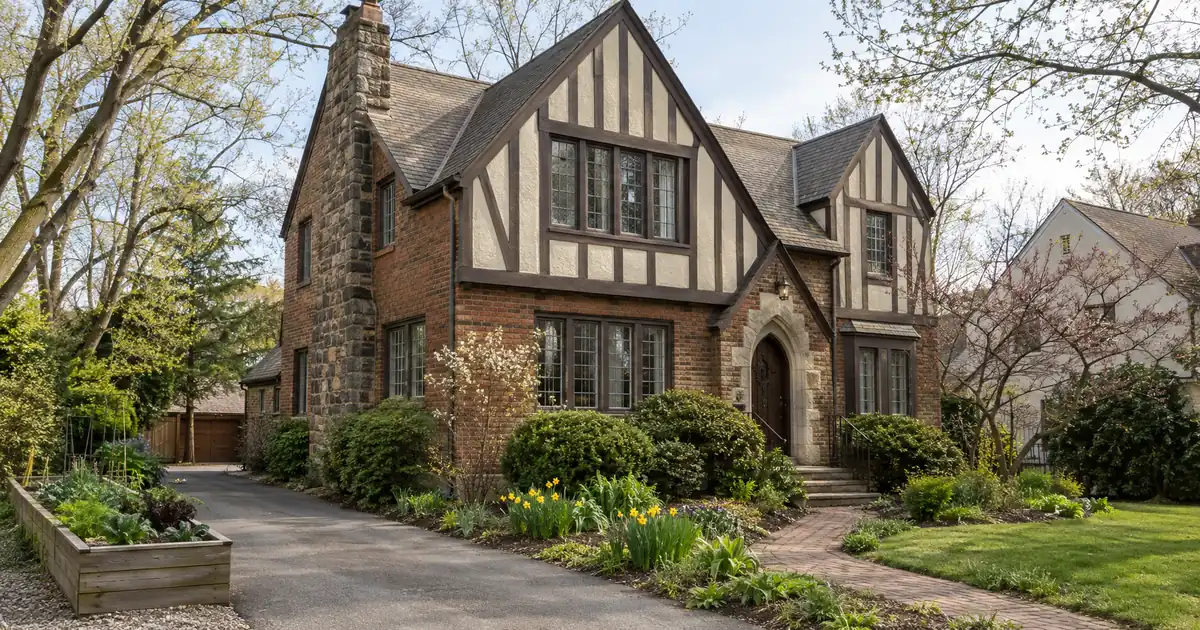
The Quick Read: Building the package means proving the rent on the property, not proving your paycheck. You assemble a signed lease, evidence the rent is actually paid, and a clean rent schedule, and the lender’s appraiser supplies a market-rent opinion to check them against. Lenders qualify the file primarily on property-level rental income covering the payment, subject to lender guidelines.
- Start with the executed lease: both signatures, rent, term, and the property address.
- Add proof the rent arrives, such as deposits or management statements.
- Expect the lender to compare your lease with the appraiser’s market rent. Many programs use the lower of the two.
- Multi-unit buildings need a unit-by-unit rent roll that matches every lease.
- Every name, unit label, and rent figure must agree across documents.
A tenant in place does not guarantee approval. It gives underwriting something to test. This guide walks through what goes in the folder, in what order, and where files tend to stall. For the bigger picture on how these loans work, see the complete DSCR loans guide.
What Is Underwriting Actually Testing?
Underwriting is testing one thing: does the property’s rent credibly cover its full monthly obligation? That obligation is principal, interest, taxes, insurance, and any HOA dues, together called PITIA. The DSCR (debt service coverage ratio) is monthly rent divided by that number. A ratio of 1.20 means the rent covers the obligation with room to spare.
Across the wholesale network of lenders Lendmire works with, 1.00 is where select programs start. Stronger coverage opens better pricing and leverage. A separate select-lender path takes coverage below 1.00, with leverage and terms adjusted. Either way, the lender needs to believe the rent number, and your documents are how you earn that belief.
One caution before going further. Clearing 1.00 is not the same as positive cash flow. The ratio compares rent to PITIA only. Repairs, vacancy, management, utilities, and capital expenses sit outside it.
DSCR loans are designed for non-owner-occupied investment properties. Because they are business-purpose investor loans, they are reviewed differently from a standard owner-occupied mortgage. You skip W-2s and traditional personal-income documentation. You do not skip documents. Credit, assets, reserves, entity papers, insurance, and the appraisal are all reviewed.
What Goes in the Folder, in Order
Assemble the package in the order an underwriter reads it. Here is the sequence, with the reason each piece is there.
1. Executed lease. It proves a tenant, a rent, and a term.
2. Amendments and renewals. They prove the lease is current.
3. Proof of rent paid. It proves the money actually arrives.
4. Rent roll (2-4 units). It ties every unit’s lease together on one page.
5. Entity documents (if borrowing through an LLC). They show who the landlord is. Eligibility for LLC borrowers is subject to program terms.
6. Insurance and purchase contract or current mortgage statement. They anchor the property and the transaction.
7. Cover sheet. One page listing every item, so nothing gets lost.
The lender, not you, orders the appraisal, the appraisal review, and title. Do not spend time chasing those.
Here is how the package changes by situation.
| Situation | Rent evidence | Core documents |
|---|---|---|
| Single unit, current lease | Lease plus proof of payment | Lease, deposits |
| 2-4 units | Lease per unit plus rent roll | Leases, rent roll, deposits |
| Month-to-month or expired | Old lease plus payment records | Expired lease, receipts |
| Newly signed lease | Lease plus deposit record | Lease, first payment |
| Vacant or between tenants | Appraiser’s market rent | Appraisal rent schedule |
| Partly vacant building | Leases plus market rent for empty units | Rent roll flagging vacancies |
How Does the Lease Pass the Acceptance Test?
A lease passes when it is signed by both parties, current, and clear on rent, term, and property address. Underwriters cannot lean on a document they have to interpret. Think of it as a pass-fail check, and fix defects before the file opens.
| Defect | Effect on the file | Fix |
|---|---|---|
| Missing signature | Lender may not credit the lease | Get the signed copy |
| Expired term | Treated as month-to-month | Add receipts, or renew |
| Wrong landlord name | Mismatch with title or entity | Assignment or corrected lease |
| Unsigned renewal | Rent change unproven | Get it signed |
| Verbal or informal deal | Little weight | Sign a written lease |
| Rent bump not agreed in writing | Rent figure is disputed | Remove it or document it |
Include every amendment. A rent change buried in an email chain will not help you, and it can hurt if it conflicts with the rent schedule. A common condition is a lease that does not match the rent schedule, which is why consistency matters more than polish.
Never alter a lease, backdate a renewal, or pad the rent. An inflated lease, such as a rent bump signed just before the loan, is exactly what the lower-of check is built to catch. It also puts the whole file at risk.
How Do You Prove the Rent Is Actually Paid?
Show deposits. Bank statements with the rent arriving are the most common proof, and underwriters often want it because a lease only shows what was promised. Treat this as common practice, not a universal rule, since requirements vary by lender.
Ranked from strongest to weakest, the usual evidence looks like this:
- Bank statements showing deposits that match the lease rent.
- Property-management statements showing rent collected and remitted.
- Rent-platform reports or ledgers, with matching deposits behind them.
- Receipts, which are the weakest option and work best as backup.
Cash and off-platform payments are the trouble spot. If the tenant pays cash, deposit it, and keep deposits traceable. If the tenant has been paying the prior owner or a manager, collect their ledger. On a purchase, the seller’s records are your records until closing.
Property managers add one more layer. They often hold the leases and the payment history, not you. Ask for copies early. A manager who needs a week to find a lease can stall your package, even when the property is fine.
Lenders may also contact the tenant to verify the lease. Tell your tenant that a call or message may come. A tenant who ignores the lender’s outreach can create a condition you did not expect.
How Does the Lease Interact With the Appraiser’s Rent?
The appraiser gives a second opinion on rent, and underwriting reconciles it with your lease. Many programs use the lower of the lease rent and the appraiser’s market rent. A good lease does not raise your qualifying income above market.
The appraiser reports market rent on a standard form. For a single-family property, that is Form 1007, the comparable rent schedule. It captures lease terms such as rent, lease start, and lease expiry for comparables, plus concessions and a vacancy comment. Fannie Mae’s forms list carries the form under that title. For 2-4 units, the matching report is Form 1025. These agencies do not govern DSCR loans. Lenders simply borrow their forms.
For contrast, an FHA-insured program handles proposed rent differently. HUD Mortgagee Letter 2023-17 calls for the appraisal plus the rent schedule showing fair market rent and, if available, the prospective leases. DSCR loans work differently: they qualify primarily on property-level rental income covering the payment, subject to lender guidelines.
Here is how the lower-of logic usually plays out.
| Situation | Rent that usually drives the file |
|---|---|
| Lease above market | Appraiser’s market rent |
| Lease below market | The lease |
| Month-to-month or expired | Market rent, lease as support |
| Vacant | Market rent alone |
Run it as a thought experiment. Say your lease implies coverage of about 1.30x, but the appraiser’s market rent implies about 1.15x. The file qualifies at roughly 1.15x. Flip it, with a legacy lease below market, and the lease sets the ratio. A below-market legacy lease can drag coverage down, so renewing at market before applying may help if the tenant agrees. Lender guidelines differ, so confirm how your program reconciles the two.
How Do You Document a Multi-Unit Building?
Provide a lease for every occupied unit, then a rent roll that ties them together. A rent roll is a one-page schedule listing each unit, tenant, rent, and lease dates. Underwriters read it first, so every row must match a lease.
A clean layout looks like this:
| Unit | Tenant status | Monthly rent | Lease start | Lease end | Notes |
|---|---|---|---|---|---|
| 1 | Occupied | Per lease | Per lease | Per lease | Current |
| 2 | Month-to-month | Per lease | Per lease | Expired | Receipts attached |
| 3 | Occupied | Per lease | Per lease | Per lease | Renewal signed |
| 4 | Vacant, rent-ready | Market rent | n/a | n/a | Listed for rent |
Flag the messy units yourself. If one lease is expiring or one unit is empty, say so on the roll. Underwriters find problems anyway, and a file that discloses them reads as organized instead of evasive.
What If the Tenancy Is Messy?
Each special case needs its own evidence path.
Month-to-month. The file typically carries the expired lease plus recent rent receipts or deposits. Market rent often drives the number, with the lease as support. Month-to-month does not disqualify a property. It just shifts weight to the appraisal.
Expired lease. Treat it like month-to-month, or renew. A renewal at market, signed before applying, is the cleanest fix.
Newly signed lease. Include the lease and the first deposit or security-deposit record. Your payment history is short, so the lender leans harder on market rent.
Vacant property. On a purchase, many lenders will underwrite a rent-ready vacant property from the Form 1007 market rent with no lease. Some add a condition requiring a lease before or after closing, so ask early. Refinances tend to draw more conditions.
Short-term rentals. These document differently, using platform history or an appraisal-based analysis instead of a lease. Across the network, short-term-rental purchases go up to 75% LTV, refinances run around 70%, and cash-out tops out at 70%, with a 640+ score and about 12 months of hosting history expected, subject to lender guidelines.
Who Supplies What on a Purchase Versus a Refinance?
On a purchase, the seller holds most of your documents. On a refinance, you hold them. That difference decides when to start.
For a purchase of a leased property, request the leases, rent roll, deposit records, and tenant ledger during due diligence, before the loan file opens. A seller who can hand over a clean set smooths the whole file. A seller who cannot may leave you scrambling.
Across the network, purchases typically land at 75%-80% LTV on investment property, and select high-leverage programs reach 85% LTV with roughly a 700+ score. Cash-out refinances top out around 75% LTV on a standard rental, with about 6 months of seasoning as the common expectation. Seasoning is the waiting period between buying a property and refinancing it.
On a refinance, add your current mortgage statement and proof you own the property. If you are pulling cash out, lenders may also ask for receipts on recent rehab work. Our piece Can You Renovate a Tenant-Occupied Rental With Cash-Out Proceeds? covers that angle.
The Companion Documents
These sit beside the lease. Keep them short and consistent.
- Insurance. A landlord or rental-dwelling policy matching the property and borrower name.
- Entity papers. For LLC borrowers, expect a good standing certificate, formation documents, and an operating agreement, subject to program eligibility.
- Reserves evidence. Reserves are liquid funds the lender wants you to hold after closing. They vary by lender, leverage, loan size, and transaction type. About 6 months of PITIA is common, and loans above $1,500,000 typically step up to about 9 months.
- Credit. A 620 floor exists in parts of the network, most programs want around 660, and 700+ unlocks the strongest leverage tiers.
Occupancy is the other must-match item. These are investment-property loans, so the borrower cannot live there. Every occupancy statement has to match the facts.
Not every property fits. Manufactured homes, log homes, and barndominiums are not offered in these DSCR programs, tenant or no tenant.
The Cross-Document Check
Most stalls come from mismatches, not missing papers. Before you submit, line up the documents side by side.
| Item | Must match across |
|---|---|
| Landlord name | Lease, title, entity papers, insurance |
| Unit labels | Leases, rent roll, appraisal |
| Rent amount | Lease, rent roll, deposits |
| Lease dates | Lease, rent roll |
| Occupancy | Application, appraisal, lease |
If the lease says one landlord and the entity papers say another, the underwriter stops and asks. Every question adds a condition. Spend an hour on this check and you save back-and-forth later.
Mistakes That Slow Files
- Submitting an unsigned or expired lease with no explanation.
- Sending a lease for one rent and deposits showing another.
- Padding the rent or adding an unwritten increase.
- Leaving the property manager out of the loop.
- Forgetting to prepare the tenant for a verification call.
- Assuming a good lease overrides a lower appraisal.
Another source of confusion is the idea that more documents always help. They do not. A clear, matched package beats a thick, contradictory one.
What Gets Gathered When?
Start before you apply. Pull the lease, deposits, and rent roll first, since they take the longest to chase. Then collect entity, insurance, and statements. Run the cross-document check last. Build the cover sheet as you go, listing each item in the order above.
Key Terms Defined
- Executed lease: a rental agreement signed by both landlord and tenant.
- Rent roll: a schedule listing every unit, tenant, rent, and lease date.
- Form 1007 / Form 1025: appraiser rent schedules for single-family and 2-4 unit properties.
- Lower-of rule: using whichever is smaller, the lease rent or the market rent.
- PITIA: principal, interest, taxes, insurance, and association dues.
- Seasoning: the waiting period between buying a property and refinancing it.
Frequently Asked Questions
Does a month-to-month tenant hurt my application?
Not by itself. The file typically carries the expired lease plus rent receipts or deposits, and market rent often drives the number. Renewing at market before applying can simplify things if the tenant agrees.
Do I need to remove the tenant before closing?
No. These are investment-property loans, and a tenant in place is normal. The borrower cannot occupy the property, though, so occupancy statements must match the facts.
Does a lease above market rent help my ratio?
Usually not. Many programs use the lower of the lease and the appraiser’s market rent, so an above-market lease gets capped at market. A lease below market can pull the ratio down.
What if there is no lease at all?
On a purchase, many lenders will underwrite a rent-ready vacant property from the appraiser’s market rent. Some still add a condition for a lease before or after closing. Refinances tend to draw more conditions, subject to lender guidelines.
Does a signed lease alone prove my income?
No. Underwriters often want proof the rent is paid, such as deposits or management statements. A lease shows what was promised. Deposits show what happened.
If you are buying or refinancing a rental property and want to see how the numbers work, Lendmire can help you compare DSCR loan options based on the property income, credit profile, leverage, and investor goals. Tax treatment varies; consult a qualified professional.
About Lendmire
Lendmire — NMLS# 2371349 — is a DSCR and non-QM mortgage brokerage with investor loan programs in 41 markets, including Washington, D.C. DSCR eligibility is commonly reviewed by the lender around property-level rent rather than personal income documentation, subject to lender guidelines, and the brokerage helps arrange financing for LLC-owned portfolios beyond conventional financed-property limits. Recognized by Scotsman Guide as a Top Mortgage Workplace in 2025 and 2026.
Get Started
Ready to find the right loan for you?
In about 30 seconds you can review financing options available for your investment property. No commitment required.
Informational only. Not a Loan Estimate, approval, or commitment to lend. Program availability and eligibility are subject to lender guidelines, credit approval, property review, and underwriting.
References
1. Fannie Mae Selling & Servicing Guide Forms
2. HUD
This article is part of Lendmire’s DSCR loan program — full qualification details, guidelines, and scenarios live on the program page.
Related reading: Recourse vs Non-Recourse DSCR Portfolio Loan for a Rental Owner · How to Finance a High-End Single-Family Rental With a DSCR Loan · How to Finance a Beachfront Rental With a DSCR Loan
Brandon Miller
Founder & CEO, Mortgage Loan Originator, Lendmire LLC
- Mortgage Loan Originator · NMLS# 1129696 · Verify on NMLS Consumer Access
- North Carolina Real Estate Broker · License# 343312 · Verify on NCREC
- North Carolina Insurance Producer · License# 19053198 · Property, Casualty, Life, Health · Verify on NAIC SBS
- Lendmire LLC · Firm NMLS# 2371349 · Verify firm licensure
Legal disclosures. Lendmire (NMLS# 2371349) is a state-licensed mortgage brokerage that arranges financing through wholesale lender relationships. Lendmire is not a direct lender, depository institution, or registered financial advisor. The discussion above is general informational content about real estate financing — it is not financial, legal, or tax advice, and readers should consult licensed professionals for guidance on their individual circumstances. Loan inquiries are subject to lender underwriting; this article does not represent a commitment to lend. Loan terms, rates, and qualification standards vary by borrower, property, and state, and are subject to change at any time. Equal Housing Opportunity. NMLS Consumer Access: nmlsconsumeraccess.org.