
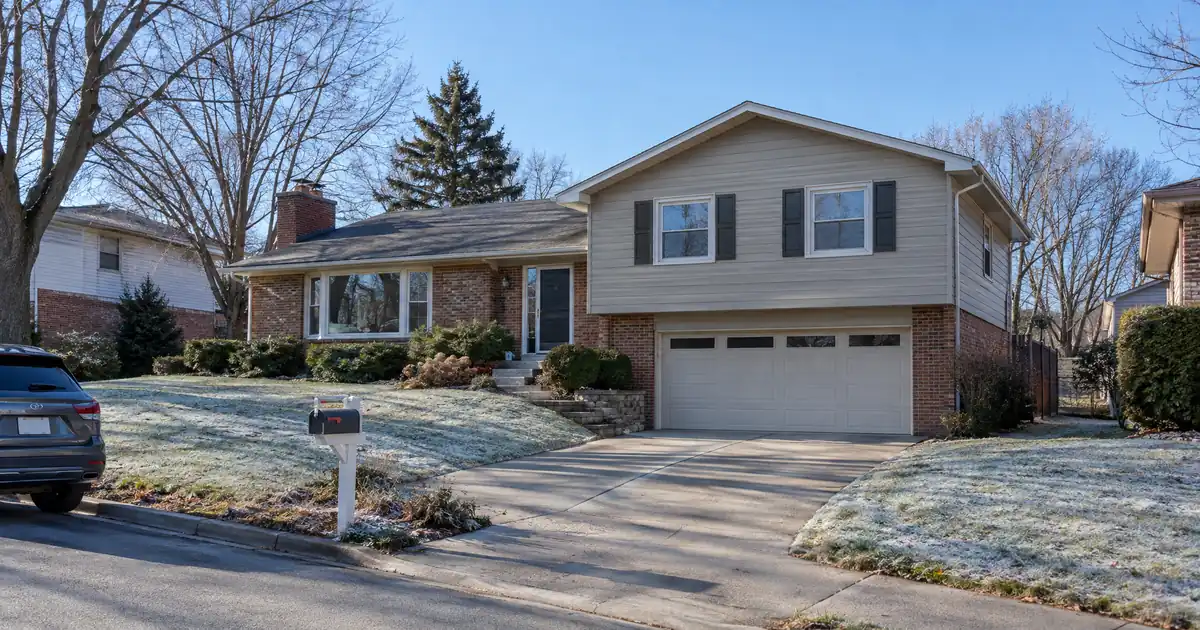
The Quick Read: Deferred maintenance rarely raises the reserve number on its own, but it competes for the same cash. On a blanket loan, one weak property can hold up the whole pool. On individual loans, the problem stays with that one file.
- Reserves are liquid cash held after closing, measured in months of the full monthly obligation (principal, interest, taxes, insurance, and any HOA dues). On most files in our wholesale network that means about 6 months, stepping up to about 9 months on loans above $1,500,000, subject to lender guidelines.
- Reserves cushion the payment during vacancy or turnover. They are not a repair budget.
- A property with obvious deferred maintenance usually has to be repaired before closing. Most standard programs want the property rent-ready.
- Individual loans isolate risk. A blanket loan, per published industry norms, trades that isolation for one closing and one payment.
- Reserve testing on a blanket is program-specific, so confirm it against the guidelines before you choose a structure.
Here is the honest answer on who each option is for. Individual loans suit investors with mixed-condition or value-add properties, because a repair problem on one house cannot drag down the others. A blanket loan suits investors with stabilized, similar, long-hold properties who want one closing and one payment. If one property in your group needs real work, individual loans are usually the cleaner path. Neither structure removes the repair bill.
Key Terms Defined
Reserves are documented liquid assets you hold after closing, counted in months of the full monthly obligation.
PITIA is principal, interest, taxes, insurance, and association dues. It is the payment reserves are measured against.
Deferred maintenance is upkeep that was put off. Think worn roofing, tired HVAC, or failing finishes.
Blanket (portfolio) loan is one loan secured by several properties at once. The term is also used loosely, as we cover below.
Cross-collateralization means each property backs the whole loan, not just its own share.
Release clause is a contract term that lets you sell one pledged property after paying down a set amount, while the loan stays on the rest.
How Deferred Maintenance Enters the File
The appraiser is the one who flags it. Each property gets its own valuation and condition rating, and that holds even when several properties sit under one loan.
Appraisers use a C1 through C6 condition scale. McKissock Learning explains that the scale carries over to the newer appraisal form, and that condition is now captured by component rather than as one grade for the whole house. Wear, deterioration, and inoperative systems must show up in the rating.
In plain terms, the middle and lower grades look like this:
- C4: minor deferred maintenance from normal wear. Major components still work.
- C5: obvious deferred maintenance and some significant repairs needed, though still usable as a residence.
- C6: damage or neglect severe enough to affect safety, soundness, or structure.
Minor deferred maintenance is common among rentals. Restb.ai analyzed a large set of properties bought by a large institutional investor and found that a substantial share were rated C4. That is institutional data, so read it as context, not as a DSCR eligibility rule. It does show that a little deferred maintenance is normal in rental acquisitions.
Where the cutoff sits is program-specific. Across our network, a property with significant deferred maintenance generally has to be repaired and documented before closing. Most standard DSCR programs want a rent-ready property, though a few select lenders may allow repair conditions or holdbacks. A rating at the C5 or C6 end is where files most often stall. Manufactured homes, log homes, and barndominiums are not offered in the network’s DSCR programs, whatever their condition.
Side-by-Side
The individual column reflects the typical parameters we see across the wholesale network. The portfolio column shows published industry norms for blanket loans, which vary by lender. Our network places both structures.
| Factor | Individual DSCR loans | Portfolio (blanket) loans |
|---|---|---|
| Review basis | Each property’s rent vs. its payment | Often pooled rent vs. pooled payment |
| Documentation | One file per property | One larger file covering the pool |
| Property types | Per-property eligibility | Per-property eligibility still applies |
| Entity vesting | Own entity per property is common | Several entities may share one note, per program |
| Reserve testing | Per loan, about 6 months PITIA typical | Program-specific: per property or pooled |
| One weak property | Affects only that loan | Can delay or complicate the whole closing |
| Selling one property | Pay off that loan | Needs a release clause and a release payment |
| Default exposure | Separate liens | Cross-collateralized pool |
Entity structure, including LLC vesting, is subject to program terms, so confirm it before you apply.
Reserves and Repair Money Are Different Dollars
This is where investors get tripped up. Reserves exist to cover the payment if a unit sits empty. They do not pay for a new roof.
Repair costs are generally not counted toward reserves. Money you spend on repairs also leaves your account, which lowers the liquidity you can show. So if you plan to fix a property before closing, count the repair spend first, then ask whether what remains still covers the reserve requirement.
Think of it as two buckets. One bucket funds the work. The other proves you can carry the property through a bad stretch. A lender looking at your statements wants to see the second bucket intact after the first one is spent.
Documentation is straightforward. Expect recent bank statements for the reserve accounts. Retirement and brokerage balances are often accepted, sometimes at a discount, depending on the program. For repair items, keep contractor invoices, receipts, photos, permits, and a completion sign-off.
When Individual DSCR Loans Are the Better Fit
Choose individual loans when your properties differ in condition. Each house stands on its own rent, its own appraisal, and its own condition findings.
Picture an investor with a stabilized duplex, a clean single-family rental, and a third house that needs a roof and some interior work. On separate notes, the first two can close while the third is repaired and re-inspected. Nothing about the weak house touches the other files.
Individual loans also keep your exit simple. Sell a property and you pay off that loan. No release schedule, no post-release coverage retest on the survivors.
Other situations favor this route:
- Value-add portfolios. Staging repairs one property at a time keeps your cash from being tied up in a single closing.
- Mixed leverage needs. Purchase leverage typically runs 75% to 80% LTV on most files, and select high-leverage programs reach 85% with roughly a 700 or better score. Cash-out refinances on standard rentals top out around 75% LTV. Separate loans let each property use the tier that fits it.
- Different credit or coverage profiles. A coverage ratio of 1.00 is where many select programs start, and stronger ratios open better terms. A separate select-lender path takes coverage below 1.00, with leverage and terms adjusted. Either way, a property that clears on its own does not need a stronger neighbor to carry it.
The cost is paperwork. More loans means more files, and each carries its own reserve expectation. If the same cash backs several notes, the total adds up, so plan the combined liquidity honestly.
When a Portfolio Loan Is the Better Fit
A blanket loan fits stabilized, uniform, long-hold groups. The main downside is that a default can put every pledged property at risk.
Say you own several similar rentals, all in solid shape, all leased. Folding them under one note means one closing process and one monthly payment to track. If the properties are alike, pooled coverage tends to look steady and the paperwork is lighter.
Here is the catch with deferred maintenance. Pooled coverage can carry a property whose rent would be thin alone. It does not waive condition. Each property is still tested for condition, and a C5-type house has to be repaired before closing or dropped from the pool. Many investors assume the strong properties vouch for the weak one. They vouch for the coverage number, not the roof.
A single deficient property can also hold up the closing for the entire pool. Underwriters generally clear conditions across the group, so one open repair item can keep everything waiting.
Reserve testing on a blanket is the murkiest piece. Some programs test per property, some on the pooled payment, and some as a share of the balance. We know of no universal rule, so pull the actual guidelines before committing. Release terms deserve the same scrutiny. A release clause exists only if it is written into the note, and the price and the coverage retest afterward are lender-specific.
One more word on the term itself. Portfolio gets used loosely. It can mean a true blanket on one note, a batch of separate loans closed together, or a lender holding loans on its own books. Only the first is cross-collateralized. Ask which one is on the table.
A Mixed-Condition Scenario, Run Both Ways
Run the numbers on five rentals. These are modeled assumptions, not market data. Four are in good shape and clear coverage near 1.2x each. The fifth has obvious deferred maintenance and, at current rents, sits just under 1.00x.
As individual loans: the four clean properties proceed on their own files. The fifth is repaired, re-inspected, and documented, then closes when its condition requirements are cleared. If the repair runs long, only that file waits. Because that fifth house sits under 1.00x, it would need a select-lender path for sub-1.00 coverage, with leverage and terms adjusted. The file is reviewed subject to lender guidelines.
As one blanket: pooled coverage may look healthy, perhaps near 1.15x. The fifth property still must meet condition eligibility. If repairs are not finished, the lender may require them before closing or remove that property, which changes the pool. Either way, the closing for all five can sit behind one house.
Neither path is wrong. The question is whether you would rather coordinate five separate files or risk one shared timeline.
Reserves follow the same split. On individual loans, you document reserves for each file, and cash spent on the fifth house’s repairs lowers what you can show for all of them. On a blanket, one pooled reserve test may apply, with the same repair drain on the same account. Plan liquidity beyond the minimum when repairs are pending (the minimum is a floor, not a plan).
What the DSCR Number Does and Does Not Tell You
Clearing 1.00x means rent covers the payment. It does not mean you have positive cash flow. Repairs, vacancy, management, utilities, and capital expenses all sit outside the calculation.
That matters here because a property with deferred maintenance can look fine on coverage while demanding real money to fix. A bigger down payment can lower the payment and lift the ratio. It does not erase leverage caps, credit floors, reserve rules, or property eligibility. The strongest files clear both tests: enough equity and enough rental coverage.
For the mechanics behind these ratios and tiers, see the complete DSCR loans guide. Credit floors vary across the network: a 620 floor exists in parts of it, most programs want around 660, and 700 or better unlocks the strongest leverage tiers. Standard programs run up to $3,000,000.
A Decision Framework by Portfolio Profile
- All properties in good condition, uniform, long hold: a blanket may fit, if you can live with cross-default risk and a priced release clause.
- Mixed condition: individual loans, so repairs on one house stay on one file.
- Heavy deferred maintenance across several properties: repair first, then finance. Simultaneous repair needs drain the same cash that proves your reserves.
- Plan to sell one or two soon: individual loans, since a payoff beats a release negotiation.
- Tight liquidity: stagger closings if you can, and document what remains after repairs.
Before you apply, gather appraisal-ready information for each property: leases, repair invoices, permits, completion sign-offs, and two months of statements for the reserve accounts. Entity documents and signer authority go in early.
The Verdict
Individual loans are the safer default when condition varies, because they keep one repair problem from becoming everyone’s problem. A blanket earns its place when properties are uniform and stable and the convenience of one note outweighs the cross-default exposure. In both cases, reserves protect the payment while repair funds protect the property. Keep them in separate buckets and size each one honestly.
Frequently Asked Questions
Does deferred maintenance increase my reserve requirement?
Not directly, in most programs we see. Reserves are sized by loan amount, leverage, and transaction type, commonly about 6 months of PITIA and about 9 months above $1,500,000. The bigger effect is indirect. Repairs drain the cash you would otherwise show, and a flagged property may need cure before closing at all.
Can my reserves double as my repair fund?
No, plan them as separate money. Reserves cushion the payment during vacancy or turnover. Cash spent on repairs leaves your account, so the balance left after repairs is what has to cover the requirement.
Can a blanket loan carry one property that needs repairs?
Pooled coverage can absorb a property with thin rent, but condition eligibility is still checked per property. A house with significant deferred maintenance generally has to be repaired before closing or removed from the pool. That is practitioner experience across programs, and the specifics depend on the lender.
Are reserves tested per property or on the whole pool for a blanket?
It depends on the program. Published industry norms show per-property testing, pooled testing, and balance-based testing, so there is no single answer. Get the written guideline for the specific lender before you pick a structure.
Is the condition rating one number for the whole property?
Not anymore. As McKissock Learning explains, the rating is now built from component ratings. A strong exterior does not hide a failing system.
Next Step
If you are buying or refinancing a rental property and want to see how the numbers work, Lendmire can help you compare DSCR loan options based on the property income, credit profile, leverage, and investor goals. Lendmire is a broker arranging financing through select lenders in its wholesale network, with DSCR programs in 41 markets, including Washington, D.C. Program terms are subject to lender guidelines, and nothing here is a commitment to lend.
About Lendmire
Lendmire (NMLS# 2371349) is a mortgage brokerage focused on DSCR investor financing, helping arrange programs through wholesale and investor-lending channels in 41 markets, including Washington, D.C. DSCR loans are evaluated by the lender on property cash flow rather than personal income, subject to lender guidelines, supporting LLC closings and accommodating investors with four or more financed properties. Scotsman Guide Top Mortgage Workplace in both 2025 and 2026.
Get Started
Ready to find the right loan for you?
In about 30 seconds you can review financing options available for your investment property. No commitment required.
Informational only. Not a Loan Estimate, approval, or commitment to lend. Program availability and eligibility are subject to lender guidelines, credit approval, property review, and underwriting.
References
1. McKissock Learning, Understanding Appraisal Condition Ratings C1 to C6
2. Restb.ai, UAD Condition Ratings: What C1-C6 Actually Mean
This article is part of Lendmire’s DSCR loan program — full qualification details, guidelines, and scenarios live on the program page.
Related reading: Can a Rental Portfolio in One Small Market Get a DSCR Portfolio Loan? · Can an Investor With 10+ Doors in LLCs Get a DSCR Portfolio Loan? · How to Prepare Guarantor Credit for a Portfolio DSCR Loan
Brandon Miller
Founder & CEO, Mortgage Loan Originator, Lendmire LLC
- Mortgage Loan Originator · NMLS# 1129696 · Verify on NMLS Consumer Access
- North Carolina Real Estate Broker · License# 343312 · Verify on NCREC
- North Carolina Insurance Producer · License# 19053198 · Property, Casualty, Life, Health · Verify on NAIC SBS
- Lendmire LLC · Firm NMLS# 2371349 · Verify firm licensure
Legal disclosures. Lendmire (NMLS# 2371349) is a state-licensed mortgage brokerage that arranges financing through wholesale lender relationships. Lendmire is not a direct lender, depository institution, or registered financial advisor. The discussion above is general informational content about real estate financing — it is not financial, legal, or tax advice, and readers should consult licensed professionals for guidance on their individual circumstances. Loan inquiries are subject to lender underwriting; this article does not represent a commitment to lend. Loan terms, rates, and qualification standards vary by borrower, property, and state, and are subject to change at any time. Equal Housing Opportunity. NMLS Consumer Access: nmlsconsumeraccess.org.