
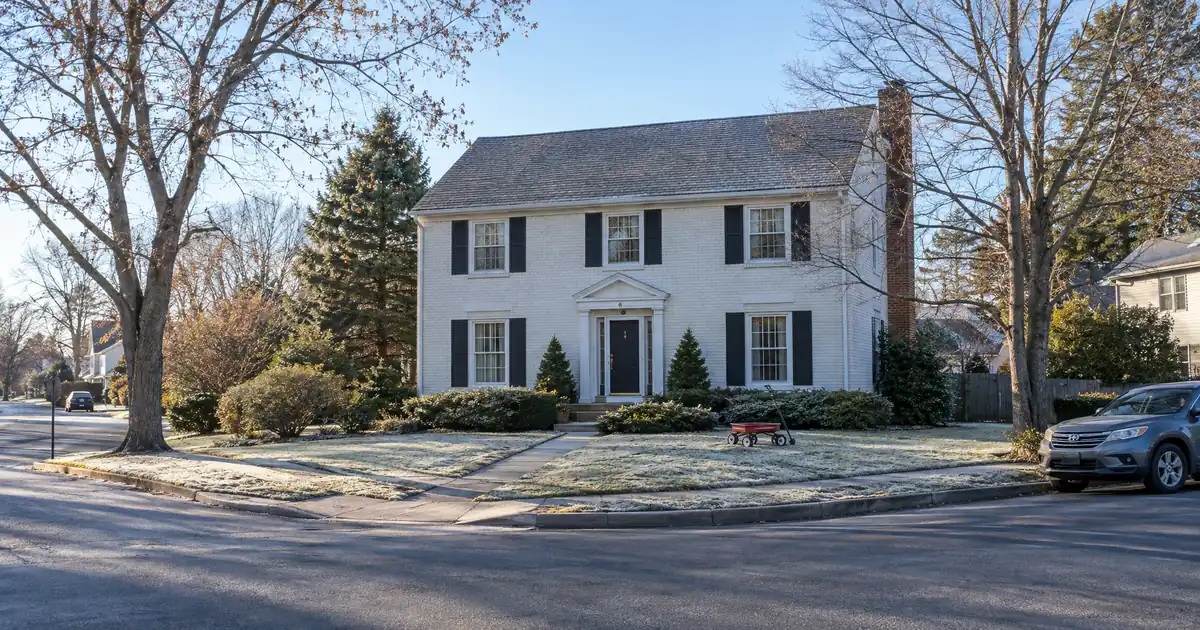
The Quick Read: Generally no. A DSCR portfolio loan is underwritten as a finished rental, not a renovation loan, so most programs in a wholesale network carry no built-in repair holdback, and a house’s age is not what blocks funding. Its appraised condition is, along with whether it can be insured and rented on closing day.
- Age alone does not disqualify a house. Honest, working condition does not get penalized for being old.
- Major repairs usually have to be finished before closing, not funded afterward.
- A portfolio loan pools the rent coverage, but each house still gets its own appraisal and condition review.
- A few lenders may consider very minor holdbacks case by case. Do not build a purchase around that.
- When a house fails on condition, the usual path is bridge or hard money first, then a DSCR refinance.
Why Doesn’t a DSCR Loan Hold Back Repair Money?
A DSCR loan is reviewed on property-level rental income covering the payment, subject to lender guidelines. That logic needs a property that can produce rent now. A holdback says “fund today, finish the house later.” The income test says the house must already earn.
Picture a house with no working heat or an active roof leak. A tenant cannot move in. With no tenant, there is no lease. An appraiser cannot defend a market rent on a home like that either. So the lender has nothing to measure.
Renovation products work the other way. They fund a purchase plus a repair budget and hold the repair money back. Government-insured programs are the clearest example. HUD says its 203(k) program places the remaining loan funds in an escrow account that is released when the rehabilitation is complete. The FDIC’s lending guide describes that program as built for homebuyers, current homeowners, and nonprofit organizations. It is an owner-occupant tool. It does not apply to investor rentals.
DSCR loans are designed for non-owner-occupied investment properties. Because they are business-purpose investor loans, they are reviewed differently from a standard owner-occupied mortgage. That includes how repairs are handled.
How Holdbacks Compare Across Loan Types
| Loan type | Repair money held back? | Built for |
|---|---|---|
| Owner-occupant renovation loan | Yes, escrowed until work is done | Owner-occupants |
| Bridge or hard money loan | Often, as rehab draws | Buy-and-fix investors |
| DSCR loan, single property | Generally no | Rent-ready rentals |
| DSCR portfolio loan | Generally no | Several rent-ready rentals |
Across the lenders in a wholesale network, the pattern is consistent. The DSCR products are built for stabilized rentals. The renovation money comes from a different product, earlier in the plan.
Does an Older House Fail Just Because It Is Old?
No. Year built is not the test. Appraised condition is.
Appraisers rate condition on a standard scale. The Freddie Mac condition and quality definitions describe a C4 home as one with some periodic updating, most components near mid-life, and common deferred maintenance that is apparent but has no immediate impact. Its examples include worn floor finishes and kitchens or baths that are dated but fully functional. A 1950s house in that shape is a normal DSCR candidate.
The same document describes C5 as significant wear from inadequate maintenance, though soundness and structural integrity still support occupancy. Practitioners generally treat the C5 and C6 range as the point where DSCR financing waits until the work is done. Exact cutoffs vary by lender, which is why a broker who sees many programs matters.
To be clear, the Freddie Mac document is only an appraisal yardstick. DSCR loan terms do not come from it. Leverage, credit, and reserves come from the lender’s own program.
Cosmetic, borderline, or disqualifying
Here is how older-house items usually sort out. Treat the middle column as case by case.
| Item | Usually fine as-is | Case by case | Usually must be fixed first |
|---|---|---|---|
| Interior finishes | Worn paint, dated floors, older fixtures | None | None |
| Roof | Aging with life left | Near end of life | Active leaks |
| HVAC | Older unit, running | Failing soon | No working heat or cooling |
| Electrical | Older but safe panel | Outdated components | Exposed wiring |
| Plumbing | Dated but working | Aging lines | Active leaks |
| Safety items | None | None | Missing detectors, broken windows, mold |
| Structure | None | None | Foundation or framing problems |
The “case by case” calls reflect underwriter and carrier judgment. They are not fixed rules.
Insurance Is the Second Gate
Old roofs and aging systems often decide the outcome through the insurance carrier instead of the appraiser. Most DSCR lenders need coverage in force by closing. Older roofs can bring extra carrier steps, higher deductibles, or a refusal to write the policy at all.
Insurance also hits the math. The DSCR compares rent to PITIA, which stands for principal, interest, taxes, insurance, and any association dues. A higher premium on an older house raises PITIA and lowers coverage. So a house can look fine on rent and still slide on the ratio once the real quote arrives.
The practical move is simple. Get an insurance quote early, and ask the agent about roof age and electrical before you go under contract. Budget for taxes and insurance, which vary by county, and keep moving.
What If the Appraiser Lists Repairs?
An appraiser can note repair items on the report. What happens next depends on what is listed.
Light items are noted and the deal works on. Safety or habitability items, such as missing smoke detectors, broken windows, mold, or a damaged roof, can require a completion check before funding. That check is a completion or re-inspection report confirming the work was done.
Here is the key point. Most DSCR programs do not accept an appraisal made “subject to” future repairs. The property needs to be rentable as it sits. The cure happens before the file funds, not after.
So the order is: appraiser flags, you or the seller fix it, the item is verified, and then the deal works. It can add delay and out-of-pocket cost. Plan the cash for that.
Is Any Holdback Ever Possible?
Rarely. A handful of lenders in a wide network may consider a very minor holdback case by case. It is an exception, not a feature.
Some online pages describe repair holdbacks as routine. That is lender-dependent, and it does not describe the typical DSCR file. Even agency-style products that do allow holdbacks keep them to small items. MassHousing’s escrow holdback guidelines say holdbacks are not allowed for structural repairs, foundation work, septic repairs, and roofs. That is a conventional product, shown here as contrast only. The same pattern holds in DSCR: the bigger the repair, the less likely it can wait.
This is a genuine split between lenders. Where a holdback exists, it covers minor work with a short completion window. Where it does not, the house has to be ready. Since you cannot know in advance which kind of lender will take your file, the safe plan assumes no holdback.
How Does a Portfolio Loan Change the Answer?
It changes the coverage math, not the condition standard.
On a portfolio DSCR loan, you can put roughly 2 to 20 properties under one note. Loan size runs about $300,000 to $5,000,000 on the 30-year structure, with leverage up to 80% of value on a purchase or a rate-and-term refinance, subject to lender guidelines. The coverage floor of 1.00 is measured on the pool. Pooled rent is compared to pooled debt service, so stronger properties can offset weaker ones.
That blending applies to income. It does not waive condition. Every house still needs a lease or an appraiser-supported market rent. The lender looks at value, condition, and rent one property at a time before blending anything.
A strong pool does not hide a bad house. A house that is unrentable on closing day is not made eligible by its neighbors. If one rental sits below 1.00 coverage inside the pool, underwriting tests the pooled coverage, the leverage, and the terms, subject to underwriting.
Whether one weak-condition house can ride along in a mixed pool is lender-specific. It is not a rule to count on.
A note on the word “portfolio”
People use “portfolio” loosely. A true blanket loan is one note securing all the properties. A lender that holds loans on its own books may instead write separate notes, which lets you pay off one loan to sell a property. If your question is about a lender’s balance-sheet program, hold-back practices can differ, and the file has to be confirmed with the specific lender. On a blanket, partial releases, substitutions, and the sale of one property follow the loan documents. The release price runs above the property’s allocated balance, and the remaining pool must still cover its debt service. Ask for the release terms in writing.
If you want to understand how lenders fund different alt-document loans, Lendmire’s piece Portfolio Lender vs Broker: Who Funds Bank Statement Loans? covers the channel question.
What Happens When One Older House Doesn’t Qualify?
Take an investor with five older rentals in a planned pool. Four are tired but working. One has a failing roof and a leak. There are three realistic paths.
1. Cure first. Repair the roof before the appraisal, get the work verified, and keep all five in the pool. Budget cash for the repair and the delay.
2. Remove the property. Close the pool on the four clean houses and handle the fifth separately. The pool must still clear coverage without it.
3. Bridge, then refinance. Buy or hold the rough house with a bridge or hard money loan, rehab it, re-appraise, and refinance into DSCR once it is rent-ready.
Path three is the standard answer when condition fails. Cash-out proceeds from a seasoned refinance are capped at 75% of value across most of the network, so rehab dollars spent first can feed that later. On a portfolio cash-out, leverage never exceeds 75% of pooled value, subject to lender guidelines. Inside the first six months of ownership, the seasoning rule limits the amount.
Plan Your Capital Around Closing-Day Condition
Three habits protect an investor with older houses:
- Budget cash for pre-closing fixes. The repair is a cost of closing, not a loan feature.
- Check the order of operations. Buying with short-term money, fixing, then refinancing often beats trying to force a rough house into a DSCR purchase.
- Price in the insurance. Roof and wiring questions can raise premiums and lower coverage.
Remember what the ratio measures. Clearing 1.00 is not the same as positive cash flow. Repairs, vacancy, management, utilities, and capital expenses sit outside the DSCR calculation. An older house can clear the test and still eat your margin in maintenance.
Appraisal-prep checklist
- Test smoke and carbon monoxide detectors, and replace dead ones.
- Fix broken windows, loose handrails, and trip hazards.
- Run every faucet and check under sinks for leaks.
- Confirm heat and cooling work.
- Look for stains on ceilings, mold, and pest evidence.
- Gather roof, HVAC, and electrical service records for the agent and appraiser.
- Have a lease or rent history ready, if the house is occupied.
Property Type Is Not a Condition Issue
One edge case trips people up. Some property types are not offered at all in the network’s DSCR programs. Manufactured homes (single- and double-wide), log homes, and barndominiums fall outside these programs entirely. That is an eligibility rule, not a repair issue, and no amount of renovation changes it. On a portfolio loan, owner-occupied property, mobile homes, co-ops, mixed-use property, and commercial property are also not eligible in the pool.
Key Terms Defined
Holdback (repair escrow): Loan money kept back at closing and released when agreed repairs are finished.
Condition rating: The appraiser’s score for the physical state of a house, from nearly new to poor.
PITIA: Principal, interest, taxes, insurance, and association dues, which is the monthly obligation the DSCR compares rent against.
Blanket loan: One note secured by several properties.
Cross-collateralization: Using every property in the pool as collateral for the whole loan.
Re-inspection: A follow-up check, often a completion report, confirming required repairs were done.
Frequently Asked Questions
Can a DSCR portfolio loan hold back funds for repairs?
Generally no. Most programs fund a rent-ready property and carry no repair escrow. A few lenders may consider very minor items case by case, but it is the exception, and eligibility depends on the lender, the property, and the file.
Does the age of a house disqualify it?
No. Condition drives eligibility, not the year built. A dated but working older house is a normal candidate. Failing roofs, no heat, active leaks, or structural problems are what stop a file, and insurance availability matters too.
What if the appraiser notes repairs on one house?
Light items usually pass. Safety or habitability items typically must be fixed and verified before funding, since most programs will not accept an appraisal subject to future repairs. You can cure it, remove the house from the pool, or finance it elsewhere first.
Can I drop one house from the portfolio loan?
Often yes, before closing, as long as the remaining properties still clear the pooled coverage and leverage tests. After closing, releases and substitutions follow the loan documents and the lender’s release terms, and the release price runs above the property’s allocated balance.
What is the usual path for a house that is too rough?
The usual path is short-term financing first, such as a bridge or hard money loan, to buy and renovate the property, followed by a DSCR refinance once the home is repaired and leased. Owner-occupant renovation loans such as 203(k) are not available for investor rentals. Terms vary by lender, subject to underwriting.
Your Next Step
For the bigger picture on how these loans work, read Lendmire’s complete DSCR loans guide. If you are buying or refinancing a rental property and want to see how the numbers work, Lendmire can help you compare DSCR loan options based on the property income, credit profile, leverage, and investor goals. Programs change, every file is underwritten individually, and nothing here is a commitment to lend.
About Lendmire
A non-QM mortgage broker (NMLS# 2371349), Lendmire arranges DSCR financing for real estate investors in 41 markets — 40 states plus Washington, D.C. Because deals are underwritten primarily on property cash flow rather than personal income documentation, the structure suits self-employed buyers and entity-owned portfolios. Lendmire places loans through wholesale investor lenders; it is not a direct lender. Scotsman Guide named Lendmire a Top Mortgage Workplace in both 2025 and 2026.
Get Started
Ready to find the right loan for you?
In about 30 seconds you can review financing options available for your investment property. No commitment required.
Informational only. Not a Loan Estimate, approval, or commitment to lend. Program availability and eligibility are subject to lender guidelines, credit approval, property review, and underwriting.
References
2. FDIC Affordable Mortgage Lending Guide: 203(k)
3. MassHousing Escrow Holdback Guidelines
This article is part of Lendmire’s DSCR loan program — full qualification details, guidelines, and scenarios live on the program page.
Related reading: Can You Sell One Rental Out of a Portfolio DSCR Loan? · How to Document a Portfolio DSCR Loan Without Personal Income · How to Pick a DSCR Portfolio Loan Term to Match Hold and Sale Plans
Brandon Miller
Founder & CEO, Mortgage Loan Originator, Lendmire LLC
- Mortgage Loan Originator · NMLS# 1129696 · Verify on NMLS Consumer Access
- North Carolina Real Estate Broker · License# 343312 · Verify on NCREC
- North Carolina Insurance Producer · License# 19053198 · Property, Casualty, Life, Health · Verify on NAIC SBS
- Lendmire LLC · Firm NMLS# 2371349 · Verify firm licensure
Disclosures. The information presented in this article is general market commentary, not financial, legal, or tax advice. Lendmire is a mortgage brokerage (NMLS# 2371349) — not a direct lender or depository institution — and loan placement is subject to lender underwriting. Nothing in this content represents a commitment to lend. Loan terms, pricing, and program availability vary based on borrower qualifications, property characteristics, and state of subject property, and are subject to change at any time. Lendmire complies with Equal Housing Opportunity requirements. Consumer access: nmlsconsumeraccess.org.