
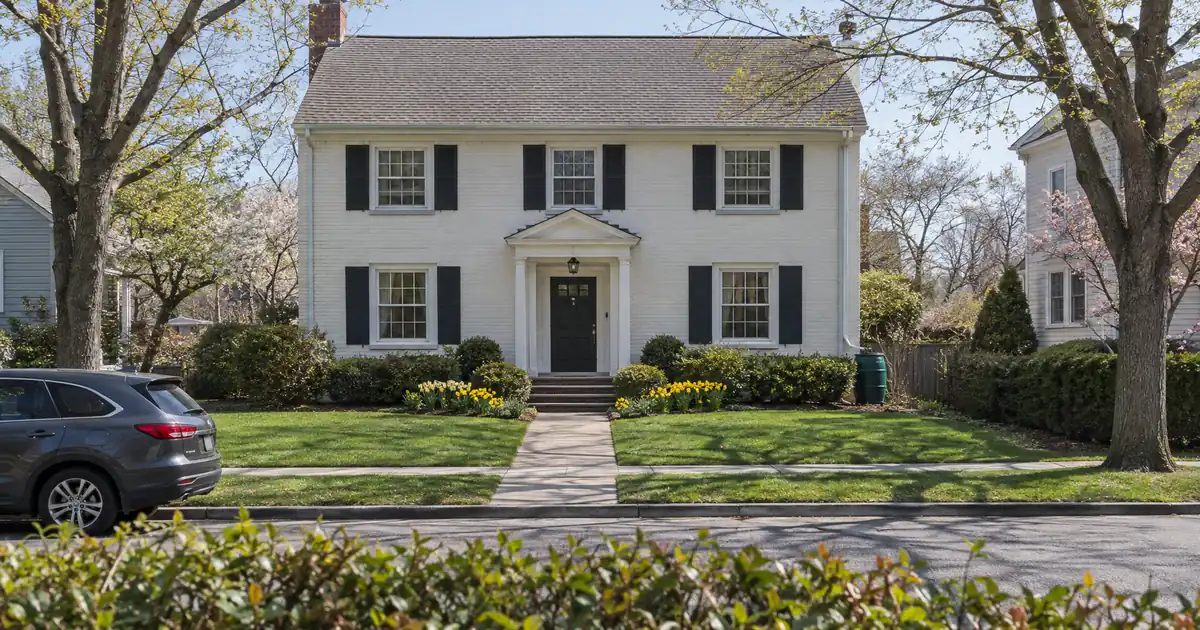
The Quick Read: A DSCR portfolio loan does not size a repair fund at all; it screens each older house for condition, tests the pooled rent against the pooled payment, and asks you to hold post-closing cash reserves, while the money to fix anything stays your job and sits outside the loan. The lender cares whether each house is rent-ready today. It does not care how old the house is. Plan for two separate piles of cash: one the program requires, and one you decide you need.
- Each house must pass a condition screen on its own, even when coverage is measured across the whole pool.
- Reserves are months of the full monthly payment left in your accounts after closing. They are not a rehab budget.
- Repair money is yours, or comes from a short-term rehab loan taken first, not from the DSCR loan.
- A passing coverage ratio does not mean the pool is cash flowing, because repairs sit outside the math.
Most investors who ask about repair reserves on older houses are really asking three different questions at once. How does the lender treat income? How much cash must I show? How much will the house eat? This article separates them.
Three Different Pots of Money
Underwriting uses three separate concepts, and mixing them up is how investors misjudge an older-house deal. DSCR stands for debt service coverage ratio. It compares a property’s rent to its full monthly payment, known as PITIA (principal, interest, taxes, insurance and association dues).
| Concept | What it is | Who sets it |
|---|---|---|
| Coverage ratio | Rent vs. PITIA, no repair line | Program guidelines |
| Reserves | Liquid cash left after closing | Program guidelines |
| Repair funds | Cash to fix this specific house | You, or a rehab lender |
The first row has no maintenance haircut. A 1950s house and a newer one with the same rent and payment produce the same ratio. The older house simply carries more of the costs that the ratio ignores.
The second row is the lender’s safety net, counted in months of PITIA. The third row is not a loan feature at all on most files.
Summary: coverage tests income, reserves test liquidity, and repairs are your own planning.
How Underwriting Treats an Older House, Step by Step
The process runs the same way on most files across our wholesale network of DSCR lenders. Here is the sequence.
1. Appraisal and market rent. Each house is appraised. The appraisal usually includes a market-rent estimate, which stands in for a lease on a vacant or newly renovated house. On the newer appraisal format, Fannie Mae’s UAD 3.6 FAQ says market rent is usually part of the assignment and sits in the rental information section.
2. Condition rating. The appraiser assigns a condition rating on a C1 to C6 scale and lists any repairs or concerns. This rating is the sorting mechanism for everything that follows.
3. Condition cutoff. Across most of the programs we place files with, the practical cutoff sits at C4 or better. C5 and C6 generally are not fundable until repaired.
4. Coverage test. Rent is divided by PITIA. Select programs start at 1.00 on a single rental, and stronger ratios open better pricing and leverage.
5. Reserves. The lender confirms you hold the required liquid funds after closing.
6. Pool sizing. The loan amount is allocated property by property, and the pool must clear the program’s tests together.
Step 3 is where older houses live or die. Age alone does not decide it. Freddie Mac says its condition definitions are absolute, describing physical condition as of the appraisal date and not relative to nearby homes. So a 1950s house with a new roof and updated systems can rate well. A newer house with a neglected roof can rate poorly.
Under the newer appraisal format, McKissock’s explainer on condition ratings notes that appraisers rate exterior, interior, kitchen and bath, and overall condition, and the overall rating must be consistent with those parts. That is why short-lived components such as roof, HVAC and water heater show up in the final rating.
Summary: each house gets a condition rating, and the rating, not the age, decides whether it can sit in the pool.
Condition Tiers: What Happens Next
Think of condition in four tiers. The right-hand column is what typically happens on files we see.
| Condition tier | Typical next step |
|---|---|
| Cosmetic wear, C4 or better | Proceeds to coverage and reserves |
| Aging but working systems | Case by case, per lender |
| Major or safety defects (C5/C6) | Repair first, then reappraise |
| Not rent-ready or heavy rehab | Short-term rehab loan, then DSCR |
The “aging but working” tier is where most older-house surprises happen. A roof near the end of its life that still sheds water may pass. The appraiser’s note, or an inspection finding, can turn it into a required repair.
Short-term rental collateral usually faces stricter condition expectations, along with a stronger credit and hosting profile. Short-term rental rules can vary by city, county, HOA, and property type, so investors should confirm local rules before relying on projected rental income.
Summary: cosmetic wear passes, tired systems get debated, and major defects must be fixed before the loan can fund.
Where a Repair Fund Does and Does Not Exist
The most common misconception is that a DSCR loan comes with a rehab budget. It typically does not. These are rent-ready loans, meant for houses that are livable and can produce their underwriting rent at closing.
Two routes exist when work is needed.
- Repair before closing. If the appraisal is made subject to repairs, someone must complete them and verify it. That is usually done with a completion report, commonly Form 1004D. Fannie Mae’s selling guide describes that form as the way to confirm appraisal conditions, such as completed repairs, have been met. That is only the form’s name and purpose. Agency escrow rules do not govern DSCR files.
- Short-term rehab loan first. For heavy work, the standard path is a short-term rehab loan, followed by a DSCR refinance once the house is rent-ready.
Some select lenders in the network may allow a limited repair holdback, which means part of the proceeds is held until work is finished. Programs conflict on this. Many do not offer one, and where one exists it is a lender-specific exception. Never plan a deal around a holdback you have not seen in writing. A holdback also does not fix a C5 house. The house still must be safe, insurable and able to produce its underwriting rent.
Nothing stops you from renovating after closing. The restriction is on financing the work with the DSCR loan, not on doing it.
Summary: repairs come from your cash or a rehab loan, and a holdback is a rare exception, not a feature.
Systems by Age: Turning an Inspection Into a Cash Number
Because the program will not size repair money for you, you build the number yourself. Start with the systems that age out on older houses. These are the same ones that drive condition ratings.
| System | Question to ask | Evidence to gather |
|---|---|---|
| Roof | Is it at or past expected life? | Inspector note, contractor bid |
| HVAC | How old, and does it run well? | Unit age, service records |
| Water heater | Past expected life? | Tag date, inspection |
| Electrical, plumbing | Any active or unsafe defects? | Licensed trade report |
| Foundation | Cracks, movement, water entry? | Engineer or inspector note |
Work through the table house by house. Ask each question, collect a written bid for anything flagged, and add a cushion for what a bid cannot see. Older houses tend to hide extra work behind the first repair.
The system you replace now is the one the appraiser will not flag later. Finishing repairs before you apply, and keeping invoices, can also help document the house’s condition and value for review.
For a sense of how often work is needed, an Amherst and Restb.ai analysis found that about 42% of homes bought by large institutional investors rated C4, and reaching neighborhood-median condition took roughly $32,000 of rehab spend on average. That sample covers large buyers, so do not treat the dollar figure as a benchmark for a small investor. It does show that C4 is common and that it costs real money.
Summary: bids and remaining-life questions, not a percentage rule, produce the repair number you need.
How the Portfolio Loan Sizes Reserves Across Several Houses
Here the portfolio structure changes the picture. A portfolio loan puts several rentals under one note. Across the network, one structure covers 2 to 20 properties on a 30-year term, with loan sizes from $300,000 to $5,000,000 and larger balances on review. Leverage runs up to 80% of value on a purchase or rate-and-term refinance. It accepts single-family, 2-4 unit, condo and townhome properties. An interest-only period is available. Final terms depend on lender guidelines, property type, leverage, and the borrower’s complete credit picture.
A second structure is a rental portfolio term loan for five or more rentals or units. Loan sizes run from $500,000 to $50,000,000, with leverage up to 75% of value. Terms are fixed at 3, 5, 7 or 10 years with a balloon at maturity, and both recourse and non-recourse versions exist. A non-recourse loan looks to the real estate, with recourse limited to carve-outs such as fraud and bankruptcy. This structure holds reserves for taxes, insurance and capital expenditures. All of these are program ceilings, not quotes, and they are subject to lender guidelines.
The key mechanic is that two tests work differently:
- Coverage is pooled. The 1.00 floor on the 30-year structure is measured on pooled rent against pooled debt service, so stronger houses can offset weaker ones. A rental below 1.00 can sit in the pool, but the pooled coverage, the leverage and the terms are what underwriting tests, subject to underwriting.
- Condition is per property. Each house still needs a lease or an appraiser-supported market rent, and each must clear the condition cutoff on its own.
Reserves, on the typical DSCR files we place, run about 6 months of PITIA, stepping up to about 9 months on loans above $1,500,000. Conservative single-property refinances at modest leverage under $1,500,000 can see reserves waived. On a pool, reserves are generally sized against the total monthly obligation, and exact terms vary by structure. For the logic behind these tiers, see Lendmire’s piece How a Jumbo Lender Sizes Reserves by Loan Size and Occupancy.
A loan on one rental is a different product with its own limits. On a single rental, most purchases land at 75% to 80% LTV and the 1.00 floor applies to that one house’s rent. LTV means loan-to-value, the loan as a share of the property’s value. Do not carry single-property figures into a portfolio file, or the reverse. These specifics are subject to lender guidelines and a full review of property, leverage, and credit.
Properties in several markets may sit under one loan on the term structure. Manufactured homes, log homes, barndominiums, owner-occupied property, co-ops, mixed-use and commercial property are not offered in the pool.
Credit floors for a pool typically start at 640, with 680 or 720 on some structures. Some structures require a special-purpose entity, usually an LLC, subject to program terms.
Summary: coverage and reserves are tested on the pool, while condition and rent support are tested house by house.
A Worked Example With an Older House in the Pool
This is a hypothetical, built on ratios and labeled as a modeled assumption, not market data. Picture an investor assembling a pool of five older single-family rentals under the 30-year portfolio structure.
Four houses rate C4 with working roofs and updated mechanicals. The fifth has an active roof leak. The appraiser flags it, and its condition rating falls to C5.
Run the numbers on the pooled test. Say pooled coverage on all five reads about 1.15x, comfortably above the program’s 1.00 floor. The ratio looks fine. The leaking house still stops the file.
The investor then has three paths:
1. Repair the roof, document the work, and have the house reappraised before the pool closes.
2. Carve the house out of the pool. The remaining four must still clear pooled coverage and the leverage and reserve tests on their own.
3. Buy or refinance the leaking house later, after repair, through a separate loan.
Meanwhile, reserves do not change the answer. Holding extra months of PITIA does not cure the C5 rating. The investor needs repair cash outside the loan, plus the program’s required reserves after closing. Subject to lender guidelines, credit approval and property review, the strongest files clear both: enough rent to cover the pool and enough cash for the house.
Summary: one failing house can hold up the whole pool, however good the pooled ratio looks.
Why a Passing Ratio Is Not Positive Cash Flow
The coverage number compares rent to PITIA only. Repairs, vacancy, management, utilities and capital expenses all sit outside it. Older houses carry more of those excluded costs, so a pool can clear 1.00 and still run thin.
Many investors on older stock keep their own maintenance fund in a separate account, apart from the lender’s required reserves. The lender’s reserves protect the lender’s payment. Your maintenance fund protects your return. Treat them as different goals, and the second one is yours to size.
This is also why DSCR loans are designed for non-owner-occupied investment properties. Because they are business-purpose investor loans, they are reviewed differently from a standard owner-occupied mortgage. A passing ratio helps with qualifying. It does not predict profit. For the complete picture of how the ratio works, see the complete DSCR loans guide.
Summary: the lender checks the payment is covered, and you check the property pays.
Where the General Rule Breaks
Edge cases show up most often in these places.
- Mixed-condition pools. The cutoff applies per property, so one weak house can force a carve-out, a repair before closing, or a smaller pool.
- Functional but tired components. An aging roof or HVAC that still works is typically reviewed case by case. An inspection can change that.
- Vacant houses. Market rent from the appraisal can stand in for a lease. A vacant house that also needs work usually goes to bridge or rehab financing first.
- Short-term rental collateral. Condition and profile expectations tend to be stricter. If you are scaling that kind of portfolio, Lendmire’s article How Much in Reserves Does DSCR Require When Scaling an STR Portfolio Past Loan Limits? covers that piece.
- Cash-out on a pool. Cash-out never exceeds 75% of pooled value, and inside the first six months of ownership the amount is capped by the seasoning rule.
Summary: the rule is per-house condition inside a pooled loan, and the exceptions mostly come from age, vacancy and use.
Key Terms Defined
Condition rating: the appraiser’s score, from C1 to C6, for the physical state of the house on the appraisal date.
Reserves: liquid funds left in your accounts after closing, counted in months of PITIA.
Cross-collateralization: pledging several properties together so they secure one loan.
Pooled coverage: rent from all houses in the loan divided by the pool’s total debt service.
Holdback: loan proceeds held back until stated repairs are finished, offered only by some lenders.
Subject-to repairs: an appraisal made on the condition that listed repairs get done and verified.
Rent-ready: livable and able to produce market rent without further work.
Frequently Asked Questions
Does a DSCR portfolio loan include money for repairs?
Typically not. DSCR programs are built for rent-ready houses, so repair cash comes from you or from a short-term rehab loan taken first. A few select lenders may allow a limited holdback, but programs vary and you should never assume one.
Are reserves the same thing as a repair fund?
No. Reserves are months of PITIA you must still hold after closing, and they protect the payment. A repair fund pays for work on a specific house. You need both, and the lender only requires the first.
Will a house built decades ago automatically fail the condition screen?
No. Condition ratings describe what is actually deferred, not the age of the house. An older house with updated systems can rate well. A newer one with a leaking roof can rate poorly.
What happens if one house in the pool fails condition?
Condition is checked on each house, so a failing house can force a repair before closing, a carve-out, or a smaller pool. The remaining houses must still clear pooled coverage and the program’s leverage and reserve tests, subject to lender guidelines.
How many months of reserves should I expect?
Often about 6 months of PITIA on typical files, stepping up to about 9 months on loans above $1,500,000. Conservative refinances at modest leverage under $1,500,000 can see reserves waived. Portfolio structures vary, and one holds reserves for taxes, insurance and capital expenditures.
Next Step
If you are buying or refinancing a rental property and want to see how the numbers work, Lendmire can help you compare DSCR loan options based on the property income, credit profile, leverage, and investor goals. Lendmire is a mortgage broker that arranges DSCR financing through select lenders in its wholesale network, covering 41 markets, including Washington, D.C. Programs change, every file is underwritten individually, and nothing here is a commitment to lend.
An older house rarely fails because of its age. It fails because of one unfinished repair, so a deal-saving step is to inspect every house before it enters the pool.
About Lendmire
As a non-QM mortgage broker (NMLS# 2371349), Lendmire facilitates DSCR investor loans across 41 markets, including Washington, D.C. DSCR eligibility is generally reviewed around property-level rental income instead of personal income documentation, subject to lender guidelines, serving LLC-structured portfolios and self-employed borrowers who don’t fit conventional boxes. A two-time Scotsman Guide Top Mortgage Workplace (2025, 2026).
Get Started
Ready to find the right loan for you?
In about 30 seconds you can review financing options available for your investment property. No commitment required.
Informational only. Not a Loan Estimate, approval, or commitment to lend. Program availability and eligibility are subject to lender guidelines, credit approval, property review, and underwriting.
References
2. Freddie Mac Single-Family: UAD condition and quality ratings definitions
3. McKissock Learning: understanding appraisal condition ratings
4. Restb.ai: what UAD condition ratings C1 to C6 mean
This article is part of Lendmire’s DSCR loan program — full qualification details, guidelines, and scenarios live on the program page.
Related reading: Can Vacant Rentals Be Included in a Portfolio DSCR Loan? · How to Raise Pooled DSCR Coverage Before a Portfolio Loan · How a Portfolio DSCR Loan Moves From Application to Closing
Brandon Miller
Founder & CEO, Mortgage Loan Originator, Lendmire LLC
- Mortgage Loan Originator · NMLS# 1129696 · Verify on NMLS Consumer Access
- North Carolina Real Estate Broker · License# 343312 · Verify on NCREC
- North Carolina Insurance Producer · License# 19053198 · Property, Casualty, Life, Health · Verify on NAIC SBS
- Lendmire LLC · Firm NMLS# 2371349 · Verify firm licensure
Disclosures. The information presented in this article is general market commentary, not financial, legal, or tax advice. Lendmire is a mortgage brokerage (NMLS# 2371349) — not a direct lender or depository institution — and loan placement is subject to lender underwriting. Nothing in this content represents a commitment to lend. Loan terms, pricing, and program availability vary based on borrower qualifications, property characteristics, and state of subject property, and are subject to change at any time. Lendmire complies with Equal Housing Opportunity requirements. Consumer access: nmlsconsumeraccess.org.