
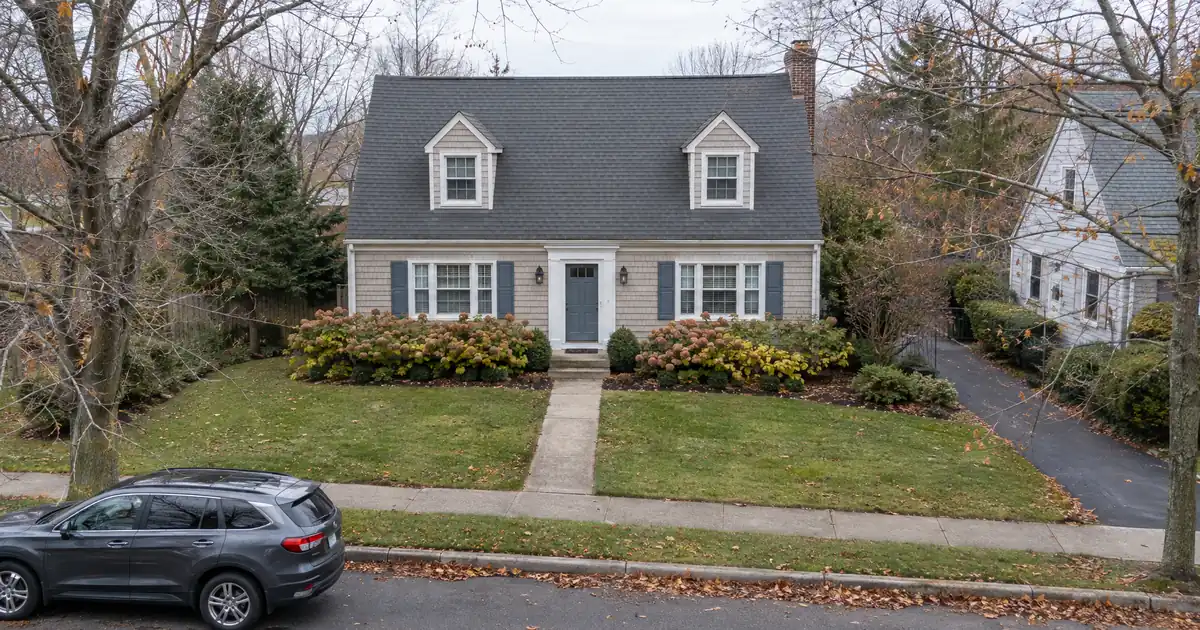
The Quick Read: A DSCR lender unbundles a pool by releasing one house from a single loan secured by several rentals, but only when the note contains a release clause. The lender prices that release above the house’s share of the debt. It then retests whether the remaining houses still cover their payment. Here, pool means a group of rentals pledged together under one note, not a backyard swimming pool.
- The release clause is a contract term set at closing. Without one, selling a house can put the whole loan at risk.
- Underwriting rechecks pooled rent against pooled debt service, plus leverage and property count, on the houses you keep.
- You pay the release price out of sale proceeds, so your net cash is usually smaller than your equity suggests.
- Get the release quote in writing before you list the house.
What Does Unbundling a DSCR Pool Mean?
Unbundling means a partial release. One house leaves the loan, its lien comes off, and the rest of the loan stays in place. Nobody pays off the whole note.
A DSCR loan qualifies primarily on property-level rental income covering the payment, subject to lender guidelines. In a pool, that test runs on the combined rent and combined payment of every house under the note. Stronger houses can offset weaker ones.
Two portfolio structures matter here, and they behave differently:
- A 30-year portfolio DSCR loan covers 2 to 20 properties under one note. Loan sizes typically run from $300,000 to $5,000,000, with larger balances on review. Leverage is up to 80% of value on an investment-property purchase or rate-and-term refinance. Coverage is measured on the pool, with a 1.00 floor. An interest-only period is available, and eligible types are single-family, 2-4 unit, condo, and townhome.
- A rental portfolio term loan covers five or more rental properties or units. Loan sizes typically run from $500,000 to $50,000,000, and leverage is up to 75% of value. Terms are fixed at 3, 5, 7, or 10 years, with a balloon (a lump-sum balance due at maturity). Both recourse and non-recourse versions exist.
Every figure is a program ceiling or floor reached through select lenders in Lendmire’s wholesale network, subject to lender guidelines. None is a quote.
If your question is about the swimming pool itself, Lendmire covers it in its piece How a DSCR Lender Treats a Rental With a Pool or Hot Tub.
Key Terms Defined
- DSCR (debt service coverage ratio): A property’s rent divided by its monthly obligation. A result of 1.00 means rent equals the obligation.
- PITIA: The monthly principal, interest, taxes, insurance, and association dues on a property.
- Allocated loan amount: The slice of the total loan the note assigns to one house.
- Release clause: The note language that lets one house leave the pool when its release terms are met.
- Release price: The amount you pay the lender to free one house. It runs above that house’s allocated balance.
- Cross-collateralization: Pledging every house in the pool as security for the whole loan.
- Due-on-sale clause: A term that lets the lender demand the full balance when a secured property is sold or transferred.
- Pooled coverage: Total rent across the houses divided by total PITIA across the houses.
- Prepayment charge: A fee for paying a loan down early. On the term loan it can take the form of yield maintenance, which compensates the lender for lost interest.
Why Can’t You Just Sell One House?
Because the lender holds a lien on every address. According to the Barnes Walker legal glossary, a partial release clause allows individual parcels to be released as portions of the loan are paid. The glossary also notes that the remaining properties stay as collateral for the outstanding balance.
If the note has no such clause, the sale can trigger the due-on-sale term. Federal law, 12 U.S.C. § 1701j-3, makes those clauses enforceable. The statute enforces the clause. It does not give you a right to a partial release.
So the release is a contract term, not an entitlement. Whether it exists, how it is worded, and what it costs are all decided when you sign. Most investors never read that section until they want to sell.
How Does the Release Work, Step by Step?
The sequence is the same on most files, even though terms differ by lender.
1. Allocation at closing. The note assigns an allocated amount to each house. The release clause, its price formula, and its conditions are set here.
2. Pool underwriting. The lender tests pooled rent against pooled debt service. Every house still needs a lease or an appraiser-supported market rent.
3. Decision to sell. Before you list, you ask the lender in writing for a release quote. The formula in your note sets the price. Ask whether the language says the lender shall release or may release.
4. Contract and closing. The buyer’s title or escrow agent receives the sale proceeds. Closing costs are paid first, then the release price goes to the lender. Any remainder goes to you.
5. Recording. The lender records a release of lien in the county where the house sits, per Barnes Walker’s glossary.
6. Retest. The lender rechecks the houses you kept for coverage, leverage, and property count.
What Does a Worked Example Look Like?
The ratios below are modeled assumptions, not market data. Picture a pool of four rentals with pooled coverage near 1.25x. One house carries strong rent against a modest allocated balance. You sell it.
| Case | Net sale proceeds vs release price | What happens |
|---|---|---|
| Surplus | Comfortably above | Release paid, remainder to you |
| Break-even | About equal | Nothing left to you |
| Shortfall | Below | You bring cash or the sale stops |
In the surplus case, you walk away with cash after the lender is paid. That cash is still less than your equity, because the release price runs above the allocated balance. The premium pays the loan down faster than collateral leaves the pool, which protects the lender’s remaining security.
In the shortfall case, the buyer’s price does not cover costs plus the release payment. You must cover the gap at closing, renegotiate the price, or hold the house. A low listing price on a heavily allocated house is the usual cause.
Now the retest. Because the sold house was your strongest performer, pooled coverage on the other three might fall from about 1.25x to about 1.05x. That still clears a 1.00 pool floor, but with far less cushion. Sell a second strong house and the pool could fail.
What Does the Retest Check?
The lender is not releasing a house in isolation. It is deciding whether the smaller pool is still a loan it wants.
| Item rechecked | Why it matters |
|---|---|
| Pooled coverage | Rent must still cover the remaining obligation |
| Leverage | Remaining debt against remaining value |
| Property count | Each structure has a minimum number of properties |
| Eligibility | Every house left must still be an eligible type |
| Condition and rent | A vacant or weak house can fail the test |
The count matters more than most investors expect. The term loan is built for five or more properties or units. The portfolio DSCR loan starts at two. Selling down below a structure’s minimum can create a problem even when the coverage math looks fine.
A house under 1.00 coverage can sit inside the pool. Underwriting then tests the pooled coverage, the leverage, and the terms, subject to underwriting. It does not treat that house as its own approval.
If the retest fails, the lender may review cures. These include a principal paydown, substituting another eligible house, pledging additional collateral, or refinancing the remainder. Each depends on the loan documents and the lender’s release terms.
Selling More Than One House
Plan the exit as a sequence, not a series of one-off sales. The order matters.
Selling your best house first lifts your cash but weakens the pool most. Selling your weakest house first protects pooled coverage, but the lender may be less willing to release a house it sees as drag. Neither order is always right.
Check whether your note limits releases per period or requires a minimum paydown with each one. Barnes Walker’s glossary lists those conditions among the usual release terms, along with the minimum security that must remain. Investors who buy and sell often should weigh these terms heavily. Buy-and-hold investors can give them less weight.
Release, Substitution, Refinance, or Separate Notes?
These are four different tools. Pick by what you want to keep.
| Option | Best when | Main cost |
|---|---|---|
| Partial release | Selling one or two houses | Release price above allocation |
| Substitution | Swapping in another eligible house | Underwriting a new property |
| Refinance the pool | Resetting terms or pulling equity | A full new loan |
| Separate notes | Frequent sales expected | More closings, no blended coverage |
A cash-out refinance of the pool never exceeds 75% of pooled value, and seasoning rules cap the amount inside the first six months of ownership. A rate-and-term refinance carries no such cost restriction.
If you expect to sell one or two houses soon, separate notes can fit better than a pool. You give up blended underwriting and accept more closings.
Where Does the General Rule Break?
- No release clause. The sale can trigger due-on-sale. Your options are to pay off the whole loan, refinance it, or keep the house.
- Discretionary language. The word may gives the lender room to refuse or reprice. Confirm the exact wording in your note.
- A weak house left behind. A vacant, delinquent, or under-renovation house can fail the retest or block a later release.
- Recourse versus non-recourse. A recourse loan carries a personal guarantee, and a release does not erase it. Non-recourse structures exist on the term loan, with recourse limited to carve-outs such as fraud and bankruptcy.
- Borrowing entity. Pools often sit in a special-purpose entity, typically an LLC, subject to program terms. The entity pays the release price, and any guarantor stays on the hook.
- Early payoff charges. The term loan can carry yield maintenance. Ask whether a partial release triggers it.
- Ineligible replacements. Owner-occupied, mixed-use, commercial, co-op, and mobile-home properties are ineligible in the pool. Manufactured homes, log homes, and barndominiums are not offered in these programs.
Release-Readiness Checklist
Confirm these before you sign a pooled loan:
- The note includes a release clause.
- The language is mandatory or discretionary.
- The price formula is spelled out.
- Any limit on releases per period is stated.
- You know the minimum security that must remain.
- You know whether a prepayment charge applies.
Request these before you list a house:
- A written release quote.
- A pooled coverage estimate for the houses you would keep.
- Confirmation that the remaining count still fits the structure.
- A payoff and recording plan with the title or escrow agent.
DSCR clears rent against PITIA only. Clearing 1.00 does not mean positive cash flow, because repairs, vacancy, management, and utilities sit outside the calculation. Tax treatment can depend on how the funds are used and how the property is held; investors should keep clear records and speak with a qualified tax professional before relying on any deduction.
Frequently Asked Questions
Can I sell one house and keep the loan?
Only if your note includes a release clause and you meet its conditions. Without one, the sale can trigger due-on-sale on the whole balance. The lender then reviews the remaining houses before it confirms the release.
Why is the release price above the house’s share of the debt?
The premium pays the loan down faster than collateral leaves the pool. That protects the lender’s remaining security. The exact figure is set by your note, so ask for it in writing.
What if sale proceeds fall short of the release price?
You cover the gap with cash at closing, renegotiate the sale price, or hold the house. Costs are paid first, then the release payment, then any remainder reaches you.
Does the personal guarantee go away after a release?
Not automatically. On a recourse loan, the guarantee stays with the remaining pool. Non-recourse structures exist on the term loan, with carve-outs for fraud and bankruptcy.
Can I swap in a replacement house instead?
Substitution is a separate request from a release. The replacement must be an eligible property type, and the lender underwrites it. Whether substitution is allowed follows your loan documents.
Next Step
If you are buying or refinancing a rental property and want to see how the numbers work, Lendmire can help you compare DSCR loan options based on the property income, credit profile, leverage, and investor goals. As a mortgage broker, it arranges financing through select lenders in its wholesale network, covering 41 markets, including Washington, D.C. For the full picture of how these loans work, read the complete DSCR loans guide. Qualification is subject to lender guidelines and is not a commitment to lend.
About Lendmire
As a non-QM mortgage broker (NMLS# 2371349), Lendmire facilitates DSCR investor loans across 41 markets, including Washington, D.C. DSCR eligibility is generally reviewed around property-level rental income instead of personal income documentation, subject to lender guidelines, serving LLC-structured portfolios and self-employed borrowers who don’t fit conventional boxes. A two-time Scotsman Guide Top Mortgage Workplace (2025, 2026).
Get Started
Ready to find the right loan for you?
In about 30 seconds you can review financing options available for your investment property. No commitment required.
Informational only. Not a Loan Estimate, approval, or commitment to lend. Program availability and eligibility are subject to lender guidelines, credit approval, property review, and underwriting.
References
1. Barnes Walker legal glossary: blanket mortgage
2. Cornell LII, 12 U.S.C. § 1701j-3
This article is part of Lendmire’s DSCR loan program — full qualification details, guidelines, and scenarios live on the program page.
Related reading: One Blanket Loan vs Two Smaller DSCR Portfolio Loans for 10 Houses · How to Sell One Rental and Buy Another Inside a DSCR Portfolio Loan · Can a DSCR Lender Seize Every Rental After One House Defaults?
Brandon Miller
Founder & CEO, Mortgage Loan Originator, Lendmire LLC
- Mortgage Loan Originator · NMLS# 1129696 · Verify on NMLS Consumer Access
- North Carolina Real Estate Broker · License# 343312 · Verify on NCREC
- North Carolina Insurance Producer · License# 19053198 · Property, Casualty, Life, Health · Verify on NAIC SBS
- Lendmire LLC · Firm NMLS# 2371349 · Verify firm licensure
Important disclosures. Lendmire (NMLS# 2371349) is a licensed mortgage brokerage. Lendmire is not a direct lender, depository institution, or financial advisor. All loan inquiries are subject to lender underwriting; this article does not constitute a commitment to lend. Rates, terms, and program guidelines are subject to change without notice and vary by borrower profile, property type, and state. Information in this article is general in nature and is not financial, legal, or tax advice. Equal Housing Opportunity. NMLS Consumer Access: nmlsconsumeraccess.org.