
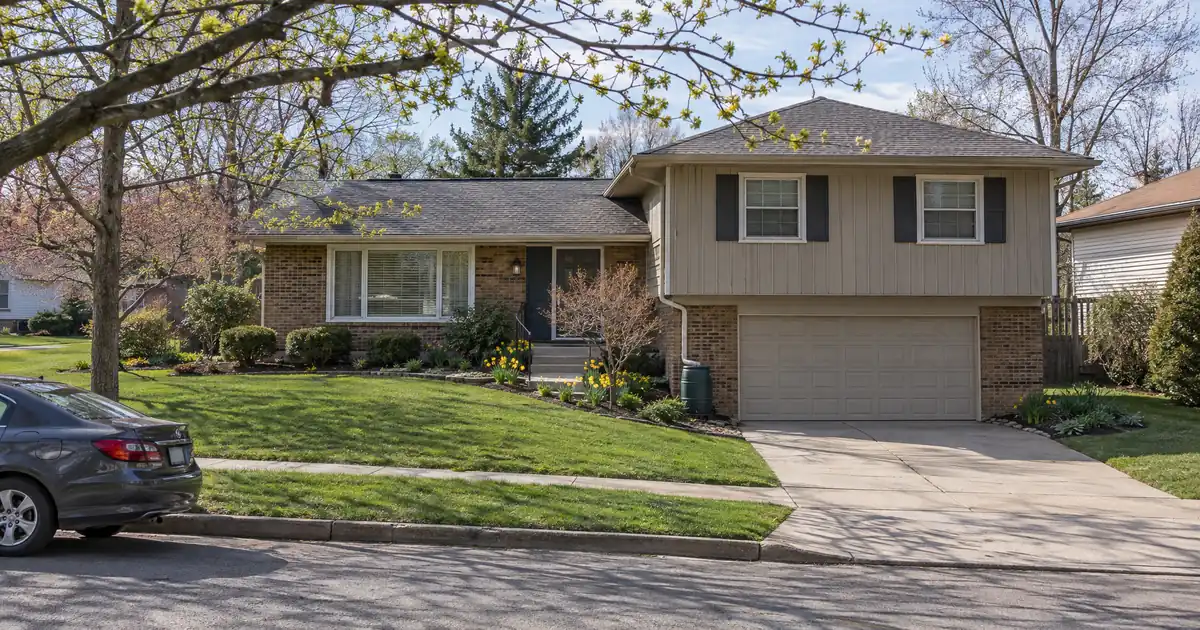
The Quick Read: A bank’s cap on your rentals is its own appetite, not a federal limit. A DSCR portfolio lender can refinance the pool by testing rent against debt service across all the properties. It works inside its own loan-size, leverage and reserve rules, and pooling adds shared collateral and exit friction.
- A bank stops lending because of its internal policy, and your properties may still perform fine.
- DSCR (debt service coverage ratio) compares rent to the full monthly obligation, so the property’s income carries the test, not your pay stub.
- On the 30-year portfolio structure, coverage is measured on the pool, so stronger rentals can offset weaker ones, subject to underwriting.
- Every property still needs its own appraisal and lease or market-rent support.
- The trade-off is cross-collateralization: every property secures the whole debt.
What “Capped” Actually Means
Your bank stopped lending to you. That is almost never a ruling on your properties. It is the bank deciding it holds enough of your exposure, or enough of this kind of loan, already.
Two different things get called a cap, and mixing them up leads to bad decisions.
The first is a bank’s own concentration limit. A bank decides how much real estate debt it will hold in total, and how much it will hold with one borrower. Those limits come from the bank’s board, its capital and its appetite. They are not uniform. One bank may stop at a handful of mortgages for a borrower. Another may hold a large pool for the same person.
The second is a property-count limit on conventional loans that get sold into the secondary market. That one is an eligibility condition, not a law. It matters here only as contrast, and we come back to it below.
A DSCR portfolio lender sits outside both. Its review centers primarily on whether the property’s rental income covers the payment, subject to lender guidelines. It does not care whether your bank hit its ceiling. It cares about its own ceilings: loan size, leverage, reserves and collateral quality.
How the Pickup Works, Step by Step
Across the wholesale network Lendmire works with, a pool pickup follows the same basic flow. Lendmire is a broker. It arranges the loan through select lenders, and the lender underwrites and approves.
1. Scenario screening. The file is screened first on property count, total loan size, leverage and reserves. This is where a pool either fits a program or gets resized.
2. Document package. Expect leases, a rent roll, current payoff statements on the old loans, insurance, and entity documents if the properties sit in LLCs (subject to program terms). Operating history and vacancy information help too.
3. Entity review. Some structures require a special-purpose entity, typically an LLC. Lenders also look through the entity to the people behind it.
4. Per-property work. Every property gets its own appraisal and market-rent opinion. Pooling does not skip this step.
5. Title and insurance. Each property needs clean title and adequate coverage.
6. Pooled underwriting. Total rent used for lender review is tested against total debt service across the pool.
7. Conditions and a single closing. On a pooled loan, all the properties typically close or refinance together under one note, paying off the old bank loans.
Read the old notes before you start. Check each one’s maturity date and any prepayment terms. Those clauses decide whether paying the bank off costs you something, and they are the part investors forget until the payoff letter arrives.
Three Ways to Structure the Pickup
Not every pool should become one loan. The decision comes down to how many properties you have, how uneven their coverage is, and how often you plan to sell.
| Factor | Separate DSCR loans | 30-year portfolio loan | Rental portfolio term loan |
|---|---|---|---|
| Notes and liens | One per property | One note, 2-20 properties | One loan, 5+ properties |
| Loan size | Standard program range | $300,000 to $5,000,000 | $500,000 to $50,000,000 |
| Coverage test | Each property alone | Pooled, 1.00 floor | Reviewed on the pool |
| Leverage | Purchase tiers apply | Up to 80% (purchase, rate-and-term) | Up to 75% of value |
| Term | 30-year fixed spine | 30-year, interest-only option | 3, 5, 7 or 10-year, balloon |
All figures are program ceilings or floors, not quotes, and they are subject to lender guidelines. The separate-loan column describes a loan on one rental. The other two describe pooled structures, so do not mix their numbers.
Separate loans isolate risk. Each property stands or falls on its own. The cost is that a weak rental cannot hide behind a strong one. A property below 1.00 on its own is available through select lenders in the network, with leverage and terms adjusted.
The 30-year portfolio loan suits mid-sized pools. It carries fixed or adjustable options, and an interest-only period is available. It covers single-family, 2-4 unit, condo and townhome collateral. Cash-out on a pool never goes above 75% of pooled value.
The rental portfolio term loan suits larger pools of five or more properties or units, including small multifamily. It carries a balloon at maturity, which means a lump sum comes due at the end of the term. Both recourse and non-recourse versions exist. A recourse loan carries a personal guarantee. A non-recourse loan looks to the real estate, with carve-outs such as fraud and bankruptcy. Prepayment runs on yield maintenance, a charge designed to compensate the lender for lost interest. Reserves are held for taxes, insurance and capital expenditures. Properties in several markets can sit under one loan.
Lendmire’s complete DSCR loans guide covers the single-property basics if the vocabulary is new.
A Worked Example With Modeled Numbers
Run the numbers on a modeled three-property pool. These are assumptions, not market data, and they are shown as coverage ratios only.
Say the properties cover their debt service at roughly 1.35x, 1.15x and 0.90x. Assume debt service is similar across the three. Pooled coverage lands near 1.13x, because the strong properties lift the weak one.
Under the 30-year portfolio loan, that pool clears the 1.00 pooled floor on coverage. The property at 0.90x sits in the pool, but underwriting tests the pooled coverage, the leverage and the terms, and approval stays subject to lender guidelines.
Now split the same pool into three loans. The first two property loans look fine. The third has to qualify alone, and a sub-1.00 property is a different path: available through select lenders in the network, with leverage and terms adjusted.
That is the real advantage of pooling for a bank-capped investor. It is not magic. It is averaging, and averaging only works if the whole pool also fits the leverage cap, the credit floor and the reserve rules.
The pooled programs set a credit floor of 640, and some portfolio structures step up to 680 or 720.
Why Banks Cap You (and Who Checks)
A bank’s cap comes from policy, not statute. The Federal Reserve’s analysis of commercial real estate guidance treats supervisory thresholds as screening criteria, and notes that banks with acceptable risk-management practices could retain high concentrations. Each bank sets its own limits.
The thresholds do exist. According to the GAO’s report on commercial real estate lending, examiners look closer when construction and land loans reach 100% of capital. They also look closer when total non-owner-occupied commercial real estate reaches 300% of capital with 50% growth over 36 months. These are indicators of potential concentration risk, not limits. That guidance targets a bank’s overall commercial real estate book, including multifamily. It does not single out small 1-4 unit investor loans.
So when your bank says no, read it as appetite. A bank near its own internal ceiling stops adding exposure to you even when every property performs.
Conventional loans sold into the secondary market carry a count of financed properties. That is an eligibility condition for those loans, not a law, and it is the cap many investors hit first. DSCR loans carry no such count rule. They hit other ceilings: loan size, leverage, lender policy and your own cash.
Where the General Rule Breaks
Several edge cases show up often.
A small pool. Many portfolio programs set minimums on property count and total loan size. A pool of two or three modest rentals may fit better as separate loans.
The lender’s own ceiling. No industry-wide limit on DSCR loan count exists. But each lender caps total exposure to one borrower, by count, by balance, or both. Count properties, loans and lender exposure separately. If your pool exceeds one lender’s appetite, splitting it across lenders is a real strategy.
Entities. Holding title in different LLCs does not automatically reset anything. Lenders usually look through the entity to the guarantor.
Recent purchases. Inside the first six months of ownership the loan is also capped at 90% of total cost (purchase price plus documented improvements), and at 100% of total cost from six to twelve months. The leverage ceiling still applies, so the loan is the lower of the two. After twelve months the appraised value alone is the basis. A rate-and-term refinance is not subject to the cost-basis cap.
Ineligible collateral. Owner-occupied property, co-ops, mixed-use and commercial property cannot sit in the pool.
Manufactured and mobile homes are not reviewable on these programs. Log homes and barndominiums are not offered either, so any of those in your pool has to come out first.
Release Terms Decide Your Exit
A pooled loan has a catch. Every property secures the entire debt. A default on one can reach all of them.
Exit rules matter as much as entry rules. A release clause lets you sell or refinance one property out of the pool without paying off everything, if the lender’s conditions are met. Without one, a single sale may need lender approval or a restructuring of the whole loan.
Release prices run above the property’s allocated balance, and the lender may re-test the remaining pool’s coverage afterward. The remaining portfolio must still cover its debt service. Substitutions follow the loan documents too. If you flip properties often, read these terms before you sign. For a seller, this clause can matter more than the leverage.
Pooling also saves one set of closing steps, but a blanket structure is not automatically cheaper and not a shortcut around underwriting.
Which Route Fits You?
Use these triggers.
- Keep it with the bank when the bank still lends at terms you like and you do not need more room.
- Separate DSCR loans fit when you sell often, hold two or three properties, or want each property isolated.
- The 30-year portfolio loan fits when you hold several rentals with uneven coverage and want one note.
- The term loan fits larger pools and investors who want fixed-term structure and can plan for a balloon.
The best files clear two tests: enough equity and enough rental coverage. A larger down payment lowers the payment and can lift coverage, but it never erases leverage caps, credit floors or reserve rules. Also remember what DSCR measures. It compares rent to principal, interest, taxes, insurance and any HOA dues. Clearing 1.00 is not the same as positive cash flow, because repairs, vacancy, management and utilities sit outside the ratio. Tax treatment varies; consult a qualified professional.
Reserves vary by lender, leverage, loan size and transaction. Single-rental files commonly want about six months of payment (PITIA), and more above $1,500,000. Pool reserves depend on the structure.
Lendmire’s article Portfolio Lender vs Broker: Who Funds Bank Statement Loans? explains who holds the loan.
Key Terms Defined
Concentration limit: a bank’s own cap on how much real estate debt it will hold in total or with one borrower.
Cross-collateralization: every property in the pool secures the entire debt, not just its own share.
Release price: the payoff a lender requires to free one property from the pool.
Pooled coverage: total rent used for lender review divided by total debt service across all the properties.
PITIA: principal, interest, taxes, insurance and association dues, the full monthly obligation.
Recourse: a loan backed by a personal guarantee. Non-recourse looks to the property, with carve-outs.
Frequently Asked Questions
Is there a legal limit on how many DSCR loans I can hold?
No federal rule caps DSCR loan counts. The practical limits are each lender’s program rules and total exposure to you, along with cash flow, liquidity, credit and experience.
Does my bank’s cap hurt my credit?
A bank declining to add loans is a policy decision, not a credit event. Your existing loans keep reporting as they always did. A new lender still reviews your credit, and the pooled programs set a floor of 640, with some structures asking for 680 or 720.
What if one property fails the coverage test?
On a pooled loan the test runs across the pool, so stronger rentals can offset it, subject to underwriting. On separate loans, a property below 1.00 follows a different path, available through select lenders in the network, with leverage and terms adjusted. Or you can leave that property out of the pool.
Can I keep some loans with the bank?
Yes. Many investors move only the properties that fit and leave others where they are. Check each old note’s maturity and prepayment terms before deciding what to move.
Do refinances count against a lender’s exposure to me?
Yes. A refinance replaces old debt with new debt at that lender, so the balance counts toward its ceiling for you. Size the pool to one lender’s limit, or split it across lenders.
Next Steps
If you are buying or refinancing a rental property and want to see how the numbers work, Lendmire can help you compare DSCR loan options based on the property income, credit profile, leverage, and investor goals.
About Lendmire
Lendmire (NMLS# 2371349) is a DSCR-focused mortgage broker arranging investor loans through select lenders in its wholesale network, across 41 markets including Washington, D.C. Programs change, every file is underwritten individually, and nothing here is a commitment to lend. Scotsman Guide named Lendmire a Top Mortgage Workplace in both 2025 and 2026.
Get Started
Ready to find the right loan for you?
In about 30 seconds you can review financing options available for your investment property. No commitment required.
Informational only. Not a Loan Estimate, approval, or commitment to lend. Program availability and eligibility are subject to lender guidelines, credit approval, property review, and underwriting.
References
1. Federal Reserve analysis of CRE guidance
2. GAO-18-245
This article is part of Lendmire’s DSCR loan program — full qualification details, guidelines, and scenarios live on the program page.
Related reading: How a Portfolio DSCR Lender Counts a Fourplex and a Duplex · How a Portfolio DSCR Loan Treats Airbnb Income in the Pool · Can an Investor With 10+ Doors in LLCs Get a DSCR Portfolio Loan?
Brandon Miller
Founder & CEO, Mortgage Loan Originator, Lendmire LLC
- Mortgage Loan Originator · NMLS# 1129696 · Verify on NMLS Consumer Access
- North Carolina Real Estate Broker · License# 343312 · Verify on NCREC
- North Carolina Insurance Producer · License# 19053198 · Property, Casualty, Life, Health · Verify on NAIC SBS
- Lendmire LLC · Firm NMLS# 2371349 · Verify firm licensure
Disclosure information. Lendmire is a state-licensed mortgage brokerage under NMLS# 2371349. Lendmire is not a depository institution, direct lender, or financial advisor — all loans referenced are placed through wholesale lender partners and are subject to each lender's underwriting standards. This article is provided for general informational purposes and is not a commitment to lend, nor does it constitute financial, legal, or tax advice. Loan programs, terms, rates, and qualification standards change without notice and depend on borrower profile, property type, and the state in which the subject property is located. Equal Housing Opportunity provider. NMLS Consumer Access: nmlsconsumeraccess.org.