
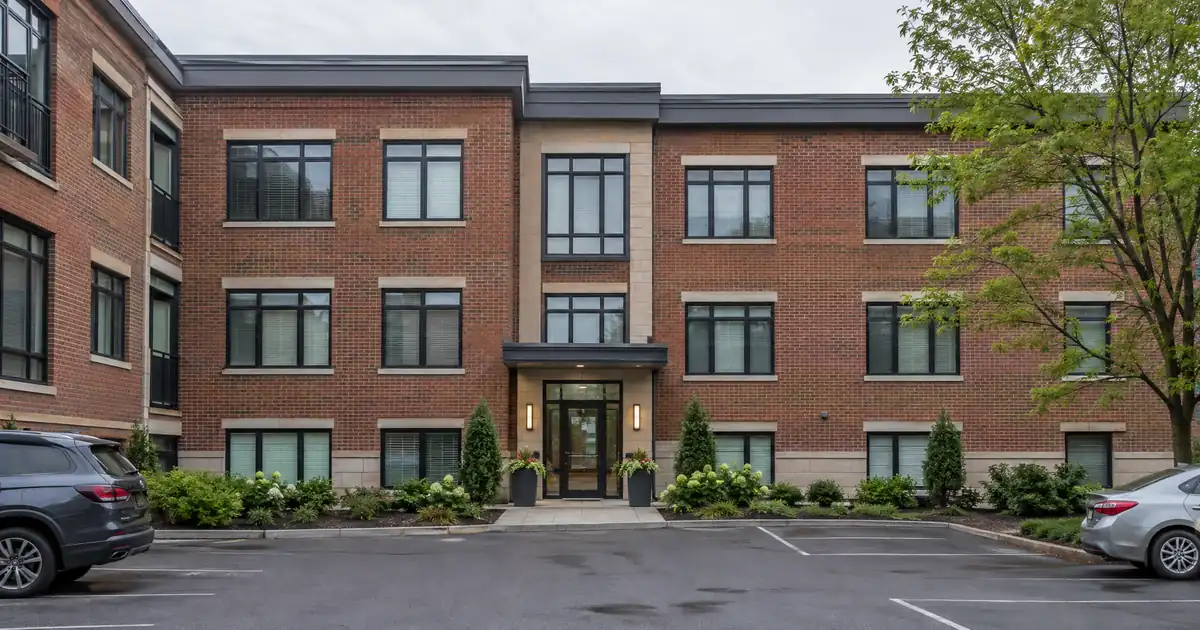
The Quick Read: Yes, in most cases an investor can pull equity out of 10 or more LLC-held rentals without selling any of them, either through a separate DSCR cash-out refinance on each door or through one blanket loan secured by the whole pool, subject to lender guidelines. Both routes are new loans, not sales. You keep the deeds, the tenants and the leases.
- Cash-out on a standard investment rental tops out around 75% of value, and a portfolio cash-out never goes above 75% of the pooled value.
- About 6 months of ownership is the common seasoning expectation before cash-out.
- Qualification runs primarily on property-level rental income covering the payment, subject to lender guidelines. A person still signs a guaranty on most structures.
- A blanket loan trades one closing for shared risk. One weak door can affect the whole pool.
- Passing the coverage test does not mean the portfolio produces positive cash flow.
Does Having 10+ Doors Block a Cash-Out?
Door count is not the wall most investors think it is. Agency-backed conventional loans cap how many financed properties one borrower can carry, and that cap is 10. DSCR programs have no program-level cap on property count. That is one reason investors with big portfolios move to this lane.
The real ceilings are different. They are the combined debt you ask one guarantor to stand behind, the cash you hold in reserve, and how each property performs on its own. A guarantor is the person who signs personally for an LLC’s loan. Twelve strong doors with solid reserves are easier to place than ten thin ones with none.
Keep one eligibility fact in mind. Manufactured homes, log homes and barndominiums are not offered through the network’s DSCR programs. Owner-occupied property, co-ops, mixed-use and commercial property are also out of a portfolio pool. If one of your doors falls in those groups, plan to leave it out of the package.
How Do You Skip Sales With a DSCR Portfolio Cash-Out?
You replace the sale with a new loan on property you keep. The lender pays off the old mortgages, covers closing costs, and sends you the difference. A sale ends your ownership and hands you proceeds. A cash-out refinance leaves ownership, leases and the rent stream in place and gives you borrowed money.
Here is how the cash gets made on a portfolio:
1. Each property is appraised on its own, and each one is documented separately.
2. The lender sets the new loan amount against value, with cash-out held to 75% of value on standard rental collateral. On a portfolio loan that cap applies to the pooled value.
3. Existing liens are paid off at closing.
4. What remains after payoffs and costs comes to you as cash.
Equity available depends on rent used for lender review, the full monthly payment, reserves and that 75% ceiling. It is never a guaranteed figure. Tax treatment can depend on how the funds are used and how the property is held; investors should keep clear records and speak with a qualified tax professional before relying on any deduction.
Two timing points matter. Seasoning is the waiting period between buying a property and refinancing it, and it is about 6 months on most files. Inside the first six months, the loan is also capped at 90% of total cost (purchase price plus documented improvements), and at 100% of total cost from six to twelve months. The leverage ceiling still applies, so the loan is the lower of the two. After twelve months, the appraised value alone is the basis. A rate-and-term refinance, which returns no cash, is not subject to that cost-basis cap.
Separate Loans or One Blanket Loan?
Both work for 10 or more doors. Which one fits depends on how uniform your pool is and how many LLCs hold title. Refinancing several properties at once on individual loans is ordinary DSCR practice and needs no special product. A blanket loan is its own structure, one note secured by several rentals and underwritten on blended cash flow.
| Factor | Separate loans | One blanket loan |
|---|---|---|
| Review basis | Each property alone | Pooled rent vs pooled debt |
| Weak-door risk | Contained to that loan | Can drag the whole pool |
| Cross-default | None | All properties secure the debt |
| Selling one door | Pay off that note | Governed by release terms |
| Closing effort | Many closings | One closing, one servicer |
| LLC vesting | Clean, one LLC per loan | Must match across the pool |
In the network, the lean runs like this. When your doors sit in several LLCs, separate loans usually win because each property keeps clean vesting. When you hold a uniform, stabilized pool in one entity and plan a long hold, a blanket loan often fits better. Several lenders offer both, so you can compare.
What Does the Network Offer for Blanket Structures?
Two blanket structures matter at this size. Each has different limits, and they should not be mixed.
The 30-year portfolio DSCR loan covers 2 to 20 properties under one note. Loan sizes run from about $300,000 to $5,000,000, with larger balances on review. Leverage goes up to 80% of value on a purchase or rate-and-term refinance. Cash-out stays at 75% of pooled value. Coverage is measured on the pool, so stronger properties can offset weaker ones. Terms are 30 years, fixed or adjustable, with an interest-only period available. Eligible types are single-family, 2-4 unit, condo and townhome.
The rental portfolio term loan is for five or more rental properties or units under one loan. Loan sizes run from about $500,000 to $50,000,000, with larger balances on review. Leverage tops out at 75% of value. Terms are fixed for 3, 5, 7 or 10 years, with a balloon payment at maturity. Prepayment is by yield maintenance, a charge that compensates the lender for lost interest. Both recourse and non-recourse versions exist. A non-recourse loan looks to the real estate, with recourse limited to carve-outs such as fraud and bankruptcy. Properties in several markets can sit under one loan.
Small multifamily of five or more units is eligible only inside the rental portfolio term loan, not the 30-year structure. The credit floor on these portfolio programs is 640, and some structures ask for 680 or 720. Some structures require a special-purpose entity, which is typically an LLC. Every figure here is a program ceiling or floor, not a quote, and all of it is subject to lender guidelines.
Lendmire’s piece on cash-out parameters for investors with 10-plus LLC doors goes deeper on the numbers.
What Does a Ten-Door Pool Look Like on Paper?
Run the numbers on a modeled pool. These coverage figures are assumptions, not market data, and they assume roughly similar payments across doors so the averaging stays clean.
| Group | Doors | Modeled coverage |
|---|---|---|
| Strong | 6 | About 1.25x |
| Middle | 3 | About 1.05x |
| Weak | 1 | About 0.90x |
| Pooled | 10 | About 1.15x |
On separate loans, nine doors clear a 1.00 floor on their own. The tenth does not on most programs. Here the distinction matters. 1.00 is where many select programs start. A separate select-lender path takes coverage below 1.00 with leverage and terms adjusted. Neither is guaranteed for that door.
In a pool, the weak door can sit inside the package because the strong doors carry it. In that case, underwriting tests the pooled coverage, the leverage and the terms. The pool still has to clear its own floor on the whole.
The tradeoff is real. The weak door’s debt now rides on the strong doors’ collateral. You can also split the pool, run separate loans, or leave the weak door out. A partial pool leaves the leftover property needing its own loan.
Coverage Is Not Cash Flow
This is a common mistake at scale. DSCR compares rent to the full monthly payment: principal, interest, taxes, insurance and any HOA dues. That is the whole test. Repairs, vacancy, management, utilities and capital expenses sit outside it.
A pool at 1.15x can still lose money in a rough quarter. Pulling large equity from a few doors also raises their payments, which can leave individual properties thin after real-world costs. Keep a cushion above the coverage line, not just a pass.
When Should You Skip the Cash-Out and Sell Instead?
Refinancing is not always the right move. These are the cases where a sale deserves a second look:
| Situation | Lean toward |
|---|---|
| Larger payment pushes coverage near the floor | Sell or refinance fewer doors |
| Sale planned soon, prepayment charge still running | Wait, or sell |
| Combined debt exceeds what one guarantor’s reserves can back | Stagger or reduce |
| Door is ineligible or chronically vacant | Sell that door |
Most refinancing rules treat a near-term sale as a bad fit, because prepayment charges can eat the benefit. A penalty-free window changes that math.
If a sale or exchange is still on the table, a few rules apply. Section 1031 covers only real property held for business or investment, not property held primarily for sale. Gain is recognized to the extent you receive cash or non-like-kind property, per the IRS Instructions for Form 8824. Interests in an LLC are not real property, so they do not qualify. Refinancing the property you are selling right before an exchange is generally discouraged, and Accruit explains the step-transaction concern. Refinancing the replacement property after the exchange, as a separate transaction, is generally considered less risky, according to IPX1031. The refinance should also have an independent business purpose, as 1031 Capital Advisors notes. Work through the sequence with your qualified intermediary before you apply.
How Do LLCs and Guaranties Fit Together?
A borrowing LLC does not remove you from the loan. On most structures a person still signs a guaranty, so your credit and reserves still matter. Non-recourse structures exist on the term loan, with carve-outs, but do not assume one.
For several LLCs on one note, three items should match. The deed should sit in the borrowing LLC. Insurance should name the LLC. The application should carry the right LLC and guarantor details. Matching is subject to program terms. Mismatches among these three are a common reason a file stalls.
Do not deed rentals into a new LLC just before refinancing. Moving title can create problems with the existing mortgage. The cleaner path is to vest in the LLC at the refinance closing, subject to the existing lender’s terms and your counsel.
Reserves vary. On individual loans, about 6 months of the full monthly payment is common, rising to about 9 months for loans above $1,500,000. On the term loan, the lender holds reserves for taxes, insurance and capital expenditures. Staggering closings is often safer than one giant file, because shared reserves get stretched thin across many loans at once.
What About Selling One Door Later?
You can sell later, and how hard it is depends on the structure. With separate loans, you pay off that note, subject to any prepayment penalty. With a blanket loan, the release terms in the loan documents govern. Partial releases and substitutions follow those documents, and the remaining portfolio must still cover its debt service.
Read the release terms before signing. Some notes require paying more than the allocated balance to free a property, and that price can make a single sale expensive. Individual loans are more nimble for investors who expect to trade doors. The tradeoff is more closings up front.
Pre-Application Checklist
Gather these for each LLC and each property:
- Entity documents for each borrowing LLC, and guarantor details
- Current deed and vesting for each property
- Leases, or an appraiser-supported market rent where a lease is missing
- Insurance policies naming the correct entity
- Payoff information for existing loans
- Proof of reserves for the guarantor
Key Terms Defined
DSCR means debt service coverage ratio, which is monthly rent divided by the full monthly payment.
PITIA means principal, interest, taxes, insurance and any association dues, the full monthly obligation.
Blanket loan means one note secured by several rentals. Portfolio DSCR loan and cross-collateralized loan name the same thing. (A bank’s own portfolio loan, one it keeps on its books, is a different use of the word.)
Cross-collateralization means every property in the pool secures the whole debt.
Release clause means the loan terms that govern freeing one property from the pool.
Seasoning means the waiting period between acquiring a property and refinancing it.
Frequently Asked Questions
Do I have to refinance all my doors at once?
No. You can refinance a subset, hold the rest, and sell none. On separate loans each door stands alone. On a blanket loan, a partial pool leaves the leftover property needing its own loan, so plan that in advance.
Can one weak door sink the rest?
On a blanket loan, it can affect the pool, because every property secures the whole debt. On separate loans, a weak door affects only its own note. Splitting the pool, running separate loans, or leaving the weak door out are the usual fixes.
Do I need to deed properties out of my LLCs?
No. Lenders work with LLC-held rentals, subject to lender program eligibility. Keep deeds, insurance and applications matched to the borrowing entity. Vesting changes are best made at the refinance closing, with your counsel and the existing lender’s terms in mind.
What if I want to sell one door after refinancing?
With a separate loan, you pay off that note, subject to any prepayment penalty. With a blanket loan, the release terms control, and the price can run above the property’s allocated balance. Read them before you sign.
Is there a cap on how many doors I can refinance?
DSCR programs have no program-level property cap. The practical limits are combined loan size, guarantor reserves, and per-property coverage. The 30-year portfolio loan covers 2 to 20 properties per note, and the term loan starts at five.
Next Step
If you are buying or refinancing a rental property and want to see how the numbers work, Lendmire can help you compare DSCR loan options based on the property income, credit profile, leverage, and investor goals. For the full picture of how these loans work, start with the complete DSCR loans guide.
Whether you hold, refinance or sell, the strongest portfolios treat coverage as the floor and cash flow as the real test.
For the mechanics of pulling equity out of a rental property, see Lendmire’s guide to cash-out refinance on an investment property.
For current guidelines and terms, see Lendmire’s DSCR loan programs page.
About Lendmire
Lendmire (NMLS# 2371349) is a mortgage brokerage built around DSCR investor lending, with programs available in 41 markets, including Washington, D.C. DSCR lenders commonly evaluate rental-income coverage instead of personal income paperwork — a practical fit for LLC-owned and multi-property investors. Terms vary by lender, property, leverage, and program. Scotsman Guide named Lendmire a Top Mortgage Workplace in both 2025 and 2026.
Get Started
Ready to find the right loan for you?
In about 30 seconds you can review financing options available for your investment property. No commitment required.
Informational only. Not a Loan Estimate, approval, or commitment to lend. Program availability and eligibility are subject to lender guidelines, credit approval, property review, and underwriting.
References
1. IRS Instructions for Form 8824
2. Accruit — Cash-Out Refinance Before or After a 1031 Exchange
4. 1031 Capital Advisors — Refinance and 1031 Exchange
This article is part of Lendmire’s investment property cash-out refinance program — full qualification details, guidelines, and scenarios live on the program page.
Related reading: How a DSCR Portfolio Lender Sizes Concentration in LLC Doors · Interest-Only vs Amortizing DSCR Loan for 10+ Doors Held in LLCs · How a Portfolio DSCR Lender Treats Partners Owning Ten Doors in LLCs
Brandon Miller
Founder & CEO, Mortgage Loan Originator, Lendmire LLC
- Mortgage Loan Originator · NMLS# 1129696 · Verify on NMLS Consumer Access
- North Carolina Real Estate Broker · License# 343312 · Verify on NCREC
- North Carolina Insurance Producer · License# 19053198 · Property, Casualty, Life, Health · Verify on NAIC SBS
- Lendmire LLC · Firm NMLS# 2371349 · Verify firm licensure
Important disclosures. Lendmire (NMLS# 2371349) is a licensed mortgage brokerage. Lendmire is not a direct lender, depository institution, or financial advisor. All loan inquiries are subject to lender underwriting; this article does not constitute a commitment to lend. Rates, terms, and program guidelines are subject to change without notice and vary by borrower profile, property type, and state. Information in this article is general in nature and is not financial, legal, or tax advice. Equal Housing Opportunity. NMLS Consumer Access: nmlsconsumeraccess.org.