
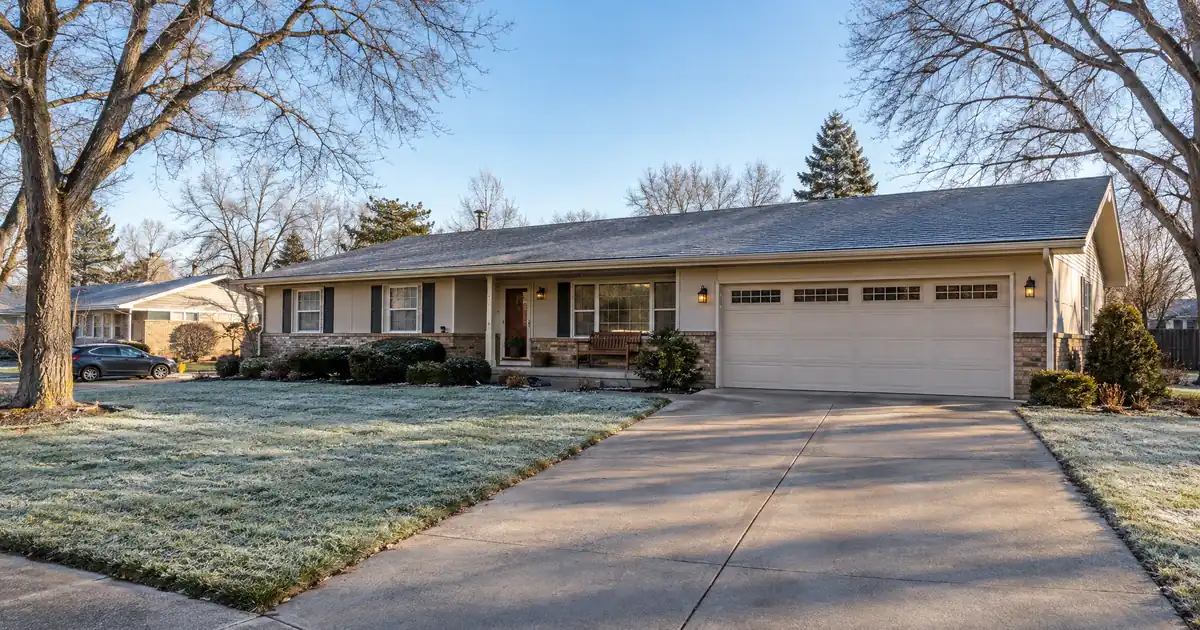
The Quick Read: A fire on one house in a pooled DSCR loan does not end the loan, but the lender typically controls the insurance money, your payments keep coming due, and the burned house stops contributing rent to the pool until it is repaired and leased again. On an older house, the claim check often falls short of the full rebuild cost, so plan for a cash gap. Everything below depends on your note, your policy, and the lender’s loss-draft terms.
- The loan stays in force, and payments continue during repairs.
- Dwelling claim checks usually name the lender, who releases funds in stages.
- Older roofs and old systems often settle at depreciated value, not rebuild cost.
- One unrented house pulls down pooled coverage until it earns rent again.
- Release, substitution, and paydown terms in the loan documents decide your exit options.
Key Terms Defined
Several terms come up again and again in a fire claim. Here they are in plain words.
- Portfolio DSCR loan: One note secured by several rentals. Some people call it a blanket loan or a cross-collateralized loan. All three names mean the same thing here.
- Pooled coverage: Total rent from every house in the pool, divided by the total monthly payment on the loan. DSCR stands for debt service coverage ratio, which compares rent to the payment (principal, interest, taxes, insurance, and any HOA dues).
- Mortgagee clause: The policy language that names your lender and gives it rights to claim money, separate from your own.
- Loss draft: The lender-side process of holding the claim check and releasing it as repairs progress.
- Actual cash value (ACV): What the damaged item was worth after wear and age. It is replacement cost minus depreciation.
- Replacement cost: What it costs to rebuild with comparable materials. Recoverable depreciation is the gap between the two.
- Ordinance or law coverage: An add-on that pays for code upgrades the city requires when you rebuild.
- Loss of rent (fair rental value): Coverage that pays when a covered peril makes the unit unfit to live in.
- Release clause: The loan term that spells out how one property can leave the pool.
Does the Loan Survive a Fire?
The note stays in force after a fire. You still owe the payment on the pooled loan every month, whether the burned house is standing or not. Your lender is not waiting to hear whether you rebuild before the next payment comes due.
That surprises new investors. A casualty loss is not a default. A default is a missed payment, a lapsed policy, or a breach of a covenant in the loan documents. The fire itself is an insured event. Letting coverage lapse afterward is not.
Your documents may require prompt written notice to the lender after a loss. Read that clause now, not after the smoke clears. Notice duties differ from loan to loan, and Lendmire’s team cannot tell you yours without seeing the note.
Who Controls the Claim Money?
On a dwelling claim, the check usually names both you and your lender. You endorse it and send it to the lender’s loss-draft department. Skipton is a public adjuster firm that walks through this joint-check process. The lender then holds the funds and releases them in stages.
The logic is simple. The house is the lender’s collateral. A borrower who pockets the check and walks away leaves the lender with a burned shell. So the lender stays in the middle until the work is done.
What you will typically be asked for:
- The adjuster’s estimate and your contractor’s bid
- A repair plan and any required permits
- Progress photos or inspections between draws
- A final inspection before the last payment
Small claims may be released in one payment. Larger ones usually go into a restricted account. The dollar line between the two varies by lender and servicer, so check your documents.
Loss-draft money is also slower than a normal insurance payout. A contractor who understands draw schedules helps. Many won’t start without upfront cash, which brings us to the gap.
First 24 Hours to First Rebuild Draw
Two tracks run at once: the insurer’s and the lender’s. Miss either one and the file stalls. The numbered steps below cover both tracks, in order.
1. First 24 hours: Make the property safe. Board up openings. Get the fire report, which speaks to cause. Photograph everything.
2. Notify the insurer: Open the claim and ask which coverage basis applies: replacement cost or ACV.
3. Notify the lender: Send written notice if your documents call for it. Ask for the loss-draft instructions in writing.
4. First week: Meet the adjuster at the property. Get your own contractor’s scope to compare against theirs. Ask whether ordinance or law coverage is on the policy.
5. First month: Receive the first payment. Under a replacement-cost policy, insurers usually pay ACV first and release the holdback after repairs are documented, as a landlord-insurance explainer describes. Endorse it and send it to the loss-draft department.
6. Rebuild: Draw funds against completed work. The loan payment keeps running throughout.
7. Re-lease: The unit needs a new lease or appraiser-supported market rent to count fully in the pool again.
Some owners hire a public adjuster for bigger losses. That is a business decision with its own fee, and worth pricing before you need one.
Why the House’s Age Changes the Claim
An older house turns a fire into a funding problem. The same flames cost a newer house less, because newer houses carry less depreciation and fewer code gaps.
Start with the policy basis. A state insurance regulator’s post-disaster claims guide explains that a policy that doesn’t specify replacement cost likely pays only ACV, and that recoverable depreciation is the gap between the two. Check your declarations page before anything happens.
Roofs are the usual trap. Bankrate notes that insurers may require an older roof to be covered at ACV, and that replacement-cost coverage may not be available for older roofs at all. So a house with a replacement-cost policy can still settle its roof at depreciated value. Not ideal.
Then there is underinsurance. The NAIC consumer guide to home insurance warns that if coverage falls below 80% of full replacement cost, the insurer may reduce claim payments. Market value is not rebuild cost. Market value includes land. Rebuild cost does not.
| Gap source | Who bears it | What to do |
|---|---|---|
| ACV holdback | You, until repairs finish | Keep cash for the interim |
| Older-roof ACV schedule | You | Read the roof clause before a loss |
| Code upgrades | You, unless endorsed | Ask about ordinance or law coverage |
| Deductible | You | Size it to your reserves |
| Coverage under 80% of rebuild cost | You, through reduced payment | Update the limit at renewal |
| Rent-loss cap or duration | You | Confirm trigger, waiting period, maximum |
Code upgrades deserve a second look. Rebuilding an older house can trigger wiring, egress, or foundation work that the city requires. Some landlord policies include none of this, or only a small sublimit. Ask for the percentage in writing. A local building department can also tell you whether heavy damage could push you toward a teardown instead of a repair.
What Happens to the Pool?
One burned house drags down the pooled number until it earns rent again. That is the direct cost of the pooled structure. Here is the investor math.
Picture four equal rentals, each covering its own share of the payment at about 1.25x. Pooled coverage starts at 1.25x. Take one house offline and the rent from three houses now faces the debt on four. Coverage drops to roughly 0.94x. In a five-house pool at the same strength, the pool lands at about 1.00x. These are illustrative ratios, not program terms.
Whether the lender counts the burned unit’s rent at all, and whether it retests the pool after a loss, depends on your loan documents. Many notes test coverage at origination, not monthly. Some add covenants. Read yours. A bigger pool and stronger houses give you more cushion.
Two structures are common in the network. Lendmire arranges both through select wholesale lenders, subject to lender guidelines.
| Factor | 30-year portfolio DSCR loan | Rental portfolio term loan |
|---|---|---|
| Properties | 2 to 20 | 5 or more |
| Loan size | Up to about $5,000,000 | Up to about $50,000,000 |
| Leverage cap | Up to 80% on purchase and rate-and-term | Up to 75% of value |
| Terms | 30-year, interest-only period available | Fixed 3, 5, 7, 10 years, balloon at maturity |
| Pool coverage floor | 1.00 on the pool | Set by the lender |
Credit floors on the portfolio programs start around 640, and some structures want 680 or 720. Loan sizes in the table reflect the program ranges, and larger balances go on review. A single-property DSCR loan works differently: a fire there only touches that one house. Small multifamily (five or more units) sits only inside the rental portfolio term loan.
Pooled coverage also never equals positive cash flow. DSCR compares rent to the payment. Repairs, vacancy, management, and capex sit outside it. A pool that clears its floor can still bleed cash during a rebuild.
Keeping Payments Current During Repairs
Rent-loss coverage is the bridge. A state insurance regulator’s consumer overview explains that fair rental value pays only when a covered peril makes the unit unfit to live in, and only for the shortest time reasonably required to repair it. It does not pay for a tenant who stops paying. It does not pay for ordinary vacancy.
Three things can go wrong:
- A cap that is too small. Duration and dollar limits vary by policy. A long rebuild can outlast them.
- A gap before the first payment. Insurers do not pay rent loss on day one. You carry the loan through the wait.
- Reserves that were sized for a quiet month. Reserve rules vary by lender, leverage, and loan size. On the rental portfolio term loan, lenders hold reserves for taxes, insurance, and capital expenditures. Those are not meant to fund your rebuild.
The practical fix is a separate cash cushion for a lost unit. Not glamorous. Very useful.
Where the General Rule Breaks
The general rule says the lender holds the check, the carrier pays, and you rebuild. These cases bend it.
Vacancy. Many landlord policies limit coverage for certain perils after a stretch of vacancy, often 30 to 60 days. Fire is often still covered, but the payment can be reduced, and arson at a vacant house gets contested. A house between tenants carries real claim risk.
Wrong policy or named insured. If the policy names you personally but the title sits in an LLC, the claim can stall. Entity ownership is subject to lender program eligibility, and the policy has to match the loan file. Fix the mismatch before a loss.
Lapsed coverage. This one is a covenant breach, not a casualty. It is the quickest way to turn a fire into a loan problem.
Unpermitted work. Old additions or conversions complicate the scope, and the carrier or city may not treat them the way you expect.
Small losses. A small claim may raise renewal costs or limit insurability for years. But your loan may still require notice. Weigh both, and read the notice clause before choosing to skip the claim.
Flood. Standard flood policies exclude loss of rental income. A flood-plus-fire loss needs its own review.
Rebuild, Sell, Pay Down, or Swap?
The right answer depends on the gap, the pool, and your appetite for work.
- Rebuild and re-lease fits when the claim plus your cash covers the gap and the house still earns its place in the pool. It restores pooled coverage once the unit is leased.
- Sell as-is is possible if your policy lets you take a settlement and sell to a buyer who wants fire-damaged property. Ask the adjuster. The sale proceeds go through the lender’s release terms.
- Pay down the loan and take the loss is the harder choice. It works when the rebuild gap is large and the pool can handle the lower balance.
- Release or substitute means pulling the burned house out of the pool, or swapping in a different property. Release prices run above the house’s allocated balance, and the remaining pool has to cover its debt service.
Honestly, this is a toss-up on many older houses. The rebuild looks cheap until the roof settles at ACV and the city asks for new wiring. Get the real scope and the real policy basis before you commit to anything.
The Pre-Loss Audit
Do this before a fire, not after. Pull your loan documents and your policies. Check:
- Replacement cost or ACV, and any roof schedule
- Ordinance or law coverage and its percentage
- Rent-loss duration, waiting period, and cap
- The vacancy clause
- The coinsurance or 80% clause
- Mortgagee wording and named insured
- Release, substitution, and paydown terms in the note
- Notice duties to the lender
A deeper read of how these loans work sits in Lendmire’s complete DSCR loans guide.
Frequently Asked Questions
Can the lender call my loan after a fire?
Not because of the fire itself. A loss is an insured event, not a default. The risks are a missed payment, lapsed coverage, or a covenant breach, so read your documents for notice duties and insurance requirements. Specific remedies depend on your note.
Do my other rentals get hurt?
On a pooled note, yes, indirectly. The burned house stops adding rent, which lowers pooled coverage until it is leased again. The other houses keep performing, and their rent offsets some of the loss. Whether the lender retests the pool depends on the loan documents.
Who endorses the check?
You do, along with the lender when both are named. Dwelling checks usually name both. You sign and send it to the loss-draft department, which holds it and releases funds as repairs progress. Contents and living-expense money is typically handled differently.
Does a small fire need lender notice?
It depends on the notice clause in your note and the loss-draft terms. Many loans require notice of any casualty, and some set a dollar threshold for how the lender handles proceeds. Read the clause before deciding whether to file a claim.
Will clearing 1.00 mean my pool cash flows during the rebuild?
No. DSCR compares rent to the payment only. Repairs, vacancy, management, utilities, and capex sit outside it. A pool can clear its floor and still lose cash while one unit is down.
If you are buying or refinancing a rental property and want to see how the numbers work, Lendmire can help you compare DSCR loan options based on the property income, credit profile, leverage, and investor goals. As a mortgage broker, Lendmire arranges these loans through select lenders in its wholesale network across 41 markets, including Washington, D.C., subject to lender guidelines and not a commitment to lend.
An old roof, a thin policy, and a pooled note make a fire expensive. Reading all three before the loss is what keeps the rebuild decision yours.
About Lendmire
Lendmire is a DSCR-focused mortgage brokerage, NMLS# 2371349, placing investor loans across 41 markets, including Washington, D.C. DSCR eligibility is generally reviewed by the lender around a property’s rental income rather than personal income documentation, which fits LLC-held rentals, self-employed investors, and portfolios scaling past conventional financed-property limits. Scotsman Guide named Lendmire a Top Mortgage Workplace in both 2025 and 2026.
Get Started
Ready to find the right loan for you?
In about 30 seconds you can review financing options available for your investment property. No commitment required.
Informational only. Not a Loan Estimate, approval, or commitment to lend. Program availability and eligibility are subject to lender guidelines, credit approval, property review, and underwriting.
References
1. Skipton
2. Obie landlord-insurance explainer on replacement cost
3. State insurance regulator’s post-disaster claims guide
4. Bankrate on roof ACV versus replacement cost
5. NAIC consumer guide to home insurance
6. State insurance regulator’s consumer overview of fair rental value
This article is part of Lendmire’s DSCR loan program — full qualification details, guidelines, and scenarios live on the program page.
Related reading: How to Pool Rentals in a DSCR Loan as a W-2 Investor Near the Cap · How a Portfolio DSCR Lender Trades a Condo for a House · How a DSCR Lender Reads a Vacancy Wave in a One-Employer Pool
Brandon Miller
Founder & CEO, Mortgage Loan Originator, Lendmire LLC
- Mortgage Loan Originator · NMLS# 1129696 · Verify on NMLS Consumer Access
- North Carolina Real Estate Broker · License# 343312 · Verify on NCREC
- North Carolina Insurance Producer · License# 19053198 · Property, Casualty, Life, Health · Verify on NAIC SBS
- Lendmire LLC · Firm NMLS# 2371349 · Verify firm licensure
Required disclosures. Lendmire (NMLS# 2371349) operates as a licensed mortgage broker, not a direct lender or depository. The discussion in this article is general in nature and should not be relied upon as financial, legal, or tax advice — every investment scenario is unique and should be reviewed by a qualified professional. Any loan inquiry is subject to lender underwriting, and this article is not a commitment to lend or a guarantee of approval. Mortgage rates, loan terms, and program guidelines vary by borrower, property, and state, and may change without notice. Equal Housing Opportunity. Verify licensure at NMLS Consumer Access.