
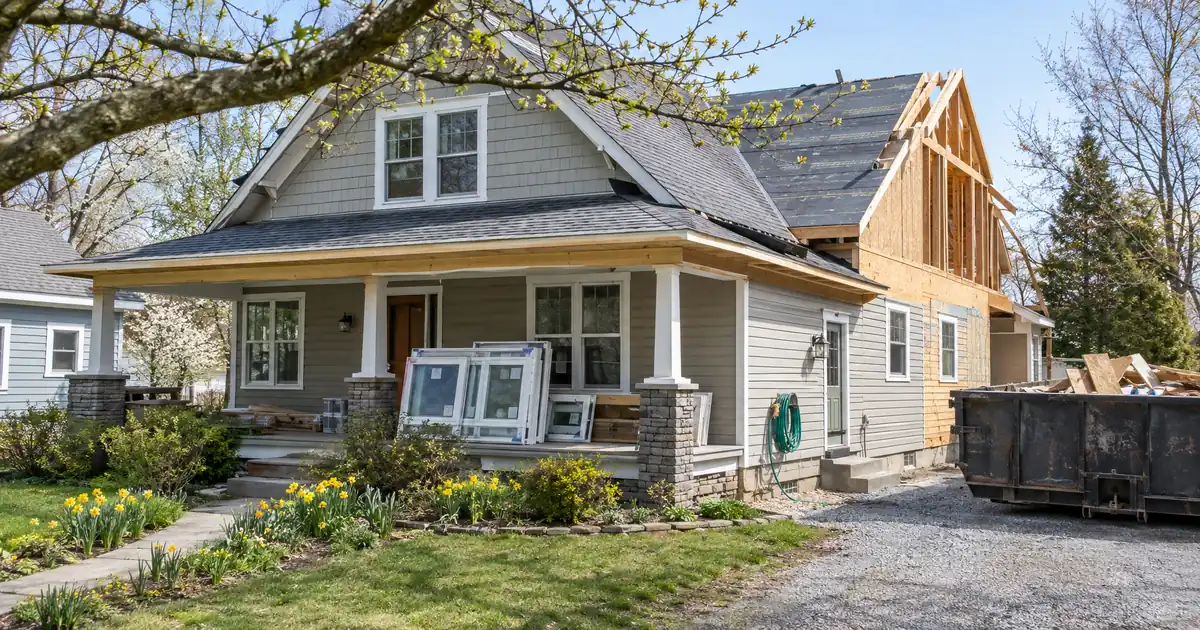
The Quick Read: One DSCR cash-out refinance can pay off your hard money loans and return leftover cash. That works only when the new loan, sized on the lender’s appraisal, covers the payoff, closing costs and reserves. The rent must also clear the coverage test. DSCR is a loan that qualifies primarily on property-level rental income covering the payment, subject to lender guidelines.
- The DSCR cash-out refinance on a standard rental tops out around 75% LTV across most of the network, subject to lender guidelines.
- Seasoning is about 6 months, counted from the date the deed was recorded.
- Coverage is a separate test from value. The lower of the two limits governs the loan.
- Several rentals can sit under one loan, but that is a different structure with its own rules.
What This Exit Actually Is
The refinance at the end of a BRRRR (buy, rehab, rent, refinance, repeat) is an ordinary cash-out refinance, not a special product. AdviceOnly’s BRRRR glossary notes that no regulation defines the strategy. It also says the appraisal and the lender’s seasoning rules decide whether the refinance works.
The lender, not you, sets the value. Your after-repair estimate gets you into the bridge loan. The exit lender’s appraisal sizes the new loan.
Hard money is the short-term bridge that buys and rehabs the property. Terms typically run 6 to 18 months, interest-only, and hard money leverage is capped by cost and by after-repair value. All of that varies by lender, property, and experience. The long-term DSCR loan is what replaces it, and many investors take that path through a hard money exit refinance.
A university explainer on the BRRRR method lists the refinance step as the point where the strategy succeeds or stalls. The reason is simple. The cash that comes back depends on appraised value, not on what you spent.
Key Terms Defined
Cash-out refinance: A new, larger loan that pays off the old one and hands you the difference.
Payoff-only refinance (rate-and-term): A new loan that covers the old payoff and closing costs but returns no cash.
Seasoning: The ownership time a lender wants before it sizes a loan on appraised value.
Cost basis: What you paid for the property plus documented rehab spending.
ARV (after-repair value): The value of the property once the work is finished. Only the lender’s appraisal counts for the exit.
PITIA: Principal, interest, taxes, insurance, and any association dues. It is the full monthly obligation.
DSCR (debt service coverage ratio): Monthly rent divided by PITIA. A result of 1.00 means rent equals the payment.
Blanket (portfolio) loan: One note secured by several rentals. It is also called a cross-collateralized loan.
How Underwriting Treats the Refinance, Step by Step
An underwriter runs the file through four gates. Failing any one of them changes the outcome. This is how most programs in our wholesale network read a BRRRR exit.
| Gate | What the lender checks | Typical DSCR program read |
|---|---|---|
| Seasoning | Time since recorded deed | About 6 months for cash-out |
| Value | Lender-ordered appraisal | Cash-out up to about 75% LTV |
| Coverage | Rent vs. PITIA | 1.00 is where select programs start |
| Credit and reserves | Score, liquid funds | Around 660 common; about 6 months PITIA |
Step 1: Pick the exit type first. A payoff-only refinance on one rental can run up to 85% LTV through the DSCR loan, but it returns no cash. A cash-out refinance on a standard investment rental runs up to about 75% LTV. The label you choose drives both the leverage cap and the seasoning rule.
Step 2: Start the seasoning clock at the deed. The clock runs from the recorded deed. It does not run from rehab completion or from the day a tenant moves in. Inside the window, many lenders size the loan on cost basis, meaning the purchase price plus documented rehab. After the window, appraised value drives the loan. Lendmire’s piece DSCR Cash-Out Seasoning Tiers for a BRRRR Refinance Out of Hard Money goes deeper on the tiers.
Step 3: Order the appraisal and hand over the paperwork. The appraiser sets the value and gives a market-rent opinion for the coverage test. Give the appraiser an itemized list of improvements with receipts. A rehab that the appraiser cannot see on paper is a rehab that may not show up in value.
Step 4: Test the coverage. The lender divides monthly rent by PITIA. The new loan is larger than the old bridge balance, so the payment is larger too. On a single rental, 1.00 is where many select programs start. A separate select-lender path takes coverage below 1.00, with leverage and terms adjusted. Stronger ratios open better pricing and leverage.
Clearing 1.00 does not mean positive cash flow. Repairs, vacancy, management, utilities and capital spending all sit outside the calculation.
Step 5: Clear credit and reserves. A loan on one rental has its own credit tiers, with a 620 floor in parts of the network and most programs wanting around 660. A score of 700 or higher unlocks the strongest leverage tiers. Reserves commonly run about 6 months of PITIA, and about 9 months on loans above $1,500,000. Reserves vary by lender, leverage, loan size and transaction type. They also come out of your proceeds, so they matter to the break-even.
Step 6: Gather the file. You will want the hard money payoff letter, the recorded deed, rehab draw records and receipts, the lease, entity documents, and reserve statements.
Step 7: Close. Title pays off the bridge. Anything left after costs goes to you. The programs described here are subject to lender guidelines and are not a commitment to lend.
The Break-Even Test
Your cash-out is positive only if the new loan exceeds the payoff, costs and reserves. Use an index instead of dollars: call the appraised value 100.
At a 75% cap, the maximum new loan is 75 points. Say the hard money payoff plus closing costs adds up to 70 points. That leaves about 5 points of value before reserves, and reserves can absorb it.
Now suppose the appraisal comes in at 90 instead. The cap drops to 67.5 points, which is under the payoff. The refinance now needs cash from you to close.
Payoff grows while you wait. Accrued interest, extension fees and any exit charges on the old note all raise it. Ask for an updated payoff letter before you commit to a timeline.
A modest appraisal miss can erase the whole cash-out. That is why capital recycling in this strategy is a hope, not a promise.
Can One Loan Cover Several Rentals?
Yes, but “one cash-out refinance” can mean one loan per property or one note over many. A blanket loan is one note secured by several rentals. It is the same thing as a portfolio DSCR loan or a cross-collateralized loan. A bank’s own portfolio loan, one it keeps on its books, is a different sense of the word.
The network has two blanket structures. The 30-year portfolio DSCR loan covers 2 to 20 properties under one note. Loan sizes run $300,000 to $5,000,000, with larger balances on review. It allows leverage up to 80% of value on purchase and rate-and-term, and a cash-out never goes above 75% of the pooled value. The rental portfolio term loan covers five or more rental properties or units, with loan sizes from $500,000 to $50,000,000 and leverage up to 75% of value. Terms are fixed at 3, 5, 7 or 10 years with a balloon at maturity. Recourse and non-recourse versions exist, and prepayment follows yield maintenance. Small multifamily of five or more units is eligible only on the rental portfolio term loan. Terms depend on the lender’s guidelines, the property type, the leverage, and a full review of the credit profile.
| Factor | Separate loans | Blanket loan |
|---|---|---|
| Coverage test | Each rental alone | Pooled rent vs. pooled debt |
| Weak rental | Can sink its own loan | Strong rentals can offset it |
| Collateral | One property each | All properties tied together |
| Selling one | Simple | Follows release terms |
On the 30-year portfolio DSCR loan, the 1.00 floor applies to the pool. A rental below 1.00 can sit in the pool, but underwriting tests the pooled coverage, the leverage and the terms. The portfolio programs ask for a 640 credit floor, with 680 or 720 on some structures. Some structures require a special-purpose entity, usually an LLC, subject to lender guidelines. Every property still needs a lease or an appraiser-supported market rent.
Seasoning works as a second cap on blanket cash-outs. Inside the first six months of ownership, the loan is also capped at 90% of total cost (purchase price plus documented improvements). It is capped at 100% of total cost from six to twelve months. The leverage ceiling still applies, and the loan is the lower of the two. After twelve months, appraised value alone is the basis. A rate-and-term refinance is not subject to the cost-basis cap.
The tradeoff is cross-collateral risk. One weak property can drag on the pool, and selling one rental later follows the lender’s release terms. The release price runs above the property’s allocated balance, and the remaining portfolio must still cover its debt service.
Where the General Rule Breaks
The bridge expires before the clock does. Your hard money note has to outlast rehab, lease-up, seasoning, appraisal and underwriting. A 6-to-18-month term sounds roomy until a rehab runs long. Work backward from the maturity date, and build in a cushion for the appraisal.
An early exit can happen, but on cost basis. Some lenders refinance before the seasoning window ends. The loan may still be sized from your purchase price and documented rehab, not from appraised value. You get paid out of the bridge, but little or no cash comes back.
The two-step path. You can do a payoff-only refinance now and a cash-out after seasoning. That costs you a second closing. It beats waiting only if the bridge has run out of room.
Delayed financing will not rescue you. A hard money loan is a mortgage on the property, so it generally fails that test. This is agency contrast only, and it does not govern DSCR loans.
Private or family money needs a paper trail. If a relative funded part of the purchase, document the transfers and the loan terms. Otherwise an underwriter may read the money as a gift.
Some property types are off the table. Manufactured homes, log homes and barndominiums are not offered through the network’s DSCR programs. Hard money 1-to-4-unit collateral that fits those categories cannot be taken out this way.
A short appraisal has options. In order of cost, they are an appraisal review with better comps and a documented rehab list, bringing cash to close, a payoff-only refinance, a bridge extension, or a sale.
What the Decision Looks Like in Practice
Picture an investor with three finished rentals on three separate hard money notes. Two rents clear 1.2x coverage, and one sits near 0.95. All three deeds are past the six-month mark.
Separate refinances would test each property alone, and the 0.95 property would need a select-lender path with leverage and terms adjusted. A blanket loan tests the pool. Strong coverage on two rentals can carry the third, but underwriting tests the pooled coverage, the leverage and the terms before any approval, and that holds only if the pool stays at or above 1.00.
Before you commit to one cash-out, run this checklist:
- Is every deed recorded far enough back for cash-out sizing?
- Do the updated payoff letters, including extension fees, fit under the loan cap?
- Does the pooled or individual coverage clear 1.00?
- Would reserves swallow the proceeds?
- Do you have a plan if the appraisal comes in 10% light?
Cash-out proceeds are not guaranteed, and the amount depends on rent used for lender review, PITIA, reserves and the 75% ceiling.
Pulling equity out always leaves a bigger loan behind, which is why the coverage test exists. A CFPB research report on cash-out refinances describes the main risk of the product: converting other debt into mortgage debt secured by the property.
Common Mistakes
- Treating finished rehab as the start of the clock. The deed date starts it.
- Trusting your own ARV. The lender’s appraisal sizes the loan. Pulling comps from consumer sites as your only data can mislead you.
- Assuming strong rent shortens seasoning. Rent and seasoning are separate tests.
- Ignoring payoff growth. Interest and fees keep stacking up until the day of payoff.
- Forgetting reserves. They can absorb the cash you were counting on.
- Calling seasoning a law. It is lender policy, and it differs across programs.
Frequently Asked Questions
Can one cash-out refinance really pay off several hard money loans?
Yes, if you use a blanket loan or run separate refinances at the same time. A blanket loan puts the properties under one note. Two structures in the network allow it, and each has its own size, leverage and term limits. Each property must still carry a lease or an appraiser-supported rent.
How long do I have to own the property first?
The common expectation for a DSCR cash-out is about 6 months, counted from the recorded deed. Inside that window, many lenders size the loan on cost basis. Programs differ, so ask each lender for its seasoning rule in writing.
What if the appraisal comes in below my estimate?
You have options. Request a review with better comps and an itemized rehab list, bring cash to close, switch to a payoff-only refinance, extend the bridge, or sell. The right choice depends on how much room the bridge note still has.
Does clearing 1.00 coverage mean the rental makes money?
No. DSCR compares rent to PITIA only. Repairs, vacancy, management, utilities and capital spending are outside the calculation, so a property can clear 1.00 and still lose money.
Do reserves come out of my cash-out?
They can. Many files expect about 6 months of PITIA in reserves, and about 9 months on loans above $1,500,000. Subtract them in your break-even math before you count on any cash back.
Next Step
If you are buying or refinancing a rental property and want to see how the numbers work, Lendmire can help you compare DSCR loan options based on the property income, credit profile, leverage, and investor goals. As a mortgage broker, Lendmire arranges financing through select lenders in its wholesale network, across 41 markets, including Washington, D.C. Call 828-256-2183 to talk through your payoff and timeline. The full complete DSCR loans guide covers the loan itself in more depth.
The cleanest BRRRR exits are the ones planned from the hard money maturity date backward, with the appraisal treated as the one number you do not control.
About Lendmire
Lendmire — NMLS# 2371349 — is a mortgage brokerage specializing in DSCR investor loans, helping arrange financing across 41 markets, including Washington, D.C., through wholesale and investor-lending channels. The model centers on property-level rental income reviewed by the lender rather than W-2 documentation, subject to lender guidelines, suiting entity-owned and multi-property investors. Lendmire holds Scotsman Guide Top Mortgage Workplace recognition for 2025 and 2026.
Get Started
Ready to find the right loan for you?
In about 30 seconds you can review financing options available for your investment property. No commitment required.
Informational only. Not a Loan Estimate, approval, or commitment to lend. Program availability and eligibility are subject to lender guidelines, credit approval, property review, and underwriting.
References
1. AdviceOnly: BRRRR Method glossary
2. University of San Diego: BRRRR Method
3. CFPB: Cash-Out Refinances and Paydown Behavior of Non-Mortgage Debt Balances
This article is part of Lendmire’s hard money loan program — full qualification details, guidelines, and scenarios live on the program page.
Related reading: How to Refinance a Stabilized BRRRR Batch Into One DSCR Loan · How to Present Section 8 Rentals to a DSCR Lender · How a DSCR Lender Consolidates Rentals With a Credit Line
Brandon Miller
Founder & CEO, Mortgage Loan Originator, Lendmire LLC
- Mortgage Loan Originator · NMLS# 1129696 · Verify on NMLS Consumer Access
- North Carolina Real Estate Broker · License# 343312 · Verify on NCREC
- North Carolina Insurance Producer · License# 19053198 · Property, Casualty, Life, Health · Verify on NAIC SBS
- Lendmire LLC · Firm NMLS# 2371349 · Verify firm licensure
Disclosures. The information presented in this article is general market commentary, not financial, legal, or tax advice. Lendmire is a mortgage brokerage (NMLS# 2371349) — not a direct lender or depository institution — and loan placement is subject to lender underwriting. Nothing in this content represents a commitment to lend. Loan terms, pricing, and program availability vary based on borrower qualifications, property characteristics, and state of subject property, and are subject to change at any time. Lendmire complies with Equal Housing Opportunity requirements. Consumer access: nmlsconsumeraccess.org.