
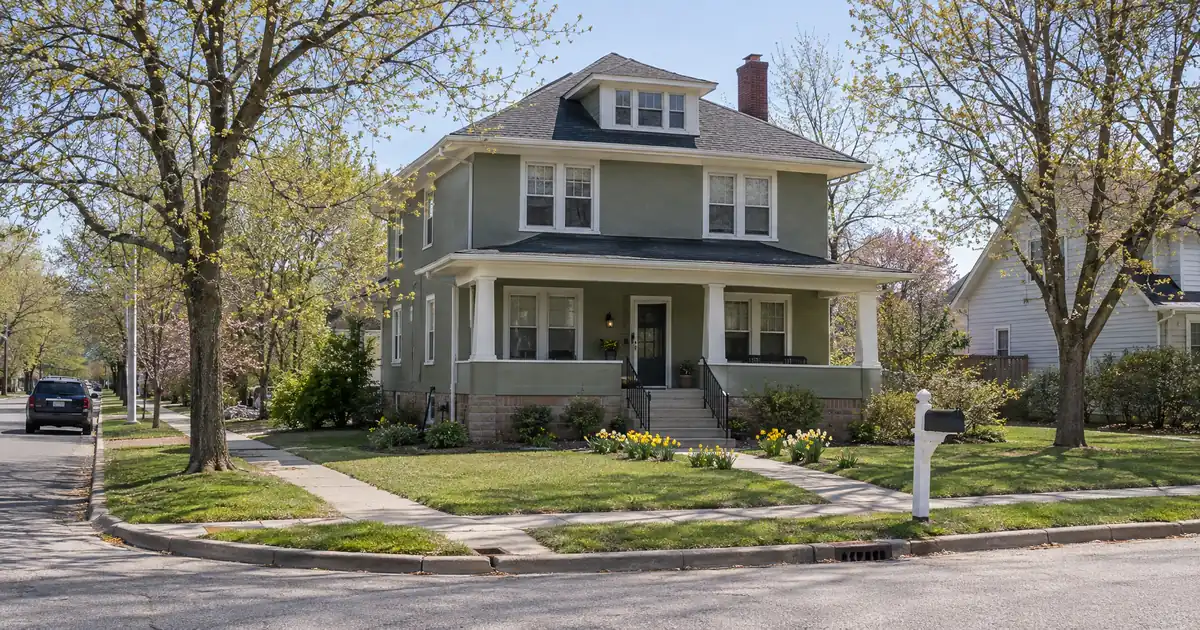
The Quick Read: A DSCR takeout fits a build-to-rent property that is finished, rentable and shows rent that covers the new loan’s payment. An extension fits a project that is not ready yet, because it keeps the existing construction note alive while you finish or lease up.
- A takeout is a new permanent loan that pays off the construction note, sized off the finished appraised value rather than the build cost.
- An extension is a change to the existing construction loan, and it depends on what the loan documents allow and on the lender’s appetite.
- Many sponsors run both tracks at once, so the maturity date does not force a bad decision.
- Most network programs treat 1.00 coverage as where select programs start, and stronger ratios open better leverage.
Most sponsors do not choose between these two options in the abstract. They choose under pressure, with a maturity date approaching and a project at some stage of completion. The honest answer is that the two tools do different jobs. The takeout is the destination. The extension is the time you buy to reach it, so the two often work in sequence rather than as rivals.
DSCR loans are designed for non-owner-occupied investment properties. Because they are business-purpose investor loans, they are reviewed differently from a standard owner-occupied mortgage.
Key Terms Defined
Takeout loan: Permanent financing that retires short-term debt such as a construction or bridge loan, sometimes returning part of the invested equity.
Extension: A change to the existing construction loan that pushes its maturity date out, usually under an option or a negotiated modification.
Certificate of occupancy (CO): The local sign-off that a finished building can be lived in, and typically the gating document for permanent funding.
Stabilization: The point where a property’s rent is steady enough for a permanent lender to underwrite. Construction lenders and permanent lenders often define it differently.
Debt service coverage ratio (DSCR): Monthly rent divided by the monthly principal, interest, taxes, insurance and any HOA dues. It measures the property’s rent against its payment.
Why These Are Two Different Jobs
A DSCR loan generally cannot fund the build. It needs a finished, rentable property to underwrite. Construction loans work the opposite way: they look at the sponsor, the budget and the exit plan during the build, not at rental income.
The usual sequence runs in order. The construction lender funds the build in draws. The building reaches completion and a CO. A new appraisal values the finished property. Then the DSCR loan pays off the construction balance. That is a two-closing structure, and the permanent loan is a separate application with its own underwriting. Nothing rolls over automatically. Only a single-closing construction-to-permanent loan does that, and it is a third path, not a DSCR takeout.
For context on the market, NAHB’s analysis of Census data puts single-family build-to-rent starts at about 15,000 in the latest quarter, down from 18,000 a year earlier. The segment is still sizable, but softer starts mean less speculative capital chasing exits.
Side-by-Side
The DSCR column reflects how programs across Lendmire’s wholesale network typically work. The extension column reflects published industry norms for construction loans, which vary by lender and loan documents.
| Factor | DSCR Takeout | Construction Extension |
|---|---|---|
| What it is | New permanent loan | Change to existing loan |
| Review basis | Property rent vs. debt service | Sponsor, progress, exit plan |
| Who decides | New lender, new underwriting | Current construction lender |
| Documentation | Appraisal, lease or rent schedule, title, entity papers | Loan documents, status report, exit plan |
| Property condition | Finished and rentable | Can be unfinished |
| Entity vesting | LLC or entity commonly accepted, subject to program terms | Entity often required by the lender |
| Sizing | Finished appraised value | Existing loan balance stays |
| Reserves | Commonly around 6 months of PITIA, varying by file | Set by the lender’s terms |
| Main risk | Appraisal or coverage miss | Lender discretion |
| Timeline | Starts before completion, needs a CO | Notice window before maturity |
When a DSCR Takeout Is the Better Fit
A takeout is the stronger move when the property is done and the rent can be shown. Four conditions usually point that way:
- The CO is issued and the building is complete. Permanent-financing conversions generally require completion, cleared liens and a completion appraisal, so these items are the ordinary gate for a payoff.
- Rent is supportable. Either a signed lease or an appraiser’s rent schedule shows income. For a property that is rent-ready but unleased, many lenders lean on market-rent figures. Lendmire’s piece Lease Rent vs 1007 Market Rent: Which Figure a DSCR Lender Uses explains which figure a lender uses.
- Coverage clears. Across the network, 1.00 is where select programs start. Stronger ratios open better leverage and terms. A separate select-lender path goes below 1.00, with leverage and terms adjusted.
- You want the construction debt gone. Extension terms are negotiated. A takeout ends that dependence.
Leverage matters here. On a purchase, most files land at 75%-80% LTV, and a cash-out refinance tops out around 75% LTV. A takeout of a completed build is usually underwritten against that kind of ceiling. The loan is sized off the finished value, not what you spent. If costs overran, the DSCR loan does not refinance the gap away, so the sponsor funds it.
Credit and reserves count too. A 620 score is the floor in parts of the network, most programs want around 660, and 700+ unlocks the strongest tiers. Reserves commonly run about 6 months of PITIA, stepping up to about 9 months above $1,500,000. Loan size runs up to $3,000,000 on standard programs.
One more point: coverage is not the same as cash flow. DSCR compares rent to PITIA only. Clearing 1.00 does not mean the property is cash-flow positive, because repairs, vacancy, management, utilities and capex sit outside the calculation.
When a Construction Lender Extension Is the Better Fit
An extension is the better tool when the project, not the financing, is what is behind schedule. The right path depends on what stalled:
- Lease-up lag. The building is finished but not leased, and the appraiser cannot yet support the rent. Time lets the lease-up season.
- Coverage miss. Rent covers the payment at some leverage, but not enough for the takeout you wanted. Time lets rent firm up, or lets you restructure.
- Missing paperwork. Documents such as the CO, title items or entity records are not ready.
- Stabilization mismatch. The construction lender and the permanent lender define stabilization differently, and you need time to meet the stricter test.
An extension is not a free fallback. It exists if the loan documents grant an option, often with a written-notice window before maturity, as a typical contract clause around a permanent takeout commitment suggests. Otherwise it is a negotiation, and the lender decides. Lenders typically weigh payment history, draw status, how far along the build is, and whether the exit plan is credible. Bring a status update and a concrete plan, not just a request.
The trade-off is that an extension compounds your maturity risk. You are still exposed to the same lender, and you have only delayed the appraisal and coverage test.
Running Both Tracks
The most useful point is also the least discussed: these are parallel tracks, not sequential ones. Line up a DSCR lender before the maturity date approaches, and at the same time confirm what your loan documents allow for an extension. If the takeout is ready, you use it. If the appraisal or lease-up slips, the extension buys time without starting from zero.
Here is how that looks in practice for a phased build-to-rent community. A sponsor finishes the first phase of homes while later phases are still under construction. A portfolio DSCR loan may take out the finished phases, reading pooled rent against pooled debt service, but whether a program allows that is guideline-specific. The later phases may need an extension of their own. The cost is multiple closings.
Seasoning is another quiet variable. It is program policy, not law, and it varies. Whether a given program waives it for ground-up construction is something to confirm before you plan around it.
Working Backward From Maturity
Work from the maturity date and set checkpoints:
1. Before breaking ground: Confirm what the DSCR exit requires, including entity rules, property type and appraisal method.
2. During the build: Keep the entity consistent between the construction note and the takeout where possible, to avoid a title or transfer step.
3. Near completion: Order the CO, gather lease or rent-schedule support, and open the takeout application.
4. If the schedule slips: Request the extension early, while you can still show progress.
5. At payoff: Expect fresh title work and entity documents before the DSCR loan retires the balance.
Unit count can also change your exit. One investor view holds that building three or four units, rather than a single home, can give you more exit options depending on which appraisal method produces the higher value. That is a single anecdotal opinion. It is worth modeling, not assuming.
Some build-to-rent is built as condos rather than fee-simple lots, and NAHB notes these may be counted differently in Census data. For financing, confirm how a given program treats condo-form product.
A Balanced Verdict
Take the DSCR takeout if the property is finished, the CO is in hand, rent is documented and the coverage ratio clears with room to spare. Take the extension if the project needs time and your loan documents or your lender relationship support it. If you cannot tell which applies, you are the investor the parallel-track approach was made for.
Neither option is the safer choice in every case. A takeout depends on a new lender’s appraisal and underwriting. An extension depends on your current lender’s willingness. Test both exits before you break ground, not after the note is due.
The investment property loan options Lendmire arranges across 41 markets, including Washington, D.C., are covered in the complete DSCR loans guide. If you are buying or refinancing a rental property and want to see how the numbers work, Lendmire can help you compare DSCR loan options based on the property income, credit profile, leverage and investor goals, and qualification is subject to lender guidelines and credit approval.
Frequently Asked Questions
Can a DSCR loan fund construction?
Not directly. A DSCR loan needs a finished, rentable property to underwrite, so the construction loan funds the build and the DSCR loan typically serves as the permanent takeout afterward.
Can I use a different lender for the takeout than the construction lender?
Often yes. In a two-closing structure, the permanent lender may differ from the construction lender and underwrites the permanent loan separately. Confirm your construction documents for any payoff restrictions.
What if my construction loan matures before lease-up finishes?
That timing gap is where an extension or bridge usually comes in. An extension can buy time to reach a DSCR takeout, though it depends on your loan documents and the lender’s appetite.
Is the takeout sized on cost or finished value?
Finished appraised value. If the build ran over budget, the new loan does not rise to cover it, so the sponsor funds the gap.
Is a DSCR takeout the same as a one-closing construction-to-permanent loan?
No. A single-closing loan avoids a second underwriting but may carry tighter leverage and needs a lease-up plan for conversion. A DSCR takeout is a separate permanent loan.
About Lendmire
Lendmire, NMLS# 2371349, is a mortgage brokerage focused on investor financing, arranging DSCR loans in 40 states plus Washington, D.C. — 41 markets total. Qualification is based on the property’s income rather than personal income documentation, subject to lender guidelines, making it a fit for LLC-held rentals and scaling portfolios. Scotsman Guide named Lendmire a Top Mortgage Workplace in both 2025 and 2026.
Get Started
Ready to find the right loan for you?
In about 30 seconds you can review financing options available for your investment property. No commitment required.
Informational only. Not a Loan Estimate, approval, or commitment to lend. Program availability and eligibility are subject to lender guidelines, credit approval, property review, and underwriting.
References
1. Fannie Mae Selling Guide B5-3.1-01: Conversion Construction Permanent Financing Overview
2. Law Insider: Permanent Takeout
3. NAHB Eye on Housing: Single-Family Built-for-Rent
4. Fannie Mae Selling Guide B5-3.1-03: Two Closing Transactions
This article is part of Lendmire’s DSCR loan program — full qualification details, guidelines, and scenarios live on the program page.
Related reading: How to Build a Vacancy Buffer in a DSCR Pool With One Employer · How a Portfolio DSCR Lender Handles a Trust and an LLC on Title · How to Build a Rent Roll and Lease Package for a Portfolio DSCR Loan
Brandon Miller
Founder & CEO, Mortgage Loan Originator, Lendmire LLC
- Mortgage Loan Originator · NMLS# 1129696 · Verify on NMLS Consumer Access
- North Carolina Real Estate Broker · License# 343312 · Verify on NCREC
- North Carolina Insurance Producer · License# 19053198 · Property, Casualty, Life, Health · Verify on NAIC SBS
- Lendmire LLC · Firm NMLS# 2371349 · Verify firm licensure
Compliance and disclosures. Lendmire (NMLS# 2371349) is a licensed mortgage broker and is not a direct lender, depository institution, financial advisor, or tax professional. Content in this article is general market analysis and educational information — not financial, legal, or tax advice for any specific situation. Lendmire does not guarantee loan approval; every transaction is subject to underwriting by the funding lender. Mortgage pricing and loan program guidelines are subject to change at any time without notice and vary by borrower characteristics, property type, and state regulations. Lendmire complies with Equal Housing Opportunity. Licensure verification: NMLS Consumer Access.