
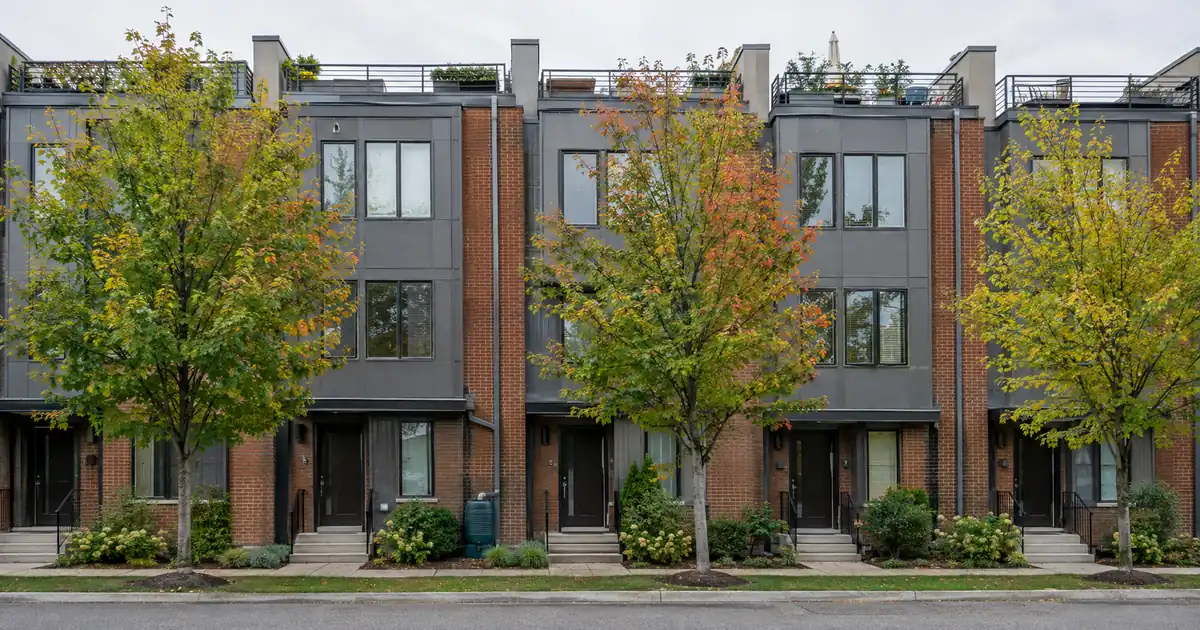
The Quick Read: Yes. HOA dues sit in the payment side of the coverage formula, so they lower the ratio on every condo, and holding the units in LLCs does not change that math. Across ten or more condos the effect repeats ten times, once per association, and each unit is usually tested on its own rent against its own payment.
- Dues are added to the denominator (PITIA), never subtracted from rent.
- An LLC changes the borrower paperwork, not the ratio.
- A rising dues line in one building hits every unit you own there.
- Clearing 1.00 does not mean the condo cash flows.
- Several units in one building can trigger condo project review issues that go beyond the ratio.
Here is how the mechanics work, where the exceptions sit, and how a 10+ condo investor can decide which doors to keep, refinance, or sell. For the wider picture, see Lendmire’s complete DSCR loans guide.
DSCR Calculator
Run the numbers in your market
Rate source: Freddie Mac 30-yr average via FRED® — Federal Reserve Bank of St. Louis · effective Oct 15, 2026
Prefilled with starting assumptions — enter your own rent or nightly figures, taxes, insurance, and HOA for a more accurate picture.
Program parameters update from Lendmire’s centralized guideline source. Taxes and insurance are editable estimates.
As of Oct 15, 2026 · General Freddie Mac market benchmark, not a Lendmire loan offer. Rent, nightly rate, occupancy, taxes, and insurance are editable estimates. Short-term rental figures are estimates only and vary significantly by season, property type, management approach, and local short-term-rental rules — confirm local regulations before relying on them. Qualifying income for short-term rentals varies by program — some use appraisal market rent, others use documented STR history or projections — and is confirmed in underwriting. Not a Loan Estimate, approval, or commitment to lend. Program availability and eligibility are subject to lender guidelines, credit approval, property review, and underwriting.
How Do HOA Dues Enter the DSCR Formula?
Dues go into the “A” of PITIA. DSCR is monthly rent divided by principal, interest, taxes, insurance, and association dues. Anything that raises the denominator lowers the ratio. Dues work like a tax increase: dollar for dollar.
A condo that rents like a house down the street will therefore score lower than the house. Same rent, bigger denominator. Investor commentary on scaling past a handful of doors lists the same inputs: mortgage, taxes, insurance, and HOA where it applies.
Two things stay outside the formula entirely: vacancy and operating costs. That matters later, because it means a passing ratio tells you little about your real margin.
What Does a Single Condo Look Like With and Without Dues?
Run the numbers on a hypothetical condo, using ratios only. Say rent covers the principal, interest, taxes, and insurance at about 1.30x before dues. Add a dues line and the same rent now covers the full obligation at roughly 1.15x. Nothing about the tenant, the lease, or the loan changed. The only new input was the association.
Push it one step further. If dues climb at the next budget cycle, that 1.15x drifts toward 1.05x. If the program you want starts at 1.00, you are now one assessment-driven increase away from the floor.
That is the whole problem in miniature. Ten condos give you ten of these small exposures.
What Happens Across Ten or More Condos?
Each condo is tested against its own payment on a standard single-property loan. The portfolio does not average itself out. A strong unit does not rescue a weak one unless the files are structured as a blanket loan, and even then treatment varies by lender.
Here is an illustrative portfolio view. The tiers are hypothetical and show direction only, not market data.
| Unit type (hypothetical) | Coverage before dues | Coverage after dues | After a dues increase |
|---|---|---|---|
| Low-dues building | ~1.40x | ~1.32x | ~1.28x |
| Mid-dues building | ~1.30x | ~1.15x | ~1.07x |
| High-dues building | ~1.25x | ~1.02x | Below 1.00x |
Rank your book this way. The high-dues doors hit the floor first, and they are the ones that limit refinance and cash-out capacity. Dues often run higher in amenity-heavy buildings with elevators, pools, and shared insurance, so building type predicts the weak links better than unit size does.
A practical point for investors who have scaled past a dozen doors: a dues hike at one association hits every unit you own in that building at once. Two buildings with a 10% increase hurt more than ten buildings with a 10% increase on one door each, because the exposure is concentrated rather than diversified.
How Much Extra Rent Offsets a Dues Increase?
Use the reverse math. The rent needed at your target coverage is that target multiplied by the new total payment. So each extra dollar of dues requires about the target ratio in extra rent. At a 1.20x target, every added dollar of dues needs roughly $1.20 of additional rent to hold the same ratio.
Maximum dues you can carry equal rent divided by your target ratio, minus principal and interest, taxes, and insurance. Do this once per building and you will know exactly how much cushion each association has before the file gets tight.
Do Special Assessments Count?
Normally only recurring dues enter PITIA, and one-time assessments typically stay out of the monthly calculation. Some lenders look harder at known pending assessments, and treatment varies by program. Even when an assessment never touches the ratio, it still hits your cash and often drives the next dues increase.
The timing risk shows up at refinance. If dues rose after you bought, the new ratio uses today’s figure, not the purchase-day figure. A condo that qualified comfortably at purchase can come back tight at cash-out. Pull current dues from each association before you plan any refinance.
Does Holding Condos in LLCs Change the Treatment?
No. The ratio is a property-level test, and the entity does not alter it. DSCR loans can go to LLC borrowers, subject to lender program eligibility, with the personal guarantor typically standing behind the loan. Those details shape the borrower and guarantor paperwork, not how dues are counted.
Structure still matters in two ways. First, per-unit LLCs keep each loan clean and let you finance, refinance, or sell one door without touching the others. Several condos in one LLC is workable, but it can complicate unbundling later. Lendmire’s piece Can an Investor With 10+ Doors in LLCs Unbundle a DSCR Portfolio Loan? covers that tradeoff. Second, association documents and master-policy requirements sometimes reference the owner by name, so keep entity names consistent across the deed, the loan, and the association records.
What About Owning Several Units in One Building?
This is the issue that separates a 10+ condo portfolio from a single purchase. Past the ratio, lenders review the project itself: its budget, reserves, delinquencies, insurance, litigation, and how many units are investor-owned.
Agencies treat concentration as a project-eligibility question. Freddie Mac’s Seller/Servicer Guide sets a single-investor concentration framework by project size, and Fannie Mae’s Lender Letter LL-2026-03 retired its 50% investment-property concentration limit in established projects under full review while keeping the presale requirement. The Community Associations Institute confirms that change. These are agency rules and they do not govern DSCR underwriting. The takeaway for you is simpler: agency labels shape whether a building gets called non-warrantable, and that label can affect leverage and conditions at a DSCR lender’s discretion.
Non-warrantable does not mean unfinanceable. It means more conditions, and sometimes lower leverage. The more units you stack in one association, the more that building reads as investor-heavy. Spreading units across buildings, and across lenders, reduces the concentration problem. Separately, a rental-restriction ban at your intended lease term is a hard stop, whatever the ratio says.
Does the Ratio Show Whether the Condo Cash Flows?
No. DSCR compares rent to PITIA only. Vacancy, repairs, management, utilities, and capital reserves all sit outside the test.
| In the lender’s test | In real operating costs |
|---|---|
| Principal and interest | Vacancy and turnover |
| Taxes | Repairs and maintenance |
| Insurance | Property management |
| HOA dues | Utilities you cover, capex, assessments |
A condo at 1.05x can pass and still lose money after a month of vacancy. Judge each door on both tests.
DSCR vs. conventional financing
There are two common ways to finance an investment property, and they qualify you differently — here’s how investors weigh them.
Why investors choose it
- Qualifies on the property’s rental income — no personal tax returns, W-2s, or pay stubs needed to document income.
- No personal debt-to-income ceiling to clear, so existing mortgages and obligations don’t cap your borrowing the same way.
- Can be closed in an LLC, keeping the property inside a business entity.
- Built for scaling — not held to the limit on number of financed properties that conventional financing applies.
- Underwriting centers on the deal: generally qualifies when the rent covers the payment, a 1.00x coverage ratio being a common baseline (confirmed in underwriting).
- Designed specifically for investment property, including long-term and, where the program allows, short-term rentals.
Where it’s strong
- Often the lowest ongoing financing cost for a buyer who fully qualifies on personal income — a fit for a first property or a cost-first purchase.
Trade-offs for investors
- Requires full personal income documentation and must fit within a debt-to-income limit — salary, existing debts, and other mortgages all count.
- Typically held in your personal name rather than a business entity.
- Caps how many financed properties you can carry, which can become a ceiling as a portfolio grows.
- Evaluates you as a borrower as much as the property, which usually means more paperwork.
How investors usually choose: a first or single property often optimizes for the lowest financing cost; portfolio builders often optimize for leverage, vesting in an LLC, and scaling past conventional caps. The right answer depends on your goals, the property, and current guidelines — both paths run through select lenders in Lendmire’s wholesale network, with eligibility and terms confirmed in underwriting.
Why Do Investors With 10+ Doors End Up Here?
Conventional financing runs out. Fannie Mae’s Selling Guide caps investment-property borrowers at 10 financed properties through its automated underwriting. That cap is an agency limit, not a DSCR one. Agency cash-flow methods also treat dues differently, so an investor with a conventional history may expect add-backs that DSCR simply does not give.
Across the wholesale network Lendmire works with, DSCR programs qualify primarily on property-level rental income covering the payment, subject to lender guidelines. Many programs start at 1.00 coverage, and stronger ratios open better pricing and leverage. A separate select-lender path takes coverage below 1.00, with leverage and terms adjusted. Most files land at 75% to 80% LTV on a purchase, cash-out tops out around 75% LTV on a rental, and credit floors begin at 620, with 660 to 700 and up opening the stronger tiers. Reserves run about 6 months of PITIA on most files, stepping up for larger loans, and all of this varies by lender and file.
Which Condos Should You Keep, Refinance, or Sell?
A decision rule helps. Sort your condos by coverage after current dues.
| Coverage after dues | Typical move |
|---|---|
| Comfortably above target | Keep; candidate for cash-out |
| Near the floor | Hold; raise rent or pay down the loan |
| Below the floor | Review the exit or restructure |
When dues break a ratio, the levers are few. Raise verified rent. Put more down so the loan is smaller, which lowers the payment and lifts coverage, though it never overrides leverage caps, credit floors, or reserve rules. Choose buildings with lower dues-to-rent ratios going forward. Or sell the door that drags the book.
What Should You Collect From Each Association?
Before an offer and again each year, ask every association for:
- The current budget and the dues schedule
- The delinquency rate and reserve funding
- Pending or planned special assessments
- Litigation status and the master insurance details
- Rental restrictions and any minimum lease term
- The condo questionnaire, if the lender requires one
Pull dues from the association’s own documents, not the listing. With ten or more associations, the slowest responder becomes the bottleneck, so start these requests early.
Frequently Asked Questions
Do HOA dues count against DSCR?
Yes. They go in the payment side as part of PITIA, so every dollar of dues lowers the ratio. They are never subtracted from rent as an operating expense.
Does holding condos in an LLC change how dues are counted?
No. The ratio is a property-level calculation, and the entity affects borrower and guarantor paperwork only. LLC borrowers are available subject to lender program eligibility.
What if dues rise after I close?
Your existing loan is unaffected, but the new dues figure drives the ratio at your next refinance or cash-out. Rising dues can quietly shrink what you can pull out later.
Why does a condo score lower than a house at the same rent?
The condo carries a dues line the house does not. With rent equal, the larger denominator produces a lower ratio.
Is there a DSCR limit on how many condos I can finance?
The 10-property cap belongs to agency conventional lending, not DSCR. Program limits on property count vary by lender, so confirm them for your specific file.
If you are buying or refinancing a rental property and want to see how the numbers work, Lendmire can help you compare DSCR loan options based on the property income, credit profile, leverage, and investor goals. Tax treatment varies; consult a qualified professional.
The sharpest portfolio audit is the dull one: rank every condo by how far its dues sit from the coverage floor, and let the thinnest door decide your next move.
About Lendmire
As a DSCR and non-QM mortgage broker, Lendmire — NMLS# 2371349 — connects investors with wholesale lending channels across 41 markets, including Washington, D.C. The property’s rental income, not the borrower’s tax returns, is central to lender review, which works for self-employed operators and portfolios beyond four financed properties. Scotsman Guide named Lendmire a Top Mortgage Workplace in both 2025 and 2026.
Get Started
Ready to find the right loan for you?
In about 30 seconds you can review financing options available for your investment property. No commitment required.
Informational only. Not a Loan Estimate, approval, or commitment to lend. Program availability and eligibility are subject to lender guidelines, credit approval, property review, and underwriting.
References
1. Freddie Mac Seller/Servicer Guide 5701.3
2. Fannie Mae Lender Letter LL-2026-03
3. Community Associations Institute
This article is part of Lendmire’s DSCR loan program — full qualification details, guidelines, and scenarios live on the program page.
Related reading: How to Decide on One DSCR Loan for Rentals in Three or More Markets · Portfolio DSCR Loan vs Agency Financing for 10+ Doors in LLCs · How a DSCR Lender Splits a Rental Business Across Two LLCs
Brandon Miller
Founder & CEO, Mortgage Loan Originator, Lendmire LLC
- Mortgage Loan Originator · NMLS# 1129696 · Verify on NMLS Consumer Access
- North Carolina Real Estate Broker · License# 343312 · Verify on NCREC
- North Carolina Insurance Producer · License# 19053198 · Property, Casualty, Life, Health · Verify on NAIC SBS
- Lendmire LLC · Firm NMLS# 2371349 · Verify firm licensure
Compliance and disclosures. Lendmire (NMLS# 2371349) is a licensed mortgage broker and is not a direct lender, depository institution, financial advisor, or tax professional. Content in this article is general market analysis and educational information — not financial, legal, or tax advice for any specific situation. Lendmire does not guarantee loan approval; every transaction is subject to underwriting by the funding lender. Mortgage pricing and loan program guidelines are subject to change at any time without notice and vary by borrower characteristics, property type, and state regulations. Lendmire complies with Equal Housing Opportunity. Licensure verification: NMLS Consumer Access.