
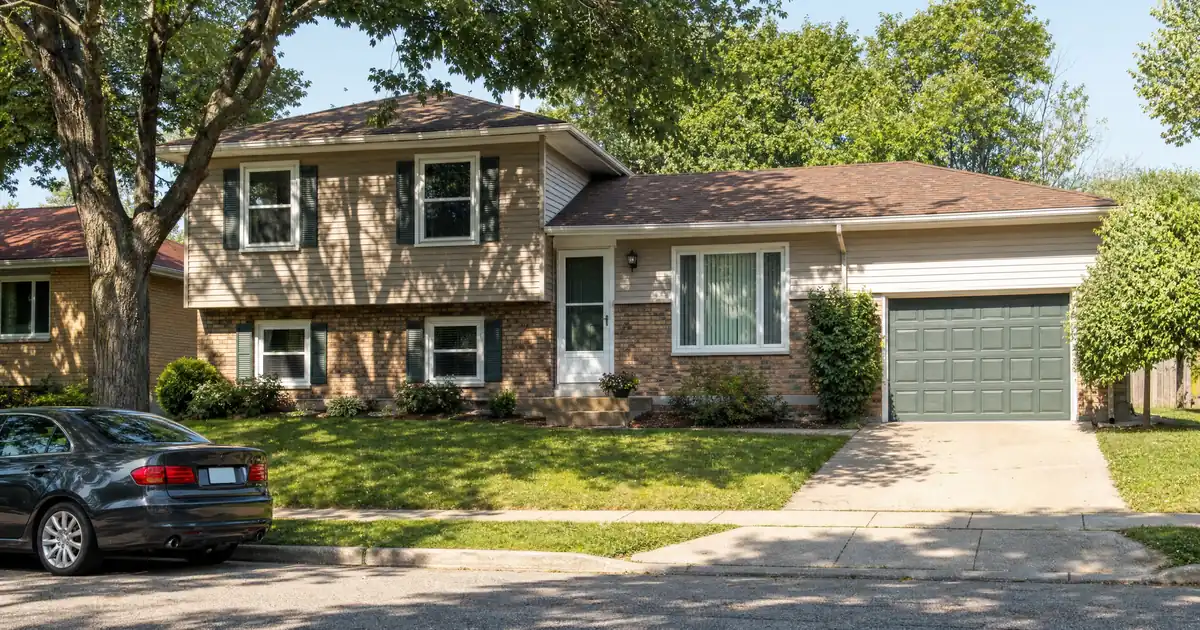
Can A High-rent Property Still Fail DSCR Underwriting — The Quick Read: Yes. It happens more than most investors expect. DSCR underwriting never uses “the rent” the way a landlord thinks of it. It uses whichever number is lower: the appraiser’s independently derived market rent, or the signed lease. A property leasing well above its neighborhood’s comparable rents doesn’t get credit for the extra income. The same file can still fail if taxes, insurance, or HOA dues push the payment side of the ratio higher than the investor planned for. High rent helps. It doesn’t guarantee anything.
Here’s the mechanical reality: DSCR is a division problem. Rent gets divided by the full monthly housing obligation. Both sides of that division get checked independently. Some investors assume a strong lease automatically produces a strong ratio. They’re skipping the step that actually decides the file.
DSCR Calculator
Run the numbers in your market
Rate source: Freddie Mac 30-yr average via FRED® — Federal Reserve Bank of St. Louis · effective Aug 27, 2026
Prefilled with local estimates — enter your own rent or nightly figures, taxes, insurance, and HOA for a more accurate picture.
Program parameters update from Lendmire’s centralized guideline source. Taxes and insurance are editable estimates.
As of Aug 27, 2026 · General Freddie Mac market benchmark, not a Lendmire loan offer. Rent, nightly rate, occupancy, taxes, and insurance are editable estimates. Short-term rental figures are estimates only and vary significantly by season, property type, management approach, and local short-term-rental rules — confirm local regulations before relying on them. Qualifying income for short-term rentals varies by program — some use appraisal market rent, others use documented STR history or projections — and is confirmed in underwriting. Not a Loan Estimate, approval, or commitment to lend. Program availability and eligibility are subject to lender guidelines, credit approval, property review, and underwriting.
Why Does the Appraiser’s Rent Number Override the Lease?
The appraiser’s rent conclusion controls the file. Why? It’s the only third-party-verifiable rent figure in the file. The lease is just one data point. Lenders treat it as a ceiling check, not the source of truth. On a single-family rental, that number comes from Fannie Mae’s Form 1007, a comparable rent schedule built from local rental comps. A 2-4 unit property uses Form 1025 instead. Non-QM and DSCR lenders across the wholesale network didn’t invent this method. They borrowed it because it’s the most standardized rent estimate available in residential appraisal practice — even though DSCR files sit entirely outside Fannie Mae’s own selling guide.
The appraiser pulls three to six comparable rentals. These are units that leased within roughly the prior six to twelve months. The appraiser adjusts for differences between those comps and the subject property. Then the appraiser lands on a market rent conclusion. Fannie Mae’s own appraiser guidance confirms the form exists specifically to document that estimate whenever rental income qualifies a one-unit investment property.
Once that number exists, most programs across the wholesale network take the lower of two figures: the appraiser’s conclusion or the actual lease. This isn’t just a technicality that hurts landlords with weak leases. It cuts both ways. A tenant paying above what the comps support doesn’t lift the ratio. The appraiser’s ceiling still governs. An investor who priced a deal off the current tenant’s rent, a rent-estimate website, or a hopeful pro forma is pricing off a number the lender may never use.
What Actually Sits on the Other Side of the Ratio?
PITIA stands for principal, interest, taxes, insurance, and association dues. It’s the full monthly obligation the ratio measures rent against. It’s almost always larger than the number an investor built into their back-of-envelope math. Skip HOA dues or flood insurance in your own math, and the ratio you calculated at home won’t match the one the lender runs.
The math itself is simple: monthly rent used for lender review, divided by PITIA. Most standard programs across the network treat 1.00 as a starting floor. That’s the point where rent just covers the payment. This is a select-program floor, not a universal rule. You can read more about it in Lendmire’s complete DSCR loans guide. Clearing 1.00 is not the same thing as positive cash flow. Repairs, vacancy, property management, utilities, and capital expenditures all sit outside this calculation entirely. A file can clear 1.00 on paper and still lose money in practice. Those are two different questions.
Taxes, insurance, and HOA dues are the line items investors most often underestimate. Picture a property in a flood zone, or one inside an HOA with meaningful monthly dues. Its PITIA can climb enough to drop a deal from comfortably passing to borderline failing — with rent held completely constant. Nothing about the rent changed. The denominator did.
Three Ways a High-Rent Property Still Fails
Every DSCR failure on a high-rent property traces back to one of three categories. Knowing which one you’re dealing with changes what you do next.
Income-side failure. The appraisal comes in below the lease. The rent used for lender review ends up lower than the number the investor was counting on. This is the most common failure mode on properties that looked strong at the offer stage.
Expense-side failure. Rent holds steady, but PITIA grows. Maybe it’s a flood-zone insurance requirement, a higher-than-modeled HOA, or a tax reassessment. The ratio slides below the program’s floor even though nothing changed about the tenant or the lease.
Documentation or structural failure. The rent number and the payment are both fine, but the file itself isn’t ready. Maybe there’s missing lease documentation, an ineligible property type, or incomplete entity paperwork on an LLC-titled purchase. This category has nothing to do with the ratio. It’s all about file readiness.
A borrower staring at a declined file should ask which of these three actually happened, before assuming the deal is dead. An income-side problem might get fixed with an appraisal reconsideration. An expense-side problem might get fixed by shopping insurance or adjusting leverage. A documentation problem might just need a cleaner file resubmitted.
Same Rent, Different Outcome — Why PITIA Decides It
Picture two comparable rental units. Each one generates identical monthly rent per the appraiser’s 1007. One sits in a jurisdiction with modest property taxes and no HOA. The other carries meaningful HOA dues and a flood-insurance requirement on top of standard coverage. Rent is identical on both. PITIA is not.
The first property’s lower PITIA lets it clear a comfortable coverage ratio. That opens better leverage and pricing tiers. The second property has the same rent, but its ratio gets compressed toward or below the floor — purely because of what sits in the denominator. Neither property is necessarily “worth less” as an investment. But one qualifies more easily than the other. An investor comparing them side by side using only the advertised rent would never see that difference coming.
This is also where interest-only structuring matters mechanically. Some programs in the network let a borrower strip principal out of the qualifying payment calculation. That raises the ratio on an identical property, because the denominator shrinks. Two investors buying the same building can post different DSCR numbers. The property didn’t change. The math did.
What Happens With Vacant Properties or Below-Market Leases?
A vacant property has no lease to fall back on at all. The appraiser’s rent opinion is the only number in play, full stop. That cuts against an investor hoping a strong pro forma will substitute for actual leasing history.
A property with an existing lease priced below the appraiser’s market conclusion creates a drag most investors don’t see coming. The lower of the two numbers wins. So the below-market lease — not the appraiser’s higher opinion — becomes the rent used for lender review. Investors buying a property mid-lease, especially one inherited from a prior owner’s below-market tenant, should run the numbers against the actual lease amount, not the neighborhood’s going rate.
An above-market lease doesn’t help either. Underwriting generally caps the rent used for program review at the appraiser’s conclusion, even when the signed lease is priced higher. This surprises landlords who negotiated a strong rent and assume it flows straight into the ratio. It doesn’t.
Short-Term Rentals Break the Standard Rent Schedule
Form 1007 was built for annual leases. Appraisal trade press is clear that it wasn’t designed for nightly-rate properties. As McKissock Learning’s appraisal education coverage puts it, the form “precludes information about other services related to the property, vacancy rates, and business expenses.” Appraisers can’t just take a nightly rate, multiply by 30, and call that monthly rent.
Across the wholesale network, short-term rental purchases typically go to around 75% LTV. Refinances land closer to 70%, and cash-out sits around 70%. These figures should never get blended together, since purchase, refinance, and cash-out each carry their own ceiling. Expect roughly a 640+ credit score, about 12 months of hosting history, and a 1.00 coverage floor applied on both purchase and refinance files — though the underlying income documentation looks different from a standard lease-based file. Short-term rentals don’t have a lease in place by nature. Because of that, some programs will finance vacant or STR-intent properties, but they may attach a condition requiring evidence of rental activity before or shortly after closing. Short-term rental rules can vary by city, county, HOA, and property type. Investors should confirm local rules before relying on projected rental income. Lendmire’s coverage of DTI-driven HELOC denials on investment property walks through a related documentation mismatch that trips up STR owners trying to pull equity through a different product entirely.
Sub-1.00 Coverage — Is the Deal Actually Dead?
Not automatically. Coverage below 1.00 is available through select lenders in the network, with leverage and terms adjusted to compensate. This is a distinct category from a true no-ratio program, which skips the rent-versus-payment calculation entirely and is generally reserved for borrowers who already own a primary residence. These are two different products solving two different problems, and the industry blurs them constantly. A file that calculates to 0.90x isn’t automatically declined. It may simply come back with different leverage, different credit requirements, or a higher down payment expectation, subject to lender guidelines. A vacant property with no occupancy history generally falls outside no-ratio eligibility, even when the projected rent looks strong on paper — no-ratio programs lean on the borrower’s overall profile, not projected income.
A larger down payment lowers the payment and can lift the ratio into range. But it never erases a leverage cap, a credit floor, a reserve requirement, or a property-eligibility rule. The strongest files clear two separate tests at once: enough equity in the deal, and enough rental coverage on the numbers. An investor trying to solve a coverage shortfall purely with a bigger down payment — while ignoring reserves or credit tier — is only fixing half the problem. Every figure here varies by lender and program. Guidelines, property type, leverage, and credit profile all apply.
What Investors Should Check Before Writing an Offer
Run the appraiser’s likely rent conclusion before committing earnest money — not the current lease. Form 1007 or 1025 gets ordered as part of the appraisal, not before the purchase contract is signed. Because of that timing, an investor can be weeks into escrow before discovering the rent used for eligibility review came in lower than expected, putting both the closing timeline and earnest money at risk. Pull comparable rental listings in the immediate area yourself. Or ask a local property manager for realistic lease comps. Do this before assuming the current tenant’s rent will carry through underwriting.
Model the full PITIA, not just principal and interest. Taxes, insurance, HOA dues, and — where applicable — flood insurance all belong in the denominator. An investor shopping deals off a P&I-only spreadsheet isn’t modeling what the lender will actually calculate. The gap between the two numbers is exactly where high-rent deals quietly fail.
Program selection matters as much as the property itself. The lower-of-rent rule, short-term rental income treatment, and sub-1.00 accommodations vary meaningfully by lender. Working across a wholesale network of DSCR lenders sometimes surfaces a program that treats a below-market lease or a soft appraisal differently than a single direct lender would. Investors evaluating a high-LTV cash-out scenario alongside a coverage question should also look at how CLTV limitations affect investment-property refinance eligibility — a separate but related constraint that shows up on the same files.
Across files placed through the network, the same pattern repeats often enough to be predictable. Investors chasing an above-market lease get surprised when the appraisal caps their rent for the lender’s review. Investors who underwrote their own deal using full PITIA — flood insurance, HOA, and all — rarely get blindsided at the appraisal stage. The gap between a clean file and a stalled one is almost always in how carefully the payment side of the ratio was modeled before the offer went in. It’s not about how strong the rent looked on day one.
DSCR vs. conventional financing
Two common ways to finance an investment property in this market. They qualify you differently — here’s how investors weigh them.
Why investors choose it
- Qualifies on the property’s rental income — no personal tax returns, W-2s, or pay stubs needed to document income.
- No personal debt-to-income ceiling to clear, so existing mortgages and obligations don’t cap your borrowing the same way.
- Can be closed in an LLC, keeping the property inside a business entity.
- Built for scaling — not held to the limit on number of financed properties that conventional financing applies.
- Underwriting centers on the deal: generally qualifies when the rent covers the payment, a 1.00x coverage ratio being a common baseline (confirmed in underwriting).
- Designed specifically for investment property, including long-term and, where the program allows, short-term rentals.
Where it’s strong
- Often the lowest ongoing financing cost for a buyer who fully qualifies on personal income — a fit for a first property or a cost-first purchase.
Trade-offs for investors
- Requires full personal income documentation and must fit within a debt-to-income limit — salary, existing debts, and other mortgages all count.
- Typically held in your personal name rather than a business entity.
- Caps how many financed properties you can carry, which can become a ceiling as a portfolio grows.
- Evaluates you as a borrower as much as the property, which usually means more paperwork.
How investors usually choose: a first or single property often optimizes for the lowest financing cost; portfolio builders often optimize for leverage, vesting in an LLC, and scaling past conventional caps. The right answer depends on your goals, the property, and current guidelines — both paths run through select lenders in Lendmire’s wholesale network, with eligibility and terms confirmed in underwriting.
Purchase Leverage, Credit, and Reserves — What Actually Governs the File
Most files across the network land at 75%-80% LTV on a purchase. Select high-leverage programs reach 85% for borrowers around a 700+ credit score. On a cash-out refinance, leverage typically tops out around 75% LTV, generally with about six months of ownership seasoning expected before proceeds can be pulled. Reserve requirements vary by lender, leverage, and loan size. They commonly land around six months of PITIA. Conservative rate-term files at modest leverage sometimes see reserves waived. Loans above roughly $1,500,000 typically step up to about nine months. Credit floors run as low as 620 in parts of the network, though most programs prefer around 660. The strongest leverage tiers open up closer to 700 and above. Standard loan sizes run roughly up to $3,000,000. Above about $2,500,000, the network generally holds to 30-year fixed structures rather than shorter or adjustable terms. State overlays exist in a handful of markets. Connecticut, Florida, Illinois, and New Jersey purchases generally cap near 75% LTV, and overlay-state deals generally cap around $2,000,000. None of these numbers are guarantees. They’re ranges pulled from guidelines across a wholesale network, and every file still gets underwritten on its own facts. Investors working through the details on a refinance angle can also review how rising rents can be documented to strengthen a DSCR refinance file.
DSCR loans are business-purpose, non-owner-occupied products. They’re written for investors rather than owner-occupants. Because of that, they’re reviewed under a different framework than a standard consumer mortgage. Qualification runs primarily on the property’s rental income covering the payment, subject to lender guidelines — not on the borrower’s personal debt-to-income ratio.
Property type matters independently of the ratio. Manufactured homes — both single- and double-wide — along with log homes and barndominiums, fall outside DSCR eligibility across the network’s current programs. This holds true regardless of how strong the rent or the coverage ratio looks. That’s a property-type exclusion, not a ratio problem. No amount of rent cushion changes it.
Key Terms Defined
DSCR (Debt Service Coverage Ratio): the rent used for financing review divided by the full monthly housing payment (PITIA); a ratio at or above 1.00 means rent covers the payment on paper.
PITIA: principal, interest, taxes, insurance, and association dues combined — the complete monthly obligation used as the denominator in the DSCR calculation.
Form 1007 / Form 1025: the appraiser’s comparable rent schedule for single-family (1007) or 2-4 unit (1025) properties, used to independently verify market rent separate from the lease.
Lower-of-rent rule: the common underwriting practice of using whichever number is smaller — the appraiser’s market rent conclusion or the actual signed lease — as the qualifying income figure.
No-ratio program: a financing path that skips the rent-to-payment calculation entirely, generally reserved for borrowers who already own a primary residence, and distinct from a sub-1.00 coverage file that still runs the math.
Frequently Asked Questions
How do you qualify for a DSCR loan when the property’s rent looks strong on paper?
Qualification generally runs on the lower of the appraiser’s Form 1007 or 1025 conclusion and the signed lease, divided by the full PITIA payment. A strong asking rent doesn’t automatically qualify a file. The appraiser’s independent rent survey and the property’s actual tax, insurance, and HOA costs both have to line up before the ratio clears the program’s floor, subject to lender guidelines.
What steps should an investor take to avoid a DSCR denial on a high-rent property?
Pull comparable rental data before making an offer. Model the full PITIA rather than principal and interest alone. Confirm whether the property carries flood insurance or HOA dues that could push the payment side of the ratio higher than expected. Working through a wholesale network of DSCR lenders can also help, since lower-of-rent treatment, short-term rental documentation, and sub-1.00 accommodations vary by lender.
If my lease is above market rent, can I still use the lease amount to qualify?
Generally, no. Most programs across the wholesale network cap the rent used for program review at the appraiser’s market conclusion, even when the signed lease is priced higher. The lease helps confirm occupancy and payment history, but it doesn’t override a lower appraisal number.
What happens if the appraiser’s rent survey comes back lower than my current lease?
The lower figure typically becomes the rent used for eligibility review. That can push the ratio down even though the property is generating more actual income than the file reflects. Some lenders will consider a documented lease variance. Others hold strictly to the 1007 or 1025 conclusion — one reason working across multiple wholesale lenders can matter on a borderline file.
Does a vacant property automatically fail DSCR underwriting?
Not automatically, but it relies entirely on the appraiser’s rent opinion, since there’s no lease to reference. A vacant property with a strong projected rent can still work under a standard DSCR file with a rent schedule in hand, though it generally doesn’t qualify for a no-ratio program, which typically expects the borrower to already own a primary residence.
Can a bigger down payment fix a coverage ratio that’s coming in too low?
It can help. A smaller loan amount lowers the payment and can lift the ratio. But it doesn’t erase a leverage cap, a credit floor, a reserve requirement, or a property-eligibility issue. The strongest files clear both the equity test and the coverage test at the same time, not one at the expense of the other. Final terms depend on lender guidelines, property type, leverage, and the borrower’s complete credit picture.
Is short-term rental income treated the same way as a long-term lease for DSCR purposes?
No. The standard rent-schedule form wasn’t built for nightly-rate income. Short-term rental files typically document income differently — often through a trailing income history rather than a lease — and carry their own leverage ceilings, generally around 75% on purchase and closer to 70% on refinance or cash-out.
If you’re evaluating a rental property where the rent looks strong but you’re unsure how the appraisal, PITIA, or program leverage will actually shake out, Lendmire can help you compare DSCR loan options based on the property’s income, your credit profile, target leverage, and overall investor goals.
About Lendmire
Lendmire, NMLS# 2371349, is a non-QM mortgage broker serving real estate investors in 40 markets, including Washington, D.C., through DSCR investor loan programs. Qualification is generally reviewed around the subject property’s rental income, not the borrower’s W-2 history. This makes it a practical fit for LLC-titled portfolios and self-employed investors. All scenarios remain subject to lender review and program guidelines. Lendmire has earned two consecutive Scotsman Guide Top Mortgage Workplace recognitions (2025, 2026).
Lendmire’s Top Mortgage Workplace recognition is documented by Scotsman Guide 2025 Top Mortgage Workplace and Scotsman Guide 2026 Top Mortgage Workplace.
Get Started
Ready to find the right loan for you?
In about 30 seconds you can review financing options available for your home or investment property. No commitment required.
Informational only. Not a Loan Estimate, approval, or commitment to lend. Program availability and eligibility are subject to lender guidelines, credit approval, property review, and underwriting.
References
1. Fannie Mae — Single-Family Comparable Rent Schedule (Form 1007)
2. Fannie Mae — Appraiser Update, Form 1007 Requirements
3. McKissock Learning — Form 1007 & Its Impact on Short-Term Rental Appraisals
Brandon Miller
Founder & CEO, Mortgage Loan Originator, Lendmire LLC
- Mortgage Loan Originator · NMLS# 1129696 · Verify on NMLS Consumer Access
- North Carolina Real Estate Broker · License# 343312 · Verify on NCREC
- North Carolina Insurance Producer · License# 19053198 · Property, Casualty, Life, Health · Verify on NAIC SBS
- Lendmire LLC · Firm NMLS# 2371349 · Verify firm licensure
Legal disclosures. Lendmire (NMLS# 2371349) is a state-licensed mortgage brokerage that arranges financing through wholesale lender relationships. Lendmire is not a direct lender, depository institution, or registered financial advisor. The discussion above is general informational content about real estate financing — it is not financial, legal, or tax advice, and readers should consult licensed professionals for guidance on their individual circumstances. Loan inquiries are subject to lender underwriting; this article does not represent a commitment to lend. Loan terms, rates, and qualification standards vary by borrower, property, and state, and are subject to change at any time. Equal Housing Opportunity. NMLS Consumer Access: nmlsconsumeraccess.org.


