
The Quick Read: A flood premium increase raises the monthly payment your rent has to cover, so the coverage ratio falls even though rent and loan balance never moved. The fix is to shrink the payment, lift the documented rent, or cut the premium itself, and each lever works differently by program.
- Flood cost sits inside the tested payment, so a renewal jump can drop a passing file under 1.00.
- The cleanest levers are a lower flood premium, a smaller loan, and stronger rent evidence.
- Interest-only helps only where the program tests the interest-only payment.
- A separate select-lender path takes coverage below 1.00, with leverage and terms adjusted.
- Clearing 1.00 is not the same as positive cash flow.
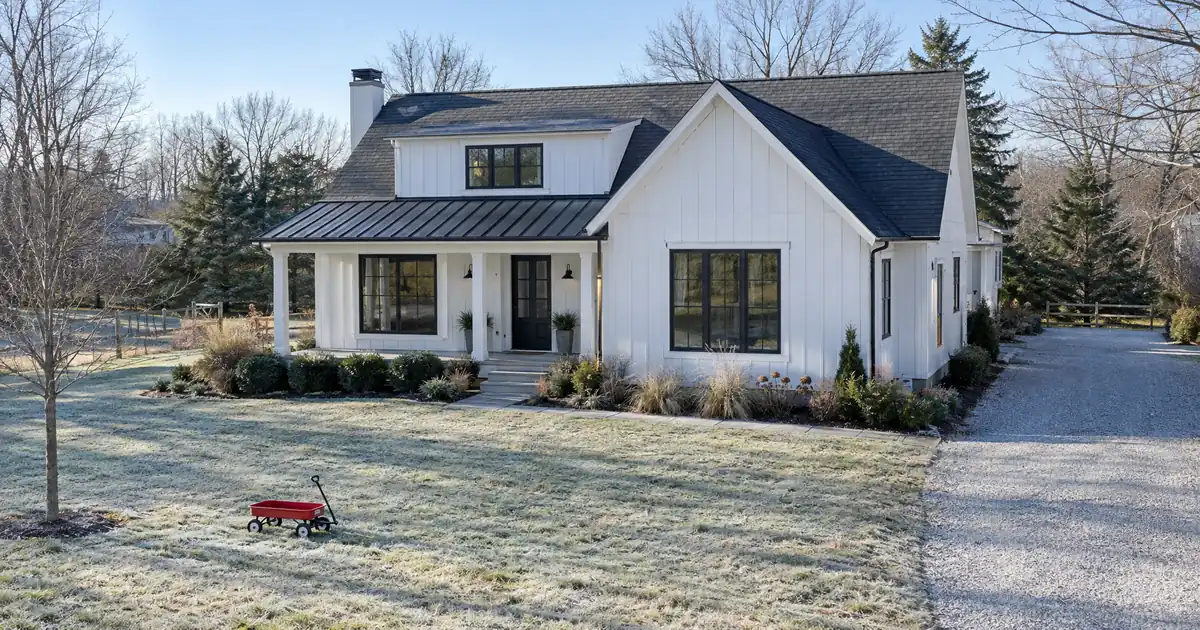
Picture an investor whose rental covered its payment with room to spare at contract. Then the flood renewal arrives, much higher. Nothing about the tenant changed. The number did.
DSCR Calculator
Run the numbers in your market
Rate source: Freddie Mac 30-yr average via FRED® — Federal Reserve Bank of St. Louis · effective Oct 15, 2026
Prefilled with starting assumptions — enter your own rent or nightly figures, taxes, insurance, and HOA for a more accurate picture.
Program parameters update from Lendmire’s centralized guideline source. Taxes and insurance are editable estimates.
As of Oct 15, 2026 · General Freddie Mac market benchmark, not a Lendmire loan offer. Rent, nightly rate, occupancy, taxes, and insurance are editable estimates. Short-term rental figures are estimates only and vary significantly by season, property type, management approach, and local short-term-rental rules — confirm local regulations before relying on them. Qualifying income for short-term rentals varies by program — some use appraisal market rent, others use documented STR history or projections — and is confirmed in underwriting. Not a Loan Estimate, approval, or commitment to lend. Program availability and eligibility are subject to lender guidelines, credit approval, property review, and underwriting.
What Does “Below the Floor” Mean Here?
The floor is the minimum coverage ratio a program accepts. The ratio is monthly rent used for lender review divided by the full monthly obligation: principal, interest, taxes, insurance, and any association dues. Flood insurance, when it applies, belongs in that insurance line.
Across the wholesale network, 1.00 is where select programs start. It is a floor for those programs, not a universal standard. Stronger ratios open better pricing and leverage. A separate select-lender path takes coverage below 1.00 with leverage and terms adjusted.
Some online explainers treat insurance as an operating expense that reduces net operating income. Lenders testing a DSCR loan generally use the whole payment instead. Either way, a higher premium shrinks the ratio. The difference is only in which line carries it.
Why Flood Premiums Keep Climbing
Flood premiums rarely rise once and stop. The Congressional Research Service explains that Risk Rating 2.0 is the largest change to federal flood pricing since 1968. It prices each property individually, and flood zone alone no longer sets the rate.
Here is the point most rental investors miss. Statutory limits allow increases of up to 18% a year on primary residences. The same CRS product says other categories, including non-primary residences, must rise 25% per year until they reach full risk-based rates. A rental is usually a non-primary residence. If you modeled 18% annual growth, you may be under-projecting.
The Government Accountability Office found that about one-third of policyholders already paid full-risk premiums as of December 2022. Everyone else needs higher premiums, and about 9 percent will eventually need increases above 300 percent, some of the largest jumps.
So a ratio that passes today can fail at the next renewal. Underwrite the glide path, not just the current bill.
How Underwriting Treats the New Premium
Underwriting uses the current quote, not the old one. Here is the sequence.
1. Get the current renewal notice or fresh quote. It shows the premium plus fees, which sit on top of the capped amount.
2. Recompute the ratio. Rent used for lender review divided by principal, interest, taxes, hazard, flood, and dues.
3. Find the flexible input. Rent evidence, loan amount, loan structure, and the flood cost can all move. Taxes and dues usually cannot.
4. Test each lever against the program’s floor.
5. Document the fix. For flood, that means the declarations page or quote, plus any elevation certificate or mitigation proof. For rent, a lease or the appraiser’s rent schedule.
On appraisals, rent is established on Form 1007 for single-family homes and Form 1025 for two-to-four unit properties.
Consider a file that cleared at roughly 1.05x before renewal. A premium jump that adds a modest slice to the monthly payment can push it toward 0.97x. The change looks small on paper and still moves the file from one lane to another. Keep your own numbers in the Lendmire calculator as an illustrative estimate, not a quote.
Which Lever Fixes Which Problem?
Diagnose before you fix. The right lever depends on what moved.
| Symptom | Likely cause | First lever |
|---|---|---|
| Ratio fell after renewal | Flood premium | Re-quote, mitigation |
| Ratio thin at contract | Loan too large | More down payment |
| Rent below market | Weak evidence | Lease or appraisal rent |
| Taxes jumped | Reassessment | Loan size or structure |
And once you know the cause, order the fixes from lightest to heaviest.
| Lever | What it changes | Trade-off |
|---|---|---|
| Re-quote flood | Denominator | Savings vary by property |
| Mitigation | Premium over time | Costs money up front |
| Private flood | Premium | Lender must accept policy |
| Smaller loan | Principal and interest | Requires more cash |
| Loan structure | Tested payment | Depends on program |
| Rent evidence | Numerator | Appraiser decides |
| Sub-1.00 path | Floor itself | Leverage and terms adjust |
Lowering the Flood Premium Itself
Start here, because a lower premium helps every other lever.
A few specifics matter:
- An elevation certificate is no longer required to buy coverage. Still, submitting one can lower the rate when the actual first-floor height beats FEMA’s modeled assumption.
- Elevating covered machinery and equipment can save up to 5% on a premium.
- Different building and contents deductibles change the rate.
- Mitigation costs money, and savings differ by property. Treat it as a plan, not a quick fix.
Private flood is the other route. Regulated lenders must accept a private policy that meets the statutory definition, and the Fed’s Consumer Compliance Outlook describes this as mandatory acceptance. The policy must be at least as broad as federal coverage. Savings are not guaranteed, and the specific policy needs approval before you rely on it. Across the network, lenders vary in how they review private policies.
On a purchase, consider assuming the existing policy. The Coalition for Sustainable Flood Insurance says a new policy is charged full-risk premium right away, while a buyer can take over an existing non-lapsed policy and keep the glide path. Statutory glidepaths generally transfer with the sale. That can make the underwritten premium far lower than a fresh quote. Do not let the policy lapse, and confirm with the agent which premium the lender will use.
Payment-Side Fixes: Smaller Loan, Different Structure
Reducing the loan is the cleanest lever. A larger down payment or a paydown cuts principal and interest and can pull the ratio toward or above 1.00. On purchases, most files across the network land at 75%-80% LTV, and select high-leverage programs reach 85% LTV with roughly a 700+ score. More cash down does not erase leverage caps, credit floors, reserve rules, or property eligibility. The strongest files clear both tests: enough equity and enough rental coverage.
Structure is the second option. Longer amortization is available through select lenders, including 40-year terms and interest-only periods, and ARM structures exist for investors who want them. Here is the catch. Interest-only helps only if the program tests the interest-only payment. Where the program tests the amortizing payment anyway, extra down payment is the better lever. Run both before choosing.
If this is a cash-out refinance, remember the ceiling sits around 75% LTV across most of the network, with about six months of seasoning commonly expected. A premium shock on a cash-out file often means taking less cash out. For the full mechanics, Lendmire’s complete DSCR loans guide walks through leverage, reserves, and credit tiers.
Income-Side Fixes: What Rent Counts
Rent evidence is the numerator, and the appraiser still decides. A signed lease at market rent, or an appraisal rent schedule, supports the figure. Rent projected from improvements not yet made generally does not count. A renewal at market rent before the file goes in can help, though it only works where current rent sits below what the market supports.
Short-term rentals follow a different path. Purchases go to 75% LTV, refinances around 70%, and cash-out refinances 70%. Expect a 640+ score and about 12 months of hosting history, with a 1.00 coverage floor on both purchases and refinances. Short-term rental rules can vary by city, county, HOA, and property type, so investors should confirm local rules before relying on projected rental income. Condos and multi-unit buildings may add master-policy flood coverage or association dues to the payment, so treat their numbers carefully. Exact terms depend on the lender’s guidelines, property type, leverage, and a full review of the borrower’s file.
Where Does the Standard Playbook Break?
Several edge cases change the answer.
Properties outside the high-risk zone. The federal purchase mandate applies to improved property in a Special Flood Hazard Area, enforced by the lender, per the CRS introduction to the program. Outside that zone, flood coverage is often voluntary. Whether a program counts voluntary coverage in the tested payment is a program question.
Communities that do not participate. Where the community sits outside the federal program, federal coverage cannot be bought. Private flood is often a strong option.
Program lapse risk. FEMA estimates a lapse affects about 1,300 sales a day. Closings and renewals during a lapse need a private flood backstop.
Excess flood policies. These sit above an underlying policy. They do not replace it.
DSCR vs. conventional financing
There are two common ways to finance an investment property, and they qualify you differently — here’s how investors weigh them.
Why investors choose it
- Qualifies on the property’s rental income — no personal tax returns, W-2s, or pay stubs needed to document income.
- No personal debt-to-income ceiling to clear, so existing mortgages and obligations don’t cap your borrowing the same way.
- Can be closed in an LLC, keeping the property inside a business entity.
- Built for scaling — not held to the limit on number of financed properties that conventional financing applies.
- Underwriting centers on the deal: generally qualifies when the rent covers the payment, a 1.00x coverage ratio being a common baseline (confirmed in underwriting).
- Designed specifically for investment property, including long-term and, where the program allows, short-term rentals.
Where it’s strong
- Often the lowest ongoing financing cost for a buyer who fully qualifies on personal income — a fit for a first property or a cost-first purchase.
Trade-offs for investors
- Requires full personal income documentation and must fit within a debt-to-income limit — salary, existing debts, and other mortgages all count.
- Typically held in your personal name rather than a business entity.
- Caps how many financed properties you can carry, which can become a ceiling as a portfolio grows.
- Evaluates you as a borrower as much as the property, which usually means more paperwork.
How investors usually choose: a first or single property often optimizes for the lowest financing cost; portfolio builders often optimize for leverage, vesting in an LLC, and scaling past conventional caps. The right answer depends on your goals, the property, and current guidelines — both paths run through select lenders in Lendmire’s wholesale network, with eligibility and terms confirmed in underwriting.
If the Ratio Cannot Be Fixed
Sometimes the math will not move enough. You have three honest options.
1. Take the sub-1.00 path. It is available through select lenders in the network, with leverage and terms adjusted. In practice that usually means more cash down. Ask whether the appreciation story justifies the thinner current coverage. If you are reaching for it only because the numbers fail everywhere, re-examine the property.
2. Use a no-ratio structure. It is available only through select lenders, generally for borrowers who already own a primary residence. Qualification then rests on the borrower’s profile rather than property coverage.
3. Renegotiate or walk. A flood contingency in the purchase contract preserves this option. A premium far above expectations is a legitimate reason to ask for a lower price, because the recurring cost reduces what the property can carry.
Get the flood quote before locking a deal or spending on an appraisal. That single habit prevents most of these surprises.
Stress Test Before the Next Renewal
Build headroom into every file. Re-run the ratio with the flood line up 10% and again up 25%, since the 25% path is the realistic one for non-primary rentals. If the file drops below your program’s floor at +25%, either size the loan down now or price in a cash buffer.
Remember what the ratio measures. It compares rent to the monthly payment only. Repairs, vacancy, management, utilities, and capital expenses sit outside it. A file clearing 1.00 is not necessarily producing positive cash flow. Academic work in the Journal of Catastrophe Risk and Resilience finds the pricing reform was associated with an 11-39% decline in new federal policies and a 5-13% decline in existing ones, depending on the size of the increase. Owners are reacting to these costs, and your tenant-ready budget should too.
Common Mistakes
- Underwriting last year’s flood quote instead of the current one.
- Modeling an 18% cap on a rental that faces 25%.
- Assuming interest-only rescues the ratio without checking what payment is tested.
- Letting an assumable policy lapse before closing.
- Treating a 1.00 ratio as cash flow.
- Relying on private flood before the lender approves the policy.
Key Terms Defined
DSCR: The monthly rent used for lender review divided by the full monthly payment, including taxes, insurance, and dues.
PITIA: Principal, interest, taxes, insurance, and association dues, the monthly obligation rent must cover.
Glide path: The scheduled annual premium increases that continue until a policy reaches its full risk-based rate.
Elevation certificate: A document showing a building’s actual elevation, which can lower a premium when it beats FEMA’s modeled assumption.
Private flood policy: Flood coverage from a non-federal insurer that regulated lenders must accept if it meets the statutory definition.
Sub-1.00 coverage: A ratio where rent does not fully cover the payment, available through select lenders with leverage and terms adjusted.
Frequently Asked Questions
Can a flood premium increase really drop a loan below the floor?
Yes, because the premium sits in the tested monthly payment. Rent stays flat while the payment grows, so the ratio shrinks. A file near 1.00 is most exposed, and non-primary rentals face the faster 25% annual glide path.
Is switching to private flood always cheaper?
No. Savings depend on the property, and the lender must find the policy acceptable. Regulated lenders must accept policies that meet the statutory definition, but get approval for your specific policy before relying on it.
Does a bigger down payment fix everything?
It lowers the payment and can lift the ratio. It does not erase leverage caps, credit floors, reserve rules, or property eligibility. Compare cash-on-cash at several down payments, not just the minimum.
Will interest-only rescue a failing ratio?
Only if the program tests the interest-only payment. Where the amortizing payment is tested anyway, more down payment is the better lever. Availability varies across lenders in the network.
What if I cannot reach 1.00 at all?
A separate select-lender path takes coverage below 1.00, with leverage and terms adjusted, usually meaning more cash down. Qualification remains subject to lender guidelines, credit approval, and property review.
If you are buying or refinancing a rental property and want to see how the numbers work, Lendmire can help you compare DSCR loan options based on the property income, credit profile, leverage, and investor goals. Lendmire is a mortgage broker arranging financing through select lenders in its wholesale network across 41 markets, including Washington, D.C., and nothing here is a commitment to lend. Tax treatment varies; consult a qualified professional.
Flood pricing keeps moving toward full risk, so the investors who stay above the floor are the ones who underwrite next year’s premium today.
About Lendmire
A non-QM mortgage broker (NMLS# 2371349), Lendmire arranges DSCR financing for real estate investors in 41 markets — 40 states plus Washington, D.C. Because deals are underwritten primarily on property cash flow rather than personal income documentation, the structure suits self-employed buyers and entity-owned portfolios. Lendmire places loans through wholesale investor lenders; it is not a direct lender. Scotsman Guide named Lendmire a Top Mortgage Workplace in both 2025 and 2026.
Get Started
Ready to find the right loan for you?
In about 30 seconds you can review financing options available for your investment property. No commitment required.
Informational only. Not a Loan Estimate, approval, or commitment to lend. Program availability and eligibility are subject to lender guidelines, credit approval, property review, and underwriting.
References
1. CRS (Library of Congress), NFIP Risk Rating 2.0
2. Government Accountability Office, GAO-23-105977
3. Federal Reserve, Consumer Compliance Outlook
4. Coalition for Sustainable Flood Insurance
5. Journal of Catastrophe Risk and Resilience
This article is part of Lendmire’s DSCR loan program — full qualification details, guidelines, and scenarios live on the program page.
Related reading: Can a Flipper With Five Exits Get Better Terms on a DSCR Pool? · Current Carrier vs Re-Quoted Coverage Before a DSCR Refinance · Can You Rent a DSCR-Financed Property to a Family Member?
Brandon Miller
Founder & CEO, Mortgage Loan Originator, Lendmire LLC
- Mortgage Loan Originator · NMLS# 1129696 · Verify on NMLS Consumer Access
- North Carolina Real Estate Broker · License# 343312 · Verify on NCREC
- North Carolina Insurance Producer · License# 19053198 · Property, Casualty, Life, Health · Verify on NAIC SBS
- Lendmire LLC · Firm NMLS# 2371349 · Verify firm licensure
Compliance and disclosures. Lendmire (NMLS# 2371349) is a licensed mortgage broker and is not a direct lender, depository institution, financial advisor, or tax professional. Content in this article is general market analysis and educational information — not financial, legal, or tax advice for any specific situation. Lendmire does not guarantee loan approval; every transaction is subject to underwriting by the funding lender. Mortgage pricing and loan program guidelines are subject to change at any time without notice and vary by borrower characteristics, property type, and state regulations. Lendmire complies with Equal Housing Opportunity. Licensure verification: NMLS Consumer Access.