
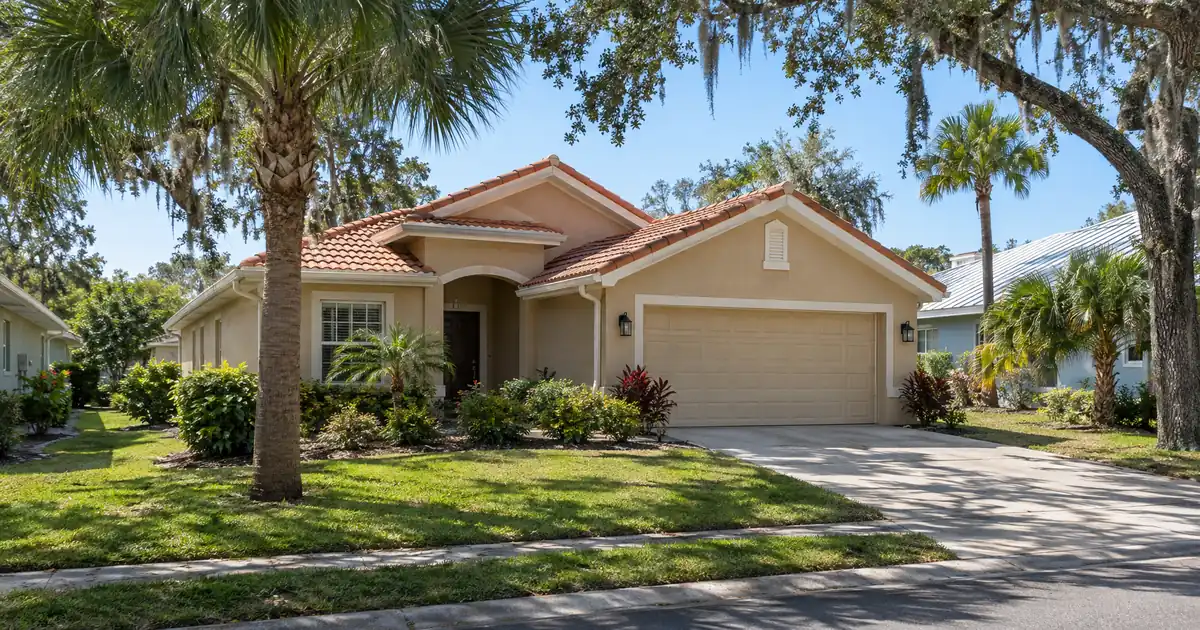
The Quick Read: It depends on the program: some DSCR lenders underwrite the seller’s current tax bill, while others project the higher bill that follows a sale, so the same Florida purchase can clear the coverage floor at one lender and miss it at another. The reassessed bill is coming either way. Smart buyers run the ratio on it before they make an offer.
- Taxes sit inside the monthly payment that rent has to cover, so a higher tax bill lowers your coverage ratio directly.
- The seller’s bill usually reflects a capped value that you do not inherit when you buy a non-homestead rental.
- Programs differ on whether they use the current bill, a projected bill, or a purchase-price-based estimate.
- A larger down payment can lift the ratio, but it never erases leverage caps, credit floors, or reserve rules.
Which Tax Figure Goes Into the DSCR Ratio?
The tax line is one piece of the full monthly payment. The lender divides the property’s monthly rent by that payment. DSCR stands for debt service coverage ratio, and PITIA stands for principal, interest, taxes, insurance, and any association dues. Taxes are the “T” in that stack. When the “T” goes up, coverage goes down, even if rent has not moved.
DSCR Calculator
Run the numbers in Florida
Rate source: Freddie Mac 30-yr average via FRED® — Federal Reserve Bank of St. Louis · effective Oct 15, 2026
Prefilled with starting assumptions — enter your own rent or nightly figures, taxes, insurance, and HOA for a more accurate picture.
Program parameters update from Lendmire’s centralized guideline source. Taxes and insurance are editable estimates.
As of Oct 15, 2026 · General Freddie Mac market benchmark, not a Lendmire loan offer. Rent, nightly rate, occupancy, taxes, and insurance are editable estimates. Short-term rental figures are estimates only and vary significantly by season, property type, management approach, and local short-term-rental rules — confirm local regulations before relying on them. Qualifying income for short-term rentals varies by program — some use appraisal market rent, others use documented STR history or projections — and is confirmed in underwriting. Not a Loan Estimate, approval, or commitment to lend. Program availability and eligibility are subject to lender guidelines, credit approval, property review, and underwriting.
So which number does the lender use? Across the wholesale network where Lendmire places files, there is no single rule. Some programs underwrite the current tax bill as it appears on the county record. Others use a projected figure that reflects what the bill is likely to become after the sale. Which one applies depends on the program the file lands in. Lenders do not all treat this line the same way, and a borrower who assumes they do gets surprised.
Here is how the three common treatments play out on a Florida purchase.
| Treatment | Tax figure used | Effect on coverage |
|---|---|---|
| Current bill | Seller’s capped bill | Looks stronger on paper |
| Projected bill | Estimate after the reset | Reflects the real obligation |
| Purchase-price basis | Price times local millage | Conservative, often the closest |
Notice what does not change. The reassessed bill will exist whether or not the lender models it. A program that uses the seller’s bill does not shrink your future tax. It only delays when the ratio shows the pressure. Your cash flow feels the real bill regardless of which method the lender used.
DSCR qualifies a file primarily on property-level rental income covering the payment, subject to lender guidelines. Credit, reserves, and entity documents are still reviewed. For the broader picture of how these loans work, see the complete DSCR loans guide.
Why the Seller’s Bill Is the Wrong Number
The seller’s bill reflects the seller’s history, not yours. Florida limits how fast the assessed value of non-homestead residential property can rise each year. That cap is 10%. It belongs to the owner, not the property. When ownership changes, the protection goes away.
Under Florida’s assessment statute, non-homestead residential property is assessed at just value as of January 1 of the year after a change of ownership or control. Just value is the county’s estimate of market value. After that reset, the 10% annual cap applies again going forward. The same statute defines non-homestead residential property as nine or fewer units, including vacant land zoned and platted for residential use. Larger buildings fall under different assessment rules, so check them separately.
Timing creates the trap. The Palm Beach County Property Appraiser explains that a non-homestead buyer keeps the seller’s cap for the rest of the purchase year. The property is reassessed at full market value the year after the sale. So the first bill often looks a lot like the seller’s. The jump arrives in the second year.
| Moment | What happens to the tax line |
|---|---|
| Closing day | Seller’s capped assessment still in place |
| Rest of purchase year | Bill tracks the seller’s capped figure |
| Following January 1 | Property reassessed at just value |
| Years after that | 10% annual cap applies to the new base |
Lenders who project taxes are looking past that first quiet bill. Lenders who use the current bill are not wrong about today’s figure, but today’s figure has a short shelf life.
The listing is the other trap. The tax number on a listing usually reflects the seller’s capped assessment. Atlantic Title Firm advises buyers not to budget from that figure for the same reason. If you build your offer around the listing number, your coverage can be thinner than it looks.
How to Estimate the Reassessed Bill Yourself
Start with the county property appraiser’s record and tax bill history for the parcel. Many county appraiser websites also offer a tax estimator. The method behind it is simple. Take the expected assessed value, then multiply it by the current millage, which is the local tax levy per thousand dollars of value.
For a purchase, a sensible stand-in for the expected assessed value is the purchase price. Just value will not always match the price to the dollar, but the price is a reasonable starting point for year one. Then apply the 10% cap to later years. That gives you a realistic tax line for the first reassessed bill and a path for the following years.
Gather these documents before you talk to a lender:
- The purchase contract.
- The county property appraiser record and tax bill history.
- Your own estimated post-closing tax calculation.
- The insurance quote.
- The lease or rent schedule.
A one-page tax memo showing your math helps. It lets the lender’s reviewer see how you got your number and where the inputs came from. When the lender projects taxes itself, your memo is a useful cross-check.
Insurance moves the ratio too, and so do association dues on condos. Taxes are not the only swing line, just the one most buyers forget until the second year.
A Worked Example: Same Rent, Two Tax Bills
Run the numbers on a modeled Florida duplex. These are illustrative assumptions, not market data. Say the rent and every other payment line stay the same in both runs. Only the tax line changes.
| Scenario | Tax line used | Coverage ratio |
|---|---|---|
| Seller’s capped bill | Current record | Roughly 1.2x |
| Reassessed bill | Projected after reset | Just under 1.0x |
On the seller’s bill, the file clears 1.00. On the reassessed bill, it slips just under. Same property, same rent, same borrower. A lender that uses the current bill sees the first picture. A lender that projects taxes sees the second.
Now the important distinction. 1.00 is where many select programs start. A separate path takes coverage below 1.00 through select lenders in the network, with leverage and terms adjusted. That second path exists, but it is not the same program with a lower floor. Qualification is subject to lender guidelines, credit review, and property review.
One more caution. Clearing 1.00 is not the same as positive cash flow. DSCR compares rent to the payment only. Repairs, vacancy, management, utilities, and capital expenses sit outside the calculation. A deal can clear the ratio and still feel tight once those costs hit.
What If the Reassessed Bill Breaks the Ratio?
Start by deciding whether the deal still works at the real tax figure. If it does not, you have options. Each one trades something.
Put more down. A larger down payment lowers the monthly payment and can lift the ratio. On a purchase, most files in the network land at 75%–80% LTV, which means 20%–25% down. Select high-leverage programs reach 85% LTV on a purchase, with roughly a 700+ credit score. Moving to lower leverage helps coverage, but it does not change credit floors, reserve rules, or property eligibility. The strongest files clear both tests: enough equity and enough rental coverage.
Negotiate the price. A lower price lowers the assessed value that will eventually drive your bill. It also reduces the loan balance. This is often the cleanest fix because it works on both sides of the ratio.
Restructure the loan. Interest-only periods and extended terms such as a 40-year schedule are available through select lenders in the network. They can lower the payment the rent has to cover. The standard structure remains the 30-year fixed, and ARM structures exist for investors who want them.
Test the sub-1.00 path. If the property is strong in other ways, a select-lender path below 1.00 may be worth a look. Expect adjusted leverage and terms.
Document stronger rent. A lease or rent schedule that supports the income number can help the ratio. Only use rent you can support.
Reserves matter here too. They vary by lender, leverage, loan size, and transaction type. About six months of PITIA is common. Loans above $1,500,000 typically step up to about nine months. Conservative rate-and-term files at modest leverage under that size can see reserves waived.
Edge Cases That Change the Math
Entity transfers. Buying through an LLC works on many DSCR files, subject to lender program eligibility. But the reset rules follow ownership and control, not just recorded deeds. The Palm Beach appraiser notes that a sale of more than 50% of the ownership of the entity holding the property resets the assessment, even with no new deed. Moving a property you already own into your own single-member LLC is generally not a reset, but get advice before restructuring.
The notice duty. Owners must notify the appraiser of a change of ownership or control. The Palm Beach appraiser says failure can bring back taxes, 15% annual interest, and a 50% penalty. Treat the notice as part of closing, not an afterthought.
Renovations. Improvements are assessed at just value on the first January 1 after substantial completion. That matters for value-add and BRRRR deals. A rehab can raise the tax bill on a schedule that is separate from the purchase reset. A BRRRR is buy, rehab, rent, then refinance, and your refinance numbers should include the improved assessment.
School taxes and non-ad valorem charges. The cap does not apply to school district levies, so taxes can rise faster than 10%. The Palm Beach appraiser adds that millage and non-ad valorem assessments are outside the cap too. The cap limits assessed value growth, not your total tax.
Transfers that do not reset. Spousal transfers and deed corrections are examples. These are narrow, so confirm the facts with a title professional.
Larger buildings. Properties with five to nine units fall inside the nine-or-fewer definition, so only buildings of ten or more units follow different assessment rules.
The Pending Cap Change
A statewide ballot measure known as Amendment 3 would cut the non-homestead assessment cap from 10% to 5%. According to the Florida Chamber, it needs 60% voter approval. Check the result before you rely on either number. Even if it passes, it would not remove the first reset on a purchase. It would slow the climb in later years.
Rentals also do not benefit from the larger homestead exemption, Florida TaxWatch notes. So do not build a rental model around homeowner relief.
The cap also resets when you sell. The next buyer will not inherit your capped assessment, which is a friction cost to keep in mind when you plan an exit.
Common Misconceptions
“The seller’s bill is my bill.” It is not. The cap belongs to the owner, not the property.
“The 10% cap limits my tax increase to 10%.” It caps assessed value only. The appraiser’s page is explicit that this does not mean taxes can never rise more than 10%.
“Reassessment hits at closing.” It lands on the following January 1, so the first-year bill can lag.
“I can port my cap.” There is no portability for non-homestead property.
“Moving it into an LLC is harmless.” Transfers of more than 50% of the ownership of the entity that holds the property reset the assessment.
“DSCR ignores personal underwriting.” Most programs want a score around 660, a 620 floor exists in parts of the network, and 700+ unlocks the strongest leverage tiers.
DSCR vs. conventional financing
There are two common ways to finance an investment property, and they qualify you differently — here’s how investors weigh them.
Why investors choose it
- Qualifies on the property’s rental income — no personal tax returns, W-2s, or pay stubs needed to document income.
- No personal debt-to-income ceiling to clear, so existing mortgages and obligations don’t cap your borrowing the same way.
- Can be closed in an LLC, keeping the property inside a business entity.
- Built for scaling — not held to the limit on number of financed properties that conventional financing applies.
- Underwriting centers on the deal: generally qualifies when the rent covers the payment, a 1.00x coverage ratio being a common baseline (confirmed in underwriting).
- Designed specifically for investment property, including long-term and, where the program allows, short-term rentals.
Where it’s strong
- Often the lowest ongoing financing cost for a buyer who fully qualifies on personal income — a fit for a first property or a cost-first purchase.
Trade-offs for investors
- Requires full personal income documentation and must fit within a debt-to-income limit — salary, existing debts, and other mortgages all count.
- Typically held in your personal name rather than a business entity.
- Caps how many financed properties you can carry, which can become a ceiling as a portfolio grows.
- Evaluates you as a borrower as much as the property, which usually means more paperwork.
How investors usually choose: a first or single property often optimizes for the lowest financing cost; portfolio builders often optimize for leverage, vesting in an LLC, and scaling past conventional caps. The right answer depends on your goals, the property, and current guidelines — both paths run through select lenders in Lendmire’s wholesale network, with eligibility and terms confirmed in underwriting.
Your Pre-Offer Checklist
1. Pull the parcel’s tax bill history from the county record.
2. Estimate the post-sale bill using the purchase price and current millage.
3. Run the coverage ratio twice: once on the seller’s bill, once on your estimate.
4. Ask which tax figure the program will use before you choose a lender path.
5. Get a real insurance quote and add any association dues.
6. Keep cash on hand for an escrow adjustment after the first reset bill. The loan’s ratio is set when the file is underwritten, but your cash flow feels every later bill.
If the numbers are tight, plan the fix before you write the offer. Lendmire’s piece on using seller credits on a DSCR rental purchase covers one way to manage cash at closing.
Tax treatment can depend on how the funds are used and how the property is held; investors should keep clear records and speak with a qualified tax professional before relying on any deduction.
Key Terms Defined
DSCR (debt service coverage ratio): Monthly rent divided by the full monthly payment, showing whether the rent covers the loan.
PITIA: Principal, interest, taxes, insurance, and association dues, the full payment used in the ratio.
Just value: The county’s estimate of a property’s market value, used as the reset assessment after a sale.
Millage: The local tax levy applied to assessed value to produce the bill.
Non-homestead: Property that is not the owner’s primary residence, which includes rentals.
Assessment cap: A limit on how much assessed value can rise in a year, which belongs to the owner and not the property.
Frequently Asked Questions
Does the lender use the seller’s bill?
It depends on the program. Some programs use the current bill and others project the post-sale figure. Whichever method the lender uses, the reassessed bill will still arrive, so run your own ratio on it.
When does the reassessment happen?
On January 1 of the year after the sale. The rest of the purchase year typically follows the seller’s capped value. The first bill can look lower than the one you will see later.
Can I use the seller’s homestead cap?
No. The cap belongs to the owner, and non-homestead property has no portability. Rentals do not carry over homeowner protections.
Does it change if I refinance?
Refinancing alone does not always change the tax picture, but it can. If the property was already reset after an earlier sale, the current bill may already reflect the right base. Cash-out refinances top out around 75% LTV across most of the network, with about six months of seasoning commonly expected.
Will a different bill after closing change my loan?
The ratio is set when the file is underwritten, so a later bill does not reopen it. It will, however, affect your actual cash flow and may trigger an escrow adjustment.
If you are buying or refinancing a rental property and want to see how the numbers work, Lendmire can help you compare DSCR loan options based on the property income, credit profile, leverage, and investor goals. As a mortgage broker, Lendmire arranges DSCR financing through select lenders in its wholesale network across 41 markets, including Washington, D.C., and every file is underwritten individually. Program details are subject to lender guidelines and are not a commitment to lend.
The buyer who models the reassessed bill before making an offer is the one who still likes the deal when the first reset bill arrives.
About Lendmire
Lendmire is a non-QM mortgage brokerage (NMLS# 2371349) arranging DSCR investor loans in 41 markets, including Washington, D.C., through wholesale and investor-lending channels. DSCR loans are evaluated by the lender on rental income rather than personal income, subject to lender guidelines — a fit for LLC-owned portfolios, self-employed investors, and operators scaling beyond conventional loan caps. Recognized as a Scotsman Guide Top Mortgage Workplace in 2025 and 2026.
Get Started
Ready to find the right loan for you?
In about 30 seconds you can review financing options available for your investment property. No commitment required.
Informational only. Not a Loan Estimate, approval, or commitment to lend. Program availability and eligibility are subject to lender guidelines, credit approval, property review, and underwriting.
References
1. Florida Senate, Florida Statutes Section 193.1554
2. Palm Beach County Property Appraiser, Assessment Caps
4. Florida Chamber, Amendment 3
5. Florida TaxWatch, Property Tax Resource Center
This article is part of Lendmire’s DSCR loan program — full qualification details, guidelines, and scenarios live on the program page.
Related reading: How a DSCR Lender Judges Management for an Out-of-State Owner · How to Get a DSCR Lender to Use Your Lease Rent · How to Show Offseason Mid-Term Income to a DSCR Lender
Guides: DSCR Loans in Florida
Brandon Miller
Founder & CEO, Mortgage Loan Originator, Lendmire LLC
- Mortgage Loan Originator · NMLS# 1129696 · Verify on NMLS Consumer Access
- North Carolina Real Estate Broker · License# 343312 · Verify on NCREC
- North Carolina Insurance Producer · License# 19053198 · Property, Casualty, Life, Health · Verify on NAIC SBS
- Lendmire LLC · Firm NMLS# 2371349 · Verify firm licensure
Required disclosures. Lendmire (NMLS# 2371349) operates as a licensed mortgage broker, not a direct lender or depository. The discussion in this article is general in nature and should not be relied upon as financial, legal, or tax advice — every investment scenario is unique and should be reviewed by a qualified professional. Any loan inquiry is subject to lender underwriting, and this article is not a commitment to lend or a guarantee of approval. Mortgage rates, loan terms, and program guidelines vary by borrower, property, and state, and may change without notice. Equal Housing Opportunity. Verify licensure at NMLS Consumer Access.