
The Quick Read: Preparing a ground lease for DSCR review means assembling the full recorded lease, proving the remaining term outlasts the loan, checking the clauses that protect a lender, and adding ground rent to the payment side of the coverage math before any lender sees the file. Lenders on non-QM investor loans write their own leasehold rules. Eligibility and minimum remaining term differ from one program to the next, so those two questions come first.
- The collateral is the tenant’s rights under the lease plus the building, not the land.
- Remaining term is the main driver. A lease that runs out before the loan does is a hard stop for most lenders.
- Ground rent usually sits on the payment side of the ratio, but treatment varies by program, so confirm it.
- Clean documents include the complete lease, recording evidence, a leasehold title commitment and a landlord estoppel.
- Clearing 1.00 coverage does not mean the property cash flows.
What Is a Ground Lease Rental, and Why Does It Change the File?
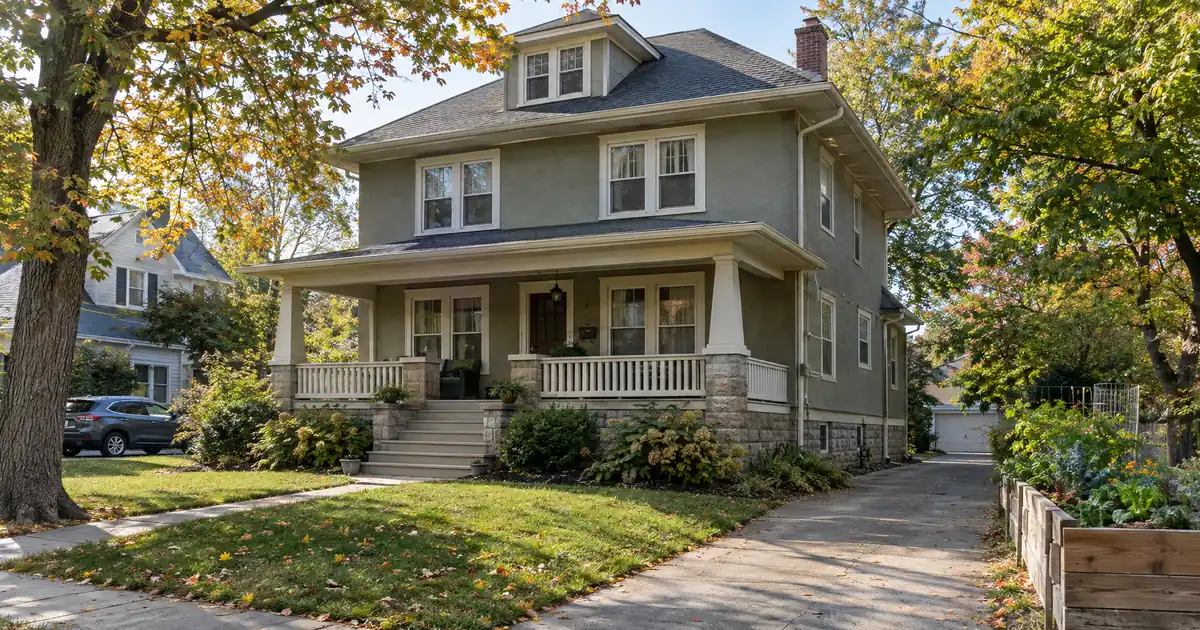
A ground lease rental is a building you own on land you lease. You hold a long-term right to use the land, and the landlord keeps title to it. That changes what the lender takes as collateral, so the lease itself becomes part of the underwriting file.
DSCR Calculator
Run the numbers in your market
Rate source: Freddie Mac 30-yr average via FRED® — Federal Reserve Bank of St. Louis · effective Oct 15, 2026
Prefilled with starting assumptions — enter your own rent or nightly figures, taxes, insurance, and HOA for a more accurate picture.
Program parameters update from Lendmire’s centralized guideline source. Taxes and insurance are editable estimates.
As of Oct 15, 2026 · General Freddie Mac market benchmark, not a Lendmire loan offer. Rent, nightly rate, occupancy, taxes, and insurance are editable estimates. Short-term rental figures are estimates only and vary significantly by season, property type, management approach, and local short-term-rental rules — confirm local regulations before relying on them. Qualifying income for short-term rentals varies by program — some use appraisal market rent, others use documented STR history or projections — and is confirmed in underwriting. Not a Loan Estimate, approval, or commitment to lend. Program availability and eligibility are subject to lender guidelines, credit approval, property review, and underwriting.
On a fee-simple rental, the lender reviews the property, the rent, the borrower and the title. On a leasehold, the lender also reviews the contract that gives you the right to be there. A law-firm analysis from Poyner Spruill says a lender should confirm the lease carries minimum lender protections, and that those protections are often missing in older leases. The same piece says the term should run well past loan maturity. It also says the lease should address the tenant’s right to mortgage, sublease and assign, and it recommends recording a short-form memorandum of the lease.
Ground leases commonly run from 50 to 99 years. A lease that started long ago can have a short tail left. That tail is what the lender prices.
Across the wholesale network, leasehold files are handled lender by lender. Some programs will not review them. Others will, with limits on remaining term and lease terms. Ask before you order appraisals or legal work.
Key Terms Defined
Ground lease: a long-term contract that lets you use and build on land you do not own, in exchange for ground rent.
Leasehold interest: your right to occupy and use the land under that contract, which is what a lender takes as collateral along with the building.
Ground lessor: the landlord who owns the land and collects ground rent.
Ground rent: the recurring payment you owe the ground lessor, separate from rent paid by your tenants.
Estoppel certificate: a signed statement from the ground lessor confirming the lease is in force, the rent is current and no default exists.
Leasehold mortgagee: the lender holding a loan secured by the leasehold, who needs notice and cure rights if the tenant defaults.
PITIA: principal, interest, taxes, insurance and any association dues, the payment side of the DSCR ratio.
How Does DSCR Underwriting Treat a Ground Lease?
Underwriting runs two tests side by side. The first is the usual rental test: monthly rent used by the lender divided by PITIA. The second is a legal test: whether the leasehold is something a lender can safely take as collateral. A file can pass the first and fail the second.
The ratio is narrow. It compares rent to the payment and nothing else. Repairs, vacancy, management, utilities and capex sit outside it. A property that clears 1.00 is not the same as a property that produces positive cash flow, and ground rent makes that gap wider.
Select programs in the network start at 1.00 coverage as a floor. A separate select-lender path takes coverage below 1.00, with leverage and terms adjusted. Stronger ratios open better pricing and leverage tiers.
The rent figure is usually not what the signed lease says. The appraiser’s opinion of market rent typically caps the rent used. That opinion comes from Form 1007 on a one-unit property or Form 1025 on a two-to-four-unit property. On a leasehold, the appraisal should value the leasehold interest, so confirm that instruction with the lender before the order goes out.
Where does ground rent land? Many programs count a recurring ground rent on the payment side, the way association dues sit inside PITIA and are never subtracted from rent. Treatment varies by program. Do not assume it. Ask how the lender counts it and whether it will use the current ground rent or a scheduled higher one.
Step by Step: How to Prepare the Lease
Work in this order. Each step removes a gap a reviewer would otherwise find later.
1. Pull the complete lease. Gather every page, amendment, assignment and sublease. Reviewers read the full document, not a summary. Missing pages and unsigned amendments are a common reason a leasehold file stalls.
2. Confirm the lease is recorded. Record the lease or a memorandum of it, and keep the recording information handy. The Freddie Mac single-family guide treats an unrecorded leasehold as a problem, and DSCR lenders generally want the same evidence. A recorded short-form memorandum is the usual fix when the lease itself is private.
3. Count the remaining term honestly. Count only the years the tenant can use without anyone’s permission. Renewal options that depend on the landlord, or that you have not yet exercised, are commonly discounted. Subtract the loan term from the years left and see what remains. If the cushion is thin, raise it with the lender now.
4. Order a leasehold title commitment. Ask for a leasehold title commitment and policy. The grantee on the last deed of record should match the landlord named in the lease. Even small name differences can cause trouble, so catch them early.
5. Review the lender-protection clauses. Check for notice of tenant default to the lender, a cure right, the right to mortgage and assign the leasehold, protection against forfeiture and anti-merger language. The next section covers each one.
6. Request the estoppel. Ask the ground lessor to confirm that the lease is in force, ground rent is current and no default exists. Send the request early. The lessor’s review cycle is outside your control.
7. Map the ground rent schedule. Get the current ground rent, the escalation formula and the date of the next step. Predictable escalation is easier to underwrite. A lease that lets the landlord reset rent in large jumps adds risk a lender will price or decline.
8. Run the coverage math twice. Run it with current ground rent, then again after the next scheduled escalation. The example below shows how fast coverage can move.
On the rent side, the usual documents still apply. If the unit sits vacant or the existing lease is below market, see Lendmire’s piece How a Trust Qualifies for a DSCR Rental Loan With a Below-Market Lease. If the property has no lease at all and you are refinancing, the piece How to Show Rental Income for a DSCR Cash-Out With No Lease covers that evidence.
Which Lease Clauses Do Lenders Check?
Lenders check the clauses that decide whether they can protect their collateral if something goes wrong. Missing language can often be cured by an amendment, but ground lessors are usually reluctant to amend, so start early.
| Clause | Why a lender cares | If missing |
|---|---|---|
| Remaining term | Must outlast the loan | Extension or shorter loan |
| Right to mortgage | Lender needs a lien | Lessor amendment |
| Assignment and sublease | Exit and foreclosure | Lessor consent letter |
| Notice and cure | Lender can fix a default | Add lender protections |
| Anti-merger | Lease survives common ownership | Lessor amendment |
| Rent escalation | Predictable payment | Model worst case |
A few clauses are red flags on their own. Any requirement for landlord approval before you can mortgage the leasehold is one. So is termination for a default the tenant cannot cure. A rent reset that allows large jumps is a third. If you see one, talk to a real estate attorney before the lender does.
What Does the Coverage Math Look Like With Ground Rent?
Ground rent compresses coverage, and escalation compresses it further. The figures below are modeled assumptions for illustration only. They are not market data.
| Scenario | Modeled coverage |
|---|---|
| Rent vs payment, no ground rent | about 1.30x |
| Ground rent counted today | about 1.12x |
| After next escalation | about 1.03x |
| Escalation plus vacancy buffer | below 1.00x |
Run the numbers on a one-unit leasehold that starts near 1.30x before ground rent. Counting current ground rent brings it to about 1.12x. The next scheduled escalation pulls it to the low-1.0 range. A vacancy buffer pushes it under 1.00x.
A file in that last row still has paths. A larger down payment lowers the payment and can lift the ratio. A sub-1.00 path is available through select lenders in the network, with leverage and terms adjusted. A lower loan amount or a different structure may also help. Whether any of these fit is a lender decision, subject to credit approval and property review.
A larger down payment never removes leverage caps, credit floors, reserve rules or property eligibility. The strongest files clear both tests: enough equity and enough rental coverage.
DSCR vs. conventional financing
There are two common ways to finance an investment property, and they qualify you differently — here’s how investors weigh them.
Why investors choose it
- Qualifies on the property’s rental income — no personal tax returns, W-2s, or pay stubs needed to document income.
- No personal debt-to-income ceiling to clear, so existing mortgages and obligations don’t cap your borrowing the same way.
- Can be closed in an LLC, keeping the property inside a business entity.
- Built for scaling — not held to the limit on number of financed properties that conventional financing applies.
- Underwriting centers on the deal: generally qualifies when the rent covers the payment, a 1.00x coverage ratio being a common baseline (confirmed in underwriting).
- Designed specifically for investment property, including long-term and, where the program allows, short-term rentals.
Where it’s strong
- Often the lowest ongoing financing cost for a buyer who fully qualifies on personal income — a fit for a first property or a cost-first purchase.
Trade-offs for investors
- Requires full personal income documentation and must fit within a debt-to-income limit — salary, existing debts, and other mortgages all count.
- Typically held in your personal name rather than a business entity.
- Caps how many financed properties you can carry, which can become a ceiling as a portfolio grows.
- Evaluates you as a borrower as much as the property, which usually means more paperwork.
How investors usually choose: a first or single property often optimizes for the lowest financing cost; portfolio builders often optimize for leverage, vesting in an LLC, and scaling past conventional caps. The right answer depends on your goals, the property, and current guidelines — both paths run through select lenders in Lendmire’s wholesale network, with eligibility and terms confirmed in underwriting.
Where Does the General Rule Break?
Five edge cases come up often.
Leasehold condos and planned communities. The ground lessor may be the fee owner or the association. The project itself also has to be eligible, so the condo questionnaire and the lease both get reviewed. Investor commentary often flags renewal rights, escalators and tight remaining terms as the pressure points.
Short remaining term. The usual fixes are a shorter loan term or a lease extension from the landlord. Neither is guaranteed. A leasehold with a short tail is also harder to sell or refinance later, which matters for your exit. A practitioner analysis from Rets.ai makes the same point: a leasehold is a wasting asset, and the pool of buyers and lenders shrinks as the term shortens.
Subordinated and unsubordinated leases. In a subordinated lease, the landlord agrees to let the leasehold lender go ahead of the land interest. This matters most in commercial deals, where the lender wants notice and cure rights before it lends. Small rentals rarely meet it, but ask the title company.
Land carve-outs. Some structures separate the land from the building to shrink the loan. That lowers the principal and interest, but it adds ground rent. A smaller loan payment can be offset by a new expense on the payment side.
Ineligible structures. Manufactured homes, log homes and barndominiums are not offered in the network’s DSCR programs, including when they sit on leased land.
What If the Lease Fails Review?
You have four moves, and they can be combined.
- Ask the lessor to amend. Request specific language: leasehold mortgage permission, lender notice and cure, anti-merger. A clean, narrow request has a better chance than a broad rewrite.
- Buy the fee. If the landlord will sell the land, the file becomes a standard rental.
- Change the loan structure. A shorter term, a lower loan amount or a different lender with a different appetite may fit.
- Walk away. A lease that cannot be financed also limits your buyers when you sell.
Cure the lease before underwriting begins, not during it.
Who Does What
| Task | Owner |
|---|---|
| Full lease and amendments | Investor |
| Lease review and amendments | Attorney |
| Leasehold title commitment | Title company |
| Estoppel certificate | Ground lessor |
| Rent opinion and leasehold value | Appraiser |
| Program fit and coverage math | Loan broker |
Entity and rental documents travel with the file as they would on any DSCR loan: formation papers, the operating agreement, tenant leases, rent history and proof of insurance. Keep the ground lease documents in the same folder so reviewers see one story.
How Do Network Programs Treat the Rest of the File?
Once the leasehold is accepted, the ordinary DSCR terms apply, subject to lender guidelines. On most files in the network, a purchase lands at 75% to 80% LTV. A cash-out refinance on a standard rental tops out around 75% LTV. Credit floors start at 620 in parts of the network, most programs want about 660, and 700 or higher opens the strongest leverage tiers. Standard programs run up to $3,000,000.
Reserves vary with the file. They commonly run about 6 months of PITIA and step up to about 9 months above $1,500,000. Those are typical ranges, not promises. Leasehold eligibility, minimum remaining term and ground rent treatment are separate questions, and the lender decides them.
How Do Agency Leasehold Rules Compare?
Conventional agency rules are a useful contrast, but they do not govern DSCR loans. The Fannie Mae Selling Guide requires an unexpired term that exceeds loan maturity by at least 5 years. It also bars merger-of-title provisions that could impair the leasehold without lender consent. It says a lender must not rely on unexercised renewal options to meet the term minimum. The Freddie Mac Multifamily Guide asks for 10 years beyond maturity on a fully amortizing ground-lease loan. That is a separate multifamily program.
Treat those figures as a picture of what conservative lenders consider reviewable. A DSCR lender may be stricter or looser, so get its minimum term in writing before you spend money on the lease.
Frequently Asked Questions
Can a ground lease rental qualify for a DSCR loan?
Sometimes. Leasehold eligibility is set by each lender, not by a universal rule. Some programs decline leaseholds and others accept them with limits on remaining term and lease terms. A file qualifies primarily on property-level rental income covering the payment, subject to lender guidelines, and the lease must also be reviewable.
Is ground rent part of the DSCR ratio?
Many programs count a recurring ground rent on the payment side, the way association dues sit inside PITIA. Treatment varies, so ask the lender how it counts ground rent and whether it uses a scheduled higher figure.
How long does the lease need to run?
It needs to outlast the loan with room to spare. The exact cushion is a lender decision. Agency guides ask for several years beyond maturity, and a DSCR lender may set its own minimum. Count only the years you can use without the landlord’s permission.
What is an estoppel and why do I need one?
It is a signed statement from the ground lessor that the lease is in force, the rent is current and no default exists. It gives the lender written proof of the lease status. Request it early, because the lessor controls its own review schedule.
Does a signed lease set the rent the lender uses?
Not by itself. The appraiser’s market rent opinion usually caps the rent used in the ratio, so a lease above market rent may not count in full.
Next Step
If you are buying or refinancing a rental property and want to see how the numbers work, Lendmire can help you compare DSCR loan options based on the property income, credit profile, leverage and investor goals. Lendmire is a broker that arranges financing through select lenders in its wholesale network across 41 markets, including Washington, D.C. For program basics, start with the complete DSCR loans guide, then call 828-256-2183 to talk through a leasehold file.
About Lendmire
Lendmire (NMLS# 2371349) is a DSCR-focused mortgage broker that helps arrange investor financing across 41 markets, including Washington, D.C., through wholesale and investor-lending channels. DSCR eligibility is generally reviewed by the lender around the property’s rental income rather than personal income documentation, subject to lender guidelines — which works for self-employed investors, LLC operators, and portfolios above four financed properties. Scotsman Guide named Lendmire a Top Mortgage Workplace in both 2025 and 2026.
Get Started
Ready to find the right loan for you?
In about 30 seconds you can review financing options available for your investment property. No commitment required.
Informational only. Not a Loan Estimate, approval, or commitment to lend. Program availability and eligibility are subject to lender guidelines, credit approval, property review, and underwriting.
References
1. Poyner Spruill: Protecting an Interest in a Ground Lease, a Lender’s Perspective
2. Freddie Mac single-family guide
3. Rets.ai: Ground Leases and Why Land Controls Return
4. Fannie Mae Selling Guide B2-3-03
This article is part of Lendmire’s DSCR loan program — full qualification details, guidelines, and scenarios live on the program page.
Related reading: Is a DSCR Loan Better Than a Bank Commercial Loan on a Small Rental? · How to Document a Below-Market Lease for a DSCR Loan · How to Choose a DSCR Loan or Bank Commercial Loan on a Rental
Brandon Miller
Founder & CEO, Mortgage Loan Originator, Lendmire LLC
- Mortgage Loan Originator · NMLS# 1129696 · Verify on NMLS Consumer Access
- North Carolina Real Estate Broker · License# 343312 · Verify on NCREC
- North Carolina Insurance Producer · License# 19053198 · Property, Casualty, Life, Health · Verify on NAIC SBS
- Lendmire LLC · Firm NMLS# 2371349 · Verify firm licensure
Required disclosures. Lendmire (NMLS# 2371349) operates as a licensed mortgage broker, not a direct lender or depository. The discussion in this article is general in nature and should not be relied upon as financial, legal, or tax advice — every investment scenario is unique and should be reviewed by a qualified professional. Any loan inquiry is subject to lender underwriting, and this article is not a commitment to lend or a guarantee of approval. Mortgage rates, loan terms, and program guidelines vary by borrower, property, and state, and may change without notice. Equal Housing Opportunity. Verify licensure at NMLS Consumer Access.