
The Quick Read: Structural findings do not automatically block a DSCR loan, but the lender reviews the building as collateral, so the severity of the findings and the funding behind the repairs decide the outcome. A building with funded, underway repairs is a very different file from one with an unresolved Phase 2 report or an open structural lawsuit.
- Rent coverage is only half the test. The building has to pass the lender’s project review too.
- Non-warrantable condos are eligible only on select programs, up to 75% LTV on a purchase and $1,500,000, subject to underwriting.
- Condo dues sit inside the monthly obligation, so a dues increase lowers the ratio directly.
- Structural or safety litigation, hotel operations, and a rental ban in the HOA documents are the hardest stops.
- Clearing 1.00 does not mean positive cash flow. Repairs, vacancy, and capex sit outside the ratio. Terms vary by lender guidelines, property type, leverage, credit profile, and full file review.
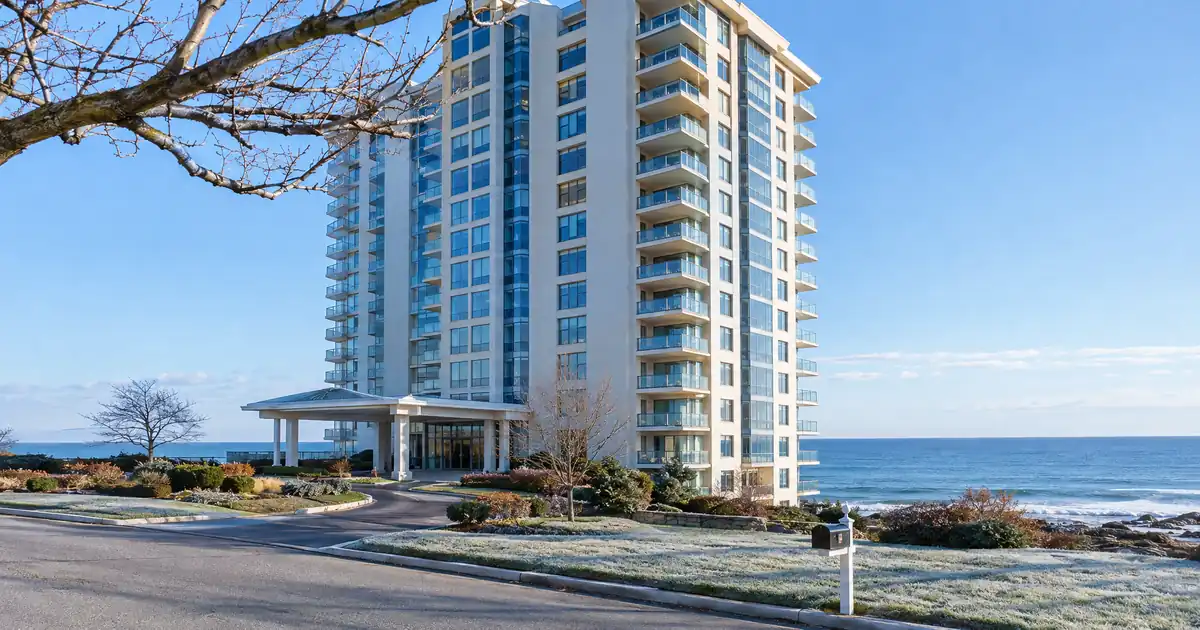
Coastal high-rises are where this question comes up most. Salt air, wind, and water wear on concrete and steel, and some jurisdictions now require inspections that put the findings in writing. That paper trail is what a lender reads. This guide walks through what the reports are, how underwriting treats them, where the rules break, and what the investor decision looks like. For the broader product picture, see Lendmire’s complete DSCR loans guide.
DSCR Calculator
Run the numbers in your market
Rate source: Freddie Mac 30-yr average via FRED® — Federal Reserve Bank of St. Louis · effective Oct 15, 2026
Prefilled with starting assumptions — enter your own rent or nightly figures, taxes, insurance, and HOA for a more accurate picture.
Program parameters update from Lendmire’s centralized guideline source. Taxes and insurance are editable estimates.
As of Oct 15, 2026 · General Freddie Mac market benchmark, not a Lendmire loan offer. Rent, nightly rate, occupancy, taxes, and insurance are editable estimates. Short-term rental figures are estimates only and vary significantly by season, property type, management approach, and local short-term-rental rules — confirm local regulations before relying on them. Qualifying income for short-term rentals varies by program — some use appraisal market rent, others use documented STR history or projections — and is confirmed in underwriting. Not a Loan Estimate, approval, or commitment to lend. Program availability and eligibility are subject to lender guidelines, credit approval, property review, and underwriting.
Key Terms Defined
- DSCR: the debt service coverage ratio, which compares a property’s monthly rent to its monthly obligation.
- PITIA: principal, interest, taxes, insurance, and association dues, the full monthly obligation used in the ratio.
- Milestone inspection: a required structural inspection of an older condo building, run in phases.
- Structural reserve study (SIRS): a plan that shows what the association must set aside to maintain the building’s structure.
- Special assessment: a charge to owners, outside regular dues, to fund a repair or shortfall.
- Non-warrantable: a label for a condo project that fails agency eligibility tests, not a statement that the building is defective.
- Critical repairs: serious structural or safety defects, such as water intrusion, deteriorated load-bearing elements, or unsafe balconies.
What Are Structural Findings, Exactly?
Structural findings come from required inspection programs, and Florida runs the best-documented one. Under Florida Statutes §553.899, a condo or co-op building of three or more habitable stories needs a milestone inspection once it reaches 30 years from its certificate of occupancy, then every 10 years. Other states and cities run their own versions, so check the rules where the building sits.
The Florida Senate’s statute text adds a coastal wrinkle. A local agency may require the first inspection at 25 years for local conditions, such as proximity to salt water. The inspection runs in two phases:
- Phase 1 is a visual review.
- Phase 2 is required only if Phase 1 finds substantial structural deterioration, and it may involve testing.
The statute defines that deterioration as distress that harms the building’s general structural condition and integrity. Surface imperfections do not count. So a milestone inspection does not mean the building failed. Only a Phase 2 trigger signals real structural concern.
The association pays for the inspection on the parts it maintains. Repairs after a Phase 2 report must begin on a timeline set by the same statute. Findings still reach owners, though, through dues increases and special assessments.
A companion study matters just as much. The Florida condo regulator says a structural integrity reserve study is required at least every 10 years for buildings of three or more stories. Put simply, the inspection finds the repairs and the reserve study plans the money. Lenders read both.
How Does Underwriting Treat the Building?
Underwriting runs two tests side by side: does the rent cover the payment, and is the building acceptable collateral? Most DSCR programs across the wholesale network use their own project review rather than agency pass-fail tests. That is why a building can be unavailable for agency loans and still be reviewable here. It is also why the review is not a formality.
Here is how a file typically moves:
1. Pre-offer diligence. The investor asks for the milestone inspection status, any Phase 2 report, the reserve study, and the budget.
2. Project review. The lender pulls financial statements, master insurance, board minutes, litigation disclosures, special-assessment notices, engineering reports, rental restrictions, and delinquency records.
3. Repair status. If repairs are recommended, the lender may ask for the scope, funding source, timeline, and completion status.
4. Property decision. The lender decides whether its program accepts this building at all.
5. Coverage and leverage. Only then do the rent-to-PITIA ratio and the loan structure get settled.
Several questions decide step 4. Did the report find substantial deterioration? Are repairs funded through reserves, an assessment, or a loan, and is there a timeline? Is there litigation? Is the master insurance adequate? Do the HOA documents allow the rental plan?
Lenders increasingly condition loans on milestone-inspection compliance and Phase 2 status, according to CIC-SC’s guide to Florida milestone inspections. No published threshold says how many repair dollars a lender will accept. In practice, funded and underway reads better than unfunded and pending.
Findings-to-Outcome Ladder
Lender posture tends to track severity. This table shows the general pattern, not a promise for any one file.
| Finding | What it signals | Typical lender reaction |
|---|---|---|
| Clean Phase 1 | No substantial deterioration | Routine project review |
| Minor items noted | Deferred maintenance | Usually reviewable; budget checked |
| Repairs funded, underway | Problem identified and paid for | Often reviewable, with documents |
| Repairs required, unfunded | Assessment or loan likely coming | Conditional; dues impact tested |
| Open structural litigation | Unresolved dispute | Review often paused or declined |
| Unsafe-building order or evacuation | Rent and collateral at risk | Typically a stop |
What Blocks the Loan and What Doesn’t
Some condo issues block agency loans only. Others stop every lender. Investor concentration and a thin owner-occupancy mix usually belong in the first group. Structural or safety litigation, hotel operations, and a rental ban belong in the second.
For non-warrantable condos, select programs in the network reach 75% LTV on a purchase and loan amounts up to $1,500,000, subject to underwriting. Structural or safety litigation and hotel operations may be disqualifying even for non-QM lenders. A rental ban in the HOA documents ends the plan, and no loan structure fixes it.
A quick agency contrast explains why the labels differ. Agency guidance treats a project as ineligible while critical repairs remain unaddressed, and it asks for review of inspection reports completed within three years of the project review, per Fannie Mae’s SEL-2023-06. That sets the agency rule. It does not set the DSCR rule.
How Do Dues and Assessments Hit the Ratio?
Dues sit inside PITIA, not netted from rent, so every dues increase lowers coverage directly. The ratio is monthly rent divided by the full monthly obligation. Repair funding often pushes dues up, which is why a building with strong rent can still slip.
Treat assessments carefully, because lenders handle them differently:
- Some treat a lump-sum assessment as a reserves or cash-to-close item.
- Others convert an active assessment to a monthly figure and add it to PITIA.
- Others leave it out of the ratio, so the investor must budget for it separately.
There is no single rule, so ask the lender how it treats the assessment before you rely on a coverage number.
Run it conceptually. Say a unit’s rent covers its obligation at roughly 1.25x on base dues. Add an installment-style assessment, and the same unit might drop toward 1.05x. A temporary assessment that ends can be tolerable if the ratio holds at the higher payment. An open-ended one pushes toward lower leverage or a larger cushion. If the unit lands under 1.00, a sub-1.00 path is available through select lenders in the network, with leverage and terms adjusted. 1.00 is where many select programs start, and stronger ratios open better pricing and leverage.
Remember what the ratio leaves out. Clearing 1.00 is not positive cash flow. Repairs, vacancy, management, utilities, and capex all sit outside the calculation.
DSCR vs. conventional financing
There are two common ways to finance an investment property, and they qualify you differently — here’s how investors weigh them.
Why investors choose it
- Qualifies on the property’s rental income — no personal tax returns, W-2s, or pay stubs needed to document income.
- No personal debt-to-income ceiling to clear, so existing mortgages and obligations don’t cap your borrowing the same way.
- Can be closed in an LLC, keeping the property inside a business entity.
- Built for scaling — not held to the limit on number of financed properties that conventional financing applies.
- Underwriting centers on the deal: generally qualifies when the rent covers the payment, a 1.00x coverage ratio being a common baseline (confirmed in underwriting).
- Designed specifically for investment property, including long-term and, where the program allows, short-term rentals.
Where it’s strong
- Often the lowest ongoing financing cost for a buyer who fully qualifies on personal income — a fit for a first property or a cost-first purchase.
Trade-offs for investors
- Requires full personal income documentation and must fit within a debt-to-income limit — salary, existing debts, and other mortgages all count.
- Typically held in your personal name rather than a business entity.
- Caps how many financed properties you can carry, which can become a ceiling as a portfolio grows.
- Evaluates you as a borrower as much as the property, which usually means more paperwork.
How investors usually choose: a first or single property often optimizes for the lowest financing cost; portfolio builders often optimize for leverage, vesting in an LLC, and scaling past conventional caps. The right answer depends on your goals, the property, and current guidelines — both paths run through select lenders in Lendmire’s wholesale network, with eligibility and terms confirmed in underwriting.
Coastal-Specific Wrinkles
Salt-water exposure is why coastal buildings reach inspection earlier and why dues run higher. Marine corrosion, wind, and water intrusion drive the deterioration that inspections look for. Insurance on the master policy flows through to owners as dues, so an insurance jump and a reserve increase can hit the same unit at once. Lenders check that the master coverage is adequate and that the combined dues still leave coverage intact.
Short-term use adds another layer. Condotel and hotel-style operations are the tightest class. Rental restrictions in the HOA documents decide whether your plan is even allowed, and short-term rental rules can vary by city, county, HOA, and property type, so investors should confirm local rules before relying on projected rental income.
Documents to Request, in Order
Ask for these before you pay for an appraisal:
| Document | What you want | Red flag |
|---|---|---|
| Milestone inspection report | Phase 1 only, or Phase 2 scope | Phase 2 with unfunded repairs |
| Reserve study | Funded plan for structure | Large unfunded gap |
| Budget and financials | Stable dues, healthy reserves | Rising delinquencies |
| Board minutes | Repair plans and timelines | Disputes, contractor problems |
| Litigation disclosure | No structural suit | Active structural lawsuit |
| Master insurance | Adequate coverage | Lapses or sharp increases |
| Rental rules | Your plan allowed | Rental cap or ban |
What If the Findings Are Bad?
Bad findings do not always mean walk away. The investor has four realistic moves:
- Negotiate. Seek a price reduction or a credit for assessments already levied.
- Wait. Hold off until repairs are funded or complete, when the file reads better.
- Restructure. Lower leverage and add a ratio cushion if the assessment is temporary.
- Pivot. Move to a different building if litigation or an evacuation order is in play.
Think about exit too. Buyers face the same financing hurdles, so the resale pool can narrow to cash buyers and non-QM borrowers. If you can only sell to a narrow group, price that in now. Leverage on a typical purchase lands at 75%-80% LTV, but a non-warrantable condo is limited to 75% on select programs. A larger down payment can lift the ratio, though it never erases property-eligibility rules. Exact terms depend on the lender’s guidelines, property type, leverage, and a full review of the borrower’s file.
Outside Florida
Many states and cities run their own recertification or inspection rules, and requirements vary by jurisdiction. Where no mandated program exists, lenders typically ask for engineer reports, board minutes, and the association’s capital plan instead. The questions stay the same: is the building sound, are repairs funded, and does the rent cover the full obligation?
Where the Rule Breaks
A few edge cases deserve a closer look. Litigation stalls more condo files than almost anything else, and many lenders pause review until it resolves. An unsafe-building order can restrict occupancy, which cuts rent and weakens the lender’s collateral position. A luxury unit priced above $1,500,000 is a different file than one under it, because non-warrantable ceilings apply and larger loans typically carry about 9 months of reserves rather than about 6. Reserves vary by lender, leverage, and loan size, so treat any number as a range.
Credit matters too. A 620 floor exists in parts of the network, most programs want around 660, and 700+ unlocks the strongest leverage tiers. All of this is subject to lender guidelines, credit approval, and property review. It is not a commitment to lend. If you are buying or refinancing a rental property and want to see how the numbers work, Lendmire can help you compare DSCR loan options based on the property income, credit profile, leverage, and investor goals.
Frequently Asked Questions
Does a DSCR lender ignore the building?
No. The lender still reviews HOA financials, insurance, litigation, and rental permissions. Rent that covers the payment does not rescue a building that fails project review.
Does non-warrantable mean the building is unsafe?
No. It is an agency eligibility label, not a defect finding. DSCR lenders review the building under their own rules, though not every building passes.
Can I finance a building with an open special assessment?
Sometimes. Treatment varies by lender. Some count it as reserves or cash to close, and others add a monthly equivalent to the obligation. Funded, active repairs read better than unfunded ones.
Who pays an assessment levied before closing?
That depends on the purchase contract and the timing of the levy. Investors often negotiate a seller credit or price adjustment, so raise it before the offer.
Does a Phase 2 report kill the deal?
Not automatically. Lenders look at whether repairs are funded and underway, whether litigation exists, and whether insurance holds. An unsafe-building order is a much harder stop.
About Lendmire
Lendmire (NMLS# 2371349) is a DSCR-focused mortgage broker that helps arrange investor financing across 41 markets, including Washington, D.C., through wholesale and investor-lending channels. DSCR eligibility is generally reviewed by the lender around the property’s rental income rather than personal income documentation, subject to lender guidelines — which works for self-employed investors, LLC operators, and portfolios above four financed properties. Scotsman Guide named Lendmire a Top Mortgage Workplace in both 2025 and 2026.
Get Started
Ready to find the right loan for you?
In about 30 seconds you can review financing options available for your investment property. No commitment required.
Informational only. Not a Loan Estimate, approval, or commitment to lend. Program availability and eligibility are subject to lender guidelines, credit approval, property review, and underwriting.
References
1. Florida Statutes §553.899 (official legislature text)
2. Florida Senate, 2024 Statutes §553.899
3. Florida DBPR Condominium FAQ
4. CIC-SC, Florida milestone inspection guide
This article is part of Lendmire’s DSCR loan program — full qualification details, guidelines, and scenarios live on the program page.
Related reading: How to Underwrite a Condo on a DSCR Loan With the Dues and Budget · Can You Refinance a Rental Awarded in Divorce With a DSCR Loan? · Can an Investor With a W-2 Job Skip the Bank for a DSCR Loan?
Brandon Miller
Founder & CEO, Mortgage Loan Originator, Lendmire LLC
- Mortgage Loan Originator · NMLS# 1129696 · Verify on NMLS Consumer Access
- North Carolina Real Estate Broker · License# 343312 · Verify on NCREC
- North Carolina Insurance Producer · License# 19053198 · Property, Casualty, Life, Health · Verify on NAIC SBS
- Lendmire LLC · Firm NMLS# 2371349 · Verify firm licensure
Disclosures. The information presented in this article is general market commentary, not financial, legal, or tax advice. Lendmire is a mortgage brokerage (NMLS# 2371349) — not a direct lender or depository institution — and loan placement is subject to lender underwriting. Nothing in this content represents a commitment to lend. Loan terms, pricing, and program availability vary based on borrower qualifications, property characteristics, and state of subject property, and are subject to change at any time. Lendmire complies with Equal Housing Opportunity requirements. Consumer access: nmlsconsumeraccess.org.