
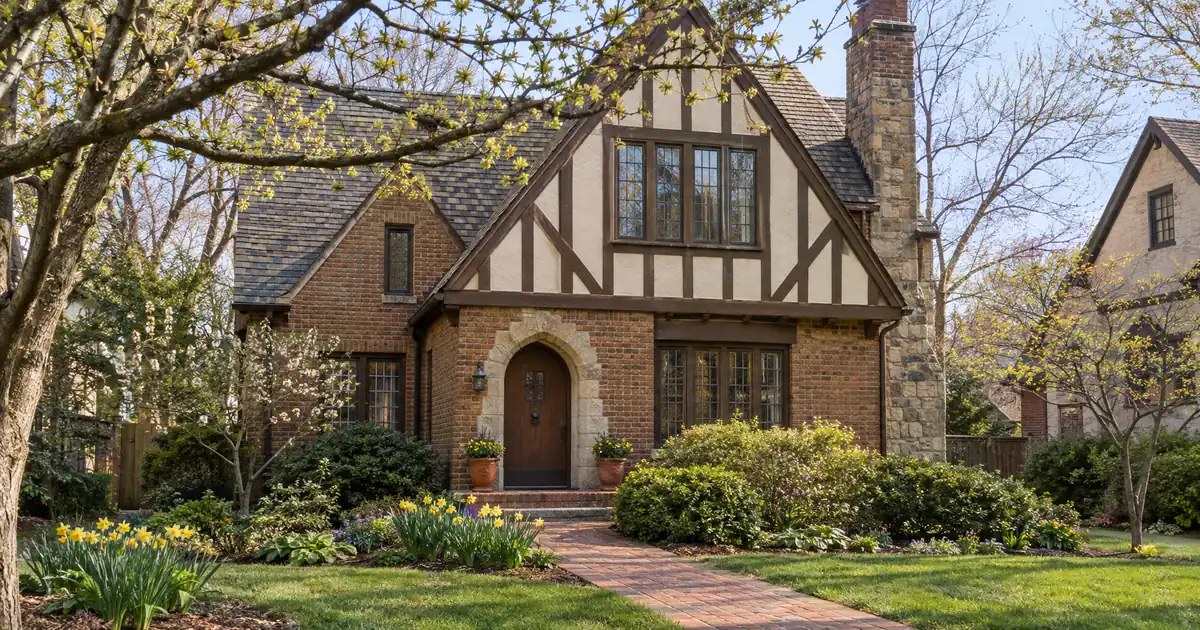
The Quick Read: A builder or seller concession is a credit that pays part of your closing costs, and you set it up in the purchase contract before the appraisal is ordered. On most DSCR files, the credit can cover closing costs and prepaids, but it cannot fund your down payment or reserves, and anything above the program’s cap is treated as a price reduction when the lender sets your loan amount.
- The cap is set by each program’s guidelines, not by a federal rule, so confirm it before you sign the builder’s contract.
- A credit lowers cash to close. It does not raise your DSCR unless it buys the rate down permanently.
- Everything from the builder, its affiliates and the agents stacks against one cap.
- Leverage is measured on the lower of price or appraised value, minus any excess credit.
- A bigger headline credit is not automatically a better deal than a lower base price.
Builders hand out concessions constantly. NAHB’s Housing Market Index reports that 66% of builders used sales incentives in its latest reading, while 38% cut prices, with an average cut of 6%. So the offer on your table is probably real. The question is whether you structure it so the lender counts it correctly. This article walks through that, step by step.
DSCR Calculator
Run the numbers in your market
Rate source: Freddie Mac 30-yr average via FRED® — Federal Reserve Bank of St. Louis · effective Oct 15, 2026
Prefilled with starting assumptions — enter your own rent or nightly figures, taxes, insurance, and HOA for a more accurate picture.
Program parameters update from Lendmire’s centralized guideline source. Taxes and insurance are editable estimates.
As of Oct 15, 2026 · General Freddie Mac market benchmark, not a Lendmire loan offer. Rent, nightly rate, occupancy, taxes, and insurance are editable estimates. Short-term rental figures are estimates only and vary significantly by season, property type, management approach, and local short-term-rental rules — confirm local regulations before relying on them. Qualifying income for short-term rentals varies by program — some use appraisal market rent, others use documented STR history or projections — and is confirmed in underwriting. Not a Loan Estimate, approval, or commitment to lend. Program availability and eligibility are subject to lender guidelines, credit approval, property review, and underwriting.
Key Terms Defined
Seller concession (or credit): Money the seller or builder agrees to put toward your costs at closing, written into the contract.
Prepaids: Costs paid up front for things like the first insurance premium and escrow deposits.
Interested party: Anyone with a stake in the sale, such as the builder, its affiliated lender or title company, and the real estate agents.
LTV (loan-to-value): The loan amount divided by the lower of the purchase price or the appraised value.
DSCR (debt service coverage ratio): Monthly rent divided by the full monthly housing obligation: principal, interest, taxes, insurance and any HOA dues (PITIA).
Permanent buydown: Paying points at closing to lower the note rate for the life of the loan.
Temporary buydown: A subsidy that lowers the payment for the first year or two, then steps back up to the note rate.
What Is a Seller Concession, and How Is It Different From a Price Cut?
A concession is a credit that changes what you pay at closing. A price cut changes what the property costs. That difference drives everything else here.
Say a builder lists a home at one price and offers a credit toward your closing costs. Your loan is still sized off the contract price. A base-price cut works the other way. The contract price falls, the loan basis falls with it, and your payment is permanently lower.
Builders often prefer credits because they protect the recorded sale prices in the community, which supports appraisals on later sales. That is also why a builder may balk at a price cut but happily write a five-figure credit.
Lenders also distinguish between two kinds of credit. A financing concession pays real closing costs and prepaids. A sales concession is value handed to you in some other form, or credit above the program cap. Lenders treat the second kind as a price reduction.
Who Sets the Cap on a DSCR Loan?
The lender program sets it. No federal rule governs seller concessions on a DSCR loan, because these are non-agency, business-purpose investor loans. DSCR loans are designed for non-owner-occupied investment properties, and they are reviewed differently from a standard owner-occupied mortgage.
Across the wholesale network Lendmire works with, caps are written as a percentage of the purchase price or appraised value, not a percentage of the loan. Caps differ by lender, by leverage and sometimes by property type. Some programs are tighter at higher leverage. Confirm the exact cap for your file before you sign anything with the builder, because the number in the builder’s flyer is not the number that matters.
Agency rules are a useful contrast, but they do not apply here. The Freddie Mac Guide defines an interested party to include the builder, developer, seller and agent, plus their affiliates. Non-agency programs commonly borrow that logic. Do not borrow the agency percentages. Those belong to a different product.
How the Excess Comes Off the Price
Credit above the cap is not lost money in every case, but it stops counting as a financing concession. It is subtracted from the price before leverage is calculated.
The Fannie Mae DU job aid shows the same method in an agency setting. Its example: a $15,000 seller credit against a $9,000 allowance leaves $6,000 treated as a sales concession, deducted from the sales price. DSCR programs generally work the same way, though the allowance and the details come from the program’s own guidelines.
Here is what that does to a deal. Picture a new-build rental under contract at a given price, with a builder credit that exceeds the cap. The lender takes the lower of the contract price or appraised value, then subtracts the excess credit. Your leverage is measured on that smaller number. On a purchase, most files in the network land at 75%-80% LTV, so a smaller basis means a smaller loan and more cash from you. Some programs go further and reduce both value and price by the excess.
A credit that looked generous can quietly shrink your loan. Ask the lender to run the numbers before you accept the builder’s offer.
What a Concession Can and Cannot Pay For
Most programs limit the credit to actual closing costs and prepaids. It generally cannot fund your down payment or your required reserves.
| Use | Typically allowed? |
|---|---|
| Lender and title fees | Yes |
| Prepaids and escrow deposits | Yes |
| Points for a permanent buydown | Yes, where the program allows |
| Down payment | No |
| Required reserves | No |
The credit also cannot exceed the actual costs it offsets. A builder who advertises a large incentive may leave you with unused credit if your eligible costs run lower. Do the arithmetic against the real cost stack before you celebrate the headline.
Does a Concession Raise Your DSCR?
No, not by itself. A credit used for closing costs reduces cash to close. It does not change principal, interest, taxes, insurance or HOA dues, so the monthly obligation and the DSCR stay put.
Only a permanent buydown moves the number. Points bought with the credit lower the note rate, which lowers the monthly payment and lifts coverage. A temporary buydown generally does not help. Underwriting typically qualifies you at the note rate, not the reduced early-years payment. BiggerPockets explains the common temporary structures, 3-2-1, 2-1 and 1-0, and notes that builder concessions can be directed to a buydown. Confirm with the lender how a given structure is treated.
Remember what DSCR measures. It compares rent to PITIA only. Clearing 1.00 is not the same as positive cash flow, because repairs, vacancy, management, utilities and capex sit outside the calculation. Many standard programs start at 1.00, and stronger ratios open better pricing and leverage. A separate path through select lenders in the network goes below 1.00, with leverage and terms adjusted.
Three Ways to Take the Same Deal
Compare the same property under three structures. This is a qualitative comparison, not a payment model.
| Structure | Cash to close | Loan basis | DSCR effect |
|---|---|---|---|
| Base-price cut | Lower | Lower, permanently | Improves |
| Closing-cost credit | Lower | Unchanged | None |
| Credit to permanent buydown | Similar | Unchanged | Improves |
The price cut is the cleanest. It shrinks the loan and the payment for as long as you hold the loan. The closing credit helps your cash position now and does nothing for coverage. The buydown helps coverage, but you are paying for it with a credit that could have covered costs.
An investor who plans to hold for many years and needs the coverage ratio to clear a program threshold may prefer the price cut or the permanent buydown. An investor with a tight cash position and a comfortable ratio may take the closing credit and keep money in reserve. The strongest files clear both tests: enough equity and enough rental coverage.
BiggerPockets makes a related point: incentives help, but new builds still need a strong purchase basis or above-average rents to work.
Step by Step: From Contract to Closing
1. Get the cap first. Ask the broker which program fits the file and what its concession cap is, before you negotiate.
2. Write the credit clearly. Put it in the purchase agreement or a builder addendum, with wording like seller or builder credit toward buyer’s closing costs and prepaids. Vague incentive language is what causes underwriting trouble.
3. Count every contributor. The builder, its affiliated lender and title company, and the agents all count. Lendmire’s piece on applying seller credits on a jumbo DSCR rental covers why separate checks still stack against one cap.
4. Appraisal. The appraiser reads the contract and must identify concessions. Class Valuation notes that appraisers adjust for builder concessions in new construction, including free upgrades, closing-cost help and buydowns. Market rent comes from a Form 1007 on single-family and condo, or a Form 1025 on two to four units.
5. Leverage test. The lender takes the lower of price or value, then subtracts any excess credit.
6. Settlement. The credit shows up as a seller or builder credit and offsets actual costs only. DSCR loans are business-purpose and exempt from consumer mortgage disclosure rules, so the settlement paperwork and its timing follow the lender and title company’s process, not a consumer-loan template.
DSCR vs. conventional financing
There are two common ways to finance an investment property, and they qualify you differently — here’s how investors weigh them.
Why investors choose it
- Qualifies on the property’s rental income — no personal tax returns, W-2s, or pay stubs needed to document income.
- No personal debt-to-income ceiling to clear, so existing mortgages and obligations don’t cap your borrowing the same way.
- Can be closed in an LLC, keeping the property inside a business entity.
- Built for scaling — not held to the limit on number of financed properties that conventional financing applies.
- Underwriting centers on the deal: generally qualifies when the rent covers the payment, a 1.00x coverage ratio being a common baseline (confirmed in underwriting).
- Designed specifically for investment property, including long-term and, where the program allows, short-term rentals.
Where it’s strong
- Often the lowest ongoing financing cost for a buyer who fully qualifies on personal income — a fit for a first property or a cost-first purchase.
Trade-offs for investors
- Requires full personal income documentation and must fit within a debt-to-income limit — salary, existing debts, and other mortgages all count.
- Typically held in your personal name rather than a business entity.
- Caps how many financed properties you can carry, which can become a ceiling as a portfolio grows.
- Evaluates you as a borrower as much as the property, which usually means more paperwork.
How investors usually choose: a first or single property often optimizes for the lowest financing cost; portfolio builders often optimize for leverage, vesting in an LLC, and scaling past conventional caps. The right answer depends on your goals, the property, and current guidelines — both paths run through select lenders in Lendmire’s wholesale network, with eligibility and terms confirmed in underwriting.
Where the General Rule Breaks
Excess credit. Covered above: the overage reduces the basis, and in some programs both value and price.
Non-cash incentives. Free upgrades, design-center credits and lot-premium waivers are priced differently from closing credits. Appraisers treat them with some disagreement, but a free upgrade functions like a price cut in many cases. Expect the appraiser to consider them in the builder-concession adjustment, and ask the lender up front how the program counts them.
The builder’s preferred lender. Builders often tie the best incentive to their affiliated lender. Compare total cost, not the headline credit. A BiggerPockets forum thread includes one mortgage broker’s account of hidden builder admin fees and buyers paying title, survey and HOA charges. That is one practitioner’s report about one builder, but it illustrates how a big credit can be offset elsewhere.
Short-term rentals. Form 1007 cannot support short-term rental income, as HousingWire reports, so an STR new build needs a separate rent analysis. For short-term rentals in the network, purchase leverage tops out at 75%, with a 640+ score and about 12 months of hosting history expected. Short-term rental rules can vary by city, county, HOA, and property type, so investors should confirm local rules before relying on projected rental income.
Vacant new builds. A brand-new home usually has no lease. Programs that allow vacant or unleased property typically qualify on the market rent from the 1007 or 1025.
Ineligible property types. DSCR financing through the network is not offered on manufactured homes, log homes or barndominiums, whatever the builder’s incentive says.
What Else the Lender Still Checks
A generous credit does not override the rest of the file. Leverage caps, credit floors, reserve rules and property eligibility all still apply. Purchase files land at 75%-80% LTV on most programs, and select high-leverage programs reach 85% with roughly a 700+ score. Credit floors start at 620 in parts of the network, most programs want about 660, and 700+ unlocks the strongest tiers. Reserves commonly run around 6 months of PITIA, stepping up to about 9 months above $1,500,000. Standard programs cover loans up to $3,000,000. All of this is subject to lender guidelines and individual underwriting.
On the many new-construction files we see, the surprises rarely come from the credit itself. They come from sequencing. The credit is agreed to in a builder addendum, the appraisal comes back with an adjustment, and the leverage test shifts after the investor has already committed. Running the cap and the basis before you sign is a more affordable fix.
Mistakes That Cost Investors Money
- Assuming the credit raises DSCR. It only does if it buys the rate down permanently.
- Measuring the cap against the loan. It is a percentage of price or value.
- Counting the headline number. The credit is limited to real, eligible costs.
- Forgetting that agents and affiliates count. Everything stacks against one cap.
- Taking the credit over a price cut by default. A credit helps now. A price cut helps every month.
- Using a temporary buydown to qualify. Underwriting typically uses the note rate.
- Signing before confirming the program. The cap belongs to the program, not the builder.
BiggerPockets frames builder credits as a tool investors can redirect to buydowns, cash back or closing costs, and suggests investors buying several homes may negotiate larger incentives. Treat that framing as one author’s perspective, not a verified rule.
A Pre-Offer Checklist for the Lender Conversation
- What is the concession cap, and is it measured on price or value?
- What does the program count as an allowed use?
- How are free upgrades and lot premiums treated?
- Does the cap change at my leverage level?
- How is a vacant property’s rent documented?
- If title is held in an LLC, is that allowed under the program? That depends on program guidelines.
- Does a permanent buydown fit the program, and how much coverage does it add?
If you want these answered against your specific contract, request a quote through Lendmire’s quote page or call 828-256-2183. For the full picture of how DSCR loans work, read the complete DSCR loans guide.
Frequently Asked Questions
Can a seller concession pay my down payment on a DSCR loan?
Generally no. Most programs limit the credit to closing costs and prepaids, and it cannot fund the down payment or required reserves. You still bring your own equity, and the file must also meet the program’s leverage, credit and reserve rules.
What happens if the builder’s credit is more than the cap?
The excess is treated as a price reduction when leverage is calculated. That can reduce the loan amount and increase the cash you bring, and some programs reduce both value and price. Ask the lender to run the numbers before you accept the offer.
How do I qualify on a new build with no lease history?
Programs that allow vacant or unleased property typically use the market rent from the appraiser’s Form 1007 for single-family and condo, or Form 1025 for two to four units. Qualification runs on the property’s rental income covering the payment, subject to lender guidelines.
Is a price cut better than a closing credit?
It depends on your hold period and cash position. A base-price cut lowers the loan basis and the payment permanently, while a credit only lowers cash to close. Investors who need coverage may favor the cut, and cash-tight investors may favor the credit.
Does a temporary buydown help me qualify?
Generally not. Underwriting typically uses the note rate, so a temporary subsidy does not lift the coverage ratio. A permanent buydown does lower the note rate, so confirm with the lender how the program treats each.
Tax treatment varies; consult a qualified professional.
About Lendmire
Lendmire (NMLS# 2371349) is a mortgage broker that arranges DSCR investor loans through select lenders in its wholesale network, across 41 markets including Washington, D.C. DSCR loans qualify primarily on property-level rental income covering the payment, subject to lender guidelines. Nothing here is a commitment to lend, and every file is underwritten individually. Scotsman Guide named Lendmire a Top Mortgage Workplace in both 2025 and 2026.
Get Started
Ready to find the right loan for you?
In about 30 seconds you can review financing options available for your investment property. No commitment required.
Informational only. Not a Loan Estimate, approval, or commitment to lend. Program availability and eligibility are subject to lender guidelines, credit approval, property review, and underwriting.
References
3. Fannie Mae DU job aid on excess interested party contributions
4. BiggerPockets: why rate buydowns make sense
6. Class Valuation: new construction appraisals
8. HousingWire: short-term rentals and the appraisal playbook
This article is part of Lendmire’s DSCR loan program — full qualification details, guidelines, and scenarios live on the program page.
Related reading: Closing in an LLC vs Deeding to an LLC After Closing on a DSCR Rental · Can You Get a DSCR Loan on a New Lease Before Any Rent Is Collected? · New Lease vs Appraiser Rent on a DSCR Refinance of Your Old Home
Brandon Miller
Founder & CEO, Mortgage Loan Originator, Lendmire LLC
- Mortgage Loan Originator · NMLS# 1129696 · Verify on NMLS Consumer Access
- North Carolina Real Estate Broker · License# 343312 · Verify on NCREC
- North Carolina Insurance Producer · License# 19053198 · Property, Casualty, Life, Health · Verify on NAIC SBS
- Lendmire LLC · Firm NMLS# 2371349 · Verify firm licensure
Disclosure information. Lendmire is a state-licensed mortgage brokerage under NMLS# 2371349. Lendmire is not a depository institution, direct lender, or financial advisor — all loans referenced are placed through wholesale lender partners and are subject to each lender's underwriting standards. This article is provided for general informational purposes and is not a commitment to lend, nor does it constitute financial, legal, or tax advice. Loan programs, terms, rates, and qualification standards change without notice and depend on borrower profile, property type, and the state in which the subject property is located. Equal Housing Opportunity provider. NMLS Consumer Access: nmlsconsumeraccess.org.