
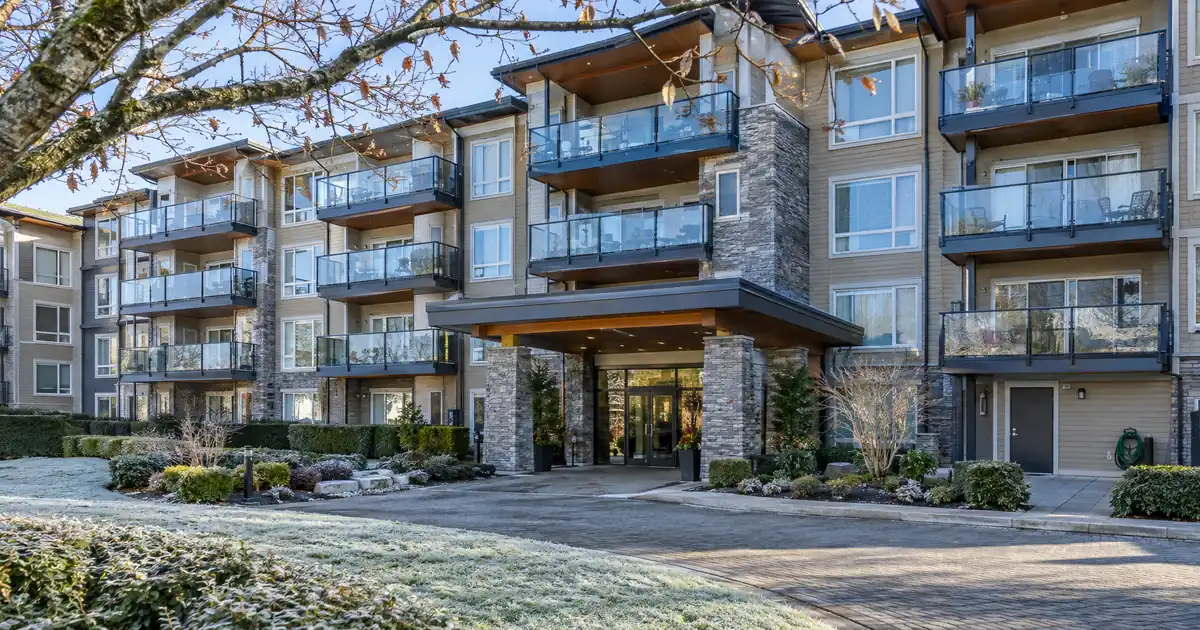
The Quick Read: A slip-and-fall suit is usually an insured, routine claim that lenders review for coverage adequacy, while a construction or structural defect suit goes to the building’s safety and finances and is far more likely to narrow options, cut leverage, or stop a DSCR condo file entirely. Neither outcome depends on rent alone, because the building is reviewed alongside the property’s coverage ratio.
- Suit type matters more than the mere existence of a suit.
- Who pays (an insurer, the reserves, or the owners through assessments) drives most of the lender’s concern.
- A defect suit can raise dues or trigger assessments, which thin the coverage ratio.
- A defect suit can also shrink the pool of future buyers and refinance lenders.
- A slip-and-fall claim can still become a problem if the claim outruns the master policy’s limits.
The honest answer is that these two suits are not equal risks, and the buyer who treats them as equal will either overpay for caution or underestimate real exposure. A slip-and-fall suit against the association is a coverage question. A defect suit is a question about the building itself. An investor who wants a clean financing path, an easy exit, and predictable dues should lean toward the building with the routine claim. An investor with strong reserves, low leverage, and a long hold may find a discounted defect-suit building worth the work, but only after the paperwork answers a few hard questions.
DSCR Calculator
Run the numbers in your market
Rate source: Freddie Mac 30-yr average via FRED® — Federal Reserve Bank of St. Louis · effective Oct 15, 2026
Prefilled with starting assumptions — enter your own rent or nightly figures, taxes, insurance, and HOA for a more accurate picture.
Program parameters update from Lendmire’s centralized guideline source. Taxes and insurance are editable estimates.
As of Oct 15, 2026 · General Freddie Mac market benchmark, not a Lendmire loan offer. Rent, nightly rate, occupancy, taxes, and insurance are editable estimates. Short-term rental figures are estimates only and vary significantly by season, property type, management approach, and local short-term-rental rules — confirm local regulations before relying on them. Qualifying income for short-term rentals varies by program — some use appraisal market rent, others use documented STR history or projections — and is confirmed in underwriting. Not a Loan Estimate, approval, or commitment to lend. Program availability and eligibility are subject to lender guidelines, credit approval, property review, and underwriting.
Side-by-Side
The table compares how the two suit types typically play out on a DSCR condo file. Lender treatment varies, so read the right-hand column as published industry practice rather than a guarantee.
| Factor | Slip-and-Fall Suit | Construction or Structural Defect Suit |
|---|---|---|
| Review basis | Property rent vs. full obligation incl. HOA dues | Same ratio, plus building-safety review |
| Typical defendant | Association, manager, sometimes a unit owner | Association and developer, builders, or insurers |
| Who usually pays | Master liability policy | Reserves, assessments, or recovery from builders |
| Lender documentation | Coverage confirmation, attorney letter | Complaint, attorney letter, repair scope, reserve status |
| Property types affected | Any condo, including high-rise | Mostly high-rise and newer or aging envelopes |
| Entity vesting | LLC vesting generally reviewable | LLC vesting reviewable, but building review governs |
| Suit timeline | Often shorter and insurer-managed | Often long, multi-party, and uncertain |
| Reserve expectations | Usually unchanged | Lenders may look harder at the building’s reserves |
| Exit-buyer pool | Usually unaffected | Can narrow toward cash and non-QM buyers |
How a DSCR Lender Reads Each Suit
DSCR lenders read the two suits through one question: who is on the hook, and can they pay? A DSCR loan qualifies primarily on property-level rental income covering the payment, subject to lender guidelines. The ratio is rent divided by principal, interest, taxes, insurance, and HOA dues. That ratio can look fine while the building review still caps or kills the file.
Across a wholesale network, the pattern is consistent even though the thresholds differ. Many lenders order a condo questionnaire from the association or its manager. It covers ownership mix, finances, litigation, rental rules, and development status. The package often includes the budget, the master insurance certificate, board minutes, and the litigation statement. Some programs ask for the standard agency questionnaire form as the template.
On a slip-and-fall suit, the reviewer checks whether the claim is insured and whether the limits are adequate. The master policy’s general liability coverage typically pays the defense and any settlement. If the answers are clean, many lenders treat it as a routine matter.
On a defect suit, the reviewer asks different questions. Is the building safe? Is the repair cost known? Is an insurer funding the defense, or does the money come from reserves? Lender treatment ranges widely. Some decline structural or safety suits outright. Others review them case by case. A class action is more likely to draw a decline than a single-plaintiff claim.
Disclosure accuracy matters at every step. Unanswered or blank questionnaire fields usually trigger follow-up requests. Inaccurate answers can create serious problems for the person who signed.
When the Slip-and-Fall Building Is the Better Fit
A building with only a slip-and-fall claim is the better fit for most DSCR investors, particularly those who want leverage near the top of the range. On most files in the network, purchases land at 75%–80% LTV on an investment property. Select high-leverage programs reach 85% LTV with roughly a 700+ credit score. Those tiers are easier to reach when the building file is clean.
This option suits three investor profiles:
- The leverage-driven buyer. Cash-out refinances top out around 75% LTV across most of the network, with about six months of seasoning as a common expectation. A routine claim rarely changes that math.
- The entity-owner. An LLC-held rental can be reviewed with the building file, subject to lender program eligibility. A clean building makes the entity file simpler.
- The short-hold or exit-focused buyer. The future buyer’s lender will run the same questionnaire. A routine claim usually leaves the exit pool intact.
There is a catch. A slip-and-fall claim is not automatically minor. Damages claimed can exceed the master policy’s limits, and the shortfall can be assessed to owners. One insurance explainer illustrates this with a $3 million claim against a $2 million master policy. Typical master liability limits are described as $2 million to $5 million, so a coastal high-rise with a large pool deck and heavy foot traffic deserves a look at the actual limits.
The second catch is the gray zone. A fall caused by a failing balcony, stair, or walkway may be a symptom of a structural problem. In that case the lender may treat the file more like a defect case than a routine claim. Ask what caused the fall, not just whether someone filed.
When the Defect-Suit Building Is the Better Fit
A defect-suit building can be the better fit, but only for a narrow investor profile. It tends to work for a buyer who has strong reserves, can accept lower leverage, holds for the long term, and can pay for the extra diligence. It can also work for a buyer who does not need a conventional exit.
The case for it rests on a few conditions:
- The suit targets work already repaired. If the association is chasing recovery for remediation that is complete, the safety question is largely answered. The open question is only whether recovered funds ever arrive.
- The association is the plaintiff, not the target. An association suing a developer for money is a different risk from an association defending a claim it may have to fund.
- The price already reflects the problem. A discount can improve the coverage ratio, since lower leverage means a lower payment against the same rent.
- The investor has depth. A borrower with a 700+ score and ample reserves has more room than one stretching to qualify.
Honestly, this is a close call for many investors. The ratio math can favor the discounted building, but the financing math often favors the clean one, because fewer lenders will review the defect file. A buyer who needs top-tier leverage should treat the defect suit as a reason to look elsewhere. A buyer who can put more down should price the building for what it really is.
A larger down payment lowers the monthly obligation and can lift the DSCR. It does not erase leverage caps, credit floors, reserve rules, or property eligibility. The strongest files clear both tests: enough equity and enough rental coverage.
Where the Agency Rulebook Fits (and Where It Doesn’t)
DSCR loans are non-QM, business-purpose loans, and the agency warrantability checklist does not bind them. Still, the agency rules help explain how the market thinks. The Fannie Mae Selling Guide’s ineligible-projects section lists litigation as an ineligibility category and provides an exception path for certain cases. Routine, insured matters and dues-collection suits fall on the tolerable side. Suits that touch safety, structural soundness, or habitability fall on the other.
That is a yardstick, not a DSCR rule. Lenders in a wholesale network set their own lines, and programs change. Many DSCR lenders still run their own project review, so the agency split is useful mainly because the same logic shows up in how they read a questionnaire.
The Coastal High-Rise Overlay
Coastal high-rises add documents that inland condos often lack. Florida is the best-known example, and its rules show what a reviewer may ask for elsewhere. Milestone inspections come first at 25 years for coastal buildings and 30 inland for buildings three stories or taller. Structural reserve studies and seller disclosures of those reports follow. These requirements create paperwork that lenders read. They do not by themselves bar a loan.
Here is how that interacts with each suit:
- A slip-and-fall claim alone does not compound a building-safety finding.
- A defect suit in a building with an open inspection or reserve finding compounds the risk, since the lender sees both a known problem and a dispute over who pays.
- Windstorm, flood, and master-policy costs on a coastal tower are a separate underwriting issue that can lift dues and thin the ratio.
Another factor is the commercial or mixed-use floor common in some towers. Lendmire’s piece Can You Get a HELOC on a High-Rise Condo With a Commercial Floor? covers that angle. Short-term rental rules can vary by city, county, HOA, and property type, so investors should confirm local rules before relying on projected rental income. Condotel-style buildings add another layer of review, and some lenders decline them.
Worked Example: Same Unit, Two Suits
Run the numbers on one hypothetical unit. This example uses modeled coverage ratios, not market data. Say the unit clears roughly 1.25x on rent against the full monthly obligation, including dues, before any suit enters the picture.
Scenario one: slip-and-fall, fully insured. The master policy answers the claim. Dues stay flat. The coverage ratio stays near 1.25x. The lender’s questions are about limits and the carrier’s position, and the deal works forward on the strength of the ratio and the building review.
Scenario two: defect suit. The building’s repair scope is unclear, and the association raises dues to build a fund. A special assessment may follow. Say the higher dues pull the ratio down toward 1.05x. The ratio still clears 1.00, which is where many select programs start. A separate select-lender path takes coverage below 1.00 with leverage and terms adjusted, but that path is a different structure with different tradeoffs.
Clearing 1.00 is not the same as positive cash flow. DSCR compares rent to the full monthly obligation only. Repairs, vacancy, management, utilities, and capital costs sit outside the calculation. An owner paying an assessment out of pocket feels it in cash flow long before the ratio shows it.
Special-assessment risk flows to the owner and can raise carrying costs. Tax treatment varies by situation, so consult a qualified professional about how assessments are handled.
Where Litigation Hides and What to Ask
Defect suits do not always show up in title work. The condo questionnaire, board minutes, and a direct request to the association are the most reliable places to look. A court docket search by the association’s name can help. A pre-suit notice can trigger concern before any complaint is filed, so ask about notices as well as filings.
Request the package when the contract is signed. Association managers can take time to produce a complete package, and a missing document can hold up the review. Ask these questions before you commit:
1. What is the nature of each open suit, and who are the parties?
2. Is the claim insured, and has the carrier accepted or reserved its rights?
3. What are the master liability limits?
4. Are there pending assessments, a reserve study, or inspection findings?
5. What share of owners is delinquent on dues, and how concentrated is investor ownership?
For any open suit, a lender may want the following:
- The complaint and the identity of each defendant.
- An attorney letter describing status and exposure.
- The insurer’s coverage position.
- A statement on whether the suit relates to safety, structure, or habitability.
- The amount claimed relative to the association’s reserves.
Reserves on the borrower’s side vary by lender, leverage, loan size, and transaction type. Commonly they run around six months of PITIA. Conservative rate-and-term files at modest leverage under $1,500,000 can see reserves waived, and loans above that size typically step up to about nine months. Loan sizes run up to $3,000,000 on standard programs (smaller balances available through select lenders), subject to lender guidelines.
DSCR vs. conventional financing
There are two common ways to finance an investment property, and they qualify you differently — here’s how investors weigh them.
Why investors choose it
- Qualifies on the property’s rental income — no personal tax returns, W-2s, or pay stubs needed to document income.
- No personal debt-to-income ceiling to clear, so existing mortgages and obligations don’t cap your borrowing the same way.
- Can be closed in an LLC, keeping the property inside a business entity.
- Built for scaling — not held to the limit on number of financed properties that conventional financing applies.
- Underwriting centers on the deal: generally qualifies when the rent covers the payment, a 1.00x coverage ratio being a common baseline (confirmed in underwriting).
- Designed specifically for investment property, including long-term and, where the program allows, short-term rentals.
Where it’s strong
- Often the lowest ongoing financing cost for a buyer who fully qualifies on personal income — a fit for a first property or a cost-first purchase.
Trade-offs for investors
- Requires full personal income documentation and must fit within a debt-to-income limit — salary, existing debts, and other mortgages all count.
- Typically held in your personal name rather than a business entity.
- Caps how many financed properties you can carry, which can become a ceiling as a portfolio grows.
- Evaluates you as a borrower as much as the property, which usually means more paperwork.
How investors usually choose: a first or single property often optimizes for the lowest financing cost; portfolio builders often optimize for leverage, vesting in an LLC, and scaling past conventional caps. The right answer depends on your goals, the property, and current guidelines — both paths run through select lenders in Lendmire’s wholesale network, with eligibility and terms confirmed in underwriting.
Exit Risk for an Investor
A pending defect suit can narrow the buyer pool for the unit. Conventional buyers in that building may be shut out, which leaves cash buyers and non-QM buyers. That affects resale and any future refinance. A routine insured claim rarely has that effect.
This is why the choice is more than a loan question. A building that fits your financing today may not fit your buyer’s financing later. Price the exit before you buy.
Key Terms Defined
Construction-defect suit: A claim, usually by the association against a developer or builder, over flawed design or workmanship.
Slip-and-fall claim: A premises-liability suit by an injured person against the party that controlled the area, often the association.
Non-warrantable condo: A building that falls outside the standard agency eligibility checklist, often because of litigation, investor concentration, or finances.
Condo questionnaire: The form the association or its manager completes about finances, insurance, ownership, and litigation.
Loss assessment: A charge to unit owners when the association faces a shortfall above its insurance limits.
DSCR: The rent-to-obligation ratio, using principal, interest, taxes, insurance, and HOA dues.
The Balanced Verdict
For most investors, the slip-and-fall building is the easier financing path, as long as the master policy limits are adequate and the claim is not a symptom of a structural problem. The defect-suit building is a harder file that can work for a buyer with reserves, patience, and a long hold. The flip point is leverage. If you need the top of the leverage range or a broad exit pool, choose the clean building. If you can put more down and the price reflects the risk, the defect-suit building deserves a serious look.
Programs change, and every file is underwritten individually. Treat the building file as seriously as the rent roll. For the full picture of how these loans work, see Lendmire’s complete DSCR loans guide.
Next Step
If you are buying or refinancing a rental property and want to see how the numbers work, Lendmire can help you compare DSCR loan options based on the property income, credit profile, leverage, and investor goals. Lendmire is a broker that arranges financing through select lenders in its wholesale network, covering 41 markets, including Washington, D.C.
Frequently Asked Questions
Does a slip-and-fall suit against the association block a DSCR loan?
Usually not. Most lenders treat an insured claim as routine and focus on whether the master policy’s limits are adequate. The exception is a claim that exceeds those limits, or one tied to a structural cause such as a failing walkway. In those cases the reviewer may treat the file more like a defect case.
Is a pre-suit defect notice a problem before any lawsuit is filed?
It can be. Some lenders ask about notices and pending claims, not just filed suits, so disclose it accurately on the questionnaire. Treatment varies by lender. A notice tied to repairs that are already complete reads very differently from one that points to an open safety question.
Does holding the unit in an LLC change how the suit is treated?
Not the building review. The lender still looks at the association’s litigation, insurance, and finances. LLC vesting is generally reviewable, subject to lender program eligibility, and it does not shield the building from the questionnaire. A unit owner named personally in a guest-injury suit may need to rely on their own liability coverage.
What happens if the suit settles while the file is in review?
A settlement can improve the file if it resolves the exposure and the paperwork shows how it was paid. Reviewers usually want documentation of the outcome and any assessment or dues change that followed. Ask the association for a written update before the file goes to the lender.
Why does the defendant matter so much?
The defendant tells the lender where the money comes from. An insured claim sits with the carrier. A defect suit may sit with the association’s reserves, its owners, or a recovery from builders. The more the cost can land on owners, the more the lender worries about dues, assessments, and the coverage ratio.
About Lendmire
Lendmire is a non-QM mortgage brokerage (NMLS# 2371349) arranging DSCR investor loans in 41 markets, including Washington, D.C., through wholesale and investor-lending channels. DSCR loans are evaluated by the lender on rental income rather than personal income, subject to lender guidelines — a fit for LLC-owned portfolios, self-employed investors, and operators scaling beyond conventional loan caps. Recognized as a Scotsman Guide Top Mortgage Workplace in 2025 and 2026.
Get Started
Ready to find the right loan for you?
In about 30 seconds you can review financing options available for your investment property. No commitment required.
Informational only. Not a Loan Estimate, approval, or commitment to lend. Program availability and eligibility are subject to lender guidelines, credit approval, property review, and underwriting.
References
1. All Property Management, HOA Master Insurance Policy
2. Mitchell Joseph, Condominium Loss Assessment Coverage
3. Insured Better, Condo Association Insurance
4. Fannie Mae Selling Guide, Ineligible Projects (B4-2.1-03)
5. Rimkus, What SB 4-D Means for Your Condo
This article is part of Lendmire’s DSCR loan program — full qualification details, guidelines, and scenarios live on the program page.
Related reading: Condo With High Dues vs. a House at the Same Rent on DSCR · How to Document a Below-Market Lease for a DSCR Loan · How to Protect a DSCR Loan File With a Backup Lender
Brandon Miller
Founder & CEO, Mortgage Loan Originator, Lendmire LLC
- Mortgage Loan Originator · NMLS# 1129696 · Verify on NMLS Consumer Access
- North Carolina Real Estate Broker · License# 343312 · Verify on NCREC
- North Carolina Insurance Producer · License# 19053198 · Property, Casualty, Life, Health · Verify on NAIC SBS
- Lendmire LLC · Firm NMLS# 2371349 · Verify firm licensure
Required disclosures. Lendmire (NMLS# 2371349) operates as a licensed mortgage broker, not a direct lender or depository. The discussion in this article is general in nature and should not be relied upon as financial, legal, or tax advice — every investment scenario is unique and should be reviewed by a qualified professional. Any loan inquiry is subject to lender underwriting, and this article is not a commitment to lend or a guarantee of approval. Mortgage rates, loan terms, and program guidelines vary by borrower, property, and state, and may change without notice. Equal Housing Opportunity. Verify licensure at NMLS Consumer Access.