
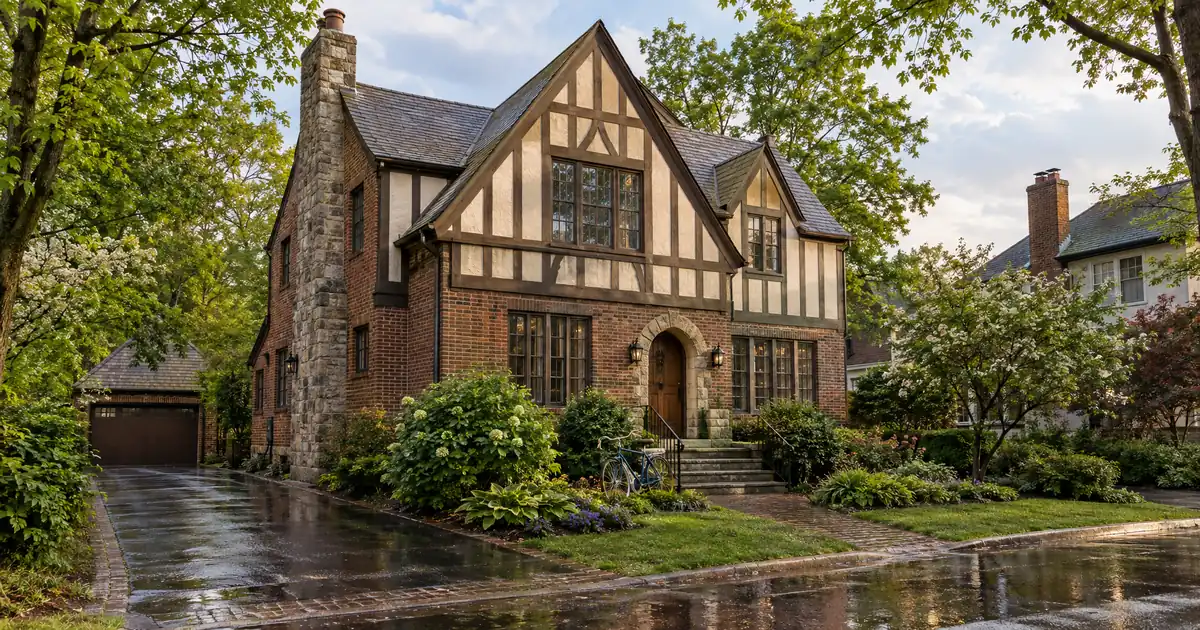
The Quick Read: A second home loan is built for a borrower who will use the property, so it tolerates limited rental but will not count that rent toward qualifying, while a DSCR loan is built for a rental run as a business, so DSCR programs generally allow no planned personal use. The cost of the DSCR route is the personal use itself. In exchange, the file qualifies primarily on property-level rental income covering the payment, subject to lender guidelines.
- A second home loan expects you to occupy the home for part of the year, and rent generally cannot help you qualify.
- A DSCR loan expects the property to be a non-owner-occupied rental, with no planned stays by you or your family.
- No published rule sets a clean day count for a second home, so the number you read online is usually borrowed from somewhere else.
- The DSCR path tends to carry its own expectations on credit, leverage, and reserves, covered below.
- The strongest choice follows your honest plan for the property, not the label you would prefer.
Who Each Option Is Really For
A second home loan fits the owner who wants a cabin, beach condo, or lake house for family use and may rent it a little to offset costs. A DSCR loan fits the investor who wants the property to earn its keep and is willing to stay out of it.
DSCR Calculator
Run the numbers in your market
Rate source: Freddie Mac 30-yr average via FRED® — Federal Reserve Bank of St. Louis · effective Oct 15, 2026
Prefilled with starting assumptions — enter your own rent or nightly figures, taxes, insurance, and HOA for a more accurate picture.
Program parameters update from Lendmire’s centralized guideline source. Taxes and insurance are editable estimates.
As of Oct 15, 2026 · General Freddie Mac market benchmark, not a Lendmire loan offer. Rent, nightly rate, occupancy, taxes, and insurance are editable estimates. Short-term rental figures are estimates only and vary significantly by season, property type, management approach, and local short-term-rental rules — confirm local regulations before relying on them. Qualifying income for short-term rentals varies by program — some use appraisal market rent, others use documented STR history or projections — and is confirmed in underwriting. Not a Loan Estimate, approval, or commitment to lend. Program availability and eligibility are subject to lender guidelines, credit approval, property review, and underwriting.
The in-between buyer is the one who gets stuck. That buyer wants weekends at the property and wants rent to help the file. No single loan type gives both, and the rest of this article shows why.
DSCR stands for debt service coverage ratio. It compares the property’s rent to its full housing payment. Your traditional personal-income documentation and W-2s are not the center of the file.
Side-by-Side
The second-home column reflects published industry norms. Lendmire’s wholesale network places both kinds of loans, and the DSCR column reflects typical ranges from select lenders in that network, subject to lender guidelines.
| Factor | Second Home Loan (industry norms) | DSCR Loan (network ranges) |
|---|---|---|
| Review basis | Personal income and debt load | Property rent vs. the full payment |
| Personal use | Borrower must use it some of the year | No planned use by you or family |
| Rental income | Generally not counted to qualify | The core of the file |
| Property types | Generally one unit | Non-owner-occupied rentals; unit limits vary |
| Vesting | Individual borrower | Individual or entity |
| Credit | Set by the program and lender | 620 floor in parts of the network; most want about 660 |
| Purchase leverage | Often higher than investor loans | Typically 75%–80% LTV |
| Reserves | Commonly lighter than investor files | About 6 months PITIA; about 9 above $1,500,000 |
Three more notes belong beside the table. Reserves vary by lender, leverage, loan size, and transaction type, so treat the figures as typical, not universal. DSCR loans for manufactured homes, log homes, and barndominiums are not offered in the network. Entity vesting for DSCR loans, such as an LLC, is available subject to lender program eligibility.
Key Terms Defined
PITIA: the full monthly housing obligation: principal, interest, taxes, insurance, and any association dues.
LTV (loan-to-value): the loan amount divided by the property’s value, shown as a percentage.
Occupancy certification: the signed statement in which you declare how you will use the property.
Business-purpose loan: credit taken for an investment or business use, not for a home you will live in.
Second home rider: an addendum attached to a second home mortgage that spells out the personal-use promise.
Seasoning: the waiting period between buying a property and refinancing it, commonly about 6 months for a DSCR cash-out.
How Much Personal Use Does a Second Home Loan Allow?
Enough that you genuinely use the home as your own, and not much rental beyond that. No agency guide sets an exact number of days. Published norms describe a borrower who occupies the home for some portion of the year.
The Freddie Mac guide describes the second home rider as requiring the borrower to keep the property available primarily as a residence for personal use and enjoyment for at least one year. That is a promise about intent and availability, not a day-count test.
Published norms add a few structural limits:
- The home is generally one unit and suitable for year-round use.
- You keep exclusive control of it.
- It is not a timeshare or part of a rental pool.
- No management firm controls when it is occupied.
Rental income can exist without breaking the loan type, but it generally cannot be used to qualify. The payment lands in your debt load, so your personal income carries the file. For one angle on that personal-income route, see Lendmire’s piece How to Use a Personal Account for a Second Home Bank Statement Loan.
Many websites repeat short-rental day limits as a lending rule, but such numbers come from the tax world. Tax treatment varies and runs on its own day-count test, so consult a qualified professional before relying on any deduction.
Where the DSCR Side Draws Its Line
DSCR loans are designed for non-owner-occupied investment properties. Because they are business-purpose investor loans, they are reviewed differently from a standard owner-occupied mortgage.
The federal consumer-credit rules draw a similar boundary. The CFPB’s Regulation Z commentary says a property you expect to occupy for more than 14 days in the coming year cannot be treated as non-owner-occupied for the business-purpose rule. Its own example is a beach house the owner will occupy for a month and rent the rest of the year. That plan falls outside the business-purpose treatment.
DSCR programs generally go further than that outer line. Across the network, the occupancy certification typically bars occupancy by you and your immediate family. Many programs also treat these as personal use:
- Reserving dates on the calendar for recurring family stays.
- Using a guest unit or ADU yourself.
- Taking a few nights between short-term rental bookings.
A short-term rental label does not change this. Hosting guests is a business use, but your own stays are still your own stays.
An entity does not rescue the plan either. Vesting a rental in an LLC, subject to lender program eligibility, changes who signs the note. It does not change whether you will occupy the property. The classification follows the actual plan.
What the DSCR Cost Actually Is
The first cost is the personal use you give up. The remaining costs are the ordinary expectations of an investor file, and they are more modest than people fear.
On a purchase of an investment property, most files land at 75%–80% LTV, which means 20%–25% down. A cash-out refinance on a standard rental tops out around 75% LTV across most of the network. Credit floors start at 620 in parts of the network. Most programs want about 660, and 700 or higher opens the strongest leverage tiers.
Loan sizes run up to $3,000,000 on standard programs. Reserves commonly sit around 6 months of PITIA. Conservative rate-and-term files at modest leverage can see reserves waived. For the full picture of how these pieces fit, the complete DSCR loans guide covers them in one place.
On coverage, 1.00 is where many select programs start. A separate select-lender path takes coverage below 1.00, with leverage and terms adjusted. Stronger coverage generally opens better terms.
One caution matters here. A DSCR of 1.00 or higher does not mean the property produces positive cash flow. The ratio compares rent to PITIA only. Repairs, vacancy, management, utilities, and capital expenses sit outside the calculation.
A larger down payment lowers the payment and can lift the ratio. It does not erase leverage caps, credit floors, reserve rules, or property eligibility. The strongest files clear both tests: enough equity and enough rental coverage.
When a Second Home Loan Is the Better Fit
Choose the second home loan when you will genuinely use the property and your personal income can carry the payment. This is the right tool for the owner whose goal is enjoyment, with rent as a small bonus at most.
It fits best when:
- You will stay at the property regularly, and so will family and friends.
- You are comfortable qualifying on your own income and debts.
- The property is a single-unit home suited to year-round use.
- You want the freedom to host the occasional rental without building the plan around it.
- You do not need the rent to make the numbers work.
The tradeoff is that growth in rental income does nothing for your qualification. If the property later becomes a real rental, the loan type no longer matches the use.
DSCR vs. conventional financing
There are two common ways to finance an investment property, and they qualify you differently — here’s how investors weigh them.
Why investors choose it
- Qualifies on the property’s rental income — no personal tax returns, W-2s, or pay stubs needed to document income.
- No personal debt-to-income ceiling to clear, so existing mortgages and obligations don’t cap your borrowing the same way.
- Can be closed in an LLC, keeping the property inside a business entity.
- Built for scaling — not held to the limit on number of financed properties that conventional financing applies.
- Underwriting centers on the deal: generally qualifies when the rent covers the payment, a 1.00x coverage ratio being a common baseline (confirmed in underwriting).
- Designed specifically for investment property, including long-term and, where the program allows, short-term rentals.
Where it’s strong
- Often the lowest ongoing financing cost for a buyer who fully qualifies on personal income — a fit for a first property or a cost-first purchase.
Trade-offs for investors
- Requires full personal income documentation and must fit within a debt-to-income limit — salary, existing debts, and other mortgages all count.
- Typically held in your personal name rather than a business entity.
- Caps how many financed properties you can carry, which can become a ceiling as a portfolio grows.
- Evaluates you as a borrower as much as the property, which usually means more paperwork.
How investors usually choose: a first or single property often optimizes for the lowest financing cost; portfolio builders often optimize for leverage, vesting in an LLC, and scaling past conventional caps. The right answer depends on your goals, the property, and current guidelines — both paths run through select lenders in Lendmire’s wholesale network, with eligibility and terms confirmed in underwriting.
When a DSCR Loan Is the Better Fit
Choose a DSCR loan when the property is a rental you will run as a business and you can stay out of it. The file qualifies primarily on property-level rental income covering the payment, subject to lender guidelines. Your personal debt load is not the central question.
It fits best when:
- The property will be rented most of the time, whether long-term or short-term.
- You already own other properties and your personal debt-to-income picture is crowded.
- The home is a duplex, small multifamily, or a rental pool or managed unit that would not pass second-home tests.
- You want to buy several rentals without each one resting on your paycheck.
- You can accept that you and your family will not stay there.
Short-term rental files carry their own parameters in the network. Purchase leverage tops out at 75% LTV. On refinances, expect leverage around 70%. A 70% cash-out ceiling applies to short-term-rental collateral, while a 75% ceiling applies to standard rentals. Expect a 640 or higher score and about 12 months of hosting history. Coverage floors apply at 1.00 on purchases and on refinances. Leverage, reserves, and pricing vary by lender and program; the final terms follow the full file review.
Short-term rental rules can vary by city, county, HOA, and property type, so investors should confirm local rules before relying on projected rental income.
Four Owners, Four Paths
The mostly-personal cabin. A buyer plans most weekends and holidays at the cabin and may list it a few weeks a year. The second home loan matches that plan. Qualifying rests on personal income, and the rent stays a pleasant extra.
The half-and-half beach house. A buyer wants about half the year there and half rented out. This buyer sits in the middle zone and tends to be disappointed. The second home route will not count the rent. The DSCR route will not allow the stays. The honest options are a second home loan qualified on personal income, or a pure rental purchase that the owner stays away from.
The mostly-rented short-term rental. A buyer wants a property that hosts guests nearly year-round and plans to visit once or twice. The plan is a business, and the personal visits are the problem. If those visits are real, the DSCR path is not the right fit. If the owner will not stay, a DSCR loan typically fits, with coverage measured on expected rent.
The drifter. An owner buys a second home for personal use, then finds the rental demand is strong and the personal use fades. Refinancing into a DSCR loan can make sense once the plan is truly rental. A cash-out on a standard rental tops out around 75% LTV, and about 6 months of seasoning is the common expectation. The key point is timing. Change the loan when the plan changes, not before and not long after. Terms vary by lender guidelines, property type, leverage, credit profile, and full file review.
Staying on the Right Side of Your Own Declaration
Whichever loan you choose, you sign a statement about how you will use the property. Treat it as a promise you intend to keep. Misstating intended use on a signed declaration is a serious problem for the borrower, not a paperwork nuance. Lenders may also look at rental history, platform data, and calendars.
A simple use log protects you. Record any personal stays, any family stays, and each rental booking. If your plan changes, the log shows when and why.
A Quick Self-Sort
Answer these honestly before you pick a loan type:
- Will you or your family stay there on any regular schedule? Lean toward the second home loan.
- Do you need the rent to make the numbers work? Lean toward DSCR, and plan to stay out.
- Is the property more than one unit? Lean toward DSCR.
- Will a management firm control the bookings? Lean toward DSCR.
- Is your personal income strong and your debt load light? The second home loan is the more natural path.
The Verdict
Neither option is better in the abstract. The second home loan buys you the use of the property and charges you the rental income.
If your plan is mixed, qualify on the larger part of it. Personal use dominates in some plans, and rental income dominates in others. Pick the loan that describes the plan you will actually follow, because the paperwork follows the plan.
Frequently Asked Questions
Can I Airbnb my second home?
Sometimes, within limits. Published second-home norms generally allow occasional rental if you keep control of the property and do not hand occupancy to a management firm or rental pool. The rent generally cannot be used to qualify.
Can family use a DSCR property?
Generally no. DSCR programs typically bar occupancy by you and your immediate family, and many also treat reserved dates and guest-unit use as personal use. The certification you sign controls the exact wording, so read it before you commit.
Does rental income help me qualify for a second home loan?
Generally not. Published norms treat second homes as personal-use properties, so the payment is counted against your personal income and debts. If rent is the reason the numbers work, a DSCR loan is the more natural fit.
Can I refinance a second home into a DSCR loan?
Yes, when the property is genuinely becoming a rental and you will no longer use it. The refinance is reviewed on its own merits, subject to lender guidelines.
What if my plans change after closing?
Your declared use applies to your plan at closing. If the property shifts from personal use to rental, talk with a broker about moving to the loan type that matches the new plan. Waiting too long to align the two is where owners create their own trouble.
If you are buying or refinancing a rental property and want to see how the numbers work, Lendmire can help you compare DSCR loan options based on the property income, credit profile, leverage, and investor goals. As a broker, Lendmire arranges DSCR financing through select lenders in its wholesale network across 41 markets, including Washington, D.C. Programs change, and every file is underwritten individually. This is not a commitment to lend.
About Lendmire
Lendmire, NMLS# 2371349, is a mortgage brokerage focused on investor financing, arranging DSCR loans in 40 states plus Washington, D.C. — 41 markets total. Qualification is based on the property’s income rather than personal income documentation, subject to lender guidelines, making it a fit for LLC-held rentals and scaling portfolios. Scotsman Guide named Lendmire a Top Mortgage Workplace in both 2025 and 2026.
Get Started
Ready to find the right loan for you?
In about 30 seconds you can review financing options available for your investment property. No commitment required.
Informational only. Not a Loan Estimate, approval, or commitment to lend. Program availability and eligibility are subject to lender guidelines, credit approval, property review, and underwriting.
References
1. Freddie Mac Single-Family Seller/Servicer Guide, Section 8405.1
2. CFPB Regulation Z, 12 CFR 1026.3 (exempt transactions)
This article is part of Lendmire’s DSCR loan program — full qualification details, guidelines, and scenarios live on the program page.
Related reading: Can a New Rental Community Get a DSCR Loan Before Every Home Is Leased? · How Much a Lease and Appraiser Rent Gap Changes DSCR Loan Size · Can an Investor With a W-2 Job Skip the Bank for a DSCR Loan?
Brandon Miller
Founder & CEO, Mortgage Loan Originator, Lendmire LLC
- Mortgage Loan Originator · NMLS# 1129696 · Verify on NMLS Consumer Access
- North Carolina Real Estate Broker · License# 343312 · Verify on NCREC
- North Carolina Insurance Producer · License# 19053198 · Property, Casualty, Life, Health · Verify on NAIC SBS
- Lendmire LLC · Firm NMLS# 2371349 · Verify firm licensure
Required disclosures. Lendmire (NMLS# 2371349) operates as a licensed mortgage broker, not a direct lender or depository. The discussion in this article is general in nature and should not be relied upon as financial, legal, or tax advice — every investment scenario is unique and should be reviewed by a qualified professional. Any loan inquiry is subject to lender underwriting, and this article is not a commitment to lend or a guarantee of approval. Mortgage rates, loan terms, and program guidelines vary by borrower, property, and state, and may change without notice. Equal Housing Opportunity. Verify licensure at NMLS Consumer Access.