
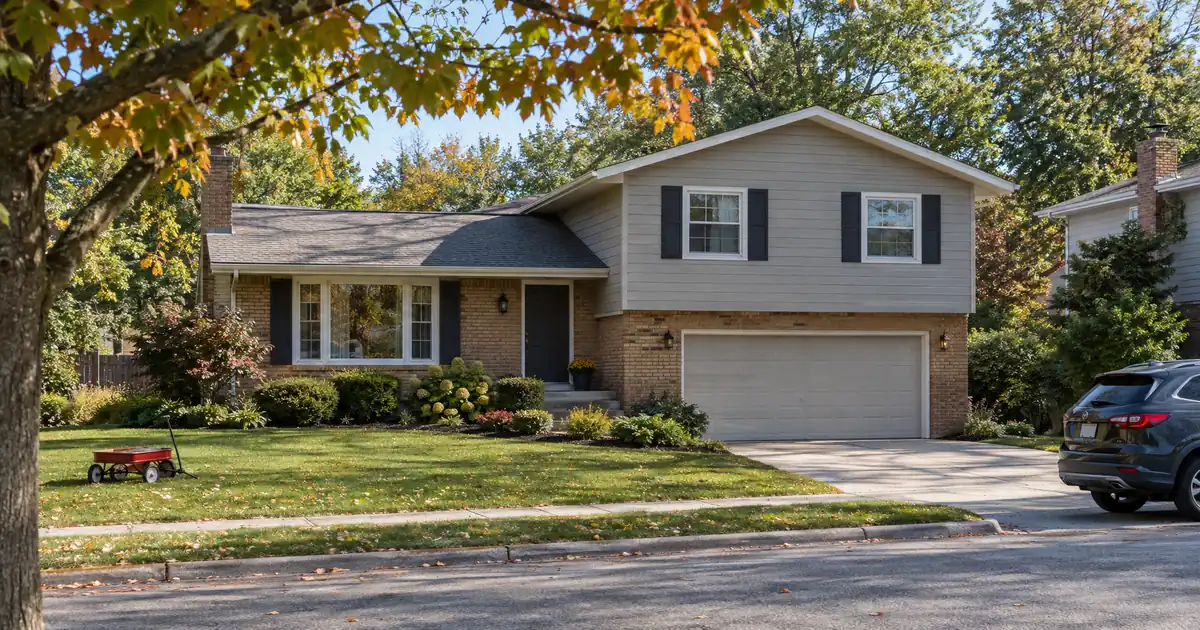
The Quick Read: Not directly. ADU rent can lift the coverage ratio, which helps a larger loan pass the rent test, but it does not raise the appraised value that sets the loan-to-value ceiling. The ADU must be legal and counted in the appraiser’s rent opinion, and whichever test is tighter, rent coverage or leverage, sets the final loan amount.
- The cash-out ceiling on a standard rental is 75% LTV, set on appraised value, not on rent.
- ADU rent helps only if the appraiser’s rent schedule includes it and the program accepts it.
- The unit’s contributory value comes from the appraiser’s comps, not from what it cost to build.
- An unpermitted ADU is commonly left out of both value and rent.
- The smaller of the two results wins: the LTV limit or the loan the rent can carry.
Across the wholesale network, this question comes up on files where an investor built or converted a unit and expects the refinance to reward it. Sometimes it does. More often it helps the file clear the rent test and does little for the dollar amount. This piece separates the two effects, shows where files stall, and lays out what to have ready before the appraisal is ordered. For the broader mechanics, see Lendmire’s complete DSCR loans guide.
DSCR Cash-Out Calculator
Run the cash-out numbers in your market
Rate source: Freddie Mac 30-yr average via FRED® — Federal Reserve Bank of St. Louis · effective Oct 15, 2026
Prefilled with starting assumptions — enter your property’s value, balance, taxes, and insurance for a more accurate picture.
Program parameters update from Lendmire’s centralized guideline source. Taxes and insurance are editable estimates.
As of Oct 15, 2026 · General Freddie Mac market benchmark, not a Lendmire loan offer. Property value, balance, taxes, and insurance are editable estimates. Maximum loan-to-value varies by lender, program, property type, and seasoning. Not a Loan Estimate, approval, or commitment to lend. Program availability and eligibility are subject to lender guidelines, credit approval, property review, and underwriting.
Two Tests, Two Different Inputs
The cash-out amount is the smaller of two numbers. One comes from value, the other from rent.
The value test is the leverage ceiling. Cash-out refinances on standard rentals run to about 75% LTV on the appraised value. That ceiling does not move because the property has more rent. Only a higher appraised value moves it, and the ADU adds to that value only to the extent the appraiser finds it contributes. Final terms depend on lender guidelines, property type, leverage, and the borrower’s complete credit picture.
The rent test is the coverage ratio. DSCR compares rent used for lender review to PITIA (principal, interest, taxes, insurance, and any HOA dues). A cash-out raises the payment but not the rent, so coverage falls as the loan grows. Select programs start at 1.00 coverage, and stronger ratios open better pricing and leverage. A separate select-lender path takes coverage below 1.00, with leverage and terms adjusted.
Here is where ADU rent matters. If the rent test is the binding limit, extra rent from the ADU lets a bigger loan pass. If the LTV ceiling is the binding limit, extra rent changes nothing about the amount. It may still improve the file’s standing, but the number stays put.
What ADU Rent Actually Changes
| Stage | Effect of ADU rent | What drives it |
|---|---|---|
| Rent test (coverage ratio) | Can raise it | Appraiser’s rent schedule includes the unit |
| Loan size when rent is binding | Can allow a larger loan | Coverage at the new payment |
| Loan size when LTV is binding | No change | Appraised value times 75% |
| Appraised value | Only through contributory value | Comps, cost and income analysis |
| Eligibility | Can help or hurt | Legal status, property type, program rules |
Read the table top to bottom and the pattern is clear. Rent helps a file pass. Value sets the ceiling. Investors who conflate the two plan a refinance around proceeds that the appraisal never supports.
Why the ADU Doesn’t Appraise at What It Cost
An ADU rarely returns its construction cost in appraised value. Appraisers can pick among the sales comparison, cost, and income approaches, and no single method is mandated for ADUs, as one Sacramento appraiser’s explainer notes. That latitude produces wide outcomes. A research paper on appraising ADU properties found contributory-value estimates for one permitted ADU spanning from $10,000 to $100,000. Its sample was small and dated, so take it as a point about variability, not a benchmark.
The same paper found that capitalizing the ADU’s income produced values above actual sale prices. The Appraisal Institute commentary summarized by the Casita Coalition cautions that multiplying a market gross rent multiplier by market rent tends to overvalue ADUs. The practical read: an improvement may support a higher appraised value, depending on comps and underwriter review. Do not size the refinance on a number the appraiser has not produced.
Files fail here. The investor assumes the unit is worth its build cost, structures a plan around that equity, and the appraisal lands well short. Run the cash-out math on the conservative value, not the hoped-for one.
Legal Status Is the Gate
A permitted, legally rentable ADU is the best case. An unpermitted one is commonly excluded from both value and rent. Lenders generally follow what the appraiser reports, and an appraiser who flags an unpermitted unit leaves its rent out of the schedule. Occupied does not mean counted.
Classification matters too. The Fannie Mae appraisal guide describes an ADU as having its own living, sleeping, cooking, and bathroom facilities on the same parcel. A structure without those features is treated as an ancillary structure and adjusted for contributory value, not as a rentable unit. That is a definition for context only. DSCR files follow each program’s own guidelines, not agency rules. Separate utility metering and a separate address can also affect how the unit is classified.
One more point on property types. Manufactured homes, log homes, and barndominiums are not offered in the network’s DSCR programs, so an ADU built in one of those styles does not change that.
How the Appraiser Sets the Rent
Appraisers order a full report with a rent schedule. The usual pairing for a one-unit property with an accessory unit is the 1004 with a 1007 rent schedule. Form 1025 covers 2-4 unit properties. The Fannie Mae forms list names the forms and their purposes.
The Fannie Mae list is conventional-lending guidance and does not govern DSCR files, but it shows the role each form plays.
Then the lender chooses which rent counts. Many programs use the lower of the lease and the appraiser’s market rent. Some use the appraiser’s figure alone. A few select lenders allow a variance when a lease is in place. Across the network, treat the appraisal rent as the working number and the lease as supporting evidence.
Two practical consequences follow:
- A lease above market rent does not lift the figure used. The appraiser’s number can cap it.
- A lease below the appraiser’s number may pull the rent used for lender review down, depending on the program.
Appraisers pull rent comps by area, finish, size, and bed and bath count. ADU-specific comps are thin in many areas, so the schedule often leans on detached rentals of similar size. That is another reason the ADU’s rent figure can come in lower than the lease.
A Worked Example With Ratios Only
Run the numbers on the same rental twice, using coverage ratios and percentages rather than dollars.
Without ADU rent. The main unit’s rent produces coverage of about 1.05x at the current loan balance. The investor wants cash out at 75% LTV. The new payment is higher, so coverage drops toward 0.90x. The file is below 1.00, so the investor has two choices: take a smaller loan until coverage returns to a program’s floor, or look at a select-lender path that accepts sub-1.00 coverage with leverage and terms adjusted. These specifics are subject to lender guidelines and a full review of property, leverage, and credit.
With a legal, leased ADU in the rent schedule. Total rent used for lender review rises enough that coverage at the same larger loan lands near 1.20x. Now the file clears the rent test at the full 75% LTV. Terms depend on the lender’s guidelines, the property type, the leverage, and a full review of the credit profile.
Read what changed. The appraised value stayed the same, apart from whatever the ADU contributes. The 75% ceiling stayed the same. What changed is that the rent test stopped being the limit. If the investor had been LTV-bound from the start, the second scenario would produce the same loan amount as the first. The ADU would have improved the coverage ratio, and nothing else.
Also keep in mind that clearing 1.00 is not the same as positive cash flow. DSCR compares rent to PITIA only. Repairs, vacancy, management, utilities, and capex sit outside the calculation.
What to Have Ready
An ADU file leans on documentation more than a standard rental does. Gather these before the appraisal is ordered:
1. Permit and occupancy evidence. The permit, final inspection, or certificate of occupancy for the ADU.
2. A separate lease. A signed lease for the ADU, with rent receipts if the unit has been occupied.
3. A rent roll. Both units listed, with lease terms and amounts.
4. Entity documents. Articles, operating agreement, and good standing if the property sits in an LLC, subject to lender program eligibility.
5. Payoff statement and title information. Needed to clear title and reconcile the payoff at settlement.
6. Utility and address records. Separate meters or a separate address, if they exist.
Also confirm the appraiser has ADU experience before the order goes in. An appraiser who treats the unit as an ancillary structure will remove its rent from the schedule, and fixing that after the report lands means an appraisal reconsideration request with a documented packet.
Edge Cases That Change the Answer
Vacant or newly built ADU. Some programs require a signed lease. Others rely on the appraiser’s market-rent opinion alone. Ask which applies before building the file around projected rent. Seasoning also interacts: cash-out generally expects about 6 months of ownership measured from title recording, and sizing can follow appraised value or cost basis depending on how long the property has been held.
ADU on a 2-4 unit property. Program treatment varies, and many programs do not address it clearly. Confirm eligibility case by case before ordering anything.
Short-term use of the ADU. Form 1007 is built for monthly rent, not nightly rates, and the lender decides what income to credit, as this McKissock explainer on Form 1007 describes. Short-term rental programs have their own terms, generally with leverage capped at 70% on a cash-out, about 12 months of hosting history, and a 640+ score. Short-term rental rules can vary by city, county, HOA, and property type, so investors should confirm local rules before relying on projected rental income.
Few comps. When ADU sales are scarce, appraisers lean on cost or income analysis, and those can land well off the market. Build slack into the plan.
Agency Rules Are a Different Product
Searchers see two messages that seem to conflict. Agency owner-occupied programs limit ADU income, and DSCR programs count rent from the units. Both are true because they are different loans. Rates are not quoted here. DSCR loans are business-purpose investor loans and are not agency products, so those caps do not carry over. ADU rent on a DSCR file follows each program’s own guidelines.
What This Means for a BRRRR or Value-Add Plan
An ADU build rarely returns its cost in appraised value, and DSCR cash-outs size on current appraised value, not on a projected after-repair figure. So the build has to justify itself on rent, not on equity. A plan that needs the appraisal to approach construction cost is fragile.
Where the ADU earns its keep is coverage. On a tight file, ADU rent in the appraiser’s schedule can be the difference between passing and failing the rent test at a given loan size. A larger down payment or lower leverage can also lift coverage, but neither erases the 75% ceiling, credit floors, reserve rules, or property eligibility. Strong files clear both tests: enough equity and enough rental coverage.
For related reading, Lendmire’s piece Can a Retired Landlord Get a Rental Cash-Out Refinance on Rent Alone? covers how the rent test works without personal income.
Program Parameters at a Glance
The figures below are typical ranges from select lenders in the wholesale network, subject to lender guidelines. They are not commitments to lend.
- Cash-out LTV: up to 75% on a standard investment rental.
- Seasoning: about 6 months of ownership.
- Coverage: select programs start at 1.00.
- Credit: a 620 floor exists in parts of the network, most programs want around 660, and 700+ opens the strongest leverage tiers.
- Reserves: commonly around 6 months of PITIA, stepping up to about 9 months on loans above $1,500,000.
- Loan size: up to $3,000,000 on standard programs.
Key Terms Defined
ADU (accessory dwelling unit): a secondary living unit with its own sleeping, cooking, and bathroom facilities on the same parcel as the main home.
Contributory value: the amount an appraiser finds a feature adds to the property’s market value, based on comps and analysis.
Rent schedule (Form 1007): the appraiser’s opinion of market rent for a one-unit rental, which many lenders use during program review.
PITIA: principal, interest, taxes, insurance, and any HOA dues, the payment that DSCR compares rent against.
Seasoning: the minimum period of ownership, measured from title recording, before cash-out is available.
Frequently Asked Questions
Can projected rent from an ADU I haven’t leased yet count?
It depends on the program. Some require a signed lease, and others rely only on the appraiser’s market-rent opinion for the unit. Either way, the unit generally has to be legal and finished. Ask before the appraisal is ordered so the file is built around the rule that applies.
Does an unpermitted ADU’s rent count if a tenant is living there?
Usually not. Lenders follow the appraisal, and an appraiser typically flags an unpermitted unit and leaves it out of both value and rent. Occupancy alone does not make the income countable. Some lenders treat removal cost like deferred maintenance, so an unpermitted unit can also complicate the rest of the file.
What if my lease is higher than the appraiser’s rent figure?
The appraiser’s number often controls. Many programs use the lower of the lease and market rent, and some use the appraiser’s figure alone. A lease above market does not raise the rent used. Plan the coverage ratio on the lower figure.
Does an ADU change anything if the property is held in an LLC?
The ADU rules are the same. Entity documents are added to the file, and LLC-titled loans are subject to lender program eligibility.
Can I use a cash-out to build the ADU, then refinance again?
Yes, in sequence. Build, lease up, document the rent, then refinance once seasoning is met. Remember that the second refinance sizes on appraised value at that point, and the ADU’s contribution may be well below its cost.
Next Steps
If you are buying or refinancing a rental property and want to see how the numbers work, Lendmire can help you compare DSCR loan options based on the property income, credit profile, leverage, and investor goals. Call 828-256-2183 or request a quote. Tax treatment varies; consult a qualified professional before relying on any deduction.
For current guidelines and terms, see Lendmire’s DSCR loan programs page.
About Lendmire
Lendmire (NMLS# 2371349) is a DSCR-focused mortgage broker that helps arrange investor financing across 41 markets, including Washington, D.C., through wholesale and investor-lending channels. DSCR eligibility is generally reviewed by the lender around the property’s rental income rather than personal income documentation, subject to lender guidelines, which works for self-employed investors, LLC operators, and portfolios above four financed properties. Scotsman Guide named Lendmire a Top Mortgage Workplace in both 2025 and 2026.
For the mechanics of pulling equity out of a rental property, see Lendmire’s guide to cash-out refinance on an investment property.
Get Started
Ready to find the right loan for you?
In about 30 seconds you can review financing options available for your investment property. No commitment required.
Informational only. Not a Loan Estimate, approval, or commitment to lend. Program availability and eligibility are subject to lender guidelines, credit approval, property review, and underwriting.
References
1. Sacramento Appraisal Blog, What an ADU Is Worth
2. Brown and Watkins, Appraising Properties with ADUs
3. Casita Coalition, Insight from the Appraisal Institute on Evaluating ADUs
5. Fannie Mae Selling Guide B4-1.2-01
6. McKissock, Form 1007 and Short-Term Rental Appraisals
This article is part of Lendmire’s investment property cash-out refinance program — full qualification details, guidelines, and scenarios live on the program page.
Related reading: How Much a Basement Apartment Adds to a Rental Cash-Out Refinance · How to Document ADU Rent for a DSCR Cash-Out Refinance · How Much a Cash-Out Refinance Releases on an Inherited Rental
Brandon Miller
Founder & CEO, Mortgage Loan Originator, Lendmire LLC
- Mortgage Loan Originator · NMLS# 1129696 · Verify on NMLS Consumer Access
- North Carolina Real Estate Broker · License# 343312 · Verify on NCREC
- North Carolina Insurance Producer · License# 19053198 · Property, Casualty, Life, Health · Verify on NAIC SBS
- Lendmire LLC · Firm NMLS# 2371349 · Verify firm licensure
Legal disclosures. Lendmire (NMLS# 2371349) is a state-licensed mortgage brokerage that arranges financing through wholesale lender relationships. Lendmire is not a direct lender, depository institution, or registered financial advisor. The discussion above is general informational content about real estate financing — it is not financial, legal, or tax advice, and readers should consult licensed professionals for guidance on their individual circumstances. Loan inquiries are subject to lender underwriting; this article does not represent a commitment to lend. Loan terms, rates, and qualification standards vary by borrower, property, and state, and are subject to change at any time. Equal Housing Opportunity. NMLS Consumer Access: nmlsconsumeraccess.org.