
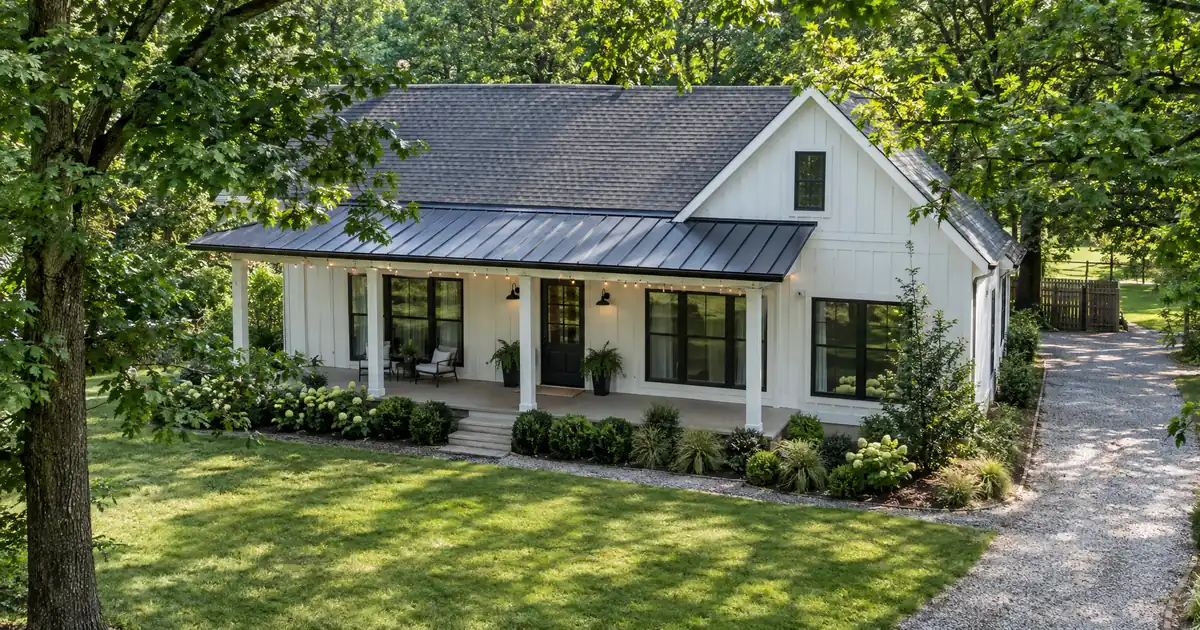
The Quick Read: Sometimes: ADU rent helps only when the unit is legal, finished, and supported by the appraiser’s rent opinion, and the combined rent still covers the larger payment on the new loan, because a DSCR cash-out replaces your low first mortgage rather than sitting beside it, and an unpermitted or unleased unit usually adds little or nothing.
- The new loan is tested, not your old one. Your cheap first mortgage disappears from the math the day it is paid off.
- ADU rent counts when the unit is permitted, finished, and backed by the appraiser’s market-rent figure.
- An ADU that is planned, under construction, or unpermitted usually adds nothing to rent or value.
- Cash-out on an investment property tops out at 75% LTV across most of the network, so rent is only one of two tests.
- Clearing the coverage ratio is not the same as positive cash flow.
Does the Low First Mortgage Change the Math?
Yes, and it works against you. A cash-out refinance pays off your existing first mortgage and writes one new, larger loan. The lender tests the rent against the payment on that new loan. The old payment, however cheap, no longer matters.
DSCR Cash-Out Calculator
Run the cash-out numbers in your market
Rate source: Freddie Mac 30-yr average via FRED® — Federal Reserve Bank of St. Louis · effective Oct 15, 2026
Prefilled with starting assumptions — enter your property’s value, balance, taxes, and insurance for a more accurate picture.
Program parameters update from Lendmire’s centralized guideline source. Taxes and insurance are editable estimates.
As of Oct 15, 2026 · General Freddie Mac market benchmark, not a Lendmire loan offer. Property value, balance, taxes, and insurance are editable estimates. Maximum loan-to-value varies by lender, program, property type, and seasoning. Not a Loan Estimate, approval, or commitment to lend. Program availability and eligibility are subject to lender guidelines, credit approval, property review, and underwriting.
A DSCR loan is a business-purpose investor loan that qualifies primarily on property-level rental income covering the payment, subject to lender guidelines. DSCR stands for debt service coverage ratio. You divide monthly rent by the full monthly obligation: principal, interest, taxes, insurance, and any HOA dues. That obligation is called PITIA.
Here is the trap for owners with a low first. Say your current loan sits at a fraction of the property’s value and carries a small payment. The rent covers it with room to spare. Replace it with a loan at up to 75% LTV (loan-to-value, the loan as a share of appraised value) on a cash-out refinance of an investment property. Coverage can drop sharply. The ADU becomes interesting because its rent might offset that jump, but only if the lender actually counts it. Leverage, reserves, and pricing vary by lender and program; the final terms follow the full file review.
For many files, 1.00 is where select programs start. A separate select-lender path takes coverage below 1.00, with leverage and terms adjusted. Stronger ratios open better pricing and leverage. If your main unit alone lands under 1.00 on the new payment, the ADU may be what moves you into the stronger tiers.
How Does a Lender Count ADU Rent?
Lenders count ADU rent when they can prove the unit exists legally and the appraiser supports the rent. Lease evidence helps, but it rarely overrides the appraisal. The sequence below is how most programs in the network treat it.
1. Legal status comes first. The unit needs its permit, a final sign-off, and a certificate of occupancy or your local equivalent. Years of rental history do not make an unpermitted unit legal.
2. The appraiser sets the rent opinion. On a one-unit investment property, the appraisal includes a rent schedule. Fannie Mae’s Selling Guide names the single-family comparable rent schedule, Form 1007, as the form required when a one-unit investment property relies on rental income. Whether the appraiser treats the ADU as a second unit is a judgment call that varies by file.
3. The lender picks the figure. Many programs anchor on the appraiser’s market-rent number. Some will consider a current lease when it differs. This is program-specific, so ask before you assume a signed lease wins.
4. Coverage is computed on the new loan. Main-unit rent plus eligible ADU rent, divided by the replacement PITIA.
Compare this with the owner-occupied rulebook that dominates search results. Freddie Mac’s ADU fact sheet says lease-documented rental income is capped at 75% of the lease amount, and that for a one-unit primary residence, rental income cannot exceed 30% of qualifying income. Those caps exist because agency loans qualify on the borrower’s income. They do not govern DSCR files, where the property’s rent is tested against its payment.
A Modeled Example: Coverage With and Without the ADU
Run the numbers on a modeled rental with a low first mortgage. Every input below is an assumption for illustration, not market data. The owner asks for a cash-out refinance at the 75% LTV ceiling. The main house alone, on the new and larger payment, lands slightly under 1.00x. Terms vary by lender guidelines, property type, leverage, credit profile, and full file review.
| Scenario | ADU rent counted? | Modeled coverage |
|---|---|---|
| Main house only | No | About 0.92x |
| ADU permitted, leased, supported by appraisal | Yes | About 1.18x |
| ADU built without permits | No | About 0.92x |
| Same loan, ADU rent haircut by lower appraisal | Partly | About 1.05x |
The first row is the honest starting point. Coverage under 1.00 is available through select lenders in the network, with leverage and terms adjusted. It usually means a lower LTV or a tighter structure than the standard tier. Row two shows what documented ADU rent can do. It can lift the file into the range many programs treat as comfortable. Rows three and four show how fast that lift disappears when the unit fails a test.
Everything stays subject to lender guidelines, credit review, and property review. The example shows direction, not an outcome.
What Happens in Each ADU Situation?
The status of the unit decides almost everything. This is how the common cases tend to play out.
| ADU status | Rent usually counted? | What to do |
|---|---|---|
| Permitted, finished, leased | Yes, if the appraisal supports it | Gather permit, final sign-off, lease |
| Permitted, finished, vacant | Often via appraiser’s rent opinion | Expect the appraisal figure to govern |
| Planned or under construction | No | Finish, lease, then refinance |
| Unpermitted or nonconforming | Usually excluded | Legalize first, or exclude it from your plan |
| Attached unit or garage conversion | Depends on classification | Confirm it is not logged as a bonus room |
A unit that is built but not leased may still get credit through the appraiser’s rent schedule, depending on the program. A unit that is only drawn on paper does not. For a new unit, think of it as counting once it is built and leased.
Classification matters for attached units. An appraiser can record a converted garage or an in-law suite as part of the main living area instead of a separate unit. When that happens, there is no second rent line to count.
Short-term rental use changes the numbers. Cash-out on short-term-rental collateral tops out at 70% LTV, while a standard rental cash-out reaches 75%. Expect a 640+ score and about 12 months of hosting history, with a 1.00 coverage floor on refinances. Exact terms depend on the lender’s guidelines, property type, leverage, and a full review of the borrower’s file.
Rent Is Only One of Two Tests
ADU rent can improve coverage, but it does not raise the value ceiling. The lender checks rent coverage and loan-to-value separately, and you have to clear both. The strongest files have enough equity and enough rental coverage.
The value side is where ADUs disappoint. Appraisers lean on sales comparisons, and in many neighborhoods there are not enough ADU sales to compare. ADU Home Resource notes that with no comps, a conservative appraiser may credit the unit as little more than extra square footage. An ADU may support a higher appraised value, depending on comps and underwriter review. That is a long way from adding its build cost.
So do not plan your cash-out proceeds around what the ADU cost to build. Plan around what the appraisal supports. Cash-out at up to 75% LTV on an investment property is a ceiling, not a promise of cash. Every figure here varies by lender and program — guidelines, property type, leverage, and credit profile all apply.
Other limits still apply on any cash-out file:
- Seasoning of about 6 months of ownership, measured from title recording.
- A credit score floor of 620 in parts of the network, with most programs wanting around 660 and 700+ unlocking the strongest leverage.
- Reserves commonly around 6 months of PITIA, stepping up to about 9 months above $1,500,000.
- Loan sizes up to $3,000,000 on standard programs.
Keep in mind that clearing 1.00 is not positive cash flow. The ratio compares rent to PITIA only. Repairs, vacancy, management, utilities, and capital expenses sit outside it. A cash-out that adds to the payment can pass the test and still leave thin real-world margins.
Should You Replace the Low First at All?
Not always. Replacing the first mortgage reprices the whole balance, not just the new cash. If your existing loan is far cheaper than current pricing, you pay that difference on every dollar you already owe.
A simple break-even test helps. Ask what the new cash will earn or save, and compare that with the extra cost of carrying the larger replacement balance. If the cash funds something that raises rent or pays down more expensive debt, replacement can make sense. If it sits idle, the low first is probably worth more than the cash.
| Your situation | Replacing the first tends to fit when… | Keeping the first tends to fit when… |
|---|---|---|
| Rent coverage | ADU and main rent clear the new payment | Coverage on the new loan is thin |
| Cash need | You need a large lump sum | You need a modest amount |
| Existing loan | It is close to market pricing | It is far cheaper than market pricing |
| ADU status | Built, permitted, leased | Planned or unpermitted |
If you need less cash and your first is cheap, borrowing separately and leaving the first alone may beat a full replacement. Lendmire’s piece Cash-Out Refinance vs HELOC on a Rental With a Low First Mortgage walks through that tradeoff. If the cash is meant to build the unit, see Lendmire’s article HELOC vs Cash-Out Refinance for an ADU With a Low First Mortgage.
Build First or Refinance First?
Usually build, lease, then refinance. A built and leased unit gives the appraiser a real rent line and gives you seasoning on the improved property. Refinancing on a plan means asking the lender to count rent that does not exist yet, and most programs will not.
The tradeoff is carrying cost. You fund construction from another source first, then refinance once the ADU is finished and leased. That sequence costs more patience but gives you the strongest file. It also lets you see the actual appraised rent before you commit to replacing a low first mortgage.
Across the wholesale network, the files that run into trouble tend to share one feature. The borrower counted the ADU in their own math but never confirmed how the appraiser would classify it. Ask early whether the unit will be treated as a second rental unit. It takes one conversation and can change the answer on the whole deal.
Taxes and insurance can also rise after an ADU is added. That enlarges the payment you are dividing rent into, so factor it into your coverage estimate before you submit.
Key Terms Defined
DSCR (debt service coverage ratio): monthly rent used for lender review divided by the monthly PITIA.
PITIA: principal, interest, taxes, insurance, and any HOA dues, the full monthly obligation on the property.
Rent schedule: the appraiser’s opinion of market rent, usually the number a lender anchors on for a unit.
Seasoning: the waiting period between buying a property and refinancing it. On cash-out, about 6 months is the common expectation.
Cash-out refinance: a new loan that pays off the old one and returns the extra as cash.
What Should You Gather Before Applying?
A tidy file keeps the ADU question from becoming a surprise later.
- The permit, final inspection record, and certificate of occupancy for the ADU.
- A current lease for each unit, if leased.
- Proof of utilities and a separate entrance, if the unit has one.
- Your current mortgage statement and payoff information.
- Insurance details showing the ADU is covered.
- Proof of reserves.
- Entity documents if you hold title in an LLC, subject to lender program eligibility.
Frequently Asked Questions
Does an unpermitted ADU count toward rent?
Usually not. Lenders and appraisers tend to leave unpermitted units out of both rent and value. Rental history does not make a unit legal. Legalize it first, then refinance.
Can a signed lease beat the appraiser’s rent figure?
It depends on the program. Many anchor on the appraiser’s market-rent opinion. Some allow variance when a current lease supports a different number. Ask before you plan around the lease.
Can I count rent from an ADU that is still being built?
No. The unit starts counting once it is built and leased, or at least finished and supportable by the appraiser’s rent schedule. Plans and projections do not carry weight on their own.
Do the Fannie Mae and Freddie Mac ADU rules apply to a DSCR loan?
No. Those rules, including the 75% lease factor and the 30% income cap, belong to agency loans that qualify on borrower income. DSCR files test the property’s rent against its payment. Program terms come from the select lenders in the network.
Is a short-term rental ADU treated the same way?
Not quite. Cash-out on short-term-rental collateral tops out at 70% LTV, versus 75% for a standard rental, and programs want about 12 months of hosting history and a 640+ score. Coverage still has to clear 1.00 on a refinance. Final terms depend on lender guidelines, property type, leverage, and the borrower’s complete credit picture.
Where This Leaves You
If you are weighing a cash-out on a rental with a cheap first mortgage and an ADU, check the unit’s legal status, the likely appraisal, and the new payment before anything else. If you are buying or refinancing a rental property and want to see how the numbers work, Lendmire can help you compare DSCR loan options based on the property income, credit profile, leverage, and investor goals. For the full picture, start with the complete DSCR loans guide. Tax treatment varies; consult a qualified professional. Every file is underwritten individually, and nothing here is a commitment to lend.
A permitted, leased ADU can turn a thin refinance into a workable one, and an unpermitted one can quietly make it worse.
For the mechanics of pulling equity out of a rental property, see Lendmire’s guide to cash-out refinance on an investment property.
About Lendmire
Lendmire is a non-QM mortgage brokerage (NMLS# 2371349) arranging DSCR investor loans in 41 markets, including Washington, D.C., through wholesale and investor-lending channels. DSCR loans are evaluated by the lender on rental income rather than personal income, subject to lender guidelines — a fit for LLC-owned portfolios, self-employed investors, and operators scaling beyond conventional loan caps. Recognized as a Scotsman Guide Top Mortgage Workplace in 2025 and 2026.
Get Started
Ready to find the right loan for you?
In about 30 seconds you can review financing options available for your investment property. No commitment required.
Informational only. Not a Loan Estimate, approval, or commitment to lend. Program availability and eligibility are subject to lender guidelines, credit approval, property review, and underwriting.
References
3. ADU Home Resource, ADU Property Value
This article is part of Lendmire’s investment property cash-out refinance program — full qualification details, guidelines, and scenarios live on the program page.
Related reading: How to Compare Selling a Rental With a DSCR Cash-Out Refinance · How to Recoup Cash on an All-Cash Purchase After a Low DSCR Appraisal · How to Weigh Giving Up a Low First Mortgage for DSCR Cash-Out
Brandon Miller
Founder & CEO, Mortgage Loan Originator, Lendmire LLC
- Mortgage Loan Originator · NMLS# 1129696 · Verify on NMLS Consumer Access
- North Carolina Real Estate Broker · License# 343312 · Verify on NCREC
- North Carolina Insurance Producer · License# 19053198 · Property, Casualty, Life, Health · Verify on NAIC SBS
- Lendmire LLC · Firm NMLS# 2371349 · Verify firm licensure
Compliance and disclosures. Lendmire (NMLS# 2371349) is a licensed mortgage broker and is not a direct lender, depository institution, financial advisor, or tax professional. Content in this article is general market analysis and educational information — not financial, legal, or tax advice for any specific situation. Lendmire does not guarantee loan approval; every transaction is subject to underwriting by the funding lender. Mortgage pricing and loan program guidelines are subject to change at any time without notice and vary by borrower characteristics, property type, and state regulations. Lendmire complies with Equal Housing Opportunity. Licensure verification: NMLS Consumer Access.