
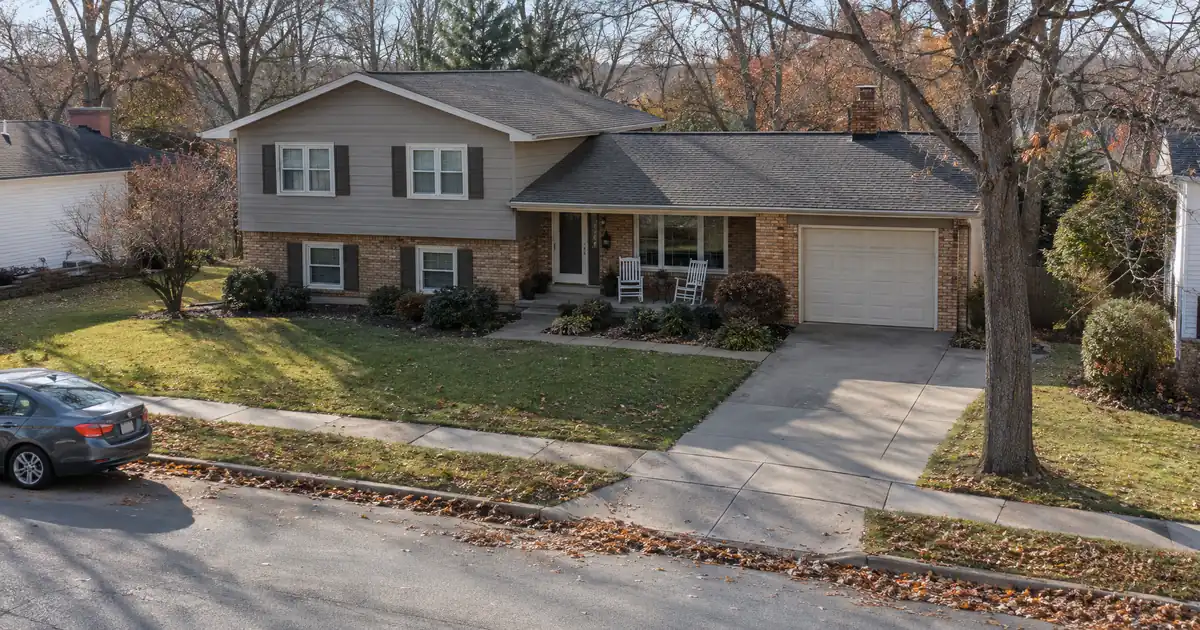
A divorce can leave a landlord with several rentals, one or more joint mortgages, and a settlement that says an ex-spouse is owed equity. One loan that covers all of it sounds appealing. It can work, but the order of steps matters as much as the math.
The Quick Read: Usually, a portfolio DSCR loan can pay off the old joint mortgages, release the ex-spouse from those notes, and fund the equity owed to them, as long as the properties are true rentals, the pooled rent covers the larger payment, and the cash-out stays within the leverage cap, subject to lender guidelines.
- The rentals must be non-owner-occupied. A home someone still lives in cannot sit in the pool.
- Cash-out on a portfolio loan never exceeds 75% of the pooled value.
- Pooled rent must cover the new, larger debt service. A bigger payout shrinks coverage.
- The decree sets what the ex is owed. The loan only sets what can be paid.
- Deed, payoff, and buyout should be sequenced together, ideally at one closing.
What Does “Portfolio” Mean Here?
Here, a portfolio DSCR loan means one note secured by several rentals. Investors also call it a blanket loan or a cross-collateralized loan. The terms name the same thing.
Some people also say “portfolio loan” for a loan a bank keeps on its own books. That is a different meaning. It has nothing to do with the structure discussed here.
Two structures in Lendmire’s wholesale network fit the idea. The 30-year portfolio DSCR loan covers 2 to 20 properties under one note. Loan sizes typically run from $300,000 to $5,000,000, with larger balances on review. It allows leverage up to 80% of value on a purchase or rate-and-term refinance. The rental portfolio term loan is for five or more rentals or units under one loan. Loan sizes typically run from $500,000 to $50,000,000, with leverage up to 75% of value. It uses fixed terms of 3, 5, 7, or 10 years with a balloon at maturity.
A divorce buyout is usually a cash-out, so the 75% ceiling on pooled value is the number that matters. The loan can be set up as recourse or non-recourse, depending on the structure. Non-recourse loans look to the real estate, with carve-outs for fraud and bankruptcy.
If your “portfolio” is simply several rentals each with its own loan, each one is judged on its own rent against its own payment. That is a different path, and it fits some files better.
Why a Decree or Deed Doesn’t Finish the Job
A decree decides who keeps the property. It does not change the loan. The lender is not bound by the court order.
| Item | What it does | Does it release the ex? |
|---|---|---|
| Decree | Allocates property and debt | No |
| Quitclaim deed | Moves title | No |
| Note | The promise to repay | Only payoff, assumption with release, or sale |
| Lien | Secures the note | Stays until paid off |
A quitclaim moves ownership but leaves the departing spouse liable on the note. That creates a sequencing trap. If the ex deeds the property first, they stay liable on a loan for a property they no longer own. Expect resistance. The cleaner path is to coordinate the deed and the new loan at the same closing, so the payoff, the buyout, and the release happen together.
Lenders also want both names on the new lien when both are still on title. Plan for both signatures.
How One Loan Can Fund the Buyout
Start with the settlement. The usual formula is value, minus all liens, times the agreed share. A 50/50 split is common but not required. The decree or marital settlement agreement is the document that says what the ex is owed.
The new loan then works as a waterfall:
1. Pay off the old joint mortgages.
2. Pay other liens and closing costs.
3. Fund any required holdbacks.
4. Whatever remains goes toward the equity payment.
The lender orders the appraisal and a market-rent opinion. For 2-4 unit properties, the usual forms are the 1007 rent schedule and the 1025 small-residential-income appraisal. Expect to supply the final decree or settlement agreement, the recorded deed, evidence of the buyout amount, and payoff statements on the old mortgages. The deed must be recorded. A decree alone does not change the title chain.
One point catches people off guard. A larger loan does not mean a larger payout. The loan is capped twice: once by leverage and once by rent coverage on the bigger payment. The lower cap controls.
The Three Tests: Equity, Pooled Coverage, and Seasoning
Equity. Cash-out on a portfolio loan never goes above 75% of the pooled value. The structure’s own ceiling can sit lower. If the ex is owed more than the pool can release, the shortfall is a negotiating problem, not a lending one.
Pooled coverage. A portfolio loan measures coverage on the pool. Pooled rent is compared with pooled debt service, and the benchmark is 1.00. Stronger properties can offset weaker ones. A rental below 1.00 on its own can sit in the pool, but underwriting tests the pooled coverage, the leverage, and the terms. Every property still needs a lease or an appraiser-supported market rent.
Here is an illustrative case, not a quote. Say a four-property pool clears roughly 1.25x on the old debt. A large buyout adds to the balance, and coverage slides toward 1.05x. The loan still works on paper, but little cushion remains. Clearing 1.00 is also not the same as positive cash flow. DSCR compares rent to the payment only. Repairs, vacancy, management, and utilities sit outside the ratio.
Seasoning and title. Cash-out proceeds are available on seasoned properties, and about 6 months of ownership is the common expectation. Lenders differ on how a spousal deed affects that clock. Some count from the original purchase. Some restart the clock at the recording date. Others size the loan on cost basis instead of appraised value, which can cut proceeds sharply.
On a portfolio cash-out, the cost-basis rule works as a second cap. Inside the first six months the loan is also capped at 90% of total cost (purchase price plus documented improvements). From six to twelve months the cap is 100% of total cost. The leverage ceiling still applies, and the loan is the lower of the two. After twelve months the appraised value alone is the basis. A rate-and-term refinance is not subject to the cost-basis cap.
Waiving a seasoning wait does not waive underwriting. The leverage cap and the rent coverage still apply. A strong coverage ratio also does not fix a title problem.
Which Properties Belong in the Pool
This is where divorce files get messy. Owner-occupied property, co-ops, mixed-use property, and commercial property are ineligible in the pool. If the former marital home is still someone’s residence, it stays out. A spouse or child living there during a separation counts as occupancy by the borrower’s household.
Manufactured and mobile homes are not financeable on these programs.
Eligible property types on the 30-year portfolio DSCR loan are single-family, 2-4 unit, condo, and townhome. Small multifamily of five or more units is eligible only inside the rental portfolio term loan.
Credit matters too. The portfolio programs set a credit floor of 640, and some structures ask for 680 or 720. Some structures require a special-purpose entity, typically an LLC. Subject to lender program eligibility, an entity can hold title. But deeding a financed rental into an LLC without reviewing the existing loan is a mistake investors make.
If the ex is a member of the LLC, the buyout is of a membership interest, not a deed. That is a different document trail. Plan it with your attorney before you approach a lender.
Allocating the Buyout Across Several Properties
A pool blends valuations, so the payout is calculated on the pool, not property by property. Your settlement may still assign equity by property. Build a simple table before you apply:
| Property | Appraised value | Existing liens | Equity owed to ex |
|---|---|---|---|
| Rental 1 | From appraisal | Payoff statement | Per decree |
| Rental 2 | From appraisal | Payoff statement | Per decree |
| Rental 3 | From appraisal | Payoff statement | Per decree |
The table shows where equity is thin. A property with little equity and weak rent can drag on pooled coverage while adding little to the payout. Sometimes the better move is a smaller pool, with that property left out or sold.
What If the Numbers Don’t Fit?
A shortfall is common. These are the usual fixes, and each has a tradeoff.
| Scenario | Option | Tradeoff |
|---|---|---|
| Equity falls short | Staged payout | Ex waits; needs agreement |
| Equity falls short | Asset trade | Ex takes other assets |
| Coverage too thin | Smaller pool | Less cash released |
| Mixed ownership | Single-property loans | More closings, less pooling |
| Neither works | Sale | Ends the hold |
When a Portfolio Loan Is the Wrong Tool
A portfolio loan ties properties together. Selling or transferring one later follows the loan documents and the lender’s release terms. The release price runs above the property’s allocated balance, and the remaining pool must still cover its debt service. If the settlement may require a future sale, that friction deserves real weight.
Existing low-cost mortgages are another reason to stop. Rolling them into a pool means giving them up. If you only need to buy out the ex on one property, a loan on that single rental is often cleaner. A no-ratio option also exists on single-property DSCR loans, but it is available only through select lenders, generally for borrowers who already own a primary residence. It carries tighter leverage (purchase to 75%, rate-and-term to 70%, cash-out to 65% on an investment property), credit around 640, and approval subject to underwriting. It is not part of the portfolio structure.
For smaller portfolios, the paperwork of a pool can outweigh the benefit.
Due-On-Sale: Does the Deed Trigger It?
Federal law bars a lender from calling a loan on certain transfers. One is a transfer resulting from a divorce decree, legal separation agreement, or property settlement where the spouse becomes an owner. The statute, 12 U.S.C. §1701j-3, applies to residential property with fewer than five dwelling units.
The implementing regulation, 12 CFR 191.5, speaks of a home occupied or to be occupied by the borrower. A law firm article flags a mismatch between the statute and the regulation on occupancy and unit count.
So the protection is uncertain for a pure investment property, LLC-held title, or five or more units. The risk matters mainly if the deed moves before the payoff. A same-day refinance sidesteps it.
Key Terms Defined
Pooled coverage: The combined rent of all properties divided by the combined debt service on the loan.
Cross-collateralization: Several properties securing one note, so each backs the whole loan.
Quitclaim deed: A deed that moves title without touching the mortgage note.
Seasoning: The time a borrower has owned a property before a lender will count current value for cash-out.
Due-on-sale clause: A loan term that lets a lender demand payoff when the property is transferred.
What a Broker Sees in These Files
Across a wholesale network, the files that stall are rarely about the rent. They stall on sequencing. The decree says one thing, the old note says another, and title sits somewhere in between. Settle the order of the deed, the payoff, and the buyout before you request an appraisal. The settlement sets what is owed. Lenders decide what can be paid. Treat those as two separate questions.
Tax treatment varies; consult a qualified professional.
Frequently Asked Questions
Does my divorce decree remove my ex from the mortgage?
No. A decree allocates responsibility between you, but it does not change the lender’s note. Only a payoff, an assumption with release, or a sale removes the ex. A new loan that pays off the joint mortgage is the usual route.
Can I put the home I live in into the pool?
No. DSCR loans are designed for non-owner-occupied investment properties, and owner-occupied property is ineligible in the pool. If you or your ex still live in a property, it stays out until it is a true rental.
Can the loan pay my ex more than the pool’s equity allows?
No. Cash-out never exceeds 75% of the pooled value. If the settlement owes more than that supports, the usual fixes are a staged payout, an asset trade, a smaller pool, or a sale.
Does the rent still need to cover the payment after the buyout?
Yes. The larger loan raises debt service, and pooled coverage is measured against that new payment. Stronger properties can offset weaker ones, but underwriting tests the pooled coverage, the leverage, and the terms. A maxed-out pull can leave coverage near 1.00.
Is a portfolio loan better than a loan on one property?
It depends on the file. A pool helps when several rentals share equity and coverage. A single-property loan is often cleaner when only one rental is changing hands or a later sale is likely.
Next Step
If you are buying or refinancing a rental property and want to see how the numbers work, Lendmire can help you compare DSCR loan options based on the property income, credit profile, leverage, and investor goals. Lendmire is a broker arranging financing through select lenders in its wholesale network across 41 markets, including Washington, D.C., and any loan is subject to lender guidelines and is not a commitment to lend. For the broader picture, see the complete DSCR loans guide, or read Lendmire’s piece How a Cash-Out Refinance Works to Buy Out an Ex-Spouse.
A divorce settlement rewards the landlord who sequences the deed, the payoff, and the buyout together, and who leaves enough coverage cushion that the pool still stands if one rental stumbles.
About Lendmire
Lendmire is a DSCR-focused mortgage brokerage, NMLS# 2371349, placing investor loans across 41 markets, including Washington, D.C. DSCR eligibility is generally reviewed by the lender around a property’s rental income rather than personal income documentation, which fits LLC-held rentals, self-employed investors, and portfolios scaling past conventional financed-property limits. Scotsman Guide named Lendmire a Top Mortgage Workplace in both 2025 and 2026.
Get Started
Ready to find the right loan for you?
In about 30 seconds you can review financing options available for your investment property. No commitment required.
Informational only. Not a Loan Estimate, approval, or commitment to lend. Program availability and eligibility are subject to lender guidelines, credit approval, property review, and underwriting.
References
2. 12 CFR 191.5
3. Johnson Legal: Be Cautious When Transferring Title of Mortgaged Property
This article is part of Lendmire’s DSCR loan program — full qualification details, guidelines, and scenarios live on the program page.
Related reading: How to Refinance Out of Hard Money With a DSCR Loan Before the Payoff · Is a DSCR Cash-Out Worth It Just to Pay Off a Maturing Loan? · Can a DSCR Loan Use Market Rent for an Inherited Tenant?
Brandon Miller
Founder & CEO, Mortgage Loan Originator, Lendmire LLC
- Mortgage Loan Originator · NMLS# 1129696 · Verify on NMLS Consumer Access
- North Carolina Real Estate Broker · License# 343312 · Verify on NCREC
- North Carolina Insurance Producer · License# 19053198 · Property, Casualty, Life, Health · Verify on NAIC SBS
- Lendmire LLC · Firm NMLS# 2371349 · Verify firm licensure
Disclosures. The information presented in this article is general market commentary, not financial, legal, or tax advice. Lendmire is a mortgage brokerage (NMLS# 2371349) — not a direct lender or depository institution — and loan placement is subject to lender underwriting. Nothing in this content represents a commitment to lend. Loan terms, pricing, and program availability vary based on borrower qualifications, property characteristics, and state of subject property, and are subject to change at any time. Lendmire complies with Equal Housing Opportunity requirements. Consumer access: nmlsconsumeraccess.org.