
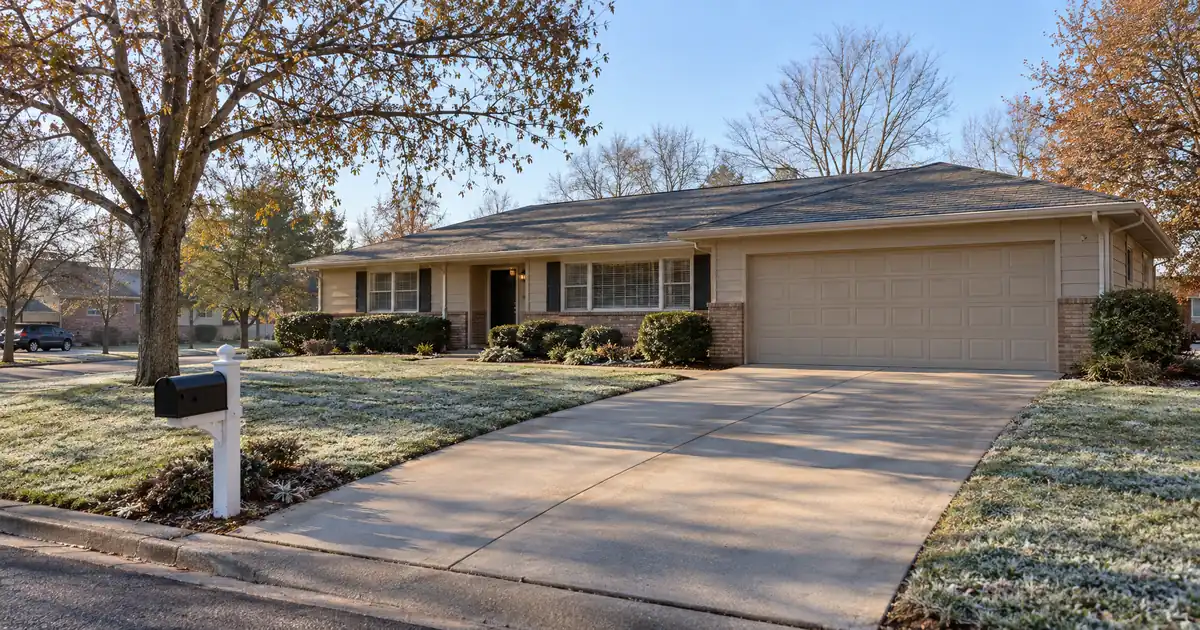
The Quick Read: You bring a second person into a rental cash-out refinance by choosing one of two roles. A co-borrower signs the note and goes on title. A guarantor signs a separate personal guaranty while an LLC holds title and signs the note. How the property is vested decides which role applies, and that choice sets the documents, the credit pull, and who is liable. The extra person can strengthen credit, reserves, and experience, but the property’s rent still has to cover the new, larger loan.
- The property’s rent against its monthly obligation still drives the file. A second person cannot replace weak rental coverage.
- On most programs, the lowest qualifying score among the people on the file sets the credit tier.
- Cash-out on a standard long-term rental tops out around 75% LTV, with about 6 months of ownership expected first.
- Settle ownership splits before the application. Changing them later usually means restarting review.
- Getting someone off the loan later usually takes another refinance.
What Is the Difference Between a Co-Borrower and a Guarantor?
A co-borrower is on the note and on title from day one. A guarantor backs a loan that someone else, usually an LLC, signs. Consumer-lending explainers describe a co-borrower as sharing repayment responsibility and ownership of what is financed. That matches how personal-name rental files work.
DSCR Cash-Out Calculator
Run the cash-out numbers in your market
Rate source: Freddie Mac 30-yr average via FRED® — Federal Reserve Bank of St. Louis · effective Oct 15, 2026
Prefilled with starting assumptions — enter your property’s value, balance, taxes, and insurance for a more accurate picture.
Program parameters update from Lendmire’s centralized guideline source. Taxes and insurance are editable estimates.
As of Oct 15, 2026 · General Freddie Mac market benchmark, not a Lendmire loan offer. Property value, balance, taxes, and insurance are editable estimates. Maximum loan-to-value varies by lender, program, property type, and seasoning. Not a Loan Estimate, approval, or commitment to lend. Program availability and eligibility are subject to lender guidelines, credit approval, property review, and underwriting.
The roles split along vesting lines. If you hold the rental in your own name, the second person joins as a co-borrower. If an LLC holds the rental, the LLC is the borrower. Any individual the lender needs behind it signs a guaranty.
| Factor | Co-borrower | Guarantor |
|---|---|---|
| Signs the note | Yes | No, the LLC signs |
| On title | Yes | Usually no |
| Liability begins | From closing | As the guaranty states |
| Credit reviewed | Yes | Yes |
| Typical borrower type | Individual | LLC |
| Removal later | Usually a refinance | Refinance or lender release |
Do not read “guarantor” as a soft role. In general lending, a guarantor is described as liable when the borrower defaults. DSCR guaranties are often drafted as full recourse, so the guaranty document itself controls what you owe. Read it before you sign.
Key Terms Defined
DSCR (debt service coverage ratio): The property’s monthly rent divided by its monthly principal, interest, taxes, insurance, and any HOA dues.
PITIA: Principal, interest, taxes, insurance, and association dues. This is the full monthly obligation the rent is measured against.
Guaranty: A separate personal promise to repay the loan if the borrowing entity does not.
Vesting: The legal way title is held, such as your personal name, an LLC, or a trust.
Seasoning: The ownership period a lender wants before it will lend cash against a property, measured from the date title is recorded.
Recourse: The lender’s ability to come after a person’s own assets, not just the property, if the loan defaults.
How Does Underwriting Treat the Extra Person?
Underwriting measures the property first and the people second. DSCR loans qualify primarily on property-level rental income covering the payment, subject to lender guidelines. The second person adds credit strength, reserves, and experience. That person does not add rental coverage. The lender tests coverage on the new, larger cash-out loan.
Here is where the numbers sit across the wholesale network Lendmire places files with. Treat them as typical ranges, not promises:
- Leverage: Cash-out on a standard long-term rental typically tops out around 75% LTV. On short-term-rental collateral, the cash-out ceiling is 70%.
- Seasoning: About 6 months of ownership is the common expectation.
- Coverage: 1.00 is where many select programs start. A separate select-lender path takes coverage below 1.00, with leverage and terms adjusted.
- Credit: A 620 floor exists in parts of the network. Most programs want around 660, and 700+ unlocks the strongest leverage tiers.
- Reserves: Commonly around 6 months of PITIA, stepping up to about 9 months above $1,500,000.
- Loan size: Up to $3,000,000 on standard programs.
A strong co-borrower or guarantor can help with the credit and reserves lines. A larger equity cushion can lower the loan and lift coverage. Neither erases the leverage cap, the credit floor, or property eligibility. The strongest files clear both tests: enough equity and enough rental coverage.
One caution on what the ratio means. Clearing 1.00 is not the same as positive cash flow. Repairs, vacancy, management, utilities, and capital expenses all sit outside the calculation.
DSCR loans are designed for non-owner-occupied investment properties. Because they are business-purpose investor loans, they are reviewed differently from a standard owner-occupied mortgage. For the full picture of how these programs work, see Lendmire’s complete DSCR loans guide.
Which Structure Fits Your Situation?
Start with how the property is held today and who needs to be on the file. These are the common patterns:
- You own in your personal name and want a partner on the loan. The partner joins as a co-borrower. Both sign the note and both go on title. Both credit profiles are reviewed.
- You own in an LLC. The LLC stays the borrower. The lender typically asks for guaranties from the individuals who own a meaningful share of the entity. The threshold is set lender by lender, not by rule.
- You want to move from personal name into an LLC with the refinance. The new loan closes in the entity, and the people behind it guarantee. This is a vesting decision, so plan the deed and entity documents first.
- A parent or relative is helping with credit. If that person is on title, they are a co-borrower. If they are not an owner, many lenders prefer a guaranty-style role. The program decides what it will accept.
- A passive minority member owns a small slice of the LLC. Depending on the program, that person may be disclosed but not scored, or may not need to sign.
- A spouse who is not an owner. This one has its own rules, covered below.
How Do You Add Someone, Step by Step?
Work the sequence in this order. Most delays come from skipping the first step.
1. Decide the structure. Choose between a co-borrower on a personal-name file, an LLC with a guarantor, or a new member added to an existing LLC. Each path needs a different document set.
2. Settle ownership percentages. Put the split in writing before capital moves. If you later cross a lender’s ownership threshold, you will need to amend the operating agreement and restart review.
3. Run the coverage test first. Compare the property’s rent to the full obligation on the new, larger loan at up to 75% LTV. If coverage is thin, adding a person will not fix it.
4. Submit the application naming the borrower. On a personal-name file, list both borrowers. On an entity file, list the LLC and each guarantor.
5. Assemble the documents. An LLC package typically includes articles of organization, the operating agreement, EIN confirmation, and a certificate of good standing. Each guarantor typically supplies photo ID, a credit authorization, and asset statements. If someone is being added to title, a deed is part of the package.
6. Let the lender order the appraisal and review. The appraisal supports value and rent. The lender then reviews the entity documents and each person’s credit and assets.
7. Sign at closing. The new loan pays off the old one. The LLC signs through an authorized signer, and each guarantor signs a separate personal document. A single owner of an LLC signs twice, once for the entity and once personally.
A Worked Scenario in Ratios
Run the numbers on a duplex held in a personal name, with a 6-month ownership history. Say the owner wants cash out at 75% LTV on a standard long-term rental. Modeled rents on that duplex cover the full PITIA at roughly 1.15x. These are assumptions for illustration, not market data. Each figure is subject to lender guidelines and a complete review of property type, leverage, and credit.
Now suppose the owner has a 720 score and the added partner has a 650 score. On many programs, the lowest score sets the tier. The file would move from the 700+ tier into a lower one, where leverage and terms can be less generous. The partner brings reserves and experience, but the coverage is the same 1.15x.
Try the same duplex at 0.95x coverage. A co-borrower does not change that ratio. Coverage below 1.00 is available through select lenders in the network, with leverage and terms adjusted. Those files are reviewed on the property, credit, and reserves, and nothing about them is automatic.
The lesson: add a person only for something they actually supply, like a stronger credit tier, reserves, or entity ownership. If the second person lowers your tier, the cost can outweigh the benefit.
Where the General Rule Breaks
Adding someone to title before the refinance. Recording a deed on a property with an existing mortgage can trigger the lender’s right to call the loan. Federal law makes due-on-sale clauses enforceable, and the family-transfer exemptions are written with owner-occupied homes in mind. Do not assume they cover a rental. Because the refinance pays off the old loan, the safer sequence is often to add the person at closing, not before.
A spouse who is not an owner. Federal equal-credit guidance says a lender generally cannot require an additional signature when the applicant is reviewed on their own. A non-owner spouse is not automatically required to sign. The same guidance notes exceptions for secured credit and jointly owned property. A spouse who holds title may still be asked to sign the security instrument so the lender can perfect its lien. State property law can change the answer, so ask early.
A passive minority member. Some programs credit-check a small owner without scoring them. Others require every owner above a threshold to guarantee. The same people and property can land in different tiers depending on the program.
Tenants in common. Each co-owner is typically a borrower when title is held that way. When an LLC holds title, the LLC borrows and one or more members guarantee.
Layered entities or a trust-owned LLC. Eligibility is program-dependent. Confirm it before you build the structure around it.
Non-recourse guaranties. They exist but are uncommon. Expect a standard LLC file to carry a full-recourse guaranty. An LLC protects you from property-level claims by third parties. It does not protect you from the lender.
Short-term-rental collateral. The cash-out ceiling drops to 70%, and expect a 640+ score and about 12 months of hosting history.
Ineligible property types. Manufactured homes (single- and double-wide), log homes, and barndominiums are not offered in the network’s DSCR programs. A co-borrower cannot change that.
If you are coming from owner-occupied lending, the rules differ. Lendmire’s piece Can You Add a Non-Occupant Co-Borrower to an FHA Cash-Out Refinance? covers that separate world.
What Does It Cost the Person You Add?
A co-borrower or guarantor takes on real exposure. The liability can stack across several LLC loans if the same person guarantees each one. Whether the loan appears on personal credit depends on the structure and on how the servicer reports. Do not assume either way.
A second person also reduces your control. A co-borrower on title has ownership rights. A guarantor does not, but may expect a seat at the table anyway. Put roles, buyout terms, and exit plans in writing.
Taking someone off is harder than putting them on. The usual route is another refinance. If the person you are removing is a co-owner, Lendmire’s guide How to Remove a Co-Owner From Rental Title Using a Cash-Out Refinance walks through that structure.
Common Mistakes
- Deeding someone onto title without a plan for the note. Title and loan liability are separate. Align them on purpose.
- Assuming the LLC’s own credit counts. Underwriting looks through to the individuals behind the entity.
- Treating a guaranty as a reference. It is a legal promise to repay.
- Adding a lower-scoring partner for sentimental reasons. The lowest score can set the tier for the whole file.
- Assuming every guarantor must be on title. Guarantors are generally not on title, but programs differ.
- Skipping the coverage test. A new person cannot rescue a property that does not clear the program’s coverage floor.
What Should You Ask a Lender Before Involving Anyone?
- Does this program want a co-borrower on title, or a guaranty behind an LLC?
- At what ownership percentage does a member have to guarantee?
- Which score sets the tier: the lowest, the average, or the primary borrower’s?
- Is a minority owner scored, or only credit-checked?
- Is the guaranty full recourse? Can I read the form first?
- What reserves apply at this leverage and loan size?
- What would it take to release a person later?
Frequently Asked Questions
Can a co-borrower with better credit lift my rental cash-out refinance?
Not by itself. On most programs, the lowest qualifying score sets the tier, so a stronger partner does not raise a weaker score. A strong partner can help with reserves and experience, but the property’s rent still has to cover the new loan.
Does a guarantor have to be on title?
Generally no. A guarantor backs a loan that an entity signs, and usually has no ownership of the property. Some lenders want guarantors to hold a meaningful share of the borrowing LLC, so confirm the program’s ownership rule.
Will my spouse have to sign if they are not an owner?
Not automatically. Federal guidance says a lender generally cannot require an additional signature when the applicant qualifies alone. A spouse who holds title may still be asked to sign the security instrument, and state law can matter.
Can I add someone to my deed before I refinance?
You can, but it carries risk. A transfer on a property with an existing mortgage can trigger the lender’s due-on-sale rights, and the family exemptions may not cover a rental. Adding the person at closing is often cleaner.
How do I remove a co-borrower or guarantor later?
Usually through another refinance, or through a lender release if the loan documents allow one. Plan the exit before you add the person.
Next Step
If you are buying or refinancing a rental property and want to see how the numbers work, Lendmire can help you compare DSCR loan options based on the property income, credit profile, leverage, and investor goals. Lendmire is a broker that arranges financing through select lenders in its wholesale network across 41 markets, including Washington, D.C. Every file is underwritten individually, and nothing here is a commitment to lend.
Investors weighing their equity options can start with Lendmire’s guide to cash-out refinance on an investment property.
About Lendmire
Lendmire (NMLS# 2371349), a non-QM mortgage broker serving investors in 41 markets including Washington, D.C., helps structure DSCR scenarios commonly evaluated around a property’s rental income rather than personal income paperwork, subject to lender guidelines. A Scotsman Guide Top Mortgage Workplace in 2025 and 2026, Lendmire places loans through wholesale investor lenders and is not a direct lender.
Get Started
Ready to find the right loan for you?
In about 30 seconds you can review financing options available for your investment property. No commitment required.
Informational only. Not a Loan Estimate, approval, or commitment to lend. Program availability and eligibility are subject to lender guidelines, credit approval, property review, and underwriting.
References
1. Bankrate, Cosigner vs. Co-Borrower
2. Cornell Legal Information Institute, 12 U.S.C. 1701j-3
3. FDIC, Financial Institution Letter FIL-9-2002 on spousal signatures
This article is part of Lendmire’s investment property cash-out refinance program — full qualification details, guidelines, and scenarios live on the program page.
Related reading: Do DSCR Lenders Add Price Adjustments on a 2-4 Unit Rental? · Home Equity Investment vs DSCR Cash-Out for an Out-of-State Investor · Should an Investor Close a Cash-Out Refinance That Appraises Low?
Brandon Miller
Founder & CEO, Mortgage Loan Originator, Lendmire LLC
- Mortgage Loan Originator · NMLS# 1129696 · Verify on NMLS Consumer Access
- North Carolina Real Estate Broker · License# 343312 · Verify on NCREC
- North Carolina Insurance Producer · License# 19053198 · Property, Casualty, Life, Health · Verify on NAIC SBS
- Lendmire LLC · Firm NMLS# 2371349 · Verify firm licensure
Important disclosures. Lendmire (NMLS# 2371349) is a licensed mortgage brokerage. Lendmire is not a direct lender, depository institution, or financial advisor. All loan inquiries are subject to lender underwriting; this article does not constitute a commitment to lend. Rates, terms, and program guidelines are subject to change without notice and vary by borrower profile, property type, and state. Information in this article is general in nature and is not financial, legal, or tax advice. Equal Housing Opportunity. NMLS Consumer Access: nmlsconsumeraccess.org.