
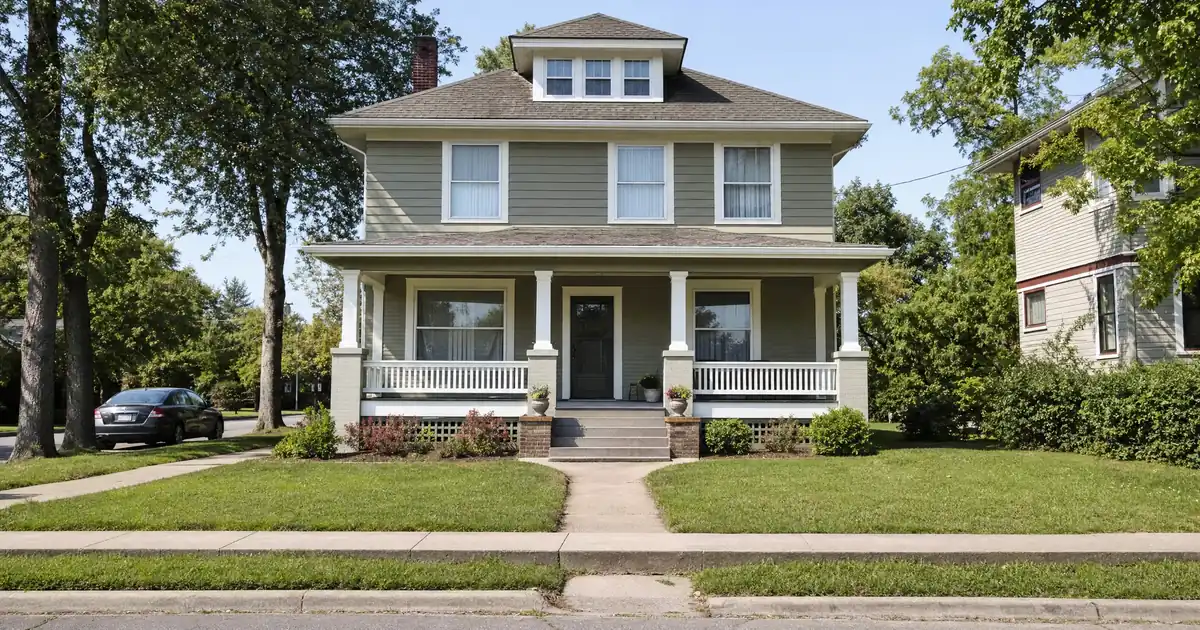
DSCR Loan Denied Because The Property Was Recently Purchased — The Quick Read: A denial tied to a recent purchase usually comes from one of two problems. Maybe you own the property, but you haven’t held it long enough to refinance the way you want. Or maybe you’re trying to buy a property, and the seller only just bought it. These are two separate problems. Each one has its own fix. Lenders across a wholesale network treat them differently. Some seasoning rules are hard stops — you can’t get around them. Other rules can be waived if you add more equity or show a stronger coverage ratio. Knowing which problem hit your file tells you what to do next.
Key Takeaways
- “Recently purchased” denials fall into two categories. One is borrower-side seasoning — you bought the property, and now you want to refinance. The other is seller-side seasoning — the seller you’re buying from hasn’t owned the property long.
- The seasoning clock on a refinance starts on the recorded deed date. It does not start when renovations finish or a tenant moves in.
- Cash-out refinances face tighter seasoning rules than rate-and-term refinances. Pulling money out right after a purchase raises concerns about an inflated appraisal.
- An all-cash purchase can sometimes skip seasoning entirely through delayed financing. But the payout gets capped at your documented cost, not the new appraised value.
- One lender’s seasoning rule is not an industry-wide standard. A file denied by one program can still clear at another program with a different structure.
Two Different Denials Hiding Behind One Reason
Most articles on this topic cover only half the problem. They explain what happens when you buy a property and try to refinance it soon after. But they skip what happens when you’re the buyer, and the seller is the one who just closed on the house.
DSCR Calculator
Run the numbers in your market
Rate source: Freddie Mac 30-yr average via FRED® — Federal Reserve Bank of St. Louis · effective Aug 27, 2026
Prefilled with local estimates — enter your own rent or nightly figures, taxes, insurance, and HOA for a more accurate picture.
Program parameters update from Lendmire’s centralized guideline source. Taxes and insurance are editable estimates.
As of Aug 27, 2026 · General Freddie Mac market benchmark, not a Lendmire loan offer. Rent, nightly rate, occupancy, taxes, and insurance are editable estimates. Short-term rental figures are estimates only and vary significantly by season, property type, management approach, and local short-term-rental rules — confirm local regulations before relying on them. Qualifying income for short-term rentals varies by program — some use appraisal market rent, others use documented STR history or projections — and is confirmed in underwriting. Not a Loan Estimate, approval, or commitment to lend. Program availability and eligibility are subject to lender guidelines, credit approval, property review, and underwriting.
Both situations get labeled “recently purchased.” Both can sink a DSCR file. But the mechanics behind each one are different.
Scenario one: You bought a rental, fixed it up, and now want to refinance into a DSCR loan. Maybe you want cash out, or maybe you just want permanent financing. Here, the seasoning clock is about your ownership timeline.
Scenario two: You’re under contract to buy a property. The current owner, your seller, only bought it recently. This is a chain-of-title issue. It has nothing to do with your financing readiness. It’s about whether the lender trusts the resale price, given how fast the property changed hands.
A quick note on classification: DSCR loans qualify based on the property’s rental income, not the borrower’s personal income. That’s why they’re structured as business-purpose investor loans. They’re written for non-owner-occupied investment property, so they get reviewed under different rules than a standard owner-occupied mortgage. Each program in a lender’s network also sets its own seasoning rules. There’s no single universal standard.
Key Terms Defined
DSCR (debt-service coverage ratio): Take the property’s monthly rent and divide it by the full monthly housing payment. That payment includes principal, interest, taxes, insurance, and any HOA dues — often written as PITIA. A ratio of 1.00 means the rent exactly covers that payment.
Seasoning: The waiting period a lender wants between one event and another. Usually that first event is a purchase closing. The later event is something like a cash-out refinance.
PITIA: Shorthand for the full monthly housing payment a lender compares rent against. It stands for principal, interest, taxes, insurance, and association dues.
Chain of title: The recorded history of who has owned a property, and when. A title search pulls this history before closing.
Delayed financing: A refinance strategy for an investor who paid all cash for a property. It lets a lender consider the loan without the standard seasoning wait. But the payout gets capped at your documented purchase and rehab costs.
LTV (loan-to-value): The loan amount, shown as a percentage of the property’s value or purchase price. It’s the inverse of your down payment percentage.
How Underwriting Actually Treats a Recently Purchased Property
The mechanics run in a set order. Understanding that order tells you exactly where your file is likely to stall.
First, title gets pulled. Underwriting checks the recorded deed date. If you’re refinancing, that’s your own purchase date. If you’re buying, that’s the seller’s purchase date. This date sets the seasoning clock. It does not reset when a renovation wraps up or a lease gets signed.
Second, the transaction type decides which rule applies. A rate-and-term refinance just replaces your existing loan — no cash out. Most lenders in Lendmire’s wholesale network need little or no seasoning for this, because you’re not pulling out new equity. You’re just repaying what you owe plus closing costs. A cash-out refinance works differently. You’re pulling out more money than you put into the deal, so seasoning requirements usually apply. Across the network, that’s commonly around six months from the purchase date, though it varies by program.
Third, the value basis gets capped if seasoning hasn’t run. Some lenders will still process a file inside the seasoning window. But they’ll size the loan against your documented cost basis instead — your purchase price plus receipted renovation expenses — rather than the new appraised value. So a property that appraises well above what you paid may not unlock that extra equity. At least, not yet.
Fourth, rent gets determined off the appraisal, regardless of seasoning. The appraiser completes a standard rental survey. That’s Form 1007 for a single-family property, or Form 1025 for a small multifamily property. The lender then calculates DSCR using whichever number is lower: the actual signed-lease rent, or the appraiser’s market-rent estimate. A property that was purchased recently and is still vacant gets qualified using that appraiser’s market-rent figure. That figure tends to run conservative.
If you bought with a hard-money or bridge loan and now want to move into DSCR financing, the complete DSCR loans guide covers how that bridge-to-permanent transition usually works, including leverage and documentation.
Match Your Scenario to the Fix
Not every “recently purchased” denial needs the same fix. Figuring out which category applies keeps your next step focused.
| Scenario | What’s Really Triggering the Denial | Typical Path Forward |
|---|---|---|
| You bought the property yourself and want to refinance shortly after | Borrower-side seasoning hasn’t run yet | Wait out the window, or structure as rate-and-term instead of cash-out |
| The seller you’re buying from only recently acquired the property | Chain-of-title / anti-flip concern on the seller’s side | Confirm the target lender’s seller-seasoning policy before you write the offer |
| Property just closed and has no lease yet | Appraiser’s market-rent estimate may run conservative against the coverage you need | Ask for the rent schedule (1007/1025) the underwriter will actually use, before applying |
| You bought with hard money and are refinancing into DSCR | Seasoning runs from the original purchase date, not the bridge loan’s origination | Structure the exit as rate-and-term where possible; size any cash-out to documented rehab cost |
| You paid all cash and want funds out now | Standard seasoning technically applies, but an exception route exists | Confirm delayed financing eligibility — documented cost basis, no non-arm’s-length elements |
Cash-Out, Rate-and-Term, and Delayed Financing Play by Different Rules
A rate-and-term refinance on a fresh purchase is the easiest path through seasoning. You’re not pulling new money out, so the appraisal-inflation risk that worries lenders mostly disappears. A cash-out refinance is where seasoning actually bites. Here, a lender is looking at someone who bought a property and immediately wants to pull out new equity. The lender has to ask: is the appraisal supporting that equity real, or inflated?
Delayed financing is the workaround built for investors who paid cash. If you bought a property outright — no mortgage, no lien on it — some lenders in the network will consider a refinance without any seasoning period at all. Here’s the catch: your payout is generally capped at your documented purchase price plus receipted improvement costs. It won’t reach the new appraised value. Also watch for disqualifiers. Gift funds used toward the original purchase, an existing lien, or a non-arm’s-length sale — like buying from a relative or business partner — will typically knock a file out of delayed-financing eligibility entirely.
One tax note worth flagging: how you use refinance proceeds, and how the property is titled, can affect what’s deductible. Keep clean records. Talk to a qualified tax professional before you assume any particular tax treatment.
Weighing whether to refinance now or wait? When it makes sense to refi a rental property walks through the bigger timing question, beyond just seasoning.
Where the General Rule Breaks
A handful of situations don’t follow the standard seasoning script at all.
Inherited or court-awarded property. Say an investor acquires a mortgage-free property through inheritance or a divorce decree. That investor is often eligible for a cash-out refinance with no seasoning wait at all. This is a one-time exception, not a standing rule.
Vacant, unleased units. Even after seasoning clears, a property with no signed lease often takes a rent discount in the DSCR math. Some programs credit only part of the appraiser’s projected market rent. That lowers your coverage ratio, no matter how long you’ve owned the place.
Short-term rentals season differently altogether. An STR purchased very recently has no operating history for a lender to underwrite from. That’s a documentation gap, not a title-timing gap. Purchase-transaction STR programs across the network commonly want roughly twelve months of hosting history, plus a coverage ratio clearing 1.00. Refinance-side STR programs apply their own separate 1.00 floor. These get evaluated as two distinct scenarios, not one blended rule. And 1.00 is a select-program floor here, not a universal standard.
DSCR vs. conventional financing
Two common ways to finance an investment property in this market. They qualify you differently — here’s how investors weigh them.
Why investors choose it
- Qualifies on the property’s rental income — no personal tax returns, W-2s, or pay stubs needed to document income.
- No personal debt-to-income ceiling to clear, so existing mortgages and obligations don’t cap your borrowing the same way.
- Can be closed in an LLC, keeping the property inside a business entity.
- Built for scaling — not held to the limit on number of financed properties that conventional financing applies.
- Underwriting centers on the deal: generally qualifies when the rent covers the payment, a 1.00x coverage ratio being a common baseline (confirmed in underwriting).
- Designed specifically for investment property, including long-term and, where the program allows, short-term rentals.
Where it’s strong
- Often the lowest ongoing financing cost for a buyer who fully qualifies on personal income — a fit for a first property or a cost-first purchase.
Trade-offs for investors
- Requires full personal income documentation and must fit within a debt-to-income limit — salary, existing debts, and other mortgages all count.
- Typically held in your personal name rather than a business entity.
- Caps how many financed properties you can carry, which can become a ceiling as a portfolio grows.
- Evaluates you as a borrower as much as the property, which usually means more paperwork.
How investors usually choose: a first or single property often optimizes for the lowest financing cost; portfolio builders often optimize for leverage, vesting in an LLC, and scaling past conventional caps. The right answer depends on your goals, the property, and current guidelines — both paths run through select lenders in Lendmire’s wholesale network, with eligibility and terms confirmed in underwriting.
Seller-side seasoning has no universal federal trigger for DSCR paper. The best-known version of this rule comes from FHA lending. A title-seasoning resale restriction, codified under HUD Section 203.37a, can make a property ineligible for FHA financing if the seller signs a resale contract too soon after their own purchase. DSCR loans aren’t FHA-insured, so this rule doesn’t legally bind a DSCR lender. But plenty of non-QM investors voluntarily use a scaled-down version of it as their own risk overlay. The underlying worry is the same either way: an inflated resale price right after a quick flip. If a seller held the property only briefly and raised the price sharply, some programs will ask for a second appraisal before moving forward. The same goes if the seller held it a bit longer but marked the price up steeply.
DSCR loans sit outside the standardized underwriting box tied to conventional lending. So seasoning gets treated as each lender’s own overlay, not a fixed rule. The CFPB’s Ability-to-Repay/Qualified Mortgage framework is built around borrower-income documentation. DSCR loans qualify on property income instead, so they fall outside that box entirely. That’s exactly why one lender’s seasoning policy can look completely different from another’s — on the exact same file.
Was a HELOC on a recently purchased rental your original plan, before you looked at DSCR? An investment property HELOC denial for the same reason is worth a look. The seasoning logic is nearly identical. But the fix paths diverge, because HELOCs are second-lien products with their own leverage caps.
A Worked Example
Consider a scenario where an investor closes on a small rental, finishes an interior renovation, and applies for a cash-out DSCR refinance not long after closing.
The appraiser completes a 1007 rent schedule and comes back with a market-rent estimate. Measure that rent against the new, higher loan amount the investor wants — based on the post-renovation appraised value — and the coverage ratio lands in low-0.90s territory. That’s below what most standard cash-out programs require. But measure that same rent against the original purchase-money loan amount instead, and coverage jumps north of 1.20x. That comfortably clears a 1.00 select-program floor.
The gap isn’t a rent problem. It isn’t a credit problem either. It’s a seasoning problem. The file is asking for more loan than the seasoning window and cost-basis cap currently allow. The practical fix is usually one of three moves. Wait for the seasoning window to run, then refinance at the full appraised value. Or size the cash-out request down to the documented cost basis now. Or restructure the request as a rate-and-term refinance, which doesn’t need the seasoning wait at all.
This pattern shows up constantly across files. Strong rental income, strong appraisal, denial anyway. Why? Because the loan amount requested outran what the seasoning clock and cost-basis cap allowed at that moment. Not because the deal itself was weak.
What To Do After a Denial
Start by asking the lender exactly which trigger caused the denial. Was it borrower-side seasoning, seller-side seasoning, a cost-basis cap, or a rent-estimate shortfall? Each has a completely different fix. A denial letter that just says “seasoning,” without saying which type, leaves your next move unclear.
If it’s borrower-side seasoning, ask whether a rate-and-term structure — instead of cash-out — clears the file today. Rate-and-term refinances typically face less seasoning friction. If it’s seller-side seasoning on a purchase you’re trying to make, ask your loan officer to check the seller’s acquisition date before you go further into the deal. Have this conversation before you write an offer, not after an appraisal comes back. If it’s a rent-estimate issue on a vacant, freshly purchased property, ask for the 1007 or 1025 form the underwriter used. Then ask whether a signed lease at a stronger rate could move the coverage ratio.
And remember this: a denial from one program in a lender’s network isn’t a denial from every program. Structures differ a lot across the wholesale side of DSCR lending. Leverage, credit-tier requirements, and reserve expectations all vary by lender. Reserves commonly run around six months of PITIA on standard files. They’re sometimes waived on conservative rate-term deals under a certain loan size. And they often step up toward nine months on larger loans. A file that fails one program’s seasoning rule at 80% LTV might clear a different program at 70-75% LTV, with a stronger coverage ratio to make up for it.
Did the original plan involve buying at auction, and did deed timing become an issue there too? A hard money purchase denied over auction timing covers that specific chain-of-title wrinkle. And if a prior cash-out refinance is now blocking a second HELOC attempt, that seasoning-on-seasoning scenario walks through how stacked transactions compound the wait.
Weighing whether to keep pushing on a refinance, or wait it out? Comparing structures side by side — DSCR versus a conventional investment loan — can clarify which path fits your timeline and equity goals.
Buying or refinancing a rental property, and want to see how the numbers work for your specific purchase date and rent picture? Lendmire can help you compare DSCR loan options based on the property’s income, your credit profile, available leverage, and how long you’ve held title. Reach the team at 828-256-2183, or request a quote directly, to walk through which programs across the network fit your situation.
Frequently Asked Questions
Does a signed lease fix a seasoning denial?
No. A lease and seasoning are two separate issues. A signed lease can strengthen your rent figure and your coverage ratio. But it won’t shorten the title-seasoning clock on a refinance. And it won’t override a seller-side chain-of-title concern on a purchase.
Can I wait and reapply with the same lender?
Sometimes — if the shortfall was purely a seasoning-date issue that’s about to clear. Check the exact window the program requires, then reapply once you’ve crossed it. But if the denial was tied to a cost-basis cap or a rent-estimate shortfall instead, waiting alone won’t fix it. The loan amount or the rent documentation needs to change too.
Does buying through an LLC change the seasoning clock?
Generally, no — the seasoning clock still runs from the recorded deed date, regardless of what entity holds title, subject to lender program eligibility. That said, titling the property into an LLC shortly after a personal purchase can sometimes complicate the chain-of-title review. It’s worth confirming with your loan officer before closing.
Will a higher credit score offset a seasoning denial?
Not directly. Seasoning is a title-timing rule, not a credit-risk rule, so a stronger score alone doesn’t waive it. But a higher score paired with lower requested leverage can sometimes make a lender more willing to consider a seasoning exception.
Is there any DSCR program with zero seasoning at all?
Delayed financing on an all-cash purchase comes closest, since it can skip the standard waiting period entirely. But your payout gets capped at documented cost, and disqualifiers like gift funds or a non-arm’s-length sale can knock you out of eligibility. Beyond that, seasoning varies by lender, and by whether the transaction is rate-and-term or cash-out.
About Lendmire
Lendmire is a non-QM DSCR mortgage broker (NMLS# 2371349) serving 40 markets. Lendmire works as a broker across a wholesale network, not a single balance sheet. That means seasoning rules, leverage tiers, and reserve requirements can be compared program by program on the same file. Where you see a 1.00 DSCR referenced here, that’s a select-program floor, not an industry standard. Scotsman Guide named Lendmire a Top Mortgage Workplace in both 2025 and 2026.
All loans are subject to underwriting review, program eligibility, and property and credit qualification. Nothing here is a commitment to lend, or an offer of credit. Terms are subject to change. DSCR loans are business-purpose loans for non-owner-occupied investment property. Lendmire doesn’t provide tax or legal advice. Consult a qualified tax professional or attorney about your specific situation.
Get Started
Ready to find the right loan for you?
In about 30 seconds you can review financing options available for your home or investment property. No commitment required.
Informational only. Not a Loan Estimate, approval, or commitment to lend. Program availability and eligibility are subject to lender guidelines, credit approval, property review, and underwriting.
References
1. Ratebeat — The 90-Day Rule for Title Seasoning
2. Consumer Financial Protection Bureau — Ability-to-Repay/Qualified Mortgage Standards
Brandon Miller
Founder & CEO, Mortgage Loan Originator, Lendmire LLC
- Mortgage Loan Originator · NMLS# 1129696 · Verify on NMLS Consumer Access
- North Carolina Real Estate Broker · License# 343312 · Verify on NCREC
- North Carolina Insurance Producer · License# 19053198 · Property, Casualty, Life, Health · Verify on NAIC SBS
- Lendmire LLC · Firm NMLS# 2371349 · Verify firm licensure
Compliance and disclosures. Lendmire (NMLS# 2371349) is a licensed mortgage broker and is not a direct lender, depository institution, financial advisor, or tax professional. Content in this article is general market analysis and educational information — not financial, legal, or tax advice for any specific situation. Lendmire does not guarantee loan approval; every transaction is subject to underwriting by the funding lender. Mortgage pricing and loan program guidelines are subject to change at any time without notice and vary by borrower characteristics, property type, and state regulations. Lendmire complies with Equal Housing Opportunity. Licensure verification: NMLS Consumer Access.


