
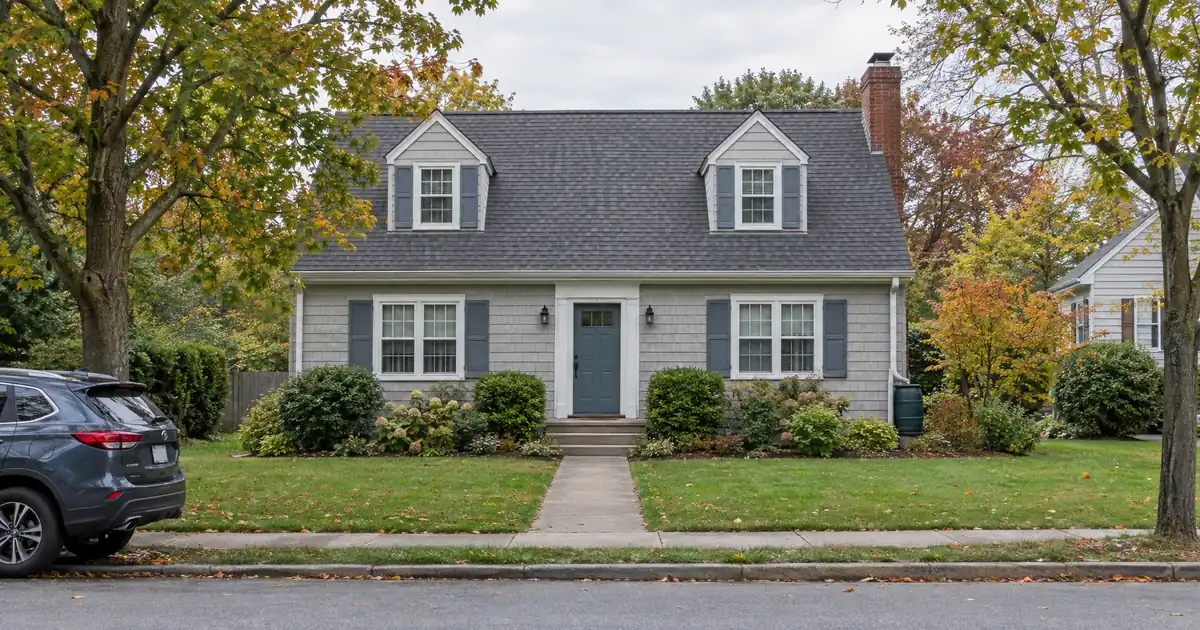
The Quick Read: A portfolio DSCR loan still requires its own appraisal on every property in the pool, because the lender needs a value for each house to set leverage and a market-rent opinion for each house to test coverage, and putting several rentals under one note changes the paperwork, not the valuation work. The savings come from fewer notes, fewer payments and one closing.
- Two jobs per report: value drives leverage, and the rent opinion drives coverage.
- One report per door: a blanket loan combines the notes, not the appraisals.
- Form follows property type: one-unit homes pair a full appraisal with a rent schedule, and 2-4 unit buildings use a small-income report with rent per unit.
- Lower of two rents: most programs count the lower of the signed lease and the appraiser’s market rent.
- Pooled test: coverage and leverage are measured across the whole pool, so one weak report can move every number.
Key Terms Defined
Portfolio DSCR loan. One note secured by several rentals. Blanket loan and cross-collateralized loan mean the same thing here. (A bank’s “portfolio loan,” meaning a loan the bank keeps on its own books, is a different use of the phrase.)
DSCR (debt service coverage ratio). The property’s rent divided by its full monthly obligation: principal, interest, taxes, insurance and any HOA dues, together called PITIA.
Rent schedule. An appraiser’s opinion of what a unit would rent for in the open market, based on comparable rentals.
Market rent. The rent the appraiser concludes, as opposed to the rent in a signed lease.
LTV (loan-to-value). The loan balance divided by the appraised value.
Allocation. The lender’s split of the single loan balance across the properties, using their appraised values.
Release. A lender’s agreement to free one property from the pool, usually after a paydown.
What the Appraisal Does in a Pool
The appraisal does two separate jobs, and a pool depends on both. The value sets leverage. The rent opinion sets coverage. Neither can be skipped without losing a test the lender must run.
On a single rental, those jobs are easy to see. The value determines how much loan the property supports at the program’s leverage cap. The rent opinion determines whether the income covers the payment.
In a pool, the same two numbers are collected from each house and added up. Leverage becomes total loan over total appraised value. Coverage becomes total rent over total PITIA. That is why the individual reports matter so much. They are the raw material for the pooled test.
One more point belongs here. Clearing a coverage floor is not the same as positive cash flow. The ratio compares rent to PITIA only. Repairs, vacancy, management, utilities and capital spending sit outside it.
Does Every House Really Need Its Own Appraisal?
Yes, plan on it. Across the wholesale network Lendmire works with, a pooled file carries one valuation and one rent opinion per property. A blanket loan removes duplicate notes, closings and monthly payments. It does not remove the per-property valuation.
This article goes further and shows what each report feeds into. For the full picture of how these loans work, see the complete DSCR loans guide.
Underwriters have good reasons for insisting on it. Each house is collateral. Each house produces rent. A lender cannot allocate a balance, test leverage or set release terms without a defensible value and rent for every door.
Which Form Goes With Which House
One-unit homes typically get a full appraisal plus a rent schedule. Buildings with two to four units get a small-income report that has the appraiser conclude a rent for each unit. DSCR files borrow these appraisal forms from the agency world, but the DSCR rules come from the lenders themselves.
Fannie Mae’s forms list names Form 1007 as the Single-Family Comparable Rent Schedule and Form 1025 as the Small Residential Income Property Appraisal Report. Those are the two forms you will hear about most.
| Property type | Typical report | Rent source |
|---|---|---|
| Single-family home | Full appraisal + 1007 | Lease or market rent |
| Townhome | Full appraisal + 1007 | Lease or market rent |
| Condo | Full appraisal + 1007 | Lease or market rent |
| 2-4 units | Form 1025 | Rent per unit |
| 5+ units | Income-style analysis | Rent roll and market rent |
McKissock, an appraisal-education provider, explains that Form 1007 documents the monthly market rent of comparable one-unit rentals, and that the lender owns the final income decision. That last part matters. The form gives an opinion. The lender decides how to use it.
Agency rules work differently. For conventional loans, Fannie Mae’s selling guide requires the 1007 only on a one-unit investment property where rental income is used to qualify. DSCR programs commonly adopt the form but set their own rules, so do not assume agency logic carries over.
How Per-Property Results Roll Into the Pooled Test
Each report feeds two pooled tests. Here is the sequence, start to finish.
1. Screening. The lender reviews the property schedule and the entity documents, and checks each house against program eligibility.
2. Ordering. One appraisal is ordered per door. Each returns a value and a rent opinion.
3. Rent selection. For each house, underwriting picks the rent used for lender review, usually the lower of lease and market rent.
4. Pooled coverage. Total rent used for lender review is divided by total PITIA across the pool. The 30-year portfolio DSCR loan, described below, uses a 1.00 floor measured on the pool.
5. Pooled leverage. Total loan is divided by total appraised value and compared with the structure’s ceiling.
6. Allocation. The loan balance is split across the houses by appraised value. This split drives any later release.
7. Locked set. The pool is tested as a specific group of properties. Change the group and every test changes with it.
Run the idea on three houses with similar payments. Two carry coverage near 1.25x and 1.15x. The third sits near 0.90x on its own. The pool lands around 1.10x, above the floor. A weak house can sit in a pool this way, though underwriting tests the pooled coverage, the leverage and the terms.
The reverse also happens. A soft rent opinion on one door pulls the pooled number down. A low value on one door raises pooled leverage. Both land on every property in the pool.
Two Portfolio Structures, Two Appraisal Footprints
Two portfolio structures sit in the network, and both rely on per-property reports. All figures are program ceilings and floors, not quotes, and sit subject to lender guidelines.
| Feature | 30-year portfolio DSCR loan | Rental portfolio term loan |
|---|---|---|
| Properties | 2 to 20 under one note | 5+ properties or units |
| Loan size | $300,000 to $5,000,000 | $500,000 to $50,000,000 |
| Leverage | Up to 80% on purchase and rate-and-term | Up to 75% of value |
| Pooled coverage | 1.00 floor | Reviewed on the pool |
| Terms | 30-year; fixed or adjustable | Fixed 3, 5, 7 or 10 years, balloon at maturity |
Larger balances on either structure go on review. Property types on both include single-family, 2-4 unit, condo and townhome. Small multifamily, meaning five or more units, is eligible only inside the rental portfolio term loan.
On the credit side, the portfolio programs typically want a 640 floor, and some structures ask for 680 or 720. Some structures also require a special-purpose entity, typically an LLC. Recourse loans carry a personal guarantee, while non-recourse term structures look to the real estate with carve-outs for items like fraud and bankruptcy.
Leased or Vacant: Which Rent Counts
Most programs use the lower of the signed lease and the appraiser’s market rent. A vacant or unleased property uses market rent alone. So a great lease cannot rescue a thin rent schedule, and a signed lease above market does not raise the coverage figure.
Every property still needs a lease or an appraiser-supported market rent. For leased houses, gather the lease, a payment ledger and a short list of unit facts. Those support the rent the appraiser will conclude.
Screen Each House Before You Order
Appraisal fees are spent per property, so a property that fails eligibility wastes money before the pool is even tested. Check these first:
- Occupancy: owner-occupied property is ineligible in the pool.
- Property class: co-ops, mixed-use and commercial property are not offered.
- Condition: deferred maintenance can hold up the report or the whole pool.
Manufactured homes (single- and double-wide), log homes and barndominiums are not offered on any of these programs.
Short-Term Rentals Inside a Pool
Form 1007 estimates long-term monthly rent. It cannot support short-term-rental income. HousingWire reports that agency policy leaders have been explicit on this and that the same logic applies in non-QM channels.
In practice, a lender may order a narrative income analysis, a 1007, or both. The lender decides how short-term income is counted. If one house in your pool runs as a short-term rental, expect extra documentation and ask early which analysis the lender wants.
Short-term rental rules can vary by city, county, HOA and property type, so investors should confirm local rules before relying on projected rental income.
Mixed Pools: Houses, Condos and Small Buildings Together
A mixed pool needs a different report for different doors. A single-family home gets a full appraisal and rent schedule. A condo does too, and condos add project-level review items on top. A duplex or fourplex gets the small-income report with rent per unit.
The pooled math does not care about form type. It adds values and rents. But a mixed pool has more moving parts, so more things can stall. One unusual property raises the odds that one report will come back late or surprising, and the pool waits for it.
When One Appraisal Comes in Low
A low value on one house raises pooled leverage and shifts every allocation. Lenders and borrowers usually have four options, and each trades something.
| Option | Effect on the pool |
|---|---|
| Remove the property | Pool shrinks; retest count and size rules |
| Add equity | Lowers leverage; ties up cash |
| Challenge the value | Needs comps; outcome not assured |
| Restructure the loan | Smaller balance; terms may adjust |
Removing a house is the cleanest fix when the pool still clears the minimum property count. Adding equity works when the value is fair but the leverage is tight. Challenging a value works only with strong comparable sales. A written fallback plan, agreed before ordering, avoids scrambling later. That matters most in partner buyouts, where a low report shrinks both the loan and the buyout price.
Ordering Logistics and Purchase Versus Refinance
Appraisals on occupied rentals mean tenant access. Interior inspections need notice, and vacant houses are simpler to schedule than leased ones. At pool scale, coordination is part of the job, and the whole file stays open until every report is in.
Purchase and refinance files treat valuation differently. On a refinance, leases or a rent schedule support the income. Leverage on the 30-year portfolio DSCR loan reaches up to 80% of value on purchase and rate-and-term. A cash-out on standard rentals never exceeds 75% of pooled value.
There is also a cost-basis rule for recently bought properties. Inside the first six months, the loan is also capped at 90% of total cost (purchase price plus documented improvements). From six to twelve months, the cap is 100% of total cost, and the leverage ceiling still applies, so the loan is the lower of the two. After twelve months, appraised value alone is the basis. A rate-and-term refinance is not subject to the cost-basis cap.
Release, Re-Test and the Cross-Default Question
Release terms follow the loan documents. Sell one house and the lender typically asks for a paydown tied to that property’s allocated balance. The release price runs above the allocated balance, so the last property left can end up at a very low LTV. The remaining pool must still cover its debt service.
Because the properties secure one loan, trouble at one house can reach the rest. Lendmire’s article How Cross-Default Reaches Every House on a Portfolio DSCR Loan explains that risk. Tax treatment varies; consult a qualified professional.
Check release language before signing. Separate loans keep each property free to sell, refinance or reposition on its own. A blanket gives that up in exchange for one note.
Cost: How Appraisal Spend Scales
Appraisal fees and effort scale with door count. Ten houses mean ten reports, ten title searches and ten insurance policies. Some lenders can get a bulk arrangement through their appraisal management company, but do not plan around a discount.
The real tradeoff is simple. A pool saves on notes, closings and ongoing payments, and it may shrink the number of lender touchpoints. It does not shrink valuation spend. Separate loans cost about the same in appraisals but keep each property independent.
Where the General Rule Bends
- Larger pools. On bigger balances, lenders may require a second appraisal or a review. Confirm requirements against the specific program.
- Five or more units. Small multifamily goes through the rental portfolio term loan with an income-style analysis.
- Forms are changing. NAMB, a trade association, says a single dynamic URAR report replaces the 1004, 1073, 1025 and other legacy variants for agency loans. How DSCR ordering adapts is lender-specific, so expect the names on your order to shift before the substance does.
- Large leases over market. The lower-of rule still applies.
- Weak doors. A property below 1.00 coverage can sit in the pool only if the pooled tests hold.
The Appraisal-Ready Package
Gather these for each house before ordering:
- Lease or a plan for market rent
- Payment ledger
- Payoff statement
- Entity documents
- Proof of insurance
- Reserve documentation, commonly around 6 months of PITIA, though reserves vary by lender, leverage and loan size
On the rental portfolio term loan, reserves are held for taxes, insurance and capital expenditures.
The Decision in Practice
Ask two questions. Does each house stand up alone on value and rent? And does the pool clear coverage and leverage together? If most doors are strong, a pool trims paperwork. If one door is shaky, separate loans may protect the rest.
Frequently Asked Questions
Can a portfolio DSCR loan skip the appraisals to save money?
No, expect an appraisal on every property. The lender must set a value and a rent for each door to test the pool. Blanket loans cut notes and closings, not valuation.
Which rent counts if my lease is higher than the appraiser’s number?
Most programs use the lower of the two. A lease above market does not raise the qualifying figure. A vacant house uses market rent alone.
Does a strong property cover for a weak one?
Pooled coverage lets stronger houses offset weaker ones. On the 30-year portfolio DSCR loan, the pool must clear a 1.00 floor. Leverage and terms are tested on the pool too.
Is Form 1007 enough for an Airbnb in my pool?
No. The 1007 estimates long-term rent, not nightly income. A lender may order a narrative income analysis, a 1007, or both.
What happens if one house appraises low?
Pooled leverage rises and allocations shift. Options include removing the house, adding equity, challenging the value or restructuring the balance.
Next Step
If you are buying or refinancing a rental property and want to see how the numbers work, Lendmire can help you compare DSCR loan options based on the property income, credit profile, leverage, and investor goals. Qualification runs primarily on property-level rental income covering the payment, subject to lender guidelines, and nothing here is a commitment to lend.
About Lendmire
Lendmire — NMLS# 2371349 — is a DSCR and non-QM mortgage brokerage with investor loan programs in 41 markets, including Washington, D.C. DSCR eligibility is commonly reviewed by the lender around property-level rent rather than personal income documentation, subject to lender guidelines, and the brokerage helps arrange financing for LLC-owned portfolios beyond conventional financed-property limits. Recognized by Scotsman Guide as a Top Mortgage Workplace in 2025 and 2026.
Get Started
Ready to find the right loan for you?
In about 30 seconds you can review financing options available for your investment property. No commitment required.
Informational only. Not a Loan Estimate, approval, or commitment to lend. Program availability and eligibility are subject to lender guidelines, credit approval, property review, and underwriting.
References
1. Fannie Mae Selling & Servicing Guide Forms
2. McKissock: Form 1007 and short-term rental appraisals
3. Fannie Mae Selling Guide B4-1.2-01
4. HousingWire: Short-term rentals and the appraisal playbook
This article is part of Lendmire’s DSCR loan program — full qualification details, guidelines, and scenarios live on the program page.
Related reading: DSCR Loan Requirements for a 2-4 Unit Residential Rental · Can a Ten-House Rental Pool Go Into One DSCR Loan Without Cash Out? · Portfolio DSCR Loan Appraisal Requirements for Low-Value Houses
Brandon Miller
Founder & CEO, Mortgage Loan Originator, Lendmire LLC
- Mortgage Loan Originator · NMLS# 1129696 · Verify on NMLS Consumer Access
- North Carolina Real Estate Broker · License# 343312 · Verify on NCREC
- North Carolina Insurance Producer · License# 19053198 · Property, Casualty, Life, Health · Verify on NAIC SBS
- Lendmire LLC · Firm NMLS# 2371349 · Verify firm licensure
Compliance and disclosures. Lendmire (NMLS# 2371349) is a licensed mortgage broker and is not a direct lender, depository institution, financial advisor, or tax professional. Content in this article is general market analysis and educational information — not financial, legal, or tax advice for any specific situation. Lendmire does not guarantee loan approval; every transaction is subject to underwriting by the funding lender. Mortgage pricing and loan program guidelines are subject to change at any time without notice and vary by borrower characteristics, property type, and state regulations. Lendmire complies with Equal Housing Opportunity. Licensure verification: NMLS Consumer Access.