
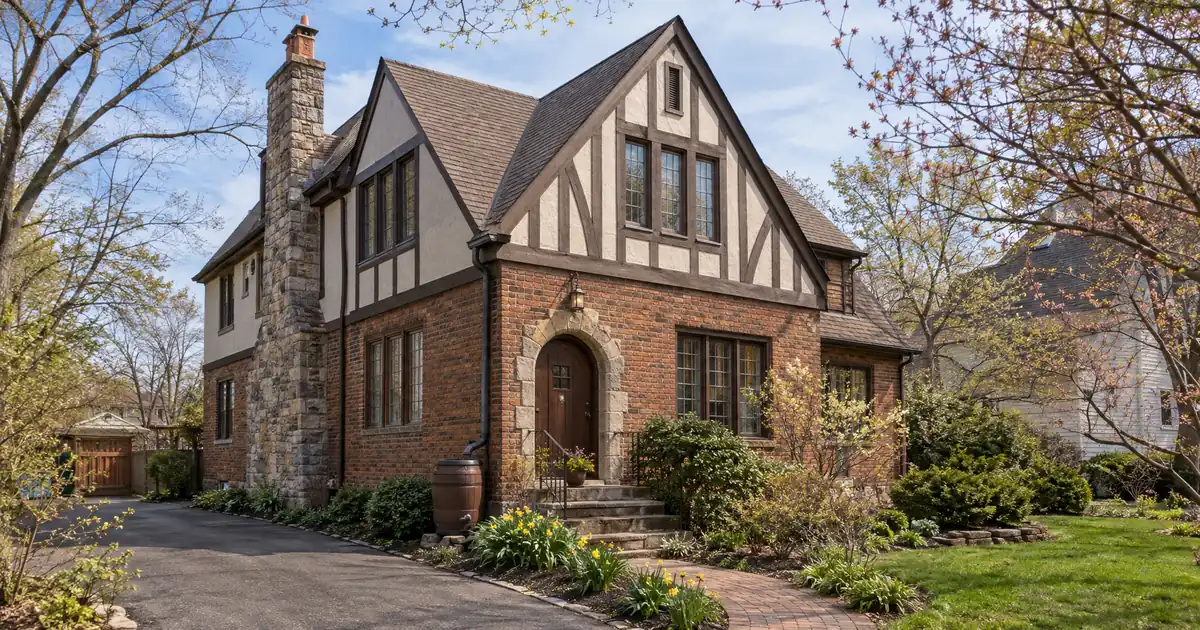
The Quick Read: Each rental in a portfolio DSCR loan is still appraised on its own for value and market rent, and the pool is then tested together. Putting every house in one subdivision does not merge the appraisals. It changes how comps are chosen, how risk is viewed, and how association items show up in the numbers.
- One note secured by several rentals is a collateral structure. It does not cut the number of valuations.
- Appraised value drives leverage on each property. Market rent drives the coverage number.
- Same-subdivision homes may share comps, but each house keeps its own condition and rent opinion.
- A shared subdivision concentrates risk. A local shock hits every property at once.
- Eligibility, leverage, and reserves depend on lender guidelines and the file.
No published guideline sets a special same-subdivision appraisal rule for DSCR portfolio loans. What follows is how the pieces fit together: how blanket loans work, how appraisers pick comps, and how rent schedules feed coverage. Where this article reasons beyond a documented practice, it says so.
DSCR Calculator
Run the numbers in your market
Rate source: Freddie Mac 30-yr average via FRED® — Federal Reserve Bank of St. Louis · effective Oct 15, 2026
Prefilled with starting assumptions — enter your own rent or nightly figures, taxes, insurance, and HOA for a more accurate picture.
Program parameters update from Lendmire’s centralized guideline source. Taxes and insurance are editable estimates.
As of Oct 15, 2026 · General Freddie Mac market benchmark, not a Lendmire loan offer. Rent, nightly rate, occupancy, taxes, and insurance are editable estimates. Short-term rental figures are estimates only and vary significantly by season, property type, management approach, and local short-term-rental rules — confirm local regulations before relying on them. Qualifying income for short-term rentals varies by program — some use appraisal market rent, others use documented STR history or projections — and is confirmed in underwriting. Not a Loan Estimate, approval, or commitment to lend. Program availability and eligibility are subject to lender guidelines, credit approval, property review, and underwriting.
Why Does Each Rental Still Get Its Own Appraisal?
Yes. A blanket loan is one note with liens on several properties, often called cross-collateralized. That changes how the debt is secured. It does not remove the need to establish what each property is worth.
Across the wholesale network, the value of each property sets its share of the loan. Purchase price, tax assessment, or the investor’s own estimate does not stand in for it. A low value on one house lowers the loan amount that house can support, and release terms are built off those allocated amounts.
A five-property pool generally means five appraisals. That is the most common misconception on these files: one loan does not mean one report.
What Does Each Appraisal Have to Establish?
Two things: value and market rent. Value feeds leverage. Market rent feeds the coverage test. The report type depends on the property.
| Property type | Typical report form | What it documents |
|---|---|---|
| Single-family | Form 1004 plus rent schedule (1007) | Value and market rent |
| 2-4 unit | Form 1025 | Value and rent from comparables |
| Condo | Form 1073 | Unit value, plus project review |
These are agency form names, listed on Fannie Mae’s forms page. DSCR loans are not agency products. Non-agency lenders borrow the formats because they are a familiar way to document rent and value. For contrast, the Fannie Mae Selling Guide requires the 1007 only on a one-unit investment property where the borrower uses rental income to qualify. DSCR lenders set their own rules, and the network’s guidelines control here.
How Is Coverage Tested on the Pool?
Pooled coverage is total rent divided by total PITIA, which means principal, interest, taxes, insurance, and association dues. Strong properties can offset weak ones inside the pool. Picture one rental sitting near 1.6x and another near 1.0x. Pooled, the two land around 1.3x.
That offset only works within a lender’s guidelines. Most programs we place files with start at a 1.00 floor on the file, and stronger ratios open better pricing and leverage. A separate select-lender path takes coverage below 1.00, with leverage and terms adjusted. Clearing 1.00 also does not mean positive cash flow. Repairs, vacancy, management, utilities, and capex sit outside the calculation.
Which rent counts matters too. Many lenders credit the lower of the lease rent and the appraiser’s market rent. An investor’s own estimate does not set the number. A low rent opinion lowers pooled coverage, and a figure below what the deal was modeled on can break the file.
What Changes When Every Rental Is in One Subdivision?
Comp selection changes most. This is mechanics, not a program rule. Comps may come from outside the market area if the report explains why. A practicing appraiser’s comparable guidelines say the same: the same neighborhood or subdivision comes first where possible.
In practice, a same-subdivision pool looks like this:
- Several reports may draw on overlapping comps from the same streets.
- Similar floor plans can make each value easier to defend.
- No report is skipped. Condition, size, and rent opinion are still per house.
Sharing comps does not mean sharing an appraisal.
New builds and new phases add a wrinkle. Where no sale or contract sale exists yet in the subdivision, outside comps may be used, and the report must comment on marketability and justify them.
Here is reasoning, not a sourced rule: a pool in one subdivision concentrates risk. A local shock, a builder dumping inventory, or an association problem reaches every property together. Lenders in the network weigh that, and the strictest overlays on concentration want more cushion in the numbers. Expect questions on it.
| Single-subdivision factor | Why it matters | Practical mitigation |
|---|---|---|
| Overlapping comps | One weak sale can pull several values | Ask that sale conditions be reviewed |
| Shared association | Dues enter PITIA for every unit | Collect dues and rental-restriction documents early |
| Builder inventory | New listings can pressure values | Note any phase still selling |
| Concentrated exposure | One shock hits the whole pool | Hold stronger coverage or lower leverage |
What Does an Association Do to the Numbers?
Dues count in PITIA, so a subdivision-wide association moves the coverage number on every house at once. A rental cap or leasing restriction can matter more than the dues. Pull the governing documents before ordering reports, because an association rule that limits leasing is a property-eligibility issue, not an appraisal issue. Questionnaire completeness is a common reason a condo or planned-community file stalls.
How Does Ordering Work, and Where Do Files Stall?
The lender or its management company orders the reports, and the cost scales with property count. Ask for the report type per property before paying. The main friction is parallel files: when one report is late or comes in low, the pool waits on it. Clean leases, access arrangements, and entity documents ready on every property keep one house from holding up the rest.
Eligibility and entity rules vary by program.
What Happens When One Appraisal Comes In Low?
Run the numbers on a five-house pool at 75% LTV on a cash-out. If one house appraises light, its allocated loan amount drops, and the pool either takes less cash out or the investor brings more equity. If that house also carries a lower rent opinion, pooled coverage slips with it. Final terms depend on lender guidelines, property type, leverage, and the borrower’s complete credit picture.
Options an investor can weigh:
1. Request appraisal reconsideration. Submit recent same-subdivision sales and condition adjustments the appraiser did not have. A packet with objective corrections works better than a complaint.
2. Pull the property from the pool. The remaining houses may carry the file alone.
3. Hold leverage lower. Less leverage can offset a thin coverage number, within lender guidelines.
A larger down payment or more equity can lift the coverage number and lower the monthly obligation. It never erases leverage caps, credit floors, reserve rules, or property eligibility. The strongest files clear both tests: enough equity and enough rental coverage. For the broader picture, see Lendmire’s complete DSCR loans guide.
DSCR vs. conventional financing
There are two common ways to finance an investment property, and they qualify you differently — here’s how investors weigh them.
Why investors choose it
- Qualifies on the property’s rental income — no personal tax returns, W-2s, or pay stubs needed to document income.
- No personal debt-to-income ceiling to clear, so existing mortgages and obligations don’t cap your borrowing the same way.
- Can be closed in an LLC, keeping the property inside a business entity.
- Built for scaling — not held to the limit on number of financed properties that conventional financing applies.
- Underwriting centers on the deal: generally qualifies when the rent covers the payment, a 1.00x coverage ratio being a common baseline (confirmed in underwriting).
- Designed specifically for investment property, including long-term and, where the program allows, short-term rentals.
Where it’s strong
- Often the lowest ongoing financing cost for a buyer who fully qualifies on personal income — a fit for a first property or a cost-first purchase.
Trade-offs for investors
- Requires full personal income documentation and must fit within a debt-to-income limit — salary, existing debts, and other mortgages all count.
- Typically held in your personal name rather than a business entity.
- Caps how many financed properties you can carry, which can become a ceiling as a portfolio grows.
- Evaluates you as a borrower as much as the property, which usually means more paperwork.
How investors usually choose: a first or single property often optimizes for the lowest financing cost; portfolio builders often optimize for leverage, vesting in an LLC, and scaling past conventional caps. The right answer depends on your goals, the property, and current guidelines — both paths run through select lenders in Lendmire’s wholesale network, with eligibility and terms confirmed in underwriting.
Where the General Rule Breaks
- Mixed property types. A single-family home, a 2-4 unit, and a condo need different reports. McKissock explains the split between the 1007 and 1025.
- Short-term rentals. The 1007 documents monthly market rent. Appraisers cannot multiply a nightly rate by 30, and the lender weighs the report against other income evidence. Across the network, STR purchases reach 75% LTV, refinances sit around 70%, and cash-out is 70%, typically with a 640+ score and about 12 months of hosting history. Short-term rental rules vary by city, county, HOA, and property type, so confirm local rules before relying on projected income.
- Very low-value properties. Small balances route through select lenders and can be harder to place in a pool.
- Ineligible property types. Manufactured homes, log homes, and barndominiums are not offered in the network’s DSCR programs.
- Cross-collateral risk. A default on one property can put the others at risk, so consider whether separate loans protect a small pool better.
One Pooled Loan or Separate Loans?
| Factor | One pooled loan | Separate loans |
|---|---|---|
| Appraisals | One per property, ordered together | One per property, on separate files |
| Coverage test | Pooled, so strong offsets weak | Each property stands alone |
| Selling one house | Depends on release clause | Clean sale |
| Cross-collateral risk | Present | None |
| Paperwork volume | One file, one closing | Several files |
Most DSCR loans are one note per property. Blanket is an option, not the default. For a same-subdivision pool, separate notes can make sense if one house has weak coverage. Lendmire’s piece One Subdivision vs Multi-Market Rentals on a DSCR Portfolio Loan goes deeper on that tradeoff, and the article Can One or Two Weak Rentals Stay in a Portfolio DSCR Loan? covers the weak-link problem.
Network Parameters to Keep in Mind
On most files, purchase leverage lands at 75%-80% LTV, and cash-out tops out around 75% LTV on standard rentals. Credit floors start at 620 in parts of the network, most programs want about 660, and 700+ unlocks the strongest tiers. Standard loan sizes run up to $3,000,000. Reserves are commonly about 6 months of PITIA, stepping up to about 9 months above $1,500,000. All of this is subject to lender guidelines, and each file is underwritten individually.
Key Terms Defined
Blanket loan: One note secured by liens on more than one property.
Pooled coverage: Total rent across the properties divided by their total PITIA.
Cross-collateralization: Each property backs the whole debt, not just its own share.
Allocated amount: The part of the loan assigned to one property based on its appraised value.
Release clause: The loan term that sets what it takes to free one property from the lien.
Market rent: The appraiser’s opinion of what a similar rental would lease for.
PITIA: Principal, interest, taxes, insurance, and association dues.
Frequently Asked Questions
Does a same-subdivision pool need only one appraisal?
No. Each house is valued and given a rent opinion separately.
Do appraisal forms come from Fannie Mae for DSCR loans?
The form names do, but DSCR loans are not agency loans. Lenders borrow the formats as a standard way to document value and rent. Which report a file needs is set by the lender.
What if the lease rent is higher than the appraiser’s market rent?
Many lenders credit the lower of the two. A lease above market rent can lift the number less than expected.
Can a weak property be offset by a strong one?
Within a pooled test, yes, inside the lender’s guidelines. A low value or low rent still cuts that property’s contribution.
Is a pooled loan better than separate loans for a small pool?
It depends on the release terms, the coverage spread, and cross-collateral risk. Separate loans can protect a small pool better.
If you are buying or refinancing a rental property and want to see how the numbers work, Lendmire can help you compare DSCR loan options based on the property income, credit profile, leverage, and investor goals. Lendmire is a broker arranging DSCR financing through select lenders in its wholesale network, 41 markets including Washington, D.C. This is not a commitment to lend. Tax treatment varies; consult a qualified professional.
About Lendmire
Lendmire is a non-QM mortgage brokerage (NMLS# 2371349) arranging DSCR investor loans in 41 markets, including Washington, D.C., through wholesale and investor-lending channels. DSCR loans are evaluated by the lender on rental income rather than personal income, subject to lender guidelines — a fit for LLC-owned portfolios, self-employed investors, and operators scaling beyond conventional loan caps. Recognized as a Scotsman Guide Top Mortgage Workplace in 2025 and 2026.
Get Started
Ready to find the right loan for you?
In about 30 seconds you can review financing options available for your investment property. No commitment required.
Informational only. Not a Loan Estimate, approval, or commitment to lend. Program availability and eligibility are subject to lender guidelines, credit approval, property review, and underwriting.
References
1. Fannie Mae Selling & Servicing Guide Forms
2. Fannie Mae Selling Guide B4-1.2-01
3. Birmingham Appraisal Blog, Comparable Guidelines
4. McKissock, Form 1007 and Short-Term Rental Appraisals
This article is part of Lendmire’s DSCR loan program — full qualification details, guidelines, and scenarios live on the program page.
Related reading: DSCR Seller-Carry Second Requirements for a Purchase · Portfolio DSCR Loan Closing Costs and Seller Credits on Rentals · DSCR Reassessment Requirements for a California Rental Purchase
Brandon Miller
Founder & CEO, Mortgage Loan Originator, Lendmire LLC
- Mortgage Loan Originator · NMLS# 1129696 · Verify on NMLS Consumer Access
- North Carolina Real Estate Broker · License# 343312 · Verify on NCREC
- North Carolina Insurance Producer · License# 19053198 · Property, Casualty, Life, Health · Verify on NAIC SBS
- Lendmire LLC · Firm NMLS# 2371349 · Verify firm licensure
Disclosure information. Lendmire is a state-licensed mortgage brokerage under NMLS# 2371349. Lendmire is not a depository institution, direct lender, or financial advisor — all loans referenced are placed through wholesale lender partners and are subject to each lender's underwriting standards. This article is provided for general informational purposes and is not a commitment to lend, nor does it constitute financial, legal, or tax advice. Loan programs, terms, rates, and qualification standards change without notice and depend on borrower profile, property type, and the state in which the subject property is located. Equal Housing Opportunity provider. NMLS Consumer Access: nmlsconsumeraccess.org.