
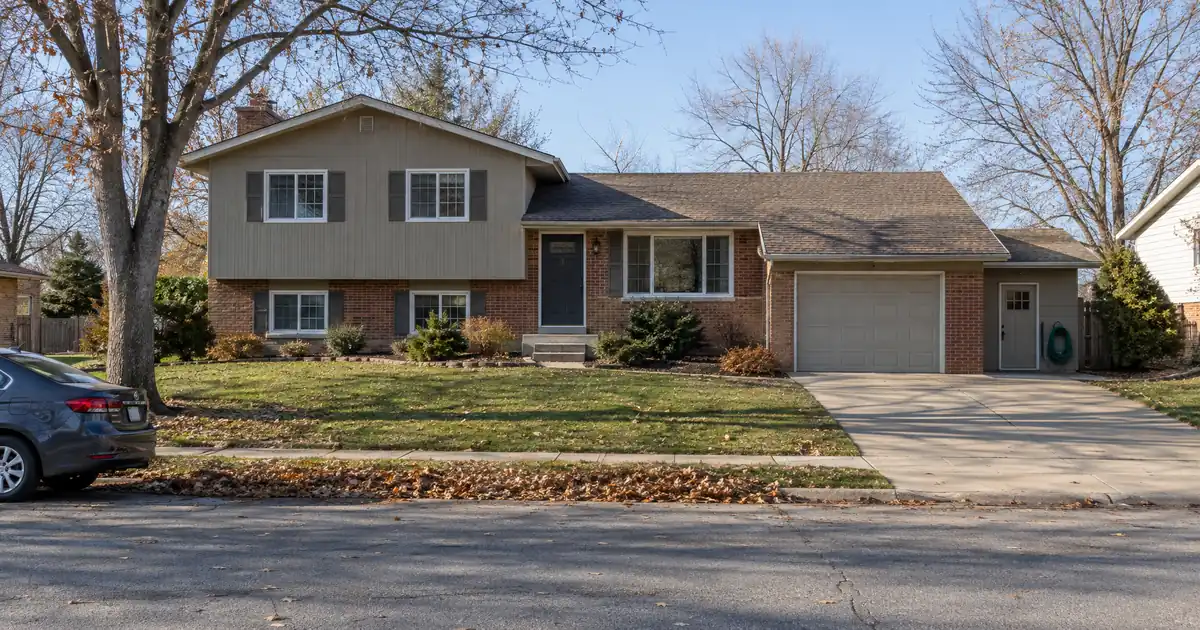
The Quick Read: It depends on three tests that must pass together: the old rental must still cover its own, larger payment after the refinance, the next rental must work on its own numbers, and the cash-out proceeds must actually reach the purchase, with enough left over for reserves. You trade some monthly cash flow on the first property for the down payment on the second. The move pays off only if the second property earns back what the first one gives up.
- Cash-out loans on standard rentals top out at 75% LTV across most of the network, so equity alone does not set your cash.
- Rent coverage is retested on the new, bigger balance, and the lower of the value test and the rent test wins.
- Your next purchase is a separate loan file with its own leverage, credit and reserve requirements.
- Passing the coverage test is not the same as earning positive cash flow. These specifics are subject to lender guidelines and a full review of property, leverage, and credit.
How Does the Loop Actually Work?
You refinance a rental you already own into a larger loan. The new loan pays off the old one, closing costs come out of the proceeds, and the difference reaches you as cash. That cash becomes the down payment on a second property. The first property stays in your portfolio and keeps renting.
DSCR Cash-Out Calculator
Run the cash-out numbers in your market
Rate source: Freddie Mac 30-yr average via FRED® — Federal Reserve Bank of St. Louis · effective Oct 15, 2026
Prefilled with starting assumptions — enter your property’s value, balance, taxes, and insurance for a more accurate picture.
Program parameters update from Lendmire’s centralized guideline source. Taxes and insurance are editable estimates.
As of Oct 15, 2026 · General Freddie Mac market benchmark, not a Lendmire loan offer. Property value, balance, taxes, and insurance are editable estimates. Maximum loan-to-value varies by lender, program, property type, and seasoning. Not a Loan Estimate, approval, or commitment to lend. Program availability and eligibility are subject to lender guidelines, credit approval, property review, and underwriting.
Landlord Studio walks through the same arithmetic: new loan, minus the old payoff, minus costs, equals cash in hand. The part it can’t show is the one that matters for you. You end up with two loans, two sets of taxes and insurance, and two sets of reserves to fund.
Brokers usually describe the mechanics as two separate files. The refinance is underwritten on the old property, using its value and its rent. The purchase is underwritten on the new property, using its price and its projected rent. One can pass while the other struggles, so you should size both before you commit to either.
How Much Cash Can You Actually Pull?
You can pull the lesser of what your equity allows and what your rent supports. Most people only run the first calculation. A DSCR cash-out loan applies two gates, and whichever result is lower sets your loan size.
| Gate | What it checks | What limits you |
|---|---|---|
| Value test | Loan size against appraised value | 75% LTV ceiling on standard rentals |
| Rent test | rent used for lender review against the full monthly obligation | Coverage floor, which varies by program |
| Reserves | Liquid cash after closing | Commonly about 6 months of PITIA |
Here is a quick definition before the example. DSCR is the debt service coverage ratio: rent used for lender review divided by PITIA. PITIA means principal, interest, taxes, insurance and any association dues. Because the loan gets bigger, principal and interest rise, while taxes and insurance stay put. Coverage therefore falls as you borrow more.
A modeled file shows the pattern. Coverage might sit near 1.19x at 60% LTV and slide to about 1.00x at 75% LTV on the same property. That is an illustration, not a quote. It shows why borrowing the maximum on paper can leave you with a thin cushion on the property you are borrowing against. Terms depend on the lender’s guidelines, the property type, the leverage, and a full review of the credit profile.
Now the equity side, in percentages. Say a rental has a loan balance equal to 45% of its appraised value. A cash-out loan at the 75% ceiling frees up equity equal to roughly 30% of that value, before closing costs. If the next rental costs about the same as the first one is worth, you need 20%-25% down on a purchase on most files, and a select high-leverage program reaches 85% LTV (15% down) with roughly a 700+ score. So 30% covers the down payment with only a small cushion for closing costs on both loans and for reserves. Many investors add savings or a partner’s money to close that gap.
Short-term rentals run tighter. Cash-out on a short-term rental tops out at 70% LTV, versus 75% for a standard rental, and these programs expect about 12 months of hosting history and a 640+ score. Short-term rental rules can vary by city, county, HOA, and property type, so investors should confirm local rules before relying on projected rental income. The exact numbers vary by lender and program and follow a full review of property, leverage, and credit.
What Happens to Cash Flow on Both Properties?
The first property’s cash flow drops the day the new loan funds, and that is the number most investors underestimate. A bigger balance means a bigger payment on the same rent. The second property has to make up the difference and then add something on top.
Run a before-and-after comparison in four steps:
1. Write down Property A’s monthly cash flow today, after real expenses.
2. Estimate how much it falls once the larger loan is in place.
3. Estimate Property B’s monthly cash flow after vacancy, repairs, management and utilities.
4. Subtract Property A’s loss from Property B’s gain.
If the result is only slightly positive, you took on a second property, a larger balance, and double the maintenance exposure for very little extra income. If the result is clearly positive, the loop is doing its job. The same logic holds for any size of portfolio, and the decision comes down to the deal in front of you rather than the strategy label.
Watch the gap in time, too. Property B produces no rent until it is acquired, repaired if needed, and leased. During that stretch you carry both payments from reserves.
Does Passing the DSCR Test Mean It Is a Good Deal?
No. DSCR compares rent to PITIA and nothing else. Repairs, vacancy, management fees, utilities and capital expenses sit outside the calculation. A property can clear the ratio a lender needs and still leave you with thin real cash flow after those costs.
Treat the coverage number as the entry ticket and your own expense budget as the actual test. The strongest files clear both: enough equity and enough rental coverage to satisfy the lender, plus enough margin after real expenses to satisfy you.
Tax treatment can depend on how the funds are used and how the property is held; investors should keep clear records and speak with a qualified tax professional before relying on any deduction. For a starting point on how the IRS treats rental interest, see IRS Publication 527.
What Do Lenders Check on Each File?
Most programs in the network review the refinance and the purchase separately, and each file has its own checklist. DSCR loans are designed for non-owner-occupied investment properties. Because they are business-purpose investor loans, they are reviewed differently from a standard owner-occupied mortgage.
On the refinance:
- Seasoning. About 6 months of ownership is the common expectation, measured from the recorded deed. Seasoning is the waiting period between buying a property and borrowing against its value. It is lender policy, not law. Inside that window, the loan is generally sized on your cost basis rather than the appraised value.
- Credit. A 620 floor exists in parts of the network, and most programs want around 660. A 700+ score unlocks the strongest leverage tiers.
- Reserves. Reserves are liquid funds the lender wants you to hold after closing. They are commonly around 6 months of PITIA. They vary by lender, leverage, loan size and transaction type, and loans above $1,500,000 typically step up to about 9 months.
On the purchase:
- Leverage. Most files land at 75%-80% LTV on a purchase, meaning 20%-25% down.
- Coverage. The market-rent figure on the new property must support the payment. A 1.00 coverage ratio is where many select programs start, while a separate select-lender path takes coverage below 1.00 with leverage and terms adjusted. Stronger ratios open better pricing and leverage.
- Reserves. Reserves apply to the new loan too, so you need liquid cash for both properties.
- Property type. Manufactured homes, log homes and barndominiums are not offered in the network’s DSCR programs.
Loan sizes run up to $3,000,000 on standard programs, and above $2,500,000 the network generally holds to 30-year fixed structures. Extended terms and interest-only periods are available through select lenders, and ARM structures exist for investors who want them.
What About Recently Purchased Properties?
A recent purchase changes how the loan is sized, and sometimes whether cash-out is available at all. Inside the seasoning window, a lender generally works from what you paid and invested, not from an appraisal that came in higher. That can shrink your proceeds a lot if you bought below market and fixed the place up.
Delayed financing is the exception for all-cash buyers. If you paid cash for a property, a lender may let you recover your documented cost without waiting out the full seasoning period. Proceeds are capped near that documented cost, so it returns your money rather than unlocking extra equity. Stessa describes the same concept in general terms.
A rate-and-term refinance (no cash back at closing) is generally less sensitive to seasoning. On an investment property, that product can go up to 85% LTV, but it returns no cash, so it does not fund your next purchase. If a refinance returns cash, it is a cash-out loan, and the 75% ceiling on standard rentals applies.
What Are the Costs and Trade-Offs?
The costs go beyond closing fees. Stessa notes that investment-property refinances may carry higher fees and lower LTVs than owner-occupied ones, and you should price that into the plan. Beyond fees, you give up some equity cushion, because a higher balance leaves less room if values fall. You also restart the loan clock, and you lose whatever terms your old loan carried.
Prepayment terms matter too. If the new loan carries a prepayment period, plan to hold it past that window, and ask for the actual terms before you commit. Those terms come from the lender’s guidelines on your file.
The biggest cost is risk. You are stacking debt across more properties, and each loan is secured by its own property. If one rental sits empty for a few months, reserves have to carry both loans.
When Does It Make Sense, and When Doesn’t It?
It makes sense when the numbers hold up after the refinance and after the purchase. It stops making sense when you need the cash to rescue a thin deal. This table sorts a few investor profiles.
| Situation | Usually makes sense? | Why |
|---|---|---|
| Property A keeps healthy coverage after the new loan | Yes | The source property stays solid |
| Property B clearly out-earns Property A’s lost cash flow | Yes | Net portfolio cash flow rises |
| Coverage lands right at the program floor | Caution | One vacancy can break the file |
| Planning to sell Property A soon | Rarely | Costs and a reset loan clock work against you |
| Proceeds would cover only part of the down payment | Depends | Needs savings or a partner to close the gap |
Honestly, the middle row is the hard call. A file that technically clears the floor can still be a poor plan, because the lender’s test looks at rent and payment, while your reality includes repairs and empty months.
How Does This Compare to Other Ways to Fund the Down Payment?
Cash-out is one route among several, and the right one depends on how much equity you have and how much cash flow you can spare. Here is how the main options compare.
| Option | What you give up | Best fit |
|---|---|---|
| Cash-out refinance on Property A | Cash flow and equity cushion | Strong coverage and plenty of equity |
| Rate-and-term refinance, then save | No cash back at closing | Lowering the payment before buying |
| Purchase loan with savings only | Slower portfolio growth | Investors with ample liquid cash |
| Partner capital on the purchase | Share of ownership and returns | Investors short on liquid cash |
Lendmire’s piece Cash-Out Refinance and Stay vs Sell to Buy a Rental or Second Home covers the alternative of selling instead of borrowing.
Does This Work if You Are Self-Employed?
Yes, often better than with a conventional refinance. DSCR loans qualify primarily on property-level rental income covering the payment, subject to lender guidelines, so traditional personal-income documentation and personal income documents play a smaller role. That helps self-employed investors and anyone already carrying many financed properties. Lendmire’s piece Can a Self-Employed Homeowner Cash-Out Refinance to Buy a Rental? goes deeper on that profile.
Key Terms Defined
Cash-out refinance: a new, larger loan that pays off the old one and returns the difference to you as cash.
LTV (loan-to-value): the loan balance divided by the property’s value, expressed as a percentage.
DSCR (debt service coverage ratio): qualifying monthly rent divided by the full monthly obligation.
PITIA: principal, interest, taxes, insurance and any association dues, the full monthly obligation.
Seasoning: the waiting period a lender wants between buying a property and borrowing against its value.
Reserves: liquid funds you hold after closing, usually measured in months of PITIA.
A Practical Step-by-Step Checklist
1. Run the before-and-after cash flow for both properties, including repairs, vacancy and management.
2. Check Property A’s coverage at several LTV levels, not only the maximum.
3. Confirm that seasoning is met, and know whether the loan will be sized on cost or on value.
4. Add up reserves for both properties, plus closing costs on both loans.
5. Line up the purchase financing before you refinance, so the proceeds have a destination.
6. Keep the cash-out proceeds in a separate account so you can show where they went.
The sixth step helps with your records and with any later conversation with your tax professional.
If you are buying or refinancing a rental property and want to see how the numbers work, Lendmire can help you compare DSCR loan options based on the property income, credit profile, leverage, and investor goals. As a broker, Lendmire arranges these loans through select lenders in its wholesale network across 41 markets, including Washington, D.C. The complete DSCR loans guide explains the full process, and the calculator on this page gives an illustrative estimate you can edit. Programs change, every file is underwritten individually, and nothing here is a commitment to lend.
Frequently Asked Questions
Can I use the cash-out proceeds for any purpose?
Generally yes, because a business-purpose loan on a rental does not restrict how you spend the cash. The practical limit is on the lender’s side: proceeds are sized by value and by rent coverage. Keep the funds traceable so your records show where they went.
How long must I own the rental before I can cash out?
About 6 months of ownership, measured from the recorded deed, is the common expectation across the network. Inside that window, the loan is generally sized on cost basis rather than appraised value. Seasoning is lender policy, so the exact period can vary by program.
Can one refinance cover the whole purchase?
Rarely. Cash-out on standard rentals tops out at 75% LTV, and closing costs come out of the proceeds. A purchase needs 20%-25% down on most files and also needs reserves. Most investors add savings or a partner’s money.
What if the purchase falls through after I refinance?
You are left with the larger loan and the lower cash flow on Property A, without the second property to offset it. The cash can sit in reserves, but you are paying for it every month. Line up the purchase financing before refinancing so the proceeds have a clear destination.
Does this work for an LLC-held or short-term rental?
Both can work, subject to lender program eligibility. For short-term rentals, cash-out runs lower, at 70% LTV against 75% on standard rentals. Hosting history and local rules also come into play. Final terms depend on the lender’s guidelines, the property type, and the borrower’s complete credit picture.
For the mechanics of pulling equity out of a rental property, see Lendmire’s guide to cash-out refinance on an investment property.
About Lendmire
Lendmire (NMLS# 2371349) is a DSCR-focused mortgage broker that helps arrange investor financing across 41 markets, including Washington, D.C., through wholesale and investor-lending channels. DSCR eligibility is generally reviewed by the lender around the property’s rental income rather than personal income documentation, subject to lender guidelines — which works for self-employed investors, LLC operators, and portfolios above four financed properties. Scotsman Guide named Lendmire a Top Mortgage Workplace in both 2025 and 2026.
Get Started
Ready to find the right loan for you?
In about 30 seconds you can review financing options available for your investment property. No commitment required.
Informational only. Not a Loan Estimate, approval, or commitment to lend. Program availability and eligibility are subject to lender guidelines, credit approval, property review, and underwriting.
References
1. Landlord Studio: Cash-Out Refinance
3. Stessa: Cash-Out Refinance on a Rental Property
This article is part of Lendmire’s investment property cash-out refinance program — full qualification details, guidelines, and scenarios live on the program page.
Related reading: How to Document a DSCR Cash-Out on a Trust-Held Rental · Short-Term Rental DSCR Loan to Buy Out Siblings or a Partner · Can You Use a Super Jumbo DSCR Cash-Out for the Next Acquisition?
Brandon Miller
Founder & CEO, Mortgage Loan Originator, Lendmire LLC
- Mortgage Loan Originator · NMLS# 1129696 · Verify on NMLS Consumer Access
- North Carolina Real Estate Broker · License# 343312 · Verify on NCREC
- North Carolina Insurance Producer · License# 19053198 · Property, Casualty, Life, Health · Verify on NAIC SBS
- Lendmire LLC · Firm NMLS# 2371349 · Verify firm licensure
Disclosures. The information presented in this article is general market commentary, not financial, legal, or tax advice. Lendmire is a mortgage brokerage (NMLS# 2371349) — not a direct lender or depository institution — and loan placement is subject to lender underwriting. Nothing in this content represents a commitment to lend. Loan terms, pricing, and program availability vary based on borrower qualifications, property characteristics, and state of subject property, and are subject to change at any time. Lendmire complies with Equal Housing Opportunity requirements. Consumer access: nmlsconsumeraccess.org.