
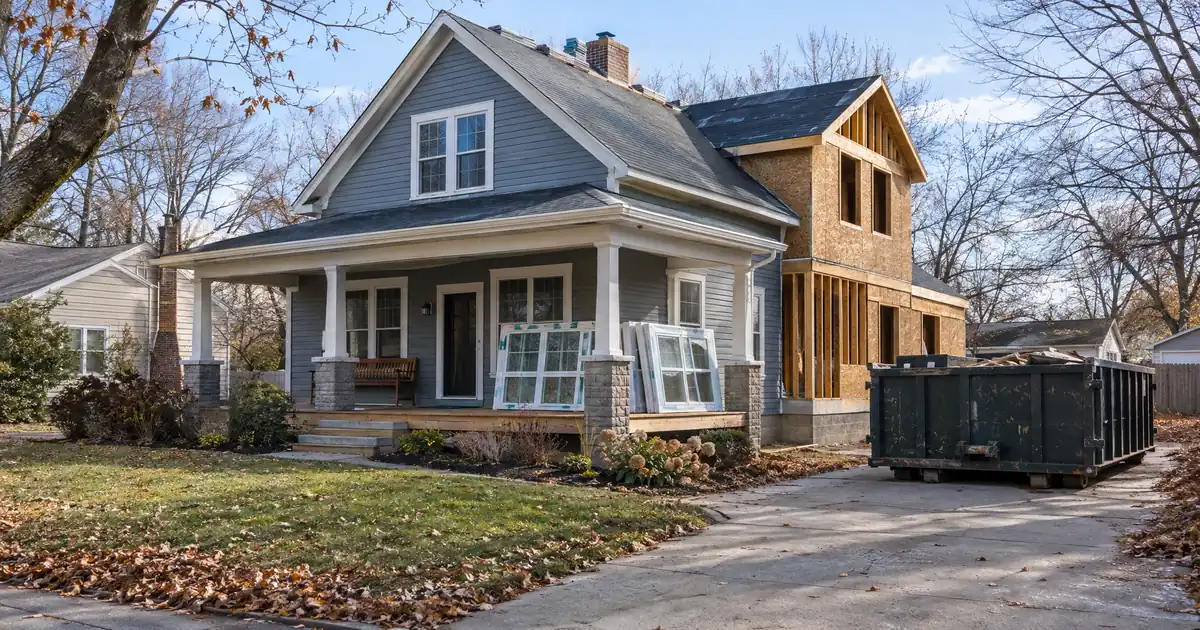
The Quick Read: Yes, you can use a hard money loan to buy and flip a house. The loan is short-term, interest-only, and secured by the property. It typically funds the purchase at closing, then releases rehab money in draws as finished work passes inspection.
- Leverage is measured against project cost. It runs 85% of project cost with fewer than 2 completed projects, 90% at 2 or more, and 93% at 5 or more. Every tier is capped at 75% of after-repair value. This varies by lender, property, and experience.
- Terms run 6 to 18 months. Payments are interest-only.
- You still bring cash. Expect a down payment, closing costs, and carrying costs. You also front each phase of rehab work before the draw reimburses you.
- The property must be non-owner-occupied residential, 1 to 4 units. A 620 credit score is the minimum, with extra conditions below 660.
- Plan your exit before you buy. You repay by selling, or by refinancing into long-term rental financing, which qualifies primarily on property-level rental income covering the payment, subject to lender guidelines.
What Does a Hard Money Loan Fund on a Flip?
A hard money loan funds the purchase and, through draws, the renovation. The lender underwrites the deal itself: the property, your rehab plan, and how you will repay the loan. That is the opposite of a bank mortgage, which starts with your paychecks, debts, and credit history.
What this loan actually costs to carry.
Hard money is sized against the project and priced by time. Enter the deal and see how much the program will lend, the cash required at closing, the carry while you hold it, and what is left at the exit.
Leverage tiers on the current program: 85% with fewer than 2, 90% with 2 or more, 93% with 5 or more completed projects — every tier capped at 75% of after-repair value. Loan amounts up to $5,000,000, larger by exception; terms of 6 to 18 months, interest-only, no prepayment penalty. The rehab portion funds in draws against completed work, not at closing.
Program parameters shown update from Lendmire’s centralized guideline source. Rate, points, and months are editable assumptions, not quoted terms.
Cost cap sets the loan · positive spread
Illustrative estimate only — not a quote, Loan Estimate, approval, or commitment to lend. Rate, points, and months are editable assumptions. Hard money is business-purpose financing for real estate investors, not a consumer mortgage. Leverage on the current program tops out at 93% of project cost for investors with a documented track record, capped at 75% of after-repair value, with rehab funding up to 100% of the documented budget released in draws; actual terms vary by lender, borrower experience, property, and exit. Lendmire is a mortgage broker, not a lender.
Three numbers drive the file. The first is the purchase price. The second is the rehab budget. The third, and the one that matters most, is the after-repair value, or ARV. ARV is the lender’s estimate of what the house will be worth once the work is done.
Across the wholesale network Lendmire works with, the pattern is consistent. Lenders size the loan against project cost and cap it against ARV. They do not size it against what you hoped to pay.
Credit still matters. Underwriting is asset-based, but a 620 minimum score applies, and files below 660 carry additional conditions. The property decides the file, but the borrower is not invisible.
Hard money is also business-purpose financing. It is built for non-owner-occupied investment projects, not for the house you live in. That is why hard money lenders write it on 1-to-4-unit residential properties and not on a primary home.
How Much Cash Will You Need to Bring?
You will need more than the down payment alone. Hard money does not fund 100% of a flip. Leverage is tiered by how many projects you have documented as completed:
- Fewer than 2 completed projects: 85% of project cost.
- 2 or more completed projects: 90% of project cost.
- 5 or more completed projects: 93% of project cost.
- Every tier: capped at 75% of after-repair value.
Bridge purchases with no rehab run up to 80% of the purchase price. A refinance, whether cash-out or rate-and-term, runs up to 65% of value. Up to 100% of the rehab budget funds in draws against completed work. That is a rehab-budget figure, not a purchase leverage figure. All of these vary by lender, property, and experience.
The tricky part is the ARV cap. Run the numbers this way, treating ARV as 100%. These are modeled assumptions, not market data.
Say project cost is 70% of ARV. A first-timer at 85% of cost borrows about 59.5% of ARV. That sits well under the cap. The cash you contribute is the remaining 15% of project cost, plus closing and carrying costs.
Now say project cost is 90% of ARV. An experienced investor at the 93% of cost tier would borrow about 83.7% of ARV on paper. The cap cuts that to 75% of ARV, which is about 83% of project cost. You now fund about 17% of project cost instead of 7%. This deal also leaves almost no profit, so the cap is doing you a favor by flagging it.
That is the practical lesson. The cap protects the lender and exposes weak deals. If the leverage tiers and the cap leave you with a bigger gap than you expected, the price is probably too high for the work.
How Do Draws Work on a Flip?
Draws are how rehab money reaches you. The lender does not wire the renovation budget at closing. It holds that money back and releases it in stages as work is finished.
The process is simple:
1. You close, and the loan funds the purchase.
2. Your contractor completes a phase, such as demolition or rough plumbing.
3. You pay for that phase and submit a draw request listing the finished line items.
4. The lender sends an inspector to confirm the work.
5. The approved amount is wired to you.
Lenders do this because contractors paid up front sometimes disappear. The result is that you carry the cost of each phase until the draw lands. That float is the cash-flow gap that surprises many first-time flippers.
Plan for it in three ways. Keep cash on hand for the first phase of work. Pay contractors on a schedule that matches the draw schedule. Carry a cushion above the contractor’s quote. A cushion of around 10% is a common practitioner rule, since scope creep is the normal state of a rehab.
Who Qualifies, Including First-Timers?
First-timers qualify. Experience mostly changes how much the lender will fund, not whether you can apply. That is why the leverage tiers above climb with documented completed projects. A first-time investor works at the lower tier and should expect to bring more cash.
Lenders look at four things:
- The property. It must be non-owner-occupied residential, 1 to 4 units. Ground-up construction runs to 10 units. Commercial and land deals are not part of this program.
- The plan. A realistic scope of work, a budget, and a timeline.
- The ARV. It should be supported by comparable sales, because the lender will order its own valuation.
- The borrower. A 620 minimum credit score, with additional conditions below 660, plus proof of the cash you are bringing.
Loan amounts run up to $5,000,000, and larger by exception. Smaller balances vary by lender. Many investors borrow through an LLC, subject to lender program eligibility.
Lendmire arranges these loans as a broker, so a lender in the network reviews and approves each file. Nothing here is a commitment to lend.
Hard Money vs. Other Ways to Fund a Flip
Hard money is built for this job, and the other options usually are not. A conventional mortgage expects a stabilized property and a slow appraisal. It does not expect mid-project draws. Paying cash works but ties up your capital.
| Factor | Hard Money | Conventional Mortgage | Cash |
|---|---|---|---|
| Underwritten on | Property, plan, exit | Income, credit, debt | Nothing |
| Rehab money | Draws on finished work | Not designed for it | You pay as you go |
| Term | 6 to 18 months | Long-term | None |
| Fit for a flip | Built for it | Rarely | Yes, ties up capital |
Cash buyers are the reason many flippers choose hard money in the first place. HousingWire’s report on ATTOM data found cash purchases made up 61.1% of flipped homes in a recent quarter. A pre-arranged loan lets you compete with them.
Do the Flip Margins Still Justify the Financing Cost?
Margins are thinner than they were. ATTOM’s home flipping report put the typical flip return at 21.5% on 6.2% of all home sales, and The Title Report’s summary notes that figure is down from 25.7% the quarter before and 27.6% a year earlier. Those are gross figures, and ATTOM notes rehab and other expenses sit outside them, with flipping veterans estimating rehab alone at 20% to 33% of ARV.
Thinner margins mean financing cost and time matter more. Every extra month of interest-only carry comes straight out of your profit. Build the deal with the carry in it.
What If the Flip Doesn’t Sell on Time?
This is the question most flippers do not ask before closing. The honest answer is a ladder. Work down it in order.
Step one: cut the price. A modest price reduction usually costs less than another quarter of carry. It is also the cleanest exit.
Step two: ask for an extension. Terms run 6 to 18 months, and a lender may extend a project that is nearly done. Extensions vary by lender and may carry added costs.
Step three: refinance into long-term rental financing. If the house suits a rental, many investors refinance out of hard money into long-term DSCR financing once the property is stabilized, and Lendmire brokers that path. DSCR is the debt service coverage ratio. It compares monthly rent to PITIA, which is principal, interest, taxes, insurance, and any association dues. Lendmire’s complete DSCR loans guide walks through how that math works.
Three details matter for this step:
- 1.00 is where many select programs start. A separate select-lender path takes coverage below 1.00, with leverage and terms adjusted.
- Clearing 1.00 does not mean positive cash flow. Repairs, vacancy, management, utilities, and capital expenses sit outside the calculation.
- Long-term rental programs on most files land at 75% to 80% leverage on a purchase and around 75% on a cash-out. Cash-out refinances commonly expect about six months of seasoning.
The exit loan is a new loan with its own appraisal. Your ARV does not decide it. Make sure the bridge term outlasts rehab, lease-up, seasoning, appraisal, and underwriting.
Step four: the default path. If a loan matures unpaid and none of the above works, the property is at risk. That is the cost of short-term, property-secured money, and it is why the exit plan comes before the offer.
Mistakes That Sink Flips
Most failed flips share a handful of causes:
- An optimistic ARV. Price the finished house on sold comparables, not on listings.
- A rehab budget with no cushion. Surprises behind walls are normal.
- No exit. Know whether you will sell or rent before you close, and test the rental math on the exit lender’s terms.
- Underestimating carry. Interest-only payments, insurance, utilities, and taxes run while you renovate.
- Skipping the cash plan. Draws reimburse finished work. They do not pre-fund it.
- Treating gross profit as your profit. Subtract rehab, carry, and selling costs first.
Is a Hard Money Loan Right for Your Flip?
It fits when most of these are true:
- You have found a deal where the finished value comfortably exceeds total project cost.
- You can bring the cash gap, closing costs, and several months of carry.
- You have a contractor and a realistic scope.
- You know whether you will sell or hold.
- The property is a 1-to-4-unit non-owner-occupied residence.
It does not fit when the margin disappears under the ARV cap, when you plan to live in the house, or when you have no cash cushion. In those cases, walk away or renegotiate the price. A flip with no margin does not become profitable because the financing is easy.
Key Terms Defined
After-repair value (ARV): the estimated worth of the property once the planned renovation is complete.
Loan-to-cost: the loan amount as a percentage of the total project cost, meaning purchase price plus rehab budget.
Draw: a release of rehab money from the lender after a phase of work is finished and inspected.
Holdback: the portion of the loan the lender keeps in reserve and releases through draws.
Interest-only: a payment structure where you pay the interest each month and repay the full principal at the end of the term.
Exit strategy: the plan for repaying the loan, either by selling the property or refinancing it.
Non-owner-occupied: a property you do not live in, which is the only kind this loan covers.
Frequently Asked Questions
Can a beginner use a hard money loan to flip a house?
Yes. Experience changes leverage more than eligibility. With fewer than 2 completed projects, expect the lowest tier, 85% of project cost, still capped at 75% of ARV. A 620 minimum credit score applies. All terms vary by lender, property, and experience.
Can one loan cover both the purchase and the rehab?
Yes, but not all at closing. The loan funds the purchase at closing and holds the rehab money back. Up to 100% of the rehab budget is then released in draws against completed work, so you front the cost of each phase until the draw arrives.
Can I use a hard money loan on my own home?
No. It is business-purpose financing for non-owner-occupied residential properties of 1 to 4 units. A home you plan to live in is reviewed differently and falls outside this program.
What happens if I cannot sell before the loan term ends?
You have four options, in order: cut the price, ask the lender for an extension, refinance into long-term rental financing if rent covers the payment, or face default. Terms run 6 to 18 months, so start working the ladder well before maturity.
Do hard money loans carry a prepayment penalty?
Not on this program. Terms run 6 to 18 months, interest-only, with no prepayment penalty. That matters on a flip because the goal is to repay early by selling. Prepayment terms vary by lender, so confirm them on your own file.
Run the Numbers Before You Make an Offer
If you are buying, rehabbing, or refinancing an investment property on a short timeline and want to see how the numbers work, Lendmire can help you compare hard money options based on the project, the exit plan, leverage, and your goals. Lendmire arranges these loans through select lenders in its wholesale network across 41 markets, including Washington, D.C. Short-term financing rewards the investor who knows the exit before the offer goes in.
About Lendmire
As a non-QM mortgage broker (NMLS# 2371349), Lendmire facilitates DSCR investor loans across 41 markets, including Washington, D.C. DSCR eligibility is generally reviewed around property-level rental income instead of personal income documentation, subject to lender guidelines, serving LLC-structured portfolios and self-employed borrowers who don’t fit conventional boxes. A two-time Scotsman Guide Top Mortgage Workplace (2025, 2026).
The exit plan matters as much as the purchase price on short-term financing – see the hard money loan overview.
Get Started
Ready to find the right loan for you?
In about 30 seconds you can review financing options available for your investment property. No commitment required.
Informational only. Not a Loan Estimate, approval, or commitment to lend. Program availability and eligibility are subject to lender guidelines, credit approval, property review, and underwriting.
References
1. HousingWire (ATTOM Q1 2026)
2. attomdata.com: Home Flipping Profits Continue Gradual Two Year Decline
3. thetitlereport.com: Attom Report Showing Continuous Drop in Home Flipping
This article is part of Lendmire’s hard money loan program — full qualification details, guidelines, and scenarios live on the program page.
Related reading: Should You Take a DSCR Loan to Pay Off a Hard Money Flip? · Can You Buy a Flip in an LLC With a Hard Money Loan? · Can You Get a Hard Money Loan to Fix and Flip a Triplex?
Brandon Miller
Founder & CEO, Mortgage Loan Originator, Lendmire LLC
- Mortgage Loan Originator · NMLS# 1129696 · Verify on NMLS Consumer Access
- North Carolina Real Estate Broker · License# 343312 · Verify on NCREC
- North Carolina Insurance Producer · License# 19053198 · Property, Casualty, Life, Health · Verify on NAIC SBS
- Lendmire LLC · Firm NMLS# 2371349 · Verify firm licensure
Required disclosures. Lendmire (NMLS# 2371349) operates as a licensed mortgage broker, not a direct lender or depository. The discussion in this article is general in nature and should not be relied upon as financial, legal, or tax advice — every investment scenario is unique and should be reviewed by a qualified professional. Any loan inquiry is subject to lender underwriting, and this article is not a commitment to lend or a guarantee of approval. Mortgage rates, loan terms, and program guidelines vary by borrower, property, and state, and may change without notice. Equal Housing Opportunity. Verify licensure at NMLS Consumer Access.