
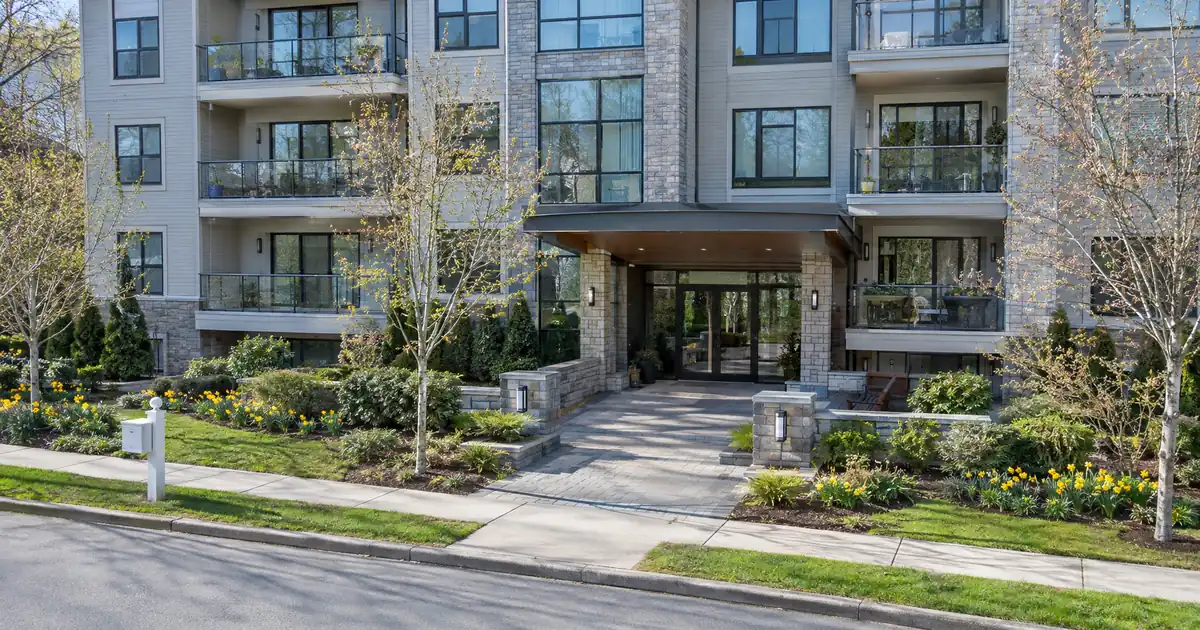
The Quick Read: Usually you can borrow most of the purchase and rehab on a condo flip, but never all of it, because a hard money lender sizes the loan by the tighter of two caps: a share of your project cost and a share of the finished value. The condo adds a second question that single-family flips skip. Can the next buyer get a loan on the unit?
- Fix-and-flip leverage in Lendmire’s network runs 93% of project cost at 5+ completed projects, 90% at 2+, and 85% with fewer than 2. Each tier is capped at 75% of after-repair value, and all of it varies by lender, property, and experience.
- Up to 100% of the rehab budget can fund in draws against completed work. That is a rehab-budget figure, not a purchase loan-to-value.
- There is no true 100% purchase program. You fund the gap, plus fees, interest, and holding costs.
- Condo dues, assessments, and building problems raise your carrying costs and shrink your exit options.
- Terms run 6-18 months, interest-only, with no prepayment penalty.
Key Terms Defined
Six terms come up again and again in this piece. Each gets one plain definition below.
- After-repair value (ARV): the price the finished unit should sell for, based on recent comparable sales.
- Loan-to-cost: the loan as a share of what you spend on the project, meaning purchase price plus rehab budget.
- Draw: a release of rehab money after the lender confirms a stage of work is done. The unreleased balance is the holdback.
- Warrantable condo: a unit in a building that meets the standard rules for conventional financing, such as ownership mix, reserves, and litigation status. A non-warrantable condo misses one or more of them.
- HOA questionnaire: a form the association fills out about the building’s finances, ownership, and legal issues so the lender can judge the project.
- PITIA and DSCR: PITIA is principal, interest, taxes, insurance, and association dues. DSCR is the debt service coverage ratio, which divides a rental’s income by that monthly total.
What this loan actually costs to carry.
Hard money is sized against the project and priced by time. Enter the deal and see how much the program will lend, the cash required at closing, the carry while you hold it, and what is left at the exit.
Leverage tiers on the current program: 85% with fewer than 2, 90% with 2 or more, 93% with 5 or more completed projects — every tier capped at 75% of after-repair value. Loan amounts up to $5,000,000, larger by exception; terms of 6 to 18 months, interest-only, no prepayment penalty. The rehab portion funds in draws against completed work, not at closing.
Program parameters shown update from Lendmire’s centralized guideline source. Rate, points, and months are editable assumptions, not quoted terms.
Cost cap sets the loan · positive spread
Illustrative estimate only — not a quote, Loan Estimate, approval, or commitment to lend. Rate, points, and months are editable assumptions. Hard money is business-purpose financing for real estate investors, not a consumer mortgage. Leverage on the current program tops out at 93% of project cost for investors with a documented track record, capped at 75% of after-repair value, with rehab funding up to 100% of the documented budget released in draws; actual terms vary by lender, borrower experience, property, and exit. Lendmire is a mortgage broker, not a lender.
When You Can Borrow Enough on a Hard Money Loan to Flip a Condo
A hard money flip loan is asset-based and short-term. The lender looks at the property, the plan, and the exit before it looks at you. Hard money is generally a non-owner-occupied, business-purpose product, as one practitioner explainer notes, so it rarely fits a flip you plan to live in.
Lenders run two tests and lend the lower result. The first caps the loan at a percentage of what the project costs. The second caps it at a percentage of the ARV. The first test rewards experience, and the second protects the lender if your numbers are too thin.
Across the wholesale network Lendmire works with, the structure looks like this. Every figure varies by lender, property, and experience, and none of it is a commitment to lend.
| Deal type | Leverage | Extra cap |
|---|---|---|
| Flip, 5+ completed projects | 93% of project cost | 75% of ARV |
| Flip, 2+ completed projects | 90% of project cost | 75% of ARV |
| Flip, fewer than 2 projects | 85% of project cost | 75% of ARV |
| Bridge, no rehab | Up to 80% of purchase price | Lender review |
| Refinance, cash-out or rate/term | Up to 65% of value | Lender review |
The rehab piece works differently from the purchase piece. Up to 100% of the rehab budget funds in draws as work is completed. The lender holds that money back and releases it in stages after inspection. So the loan can cover the whole renovation while still leaving you to fund part of the purchase.
Loan sizes go up to $5,000,000, with larger amounts by exception. A single condo unit rarely comes near that ceiling. The caps above bind first.
What Does the Gap Look Like in Real Numbers?
The gap is the difference between your total project cost and the loan. It shows up on every deal, and its size depends on how much margin the project leaves before the 75% ARV cap takes over.
The scenarios below use modeled assumptions, not market data. Costs are shown as a share of ARV so the arithmetic stays visible.
| Scenario | Cost vs. ARV | Loan, share of ARV | Gap, share of ARV |
|---|---|---|---|
| 90% tier, healthy margin | 80% | 72% (cost test) | 8% |
| 90% tier, thin margin | 90% | 75% (ARV cap binds) | 15% |
| 85% tier, healthy margin | 80% | 68% (cost test) | 12% |
Read the middle row twice. When project cost sits at 90% of ARV, the cost test alone would point to a loan above the 75% ARV cap. The cap controls, so the loan stops at 75% of ARV. The investor’s cash requirement nearly doubles compared with the first row. Thin margins turn a leverage tier into a headline, not a guarantee.
Then add what the loan never covers: lender fees, monthly interest, draw inspection costs, and your holding costs. The gap in the table is the floor of your cash need, not the total.
The condo twist is the ARV itself. A single-family flip pulls comps from a neighborhood full of sales. A condo leans on recent sales in the same building or nearby buildings, and those can be few. One distressed sale in your building can drag the value down. A lower ARV tightens the 75% cap, which is the binding test on thin deals.
What Changes When the Flip Is a Condo?
A condo flip stacks building-level risk on top of the usual flip risk. You are underwriting your unit and the project around it. The lender, and later your buyer’s lender, will review both.
Expect the lender to ask for the HOA budget, insurance details, and litigation status. Many will also want an HOA questionnaire. The HOA Guide notes that the standard forms are numbered 1076 for Fannie Mae and 476 for Freddie Mac, and lenders outside the agency world may use their own versions. Request it before you offer. Slow or incomplete answers from a management company are an early warning.
Your renovation scope also has limits. Real Estate Skills describes condo flips as typically cosmetic, walls-in projects, with the covenants and the board controlling what you can change. Contractor access hours, elevator reservations, and approval requirements for plumbing or electrical work can stretch the schedule. A longer schedule means more draw cycles and more months of dues.
Association dues and assessments matter just as much. The same source calls the HOA the main trap, because special assessments and rental caps can wipe out a flip’s profit. Dues run every month you hold the unit, so a project that slips costs more than it would on a house. A pending assessment is a cost you inherit at closing.
Eligibility itself varies by lender, property, and building. Hard money lenders can often lend where conventional lenders would balk, and that includes some non-warrantable buildings. That flexibility is real. It also moves the problem to the back end, which is where most condo flips get into trouble.
Why Is the Exit the Real Condo Question?
Your lender can be comfortable with a building that your buyer’s lender is not. A hard money lender needs to be repaid in 6-18 months, so it cares about whether the unit can sell or refinance. If retail buyers cannot finance the unit, your timeline stretches and your carrying costs climb.
Agency rules show how much the exit can shift. Fannie Mae’s recent condo lender letter retired the 50% investment-property concentration limit for established projects under full review on investor loans. It also retired the lighter limited-review path. That helps resale in some buildings. It is context only, because these agency rules do not govern the hard money or DSCR loans discussed here.
The relief has edges. The same letter keeps the presale requirement for new or newly converted projects, so a flip in a fresh conversion can still fail agency eligibility for a retail buyer. A Michigan community-association law blog adds that individual lenders can keep their own investor-concentration rules, and that single-owner unit limits remain. A building full of investors may still be hard to sell into.
Practically, ask these questions before you offer:
- Who are the likely buyers, and what financing do they need?
- Is the building warrantable today, and could it stop being warrantable before you list?
- How many units in the building sold recently, and at what prices?
- Does the loan term leave room for a slow sale, or would one extension push the deal underwater?
A non-warrantable unit narrows your buyer pool toward cash buyers and specialty lenders. Price that narrower pool into your ARV and your timeline. It is easier to walk away at the offer stage than at month nine.
Pre-Offer Checklist for a Condo Flip
Run this screen before you go under contract. Every red flag is a place where the loan, the ARV, or your exit can break.
| Check | Green flag | Red flag |
|---|---|---|
| Owner mix | Mostly owner-occupants | Heavy investor ownership |
| Litigation | None pending | Active suit against HOA |
| Reserves | Funded and documented | Thin or underfunded |
| Assessments | None planned | Large one pending |
| Rental rules | Few limits on resale | Tight caps or approvals |
| Comps | Recent in-building sales | Few or stale sales |
| Renovation rules | Clear board process | Vague or restrictive |
Two red flags are not an automatic no. They are a reason to adjust the price, the scope, or the loan term. Three or more is a signal that the building, not the deal math, is the problem.
How Does Experience Change What You Can Borrow?
Experience sets your tier, and the top tier is reserved for experienced investors. Having five or more completed projects moves you to 93% of project cost. Two or more gets you 90%. Fewer than two puts you at 85%.
First-time investors can qualify at the lower leverage tiers. Credit still counts, even though underwriting is asset-based. A 620 minimum score applies, with additional conditions below 660. Those conditions can mean lower leverage, more cash in, or tighter terms.
If you are new to flipping, the condo adds a lot to learn on the first deal. A single-family house gives you a simple scope, many comps, and no building to worry about. A condo asks you to manage all three risks at once. Plenty of investors still do it. Few do it well without first reading the HOA documents line by line.
Lendmire’s brokers see a consistent pattern on condo flip files. The loan amount is rarely the sticking point. Surprises come from the HOA paperwork, a lower-than-expected ARV from thin in-building comps, or a building issue that surfaces mid-project. The strongest files settle those three questions before the contract goes out.
What If the Loan Still Isn’t Enough?
Start by narrowing the gap rather than hunting for a bigger loan. A lower purchase price, a trimmed scope, or a more realistic ARV all shrink the cash you need. Partner capital is another route. A deal that only works when the margin is razor-thin, like the 90% cost-to-ARV row in the table above, is a fragile deal.
Cost also matters. Terms are short, so a flip that runs long can mean extension costs or a refinance at a bad moment. Build a buffer into the schedule, not just the budget.
Some condo flips change character halfway through. The unit renovates well, the building turns out to be rentable, and holding makes more sense than selling. Many investors refinance out of hard money into long-term DSCR investor loans once the property is stabilized, and Lendmire brokers that path. It is worth knowing the numbers before you decide.
On a DSCR purchase of an investment property, most files in Lendmire’s network land at 75%-80% LTV, meaning 20%-25% down. A cash-out refinance tops out around 75% LTV across most of the network, and roughly 6 months of seasoning is the common expectation. On coverage, many select programs set the minimum DSCR at 1.00, while a separate select-lender path allows coverage below 1.00 with leverage and terms adjusted. A stronger ratio opens better terms.
DSCR compares rent to PITIA only. Clearing 1.00 does not mean positive cash flow, because repairs, vacancy, management, utilities, and capital expenses sit outside the calculation.
Lendmire’s complete DSCR loans guide explains the program in full. For the handoff itself, see Lendmire’s piece How to Refinance Hard Money on a Condo Flip You Decided to Keep.
Frequently Asked Questions
Can you use a hard money loan to buy and flip a condo?
Often yes, but the building is reviewed along with the unit. Lenders look at HOA finances, litigation, and ownership mix. Eligibility varies by lender, property, and experience, and a non-owner-occupied business purpose is the baseline.
Can you borrow 100% to flip a condo?
No program funds 100% of the purchase. The closest figure is the rehab budget, where up to 100% can fund in draws against completed work. Purchase leverage tops out at 93% of project cost at the highest experience tier, and every tier is capped at 75% of after-repair value.
Do condo flips need HOA approval?
Renovation approvals usually come from the association or its board, under the building’s covenants and rules. The lender will also want HOA documents, and many will ask for the HOA questionnaire. Collect both before you commit to the scope and the budget.
What if the condo is non-warrantable?
A hard money lender may still lend, but your buyer’s options narrow. Cash buyers and specialty lenders become the likely pool. That can lengthen your sale and raise your holding costs, so build it into the term and the ARV.
How many completed projects do you need for the highest leverage?
Five or more completed projects reach the 93% of project cost tier. Two or more reach 90%, and fewer than two means 85%. The top tier is reserved for experienced investors, and all of it is subject to lender guidelines.
Next Step
If you are buying, rehabbing or refinancing an investment property on a short timeline and want to see how the numbers work, Lendmire can help you compare hard money options based on the project, the exit plan, leverage, and your goals. As a broker, Lendmire arranges financing through select lenders in its wholesale network across 41 markets, including Washington, D.C. Programs change, every file is reviewed individually, and nothing here is a commitment to lend.
About Lendmire
As a non-QM mortgage broker (NMLS# 2371349), Lendmire facilitates DSCR investor loans across 41 markets, including Washington, D.C. DSCR eligibility is generally reviewed around property-level rental income instead of personal income documentation, subject to lender guidelines, serving LLC-structured portfolios and self-employed borrowers who don’t fit conventional boxes. A two-time Scotsman Guide Top Mortgage Workplace (2025, 2026).
Get Started
Ready to find the right loan for you?
In about 30 seconds you can review financing options available for your investment property. No commitment required.
Informational only. Not a Loan Estimate, approval, or commitment to lend. Program availability and eligibility are subject to lender guidelines, credit approval, property review, and underwriting.
References
1. Real Estate Financial Planner, hard money loans for real estate
2. The HOA Guide, condo questionnaire
3. Real Estate Skills, condo flipping
4. Fannie Mae, condo lender letter
5. Michigan community-association law blog, condominium lending guidelines
This article is part of Lendmire’s hard money loan program — full qualification details, guidelines, and scenarios live on the program page.
Related reading: Should You Ask a Hard Money Lender Questions Before a Fix and Flip? · Should an Investor Choose a Hard Money Loan or a Flip Loan? · Can You Get a Hard Money Loan Without Owning a Business?
Brandon Miller
Founder & CEO, Mortgage Loan Originator, Lendmire LLC
- Mortgage Loan Originator · NMLS# 1129696 · Verify on NMLS Consumer Access
- North Carolina Real Estate Broker · License# 343312 · Verify on NCREC
- North Carolina Insurance Producer · License# 19053198 · Property, Casualty, Life, Health · Verify on NAIC SBS
- Lendmire LLC · Firm NMLS# 2371349 · Verify firm licensure
Disclosure information. Lendmire is a state-licensed mortgage brokerage under NMLS# 2371349. Lendmire is not a depository institution, direct lender, or financial advisor — all loans referenced are placed through wholesale lender partners and are subject to each lender's underwriting standards. This article is provided for general informational purposes and is not a commitment to lend, nor does it constitute financial, legal, or tax advice. Loan programs, terms, rates, and qualification standards change without notice and depend on borrower profile, property type, and the state in which the subject property is located. Equal Housing Opportunity provider. NMLS Consumer Access: nmlsconsumeraccess.org.