
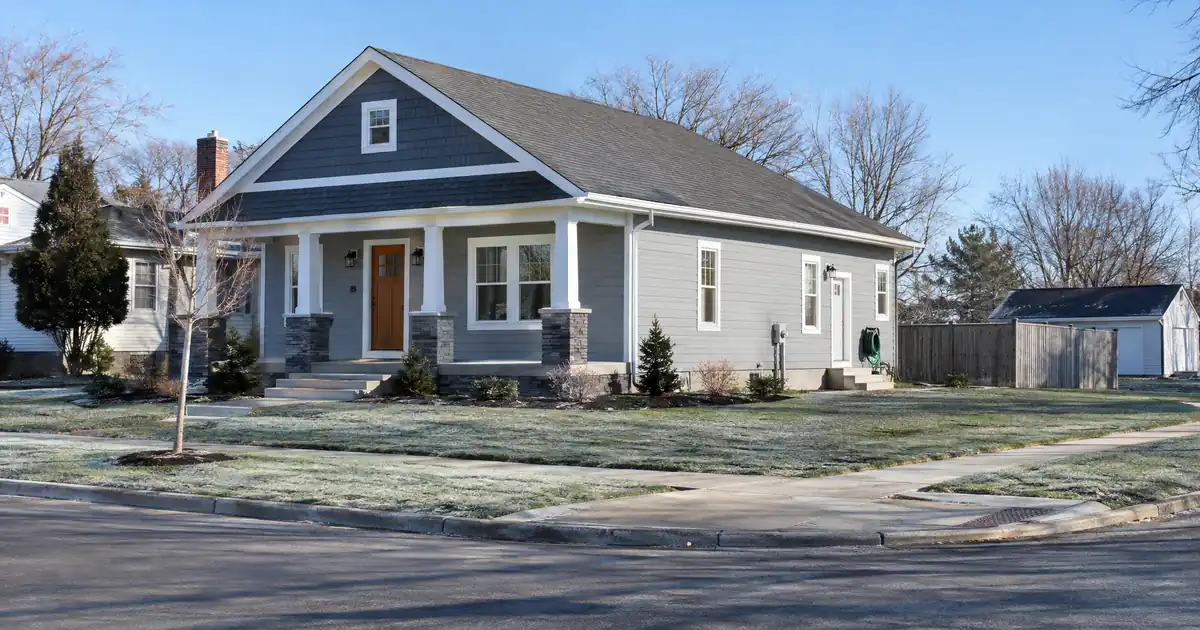
The Quick Read: Yes. The LLC takes title and signs the note, and hard money lenders often prefer or require an entity for investment purchases. The members usually sign a personal guarantee too, so the LLC shields you from outside claims but generally not from the lender. The house must be a non-owner-occupied rental or flip, not a home you plan to live in.
- The LLC is the buyer and borrower of record, and title vests in it.
- Expect a personal guarantee from the members, because a new LLC has no credit history.
- Hard money reviews the property’s rental income, the plan, and the exit, not your paycheck.
- Hard money is short-term, so the exit is part of the deal from day one.
- Many investors refinance out into long-term rental financing once the property is stabilized.
Hard money is a short-term, interest-only loan secured by the property. The lender cares most about the asset and how you will get out of the loan.
What this loan actually costs to carry.
Hard money is sized against the project and priced by time. Enter the deal and see how much the program will lend, the cash required at closing, the carry while you hold it, and what is left at the exit.
Leverage tiers on the current program: 85% with fewer than 2, 90% with 2 or more, 93% with 5 or more completed projects — every tier capped at 75% of after-repair value. Loan amounts up to $5,000,000, larger by exception; terms of 6 to 18 months, interest-only, no prepayment penalty. The rehab portion funds in draws against completed work, not at closing.
Program parameters shown update from Lendmire’s centralized guideline source. Rate, points, and months are editable assumptions, not quoted terms.
Cost cap sets the loan · positive spread
Illustrative estimate only — not a quote, Loan Estimate, approval, or commitment to lend. Rate, points, and months are editable assumptions. Hard money is business-purpose financing for real estate investors, not a consumer mortgage. Leverage on the current program tops out at 93% of project cost for investors with a documented track record, capped at 75% of after-repair value, with rehab funding up to 100% of the documented budget released in draws; actual terms vary by lender, borrower experience, property, and exit. Lendmire is a mortgage broker, not a lender.
How Does an LLC Buy a House With Hard Money?
The LLC acts as the buyer. It signs the purchase contract, takes title, and signs the loan documents. You act as the member behind it, and usually as the guarantor.
Three roles matter here:
- Owner: the LLC holds title.
- Borrower: the LLC signs the note and mortgage.
- Guarantor: you, personally, backing the LLC’s promise to repay.
Keep these straight. Most confusion about LLC borrowing comes from assuming the borrower and the guarantor are the same party. They are not, and the lender can pursue both.
Here is the order that works on most files:
1. Form the LLC first. You need formation papers and an operating agreement. Confirm the agreement lets the LLC buy property, borrow, grant a mortgage, and sign a guarantee, as UpCounsel advises.
2. Open a bank account in the LLC’s name. Keep purchase funds and rehab funds there, not in your personal account.
3. Sign the contract in the LLC’s name, or assign an existing contract to it. Ask the lender before you assign.
4. Put insurance in the LLC’s name so the policy matches the borrower on the loan.
5. Close with title vested in the LLC. The lender and title company need names to match across every document.
6. Run the rehab and plan the exit from the same entity.
Do You Have to Use an LLC for Hard Money?
No. An LLC is common, not universal. Lender requirements vary, and some will lend to an individual, a partnership, or a trust. Some make exceptions when switching names would blow up a contract, as long as the investment purpose is clearly documented.
So why do so many investors use one anyway? Three reasons.
First, many lenders simply prefer it. Lending to an entity keeps the loan cleanly in business-purpose territory. An entity cannot live in a house the way a person can.
Second, it separates the property from your other assets when a third party sues. A tenant injury claim is the classic example.
Third, it keeps title tidy when you hold deals with partners or want to carry the same entity into long-term financing.
Be honest about the costs, though. An LLC means formation fees, annual state filings, separate books, and the discipline to never mix funds. Skip the discipline and the protection weakens.
What the Personal Guarantee Does to Your Liability Shield
The LLC protects you from third-party claims, but a guarantee puts your personal assets back on the line for this loan. Say the deal fails and the sale does not cover the balance. The lender can pursue the shortfall from the guarantor.
Picture an investor who buys a flip through an LLC and signs the guarantee. A contractor sues over an unrelated job dispute on the property. The LLC likely keeps that claim away from the investor’s personal accounts, subject to how the entity was run. Now picture the loan going unpaid after a failed sale. The lender holds a signed promise from the investor personally. Same LLC, very different outcome.
Bankrate notes that signing a personal guarantee could remove some of the safeguards of buying with an LLC. A new LLC has no track record of its own, so lenders look to the member’s credit and experience to qualify it. Stessa adds a second caution: courts can pierce the veil when owners commit wrongdoing or fraud.
Here is the practical takeaway: the LLC is a shield for outsiders, not for your lender. Plan for the guarantee, and treat the exit as the real protection.
What Lenders Ask For
Hard money underwriting centers on the property, the project, and the exit. Across the lenders we place files with, the package usually looks like this.
| Item | What it shows | Common snag |
|---|---|---|
| LLC formation papers and operating agreement | The entity exists and who runs it | Missing signing authority |
| Experience or track record | You can execute the plan | First-timers get lower leverage |
| Scope of work and budget | Where the rehab money goes | Vague or unrealistic budgets |
| Personal financial statement | Your backing as guarantor | Gaps between statement and bank records |
| Entity bank account | Clean funds separation | Personal account used for the deal |
Credit still matters, even though underwriting is asset-based. A 620 minimum score is typical, with additional conditions below 660. First-time investors can qualify at the lower leverage tiers. All of this varies by lender, property, and experience.
On leverage, tiers depend on how many projects you have completed. On fix-and-flips, loan-to-cost runs up to 93% of project cost at five or more completed projects, 90% at two or more, and 85% below that, with every tier capped at 75% of after-repair value. Bridge purchases without rehab reach up to 80% of purchase price. Rehab money funds in draws against completed work, up to 100% of the rehab budget. That last figure is a rehab-budget number, not a purchase loan-to-value. There is no true 100% purchase program. The top tier is reserved for experienced investors, and nothing here is a commitment to lend.
Terms run 6 to 18 months, interest-only, with no prepayment penalty. Loan amounts go up to $5,000,000, larger by exception. Collateral is non-owner-occupied residential property, one to four units. Availability covers 41 markets, including Washington, D.C.
Can You Live in the House?
No. If you plan to live there, you are shopping for a different product. Hard money through an LLC is a business-purpose loan for investment property.
The federal rule matters here, and it changes what you should do. Under CFPB Regulation Z § 1026.3, credit to acquire a non-owner-occupied rental is deemed business purpose, and credit to a non-natural person is separately exempt. But the rental treatment falls away if the owner expects to occupy the property for more than 14 days in the coming year. Occupying it undermines the business-purpose basis.
“Investment” is also not a magic word. Compliance Alliance notes the label alone does not decide the question. The analysis looks at the loan’s purpose and at occupancy. If you will live in the property, use owner-occupant financing instead.
Moving a House You Already Own Into an LLC
You can often do it at closing. Lenders and title companies commonly handle the transfer, for example by quitclaim deed, when the new loan funds. Ask before you record anything on your own.
The risk sits with existing financing. If a mortgage already encumbers the property, moving title into an LLC can trigger a due-on-sale clause, which lets that lender demand the balance. Check the existing loan first.
Planning the Exit
Hard money is short. The principal usually comes due as a balloon, so a clear exit is the center of the deal. You have two realistic paths: sell, or refinance into long-term financing.
Many investors refinance out of hard money into long-term DSCR financing once the property is stabilized, and Lendmire brokers that path. A DSCR loan, short for debt service coverage ratio, compares the property’s rent to its monthly housing payment (principal, interest, taxes, insurance). It qualifies primarily on property-level rental income covering the payment, subject to lender guidelines. Our complete DSCR loans guide walks through the details.
Holding title in the same LLC the whole way avoids a second title transfer. Most DSCR programs allow vesting in an individual or an LLC, subject to program terms, so match the entity and guarantor setup before you buy.
Across our wholesale network, purchase files typically land at 75% to 80% LTV on investment property, and cash-out refinances top out around 75% LTV with about six months of seasoning commonly expected. Credit of 660 or higher is typical, and 700 and up unlocks stronger leverage tiers. Coverage of 1.00 is where select programs start, and a separate select-lender path goes below 1.00 with leverage and terms adjusted. Clearing 1.00 is not the same as positive cash flow, since repairs, vacancy, and management sit outside the calculation.
Mistakes That Undermine the LLC
- Mixing funds. Paying personal bills from the LLC account invites a court to ignore the entity.
- Forming it too late. A contract signed personally, then assigned late, can stall closing paperwork.
- Skipping signing authority. The operating agreement must permit borrowing and guaranteeing.
- Mismatched names. The insurance, title, and loan must all carry the same entity name.
- Assuming the LLC replaces your credit. A new LLC has none, so lenders look at yours.
- Ignoring the exit. A short loan with no plan is the biggest real risk, and hard money is costly enough that delays hurt.
- Forgetting home-state registration. Entity rules and annual fees vary by state, so confirm yours locally.
Is This Right for You?
An LLC plus hard money fits you if you are buying a rental or flip, you want separation from third-party claims, and you have a defined exit. It fits less well for a single purchase you will live in, or a very short flip where formation and filing costs outweigh the benefit.
Loans insured or guaranteed by government programs generally are not available for LLC purchases, so that route is off the table for entity purchases. Hard money and DSCR investor loans are not rivals, either. They often run in sequence: acquire and rehab, then refinance, with the DSCR loan qualifying primarily on property-level rental income covering the payment, subject to lender guidelines.
Tax treatment varies; consult a qualified professional.
This article is general information, not legal or tax advice. Talk with a qualified attorney or CPA about your own entity, guarantee, and situation before you sign anything.
If you are buying, rehabbing or refinancing an investment property on a short timeline and want to see how the numbers work, Lendmire can help you compare hard money options based on the project, the exit plan, leverage, and your goals. Call 828-256-2183 or request a quote.
Frequently Asked Questions
Can an LLC get a hard money loan?
Yes. Many hard money lenders work with LLCs routinely, and some prefer them. The LLC signs the note, takes title, and typically its members guarantee the loan. Terms, leverage, and requirements vary by lender, property, and experience.
Do I need a personal guarantee?
Usually, yes. A new LLC has no credit history, so the lender looks to you as the guarantor. A few structures reportedly avoid one, such as certain self-directed retirement account arrangements, but those are exceptions that depend on the lender and the structure.
Can a brand-new LLC qualify?
Often yes, because underwriting leans on the property, the plan, and your track record. The lender will review your credit and experience in place of any entity history. Formation papers and an operating agreement should be ready before you apply.
Does the LLC protect me if I default?
Not from the hard money lender when you signed a guarantee. The LLC helps against outside claims, such as tenant or contractor disputes. The lender can pursue guarantors for any shortfall on the loan itself.
Can I put a house I already own into an LLC to get the loan?
Often, yes, with the lender and title company handling the transfer at closing. Check any existing mortgage first, because a transfer can trigger a due-on-sale clause.
About Lendmire
Lendmire is a DSCR-focused mortgage brokerage, NMLS# 2371349, placing investor loans across 41 markets, including Washington, D.C. DSCR eligibility is generally reviewed by the lender around a property’s rental income rather than personal income documentation, which fits LLC-held rentals, self-employed investors, and portfolios scaling past conventional financed-property limits. Scotsman Guide named Lendmire a Top Mortgage Workplace in both 2025 and 2026.
Get Started
Ready to find the right loan for you?
In about 30 seconds you can review financing options available for your investment property. No commitment required.
Informational only. Not a Loan Estimate, approval, or commitment to lend. Program availability and eligibility are subject to lender guidelines, credit approval, property review, and underwriting.
References
1. UpCounsel: Can an LLC Get a Mortgage?
2. Bankrate: Buying a House With an LLC
3. Stessa: Buying Property Through an LLC
5. Compliance Alliance: Regulation Z and Investment Properties
This article is part of Lendmire’s hard money loan program — full qualification details, guidelines, and scenarios live on the program page.
Related reading: Hard Money Loan ARV Requirements in a Small Town With No Comps · DSCR Loan Requirements for a Syndication or Multi-Member LLC · Seasoning Rules for a Two-Step DSCR Cash-Out After Hard Money
Brandon Miller
Founder & CEO, Mortgage Loan Originator, Lendmire LLC
- Mortgage Loan Originator · NMLS# 1129696 · Verify on NMLS Consumer Access
- North Carolina Real Estate Broker · License# 343312 · Verify on NCREC
- North Carolina Insurance Producer · License# 19053198 · Property, Casualty, Life, Health · Verify on NAIC SBS
- Lendmire LLC · Firm NMLS# 2371349 · Verify firm licensure
Disclosure information. Lendmire is a state-licensed mortgage brokerage under NMLS# 2371349. Lendmire is not a depository institution, direct lender, or financial advisor — all loans referenced are placed through wholesale lender partners and are subject to each lender's underwriting standards. This article is provided for general informational purposes and is not a commitment to lend, nor does it constitute financial, legal, or tax advice. Loan programs, terms, rates, and qualification standards change without notice and depend on borrower profile, property type, and the state in which the subject property is located. Equal Housing Opportunity provider. NMLS Consumer Access: nmlsconsumeraccess.org.