
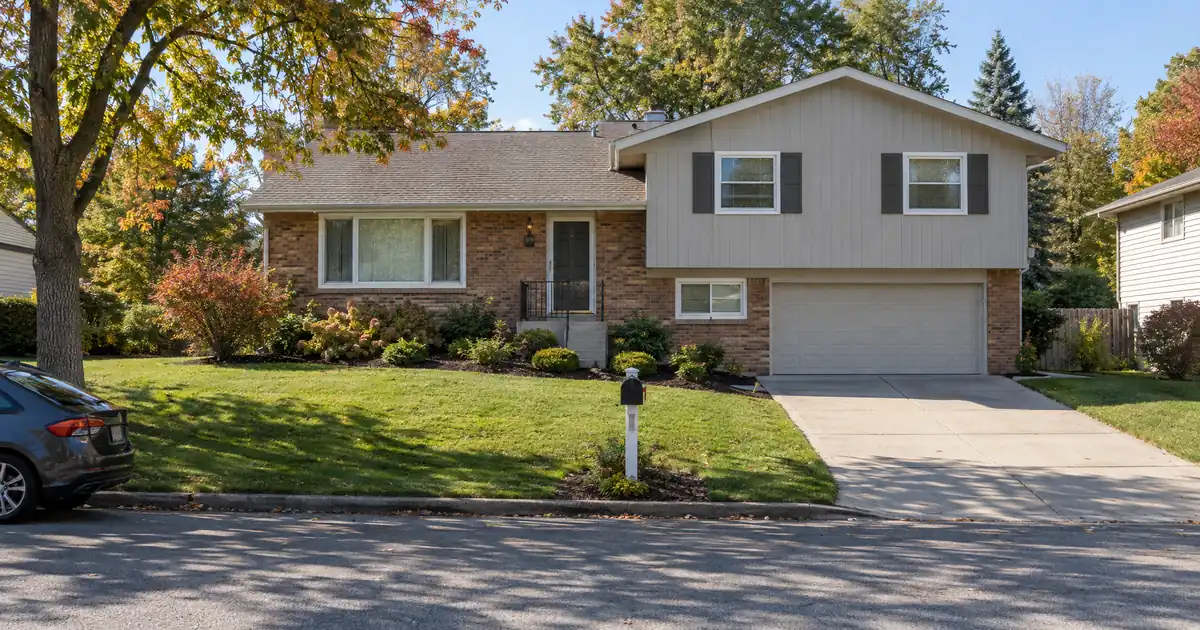
The Quick Read: A portfolio DSCR loan pools several rentals under one note, but title is still reviewed one property at a time, so every parcel needs its own clean, insurable title, correct vesting, and a recorded lien before the pooled loan can close, and a defect on one parcel can hold up all of them. The loan is pooled, but the title work is not. Plan for one title file per property.
- Each property gets its own title search, commitment, and lien recording, even though there is one loan.
- The weakest parcel sets the pace for the whole closing.
- The name on each deed must match the borrowing entity, subject to lender program eligibility.
- Whether one title policy or several covers the pool is set by the title underwriter and state practice, not by the loan label.
- A title audit before you apply catches most problems while they are cheap to fix.
Key Terms Defined
Portfolio DSCR loan: One note secured by several rentals, with rent measured against debt service across the pool. Here it means the same thing as a blanket loan or a cross-collateralized loan. (A bank’s “portfolio loan,” meaning a loan the bank keeps on its own books, is a different use of the word.)
Title commitment: The title company’s written preview of a property’s ownership history, liens, and exceptions, issued before the policy.
Lender’s title policy: Insurance that protects the lender’s lien against title defects. It does not protect your equity.
Owner’s title policy: Optional insurance that protects you, the owner, against title defects.
Vesting: How ownership is held on the deed, such as an individual, a married couple, a trust, or an LLC.
Legal description: The formal wording that identifies a parcel on public record. It is separate from the street address.
Lien position: Where the lender’s claim ranks against other claims. Portfolio lenders generally want first position on every property.
Why One Loan Still Means Many Title Files
Title insurance attaches to a specific parcel and its chain of ownership. One note with ten rentals therefore produces ten title files. Across the wholesale network Lendmire works with, title work does not consolidate just because the loan does.
Underwriting treats the pool as one risk. The lender’s lien is recorded against each property, and every pledged property secures the full note. A clean parcel gets no credit for its neighbors.
Picture an investor pooling five rentals. Four have clean commitments. The fifth has an old mortgage that was paid off but never formally released. The lender will not close around it. The four clean properties wait while the fifth gets cleared.
DSCR loans are designed for non-owner-occupied investment properties. Because they are business-purpose investor loans, they are reviewed differently from a standard owner-occupied mortgage. Title review is the part that looks most familiar. Lenders still want an insurable, first-lien position on each property.
What Each Property Must Show
Every parcel runs through the same review. The table shows what lenders look for and where files commonly stumble.
| Item | What it proves | Common failure |
|---|---|---|
| Vesting deed | Borrower actually owns the parcel | Name differs from borrowing entity |
| Title commitment | Ownership history and open items | Exceptions the lender won’t accept |
| Lien search | No competing claims ahead of the lender | Unreleased old mortgage, judgment |
| Legal description | Loan, deed, and policy describe the same land | Mismatch between documents |
| Recording plan | Lien is filed where the parcel sits | Several counties to coordinate |
Separate from title, every property in the pool still needs a lease or an appraiser-supported market rent. Lendmire’s piece Does Every Property in a Portfolio DSCR Loan Need a Full Appraisal? covers that side.
One Policy or Several?
This is the question investors argue about most, and it has no single answer. Some DSCR information sites say one master policy is often possible. Others say each property needs its own. The honest position: the title underwriter and the state’s rules decide how coverage is issued and allocated across parcels. Ask the title company and the lender how they will structure it before you assume either way.
Two coverage types matter. The CFPB explains that lender’s title insurance protects only the lender and is usually required to get a mortgage loan. That describes consumer mortgages, but investor lenders follow the same logic: the lender insures its lien.
The owner’s policy is the optional one. On a pool of rentals, whether to buy it on each parcel is your decision. The lender’s policy does nothing for your equity. If a title problem surfaces later, only an owner’s policy answers it.
Refinances add a wrinkle. If you already hold an owner’s policy on a property, the Maryland Insurance Administration’s consumer guide says presenting the old policy can qualify for a reissue rate. Ask whether that applies in the state where each parcel sits.
Vesting: Does the Name Match the Borrower?
The deed has to show the entity that is actually borrowing. If it doesn’t, the title work for that parcel flags it, and the file stalls until it is fixed.
Say you own six rentals. Three sit in your personal name, two in one LLC, and one jointly with a spouse. The pool needs a consistent borrower. Many investors deed the personally held properties into a single borrowing entity before closing, and some programs require a special-purpose entity (typically an LLC) on certain structures. Joint owners may need to sign.
One caution: moving title on a financed property can trigger the existing loan’s due-on-sale clause. Check each current note before you record any deed. Map every property, owner, and loan on one page before you apply.
Where the General Rule Bends
Two different structures. The 30-year portfolio DSCR loan covers 2 to 20 properties under one note, typically sizes from $300,000 to $5,000,000, and runs up to 80% of value on an investment-property purchase or rate-and-term refinance. Pooled coverage must clear 1.00, so stronger rentals can offset weaker ones. It accepts single-family homes, 2-4 unit properties, condos, and townhomes. A rental inside the pool that sits below 1.00 is a pooled-coverage matter: underwriting tests the pooled coverage, the leverage, and the terms.
The rental portfolio term loan is for five or more rental properties or units under one loan, typically from $500,000 to $50,000,000, up to 75% of value. Small multifamily of five or more units is eligible only on this term structure. Its terms are fixed for 3, 5, 7, or 10 years with a balloon at maturity, and some versions are non-recourse, with carve-outs. Both are subject to lender guidelines, and credit floors typically start at 640 (680 or 720 on some structures).
Title review looks the same on both. Properties in several markets can sit under one term loan, which means more counties, more recordings, and more local title practice. Title rules and practices vary by state, so coordinate early.
Special-origin properties. Inherited homes, seller-financed purchases, trust-held properties, and recent deed transfers get extra scrutiny. The question is always whether the recorded ownership history is complete and who has authority to sign.
Cross-collateralized versus separate notes. If several separate notes close together, with a shared appraiser and closing date, they are not cross-collateralized. Title is still per property either way. The difference is whether one default exposes every property.
Ineligible property types. Manufactured homes, log homes, and barndominiums are not offered on these programs, so there is no title path for them. Owner-occupied homes, co-ops, mixed-use, and commercial properties are also out of the pool.
Fixing Defects Before They Hold Up the Pool
Most title problems are routine. They are cheap to fix before you apply and expensive to discover at the table.
| Problem | Usual fix |
|---|---|
| Paid-off mortgage never released | Get a recorded release from the old lender |
| Judgment lien against prior owner | Payoff or release from the creditor |
| Name mismatch on deed | Corrective deed or affidavit |
| HOA or assessment lien | Pay off and obtain written clearance |
| Probate gap on inherited home | Complete the estate process and record |
| Boundary or easement question | Survey and title endorsement, where available |
The title company tells you which items it can clear and which need an attorney or the seller.
What Happens After Closing
Title follows you out of the deal. Release provisions in the loan documents set the price and conditions for taking one parcel out of the pool. The release price runs above the property’s allocated balance, and the remaining portfolio must still cover its debt service.
When one property sells, a release is recorded against that parcel in its county. Some documents allow a replacement property, and a substituted property would logically need its own title work from scratch. Without a release clause, selling one rental can put the whole debt in play. Negotiate release terms up front, because the deal is hard to adjust afterward. Lendmire’s article How a Portfolio DSCR Loan Handles Title on Every House goes deeper on that angle.
Run a Title Audit Before You Apply
1. List every property with its legal description, owner of record, and current lender.
2. Pull the vesting deed for each parcel and compare the names to your borrowing entity.
3. Order title commitments and read the exceptions on each.
4. Flag unreleased liens, judgments, and HOA balances.
5. Decide which deed transfers, if any, you need, after checking each existing loan for due-on-sale terms.
6. Ask the title company how policies will be structured and whether state rules differ across your parcels.
7. Decide whether to buy owner’s policies on the properties you are keeping.
8. Gather leases, entity documents, and insurance, and confirm names and addresses match across all of them.
The complete DSCR loans guide walks through the rest of the file, including coverage, reserves, and credit.
Frequently Asked Questions
Does a portfolio DSCR loan need one title policy or one per property?
It depends on the title underwriter and state rules. The title search, commitment, and lien recording are done per property in every case. Ask your title company how coverage will be structured, and do not assume a single master policy.
Can one bad property stop the whole loan?
Yes, it can. The properties close as one transaction, so an uncured defect on one parcel can hold up all of them. Investors often resolve this by clearing the problem parcel or removing it from the pool.
Does the lender’s title policy protect me as the owner?
No. It protects the lender’s lien only. If you want protection for your own equity, you would buy an owner’s policy, which is optional.
Do properties in different LLCs work in one pool?
Usually the borrowing entity needs to be consistent across the pool, subject to program guidelines. Properties held in different names often need deed transfers first, after you check any existing due-on-sale terms.
Do manufactured homes qualify for a portfolio title review?
No. Manufactured homes are not reviewable on these programs, so they cannot be part of a pool.
Next Step
If you are buying or refinancing several rentals and want to see how the numbers work, Lendmire can help you compare DSCR loan options based on the property income, credit profile, leverage, and investor goals. As a mortgage broker, Lendmire arranges these loans through select lenders in its wholesale network across 41 markets, including Washington, D.C. Every file is underwritten individually, and nothing here is a commitment to lend.
About Lendmire
Lendmire — NMLS# 2371349 — is a mortgage brokerage specializing in DSCR investor loans, helping arrange financing across 41 markets, including Washington, D.C., through wholesale and investor-lending channels. The model centers on property-level rental income reviewed by the lender rather than W-2 documentation, subject to lender guidelines, suiting entity-owned and multi-property investors. Lendmire holds Scotsman Guide Top Mortgage Workplace recognition for 2025 and 2026.
Get Started
Ready to find the right loan for you?
In about 30 seconds you can review financing options available for your investment property. No commitment required.
Informational only. Not a Loan Estimate, approval, or commitment to lend. Program availability and eligibility are subject to lender guidelines, credit approval, property review, and underwriting.
References
1. CFPB – What is lender’s title insurance?
2. Maryland Insurance Administration – Consumer Guide to Title Insurance
This article is part of Lendmire’s DSCR loan program — full qualification details, guidelines, and scenarios live on the program page.
Related reading: Can a DSCR Loan Pay Off a Second Mortgage on an Investment Property? · Does a Portfolio DSCR Loan Take One Payment With a Property Manager? · Is a 30-Year DSCR Loan Safer for an LLC Portfolio With 10+ Doors?
Brandon Miller
Founder & CEO, Mortgage Loan Originator, Lendmire LLC
- Mortgage Loan Originator · NMLS# 1129696 · Verify on NMLS Consumer Access
- North Carolina Real Estate Broker · License# 343312 · Verify on NCREC
- North Carolina Insurance Producer · License# 19053198 · Property, Casualty, Life, Health · Verify on NAIC SBS
- Lendmire LLC · Firm NMLS# 2371349 · Verify firm licensure
Disclosure information. Lendmire is a state-licensed mortgage brokerage under NMLS# 2371349. Lendmire is not a depository institution, direct lender, or financial advisor — all loans referenced are placed through wholesale lender partners and are subject to each lender's underwriting standards. This article is provided for general informational purposes and is not a commitment to lend, nor does it constitute financial, legal, or tax advice. Loan programs, terms, rates, and qualification standards change without notice and depend on borrower profile, property type, and the state in which the subject property is located. Equal Housing Opportunity provider. NMLS Consumer Access: nmlsconsumeraccess.org.