
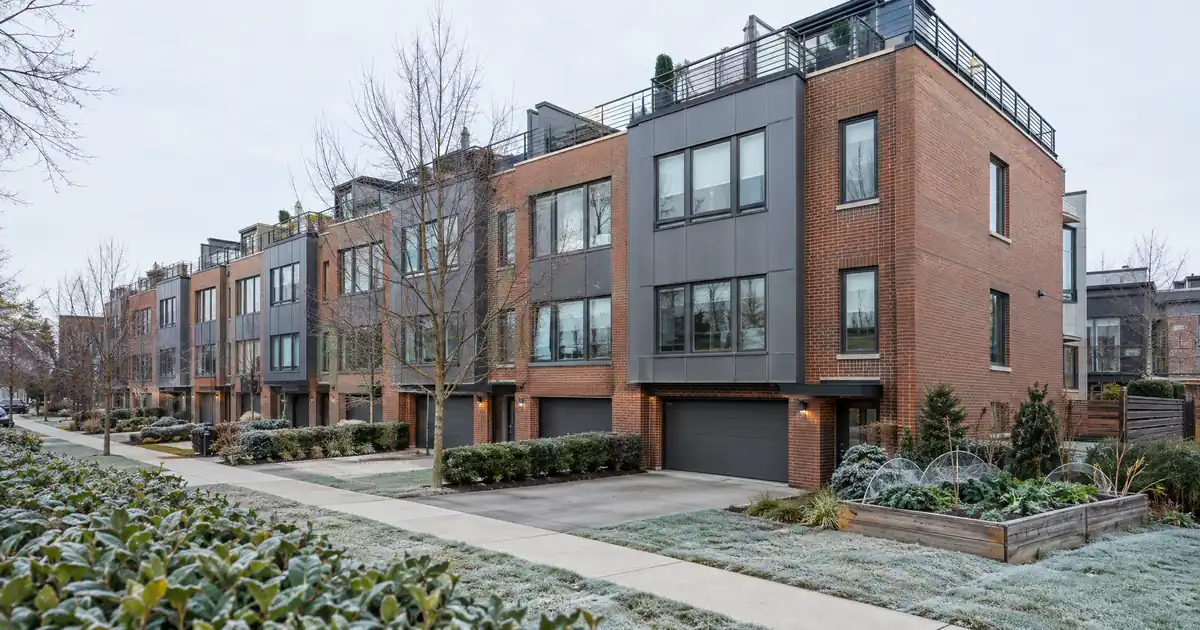
The Quick Read: HOA dues count as part of the monthly payment in the coverage ratio, and the association’s master policy is reviewed once per building, no matter how many units one entity owns. Dues are never netted against rent, so a high-dues building can pull the whole pool down. Master-policy cost reaches the file through those dues. The owner’s own unit policy sits on top of the master policy.
- Dues sit in the payment (the “A” in PITIA), so they lower the ratio dollar for dollar.
- Each building gets its own project review, even inside one LLC’s portfolio.
- Buying more units in the same building raises the concentration a lender measures.
- Clearing 1.00 is a coverage test, not proof of positive cash flow.
- Eligibility is subject to lender guidelines, credit approval, and property review.
Lendmire is a mortgage broker that arranges DSCR investor loans through select lenders in its wholesale network, with programs across 41 markets, including Washington, D.C. That network view shapes everything below. Lenders differ on how they count dues, special assessments, and ownership concentration, so the useful skill is knowing which questions to ask before a price is agreed.
DSCR Calculator
Run the numbers in your market
Rate source: Freddie Mac 30-yr average via FRED® — Federal Reserve Bank of St. Louis · effective Oct 15, 2026
Prefilled with starting assumptions — enter your own rent or nightly figures, taxes, insurance, and HOA for a more accurate picture.
Program parameters update from Lendmire’s centralized guideline source. Taxes and insurance are editable estimates.
As of Oct 15, 2026 · General Freddie Mac market benchmark, not a Lendmire loan offer. Rent, nightly rate, occupancy, taxes, and insurance are editable estimates. Short-term rental figures are estimates only and vary significantly by season, property type, management approach, and local short-term-rental rules — confirm local regulations before relying on them. Qualifying income for short-term rentals varies by program — some use appraisal market rent, others use documented STR history or projections — and is confirmed in underwriting. Not a Loan Estimate, approval, or commitment to lend. Program availability and eligibility are subject to lender guidelines, credit approval, property review, and underwriting.
How Do HOA Dues Enter the Coverage Ratio?
Dues go in the denominator. The ratio is monthly rent divided by PITIA: principal, interest, taxes, insurance, and association dues. Nothing in that formula nets dues against rent. That is why condos usually score lower than a similar house.
Investors Paradise walks through a worked case: a rent and payment pairing that looks like 1.39 falls to 0.97 once the HOA charge, taxes, and insurance are included. The same piece notes that a condo showing 1.25 can be the weaker file next to a house at 1.05 if the association has unresolved financial problems. Strong ratio, weak building. It happens.
Across the wholesale network, 1.00 is where many select programs start, and stronger ratios open better pricing and leverage. A separate select-lender path takes coverage below 1.00, with leverage and terms adjusted. Either way, the dues figure should come from the association’s documents, not the listing.
Here is the part investors miss. Clearing the ratio does not mean the condo cash-flows. DSCR compares rent to PITIA only. Repairs, vacancy, management, utilities, and capital costs sit outside the calculation.
For a fuller explanation of the formula, the complete DSCR loans guide covers it from the beginning.
Key Terms Defined
PITIA: The full monthly obligation: principal, interest, taxes, insurance, and association dues.
Master policy: The association’s insurance on the building structure and common areas.
HO-6 (unit policy): The owner’s policy covering interiors, improvements, liability, loss assessment, and, for rentals, loss of rents.
Bare walls, single entity, all-in: Three ways a master policy can be written. Bare walls stops at the unfinished interior surfaces. Single entity adds the unit’s original fixtures and finishes. All-in reaches furthest.
Single-entity ownership: A project-review term for one individual, group, partnership, or corporation owning multiple units in the same building.
Special assessment: A one-time or installment charge the association levies on owners, often for roof or structural work.
Blanket loan: One note secured by several properties.
Cross-collateralization: Pledging each property as security for the whole pool.
What Counts as Dues, and How Does Each Piece Behave?
Routine dues, master-policy pass-throughs, and included utilities all belong in the payment. Special assessments are where lenders part ways. The table shows the typical behavior and the question to ask.
| Cost type | Typical behavior | Ask the lender |
|---|---|---|
| Routine dues | Counted monthly in PITIA | Is the billing frequency converted? |
| Master-policy pass-through | Already inside dues | Any extra deductible charge? |
| Included utilities | Inside dues; don’t count twice | Which utilities are covered? |
| Recurring assessment | Often converted to a monthly amount | Is there an end date? |
| Lump-sum assessment | May be a reserves question | Cash or ratio treatment? |
| Optional amenity fees | Varies by program | Required or elective? |
Quarterly or annual billing gets converted to a monthly figure. Treatment of assessments varies by program, so ask early. The Investors Paradise piece cites a $15,000 assessment for roof or structural work as enough to erase the benefit of a high-leverage loan. Pull the budget, current dues, insurance declarations, rental rules, assessment history, litigation disclosure, and pending capital projects before committing to a price.
What Does the Master Policy Cover, and What Does the Lender Check?
The master policy covers the structure and common areas. The unit owner covers the rest. Where the line falls depends on the policy form.
An insurance-agency explainer describes the three forms: bare walls, single entity, and all-in. It adds that the form should match what the governing documents require the association to insure. Coverwatch says the type is set by the recorded declaration, not by the insurance certificate. It also says the most common gap is an owner assuming all-in coverage when the declaration says single entity.
One terminology trap deserves a flag: “single entity” means two unrelated things in this topic. In insurance, it names a master-policy form that covers the unit’s original fixtures and finishes. In project review, single-entity ownership means one person or company holding many units in the building. A single-entity master policy has nothing to do with single-entity ownership, so keep the two apart when reading documents or talking to a lender.
A practical adequacy checklist for each building:
- Named insured is the association.
- Coverage type matches the declaration.
- Deductible is known, and its pass-through to owners is understood.
- Flood arrangement is clear, which matters most in coastal buildings.
- Expiration date is current, and the certificate is on file.
On the owner’s side, Coverage Classroom explains the master-versus-HO-6 split and notes that many lenders require an HO-6 regardless of the master policy. Loss-assessment coverage matters in a pool because it can respond when the association charges owners for a master deductible. The unit policy’s premium feeds the insurance line of PITIA. A stale insurance estimate is a common cause of late surprises.
Rising master-policy premiums push dues up over time. That is a slow squeeze on any condo file.
What Does One Entity Actually Change?
One entity does not automatically mean one loan. An LLC can hold several condos, and the structure may be a blanket note, separate notes, or a mix. Select lenders in the network differ on pooling, and the choice affects releases, substitutions, and how a single bad building spills onto the rest.
Two facts hold either way. Owner-occupied units are not part of an investor pool. And the entity’s name should match across title, insurance, and the note.
How Does Same-Building Ownership Get Measured?
Project review looks at the building, and your own units count toward concentration. The vocabulary comes from agency condo rules, which are contrast only here. DSCR loans are not agency products. Each lender in the network sets its own tolerance.
For contrast, the Fannie Mae Selling Guide defines a single entity as the same individual, investor group, partnership, project sponsor, or corporation. It makes projects ineligible when one entity owns more than 2 units in projects of 5 to 20 units, or more than 20% of units in projects of 21 or more. Those two thresholds differ by project size, so no single agency number is a DSCR rule, and neither should be treated as one.
What carries over is the logic. In a small building, two or four units in one entity can trip a concentration test long before it reaches a percentage. Each added unit in the same tower raises the share counted against you. Whether holdings in affiliated LLCs are added together depends on how the lender defines related ownership, so ask directly how affiliated entities are counted.
The Fannie Mae project FAQ also notes that a project that is primarily transient can be ineligible on that basis alone. That matters for anyone eyeing a hotel-style building for short-term rentals. Short-term rental rules can vary by city, county, HOA, and property type, so investors should confirm local rules before relying on projected rental income.
DSCR vs. conventional financing
There are two common ways to finance an investment property, and they qualify you differently — here’s how investors weigh them.
Why investors choose it
- Qualifies on the property’s rental income — no personal tax returns, W-2s, or pay stubs needed to document income.
- No personal debt-to-income ceiling to clear, so existing mortgages and obligations don’t cap your borrowing the same way.
- Can be closed in an LLC, keeping the property inside a business entity.
- Built for scaling — not held to the limit on number of financed properties that conventional financing applies.
- Underwriting centers on the deal: generally qualifies when the rent covers the payment, a 1.00x coverage ratio being a common baseline (confirmed in underwriting).
- Designed specifically for investment property, including long-term and, where the program allows, short-term rentals.
Where it’s strong
- Often the lowest ongoing financing cost for a buyer who fully qualifies on personal income — a fit for a first property or a cost-first purchase.
Trade-offs for investors
- Requires full personal income documentation and must fit within a debt-to-income limit — salary, existing debts, and other mortgages all count.
- Typically held in your personal name rather than a business entity.
- Caps how many financed properties you can carry, which can become a ceiling as a portfolio grows.
- Evaluates you as a borrower as much as the property, which usually means more paperwork.
How investors usually choose: a first or single property often optimizes for the lowest financing cost; portfolio builders often optimize for leverage, vesting in an LLC, and scaling past conventional caps. The right answer depends on your goals, the property, and current guidelines — both paths run through select lenders in Lendmire’s wholesale network, with eligibility and terms confirmed in underwriting.
Does a Non-Warrantable Building Rule Out DSCR Financing?
No. Non-warrantable is an agency label, and select lenders in the network treat these buildings case by case. The reason a building is non-warrantable matters.
Practically, confirm status before you make an offer. Terms, leverage, and participation can shift with the building’s issues.
Stress-Testing the Pool
Run three tests on a one-entity condo package before committing. The cushion is the gap between your coverage ratio and the program’s floor.
| Scenario | What changes | Effect on the pool |
|---|---|---|
| Dues increase | Denominator rises in one building | Cushion shrinks across the pool |
| Assessment lands | Monthly add-on or reserves hit | Can push one unit under the floor |
| Master deductible charge | Loss assessment on owners | Cash event; may test reserves |
A modest dues increase can move a thin file below its floor. A pool carries a quiet risk: one high-dues building can hold down an otherwise healthy set of units. Model each building on its own, then the pool.
An observation from the broker side: files with several units under one entity often stall on mismatched paper, not weak ratios. The dues on the estoppel come in higher than the investor’s model. The master certificate has gone stale. The insurance named insured doesn’t match the LLC. Catching those before submission saves the most trouble.
Document Matrix: What Gets Requested at Each Layer
| Layer | Documents |
|---|---|
| Per unit | Lease, HO-6 policy naming the entity, dues statement |
| Per building | Budget, declarations, master certificate, litigation disclosure |
| Per entity | Operating agreement, formation papers, ownership schedule |
Master-policy documents are a per-building item. If several of your units share a building, ask whether the lender wants that building’s package once or repeatedly. Where an LLC holds the units, eligibility is subject to program terms.
What Leverage and Credit Apply?
Programs in the network typically allow 75% to 80% LTV on an investment-property purchase, with cash-out topping out around 75% LTV. Credit tiers run from a 620 floor in parts of the network to around 660 on most programs, and 700-plus for the strongest leverage. Reserves commonly run about 6 months of PITIA, stepping up to about 9 months above $1,500,000. Standard loan sizes reach $3,000,000. All of it is subject to lender guidelines, and a larger down payment does not erase leverage caps, reserve rules, or property eligibility. For the HOA-specific math, see Lendmire’s piece How Much HOA Dues Shrink a DSCR Loan on a Condo Package in One Building.
Red Flags That Stall a One-Entity Condo Pool
- Dues on the estoppel higher than your model.
- A master certificate that is expired or doesn’t match the declaration.
- Entity name differing across title, insurance, and note.
- Blended billing frequencies converted inconsistently.
- Active litigation or a delinquency spike in one building.
- Heavy same-building ownership in a small project.
This is general information, not legal or tax advice. Consult a qualified professional, such as an attorney or CPA, about your own situation. Tax treatment varies; investors should speak with a qualified tax professional.
Frequently Asked Questions
Do HOA dues count in a DSCR calculation?
Yes. Dues sit in PITIA alongside principal, interest, taxes, and insurance. They are never netted against rent, so each dollar of dues lowers the ratio.
Does the master policy replace my own insurance?
No. The master policy covers the structure and common areas, and the unit owner typically insures the rest. Many lenders also require an HO-6, and loss-assessment coverage can help when the association charges owners for a master deductible.
Do special assessments count?
It varies by program. Some select lenders convert a recurring assessment to a monthly amount and add it to PITIA, while others treat a lump sum as a reserves question. Ask before you submit.
Can several condos in different buildings share one note?
Sometimes. One entity does not force one loan, and select lenders in the network differ on blanket versus separate notes. Each building still gets its own project review, so a problem in one can affect the pool.
If the ratio clears the floor, does the condo cash-flow?
Not necessarily. The ratio uses rent and PITIA only. Repairs, vacancy, management, and capital costs sit outside it.
If you are buying or refinancing rental condos and want to see how the numbers work, Lendmire can help you compare DSCR loan options based on the property income, credit profile, leverage, and investor goals. Reach the team at 828-256-2183.
About Lendmire
Lendmire (NMLS# 2371349) is a mortgage brokerage built around DSCR investor lending, with programs available in 41 markets, including Washington, D.C. DSCR lenders commonly evaluate rental-income coverage instead of personal income paperwork, a practical fit for LLC-owned and multi-property investors. Terms vary by lender, property, leverage, and program. Scotsman Guide named Lendmire a Top Mortgage Workplace in both 2025 and 2026.
Get Started
Ready to find the right loan for you?
In about 30 seconds you can review financing options available for your investment property. No commitment required.
Informational only. Not a Loan Estimate, approval, or commitment to lend. Program availability and eligibility are subject to lender guidelines, credit approval, property review, and underwriting.
References
2. Insuranceservice365 bare walls vs all-in
3. Coverwatch
5. Fannie Mae Selling Guide B4-2.1-03
This article is part of Lendmire’s DSCR loan program — full qualification details, guidelines, and scenarios live on the program page.
Related reading: Can You Put Less Down on a DSCR Loan for a Condo? · How to Use a DSCR Portfolio Cash-Out as a Five-Door Landlord · Five-Year vs Ten-Year DSCR Loan for an LLC-Held Portfolio
Brandon Miller
Founder & CEO, Mortgage Loan Originator, Lendmire LLC
- Mortgage Loan Originator · NMLS# 1129696 · Verify on NMLS Consumer Access
- North Carolina Real Estate Broker · License# 343312 · Verify on NCREC
- North Carolina Insurance Producer · License# 19053198 · Property, Casualty, Life, Health · Verify on NAIC SBS
- Lendmire LLC · Firm NMLS# 2371349 · Verify firm licensure
Compliance and disclosures. Lendmire (NMLS# 2371349) is a licensed mortgage broker and is not a direct lender, depository institution, financial advisor, or tax professional. Content in this article is general market analysis and educational information — not financial, legal, or tax advice for any specific situation. Lendmire does not guarantee loan approval; every transaction is subject to underwriting by the funding lender. Mortgage pricing and loan program guidelines are subject to change at any time without notice and vary by borrower characteristics, property type, and state regulations. Lendmire complies with Equal Housing Opportunity. Licensure verification: NMLS Consumer Access.