
The Quick Read: For most operators with 5-50 doors, a DSCR loan comes with a personal guaranty, even when an LLC holds title. True non-recourse is a different product with its own entity rules, covenants and trade-offs, and it still carries carve-outs that can bring personal liability back. DSCR describes how the loan is qualified. Recourse describes who owes the money after a default. They are separate decisions.
- Recourse fits operators who want broad program access, flexible entity setups and straightforward documents, and who accept a personal guaranty.
- Non-recourse fits operators with stabilized assets, strong liquidity and the discipline to keep entity covenants clean for years.
- An LLC does not remove a guaranty. It limits other kinds of liability, such as tenant and vendor claims.
- Non-recourse is rarely absolute. Carve-outs can turn it into full recourse on specific acts.
- Door count is not property count. Programs count financed properties, and a fourplex is four doors but one loan file.
Here is the honest answer on who each option is for. Recourse suits the operator growing through many loans who wants simple, repeatable files. Non-recourse suits the operator who has already scaled, holds stabilized property, and values isolating each asset’s risk more than flexibility. Neither is a trick. Each is a trade.
DSCR Calculator
Run the numbers in your market
Rate source: Freddie Mac 30-yr average via FRED® — Federal Reserve Bank of St. Louis · effective Oct 15, 2026
Prefilled with starting assumptions — enter your own rent or nightly figures, taxes, insurance, and HOA for a more accurate picture.
Program parameters update from Lendmire’s centralized guideline source. Taxes and insurance are editable estimates.
As of Oct 15, 2026 · General Freddie Mac market benchmark, not a Lendmire loan offer. Rent, nightly rate, occupancy, taxes, and insurance are editable estimates. Short-term rental figures are estimates only and vary significantly by season, property type, management approach, and local short-term-rental rules — confirm local regulations before relying on them. Qualifying income for short-term rentals varies by program — some use appraisal market rent, others use documented STR history or projections — and is confirmed in underwriting. Not a Loan Estimate, approval, or commitment to lend. Program availability and eligibility are subject to lender guidelines, credit approval, property review, and underwriting.
Side-by-Side
The table below compares the two structures. The recourse column reflects the wholesale network Lendmire works with, and every figure is subject to underwriting. The non-recourse column shows published industry norms, which vary by lender and deal.
| Factor | Recourse DSCR | Non-recourse (industry norms) |
|---|---|---|
| Review basis | Property rent vs. debt payment | Property cash flow plus sponsor strength |
| Guaranty | Personal, from one or more members | Carve-out guaranty only |
| Documentation | Lease or rent schedule, appraisal, entity papers | Same, plus covenant and entity review |
| Property types | 1-4 units; condos, some rural collateral | Often stabilized, larger or multi-property pools |
| Entity vesting | LLC welcome, no layered entities | Often a single-purpose entity |
| Reserves | 6 months on subject; 12 for first-time investors | Often larger, lender-specific |
| Ongoing covenants | Light, mostly loan terms | Heavier: separateness, consent, debt limits |
| Flexibility to restructure | Higher | Lower; transfers can trip carve-outs |
Two rows deserve a note. Reserves on the network programs are six months of the full monthly obligation on the subject property, and twelve for first-time investors. There are no extra reserves for other financed properties. Timing is left out on purpose, because it depends on the file and neither structure carries a built-in schedule.
Key Terms Defined
Recourse means the lender can pursue the borrower’s or guarantor’s other assets if the collateral sells for less than the debt.
Non-recourse limits the lender’s remedy to the collateral, unless a carve-out is triggered.
Personal guaranty is a separate signed promise by an individual to pay if the borrowing entity does not.
Bad-boy carve-out is a clause that makes a guarantor liable for specific acts, such as fraud or unauthorized transfers.
Springing recourse means the whole balance becomes personally owed when a trigger occurs.
Separateness covenants are rules that keep a borrowing entity’s books, accounts and assets apart from every other entity.
Joint and several liability means each guarantor can be pursued for the full amount, not just a share.
When Recourse Is the Better Fit
Recourse is the better fit when you are still building the portfolio. Across the wholesale network, recourse DSCR files have the widest reach. Loan sizes run from $150,000 to $10,000,000 on the portfolio investor program, and Lendmire’s standard program stops at $3,000,000. Entity vesting is welcome, subject to program terms, as long as the structure is not layered. Credit floors start at 660, and investors can hold up to 20 financed properties.
Qualification is straightforward. The file qualifies primarily on property-level rental income covering the payment, subject to lender guidelines. At 1.00 coverage you get full leverage. Coverage below 1.00 is a real path through select lenders in the network, but leverage and terms adjust, subject to underwriting. Traditional personal-income documentation is not the center of the file.
Leverage on the network programs steps down with loan size, and every figure is a ceiling subject to underwriting:
- Purchase: 80% to $1,000,000, 75% to $3,000,000, 65% to $4,000,000, and 60% above that on case-by-case review.
- Cash-out on standard rentals: a 75% ceiling to $1,000,000, 70% to $1,500,000, and 60% to $3,000,000. There is no cash-out above $3,000,000.
Reaching the top of each band takes stronger credit. Above $3,000,000, the credit floor moves to 700.
Recourse also gives you room to maneuver. You can retitle, add a member or refinance without a covenant package waiting to catch you. Interest-only is available for 120 months up to 75% leverage, with coverage of 0.75 or better qualified on interest, taxes and insurance. That runway helps a renovation or lease-up plan. Final terms depend on lender guidelines, property type, leverage, and the borrower’s complete credit picture.
The price of this flexibility is plain. A guaranty puts your personal balance sheet behind every loan. Across many loans or many LLCs, that exposure stacks up. A BiggerPockets practitioner reply to a multi-member LLC owner says lenders expect members to personally guarantee even when title sits in the LLC. It adds that the operating agreement and lender policy may limit guarantors to one or a few members. Treat that as commentary, not a rule. Programs differ.
When Non-Recourse Is the Better Fit
Non-recourse is the better fit when your portfolio is stabilized and you want each asset to stand alone. The idea is that a bad outcome on one property does not reach your other holdings. Lenders usually pair that protection with tighter terms. Published industry norms point to lower proceeds, stricter entity rules, larger reserves and heavier prepayment terms, rather than just a different price.
The structure usually starts with a single-purpose entity. As AFS Law explains, lenders impose separateness covenants so the entity’s assets are not mixed with other entities if there is an insolvency. The same alert says courts read these covenants strictly. A breach can create full-loan liability even when no harm to the lender is apparent. It also cites a Michigan case on a covenant to remain solvent. That is a hard standard to live under for a decade.
You are a good candidate if three things are true. First, your assets are stabilized, with leases in place and no major renovation ahead. Second, you have liquidity beyond the loan’s reserves. Third, you keep clean books and have a process for every entity-level decision. If one of those fails, the guaranty you avoided may come back through a covenant you did not notice you broke.
Non-recourse is also usually a different product from a single-property DSCR loan. It tends to be a multi-property term loan, often on larger or commercial-style assets. For 1-4 unit rentals, genuinely non-recourse DSCR is the exception. Confirm what is available for your specific properties before you plan around it.
What the LLC Does and Doesn’t Do
Your LLC is a good tool. It is not a loan structure. Here is what it does in a recourse DSCR deal.
It separates the property from your personal name. It limits claims from tenants, vendors and contractors to that entity’s assets. It also keeps each property’s operating history tidy, which helps when a lender reviews the file.
Here is what it does not do. It does not cancel the guaranty you signed. If the property sells for less than the debt, the lender can look past the LLC to the guarantor. That is the whole point of a guaranty.
One more caution. Sloppy entity habits weaken the shield you have. Commingled funds, missing records and unpaid fees give a creditor an argument. Under non-recourse, the same habits can trip a carve-out. Good hygiene protects you either way.
Where Carve-Outs Bite an Operator
A carve-out is where “non-recourse” gets conditional. As Kelley Clarke Law puts it, most non-recourse loans are conditionally non-recourse, and the condition is the guaranty the borrower signs. That guaranty comes in two types of exposure, listed below.
- Loss recourse: you owe the lender’s actual damages from a specific bad act.
- Springing full recourse: the whole balance becomes personally owed on a trigger.
Triggers typically include voluntary bankruptcy, breaches of the single-purpose covenants, unauthorized transfers and prohibited additional debt. The same law firm lists fraud, misapplied rents, unpaid taxes and environmental claims as loss-type items. The lists have also grown. Adventures in CRE notes they have expanded from theft and voluntary bankruptcy to items like missed tax payments or refusing inspections.
Here are the traps that catch portfolio operators in practice:
- Moving a unit from one entity to another.
- Adding a member or retitling for estate planning.
- Taking a second lien or a line of credit against the property.
- Paying insurance or taxes late.
- Pulling rents into a shared account.
Notice that none of these is fraud. All of them are normal portfolio housekeeping. That is why the exact wording matters more than the label on the loan.
A word on negotiation. The Stephenson Harwood analysis notes the triggers are heavily negotiated, and its law-firm view is that fraud and criminal acts are uncontroversial while other items are contested. So ask for the actual guaranty early. A term sheet that promises standard carve-outs tells you very little.
Door Count Changes the Question
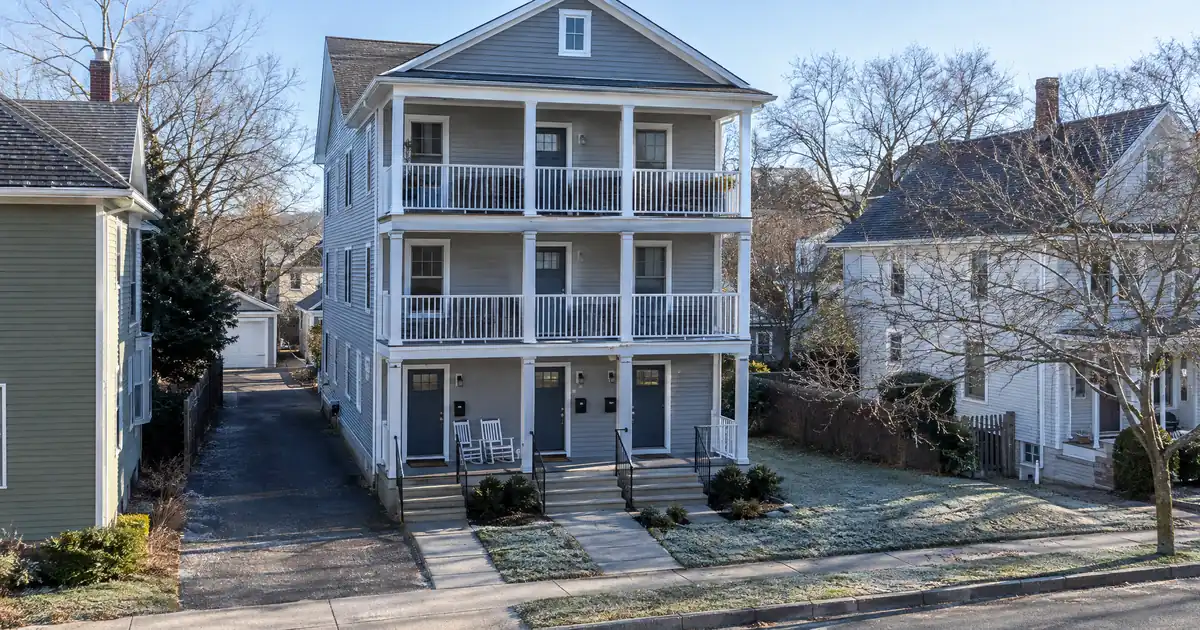
Doors and properties are different units. A DSCR program counts financed properties, and a single property can hold one to four units. The network programs allow up to 20 financed properties. So an operator with 50 doors might hold them in as few as 13 properties if they are fourplexes, or in many more if they are single-family. That count drives how many guaranties you sign.
5-10 doors. You likely have a handful of loans. Recourse is simple and your guaranty exposure is manageable. Non-recourse is rarely worth pursuing at this size.
11-25 doors. Guaranty exposure starts to add up, especially across several LLCs. This is the range where operators begin to ask what a pooled or non-recourse structure would cost. Run the comparison, but know that program availability is thinner for smaller collateral.
26-50 doors. Here the cumulative guaranty is material. A larger, stabilized portfolio may justify a hard look at non-recourse terms. Expect heavier covenants and the need for strong liquidity, since lenders at this scale review the sponsor closely.
Across all three bands, ask one question first. If the worst realistic property failed, would the guaranty reach the rest of your net worth, and could you live with that?
Multiple LLCs add a wrinkle. Whether one loan can cover doors held in several entities depends on the program. The general pattern is common ownership and a simplified holding structure. Confirm the specifics against the program in front of you rather than assuming.
One more practical point. A guaranty may count toward your debt-to-income picture on other loans, depending on the lender, according to a BiggerPockets thread on DSCR loans and DTI. That is investor commentary and varies. For a DSCR borrower it matters mainly if you also apply for a loan that does use personal income.
What Does the Protection Actually Cost?
Non-recourse buys protection by spending something else. Think in dimensions, not dollars.
- Leverage: published norms point to lower proceeds. On the network’s recourse programs, purchase leverage reaches 80% up to $1,000,000 and steps down from there.
- Reserves: often larger. The network’s recourse reserve is six months on the subject property.
- Entity rules: stricter, with separate books and accounts and often limits on other debt.
- Exit terms: prepayment terms are typically heavier.
- Flexibility: lower, because transfers and restructures may need lender consent.
Pricing is a separate conversation and lives in the calculator, which gives an illustrative estimate only. Compare the structural trade-offs first. A modest price difference rarely matters as much as a covenant you cannot keep.
A short example, with no dollar figures. Say you hold 12 doors in four LLCs, financed with recourse loans, and one fourplex underperforms. The property sells for less than its loan. The lender can pursue the guarantor for the shortfall on that loan. Under a non-recourse structure, the lender takes the property and stops, unless you tripped a carve-out. If you moved rents into a shared account, the loss-type carve-out may apply. If you filed a voluntary bankruptcy, the full balance may spring. Same property, very different outcomes, and the difference lives in the documents.
Reading the Guaranty Before You Sign
Whatever you choose, read the guaranty, not the summary. Use this checklist.
1. Who signs? One member, several, or all?
2. Is it a full guaranty or a carve-out guaranty?
3. Which triggers are listed? Separate the loss-type items from the springing ones.
4. Is liability joint and several?
5. Do triggers include technical breaches? Look for covenant failures with no lender harm.
6. What happens on a transfer? Check estate-planning and entity-restructuring moves.
7. How does the guaranty end? Look for payoff, refinance, release clauses or guarantor substitution.
8. Where do the covenants live? They can be in the loan documents and the borrower’s organizational documents.
Maturity matters too. If a loan has a balloon, the guaranty stays live until you refinance. A guaranty does not expire because the market turned. Read the exit path before you need it.
A Balanced Verdict
If you are growing, recourse DSCR is usually the practical choice. It offers wider program access, simpler entity rules and room to restructure. The cost is a personal guaranty, which you should size honestly against your net worth and your number of loans.
If you hold stabilized property and have liquidity and discipline, non-recourse may be worth the price. Just do not treat it as a shield. Carve-outs and covenants can bring recourse back, and the strictness of the entity rules is the real cost.
Many operators in the 5-50 door range land in a hybrid. They use recourse DSCR while building, then reassess non-recourse when the portfolio is stabilized and large enough to justify the covenant load. That is a reasonable path. It is not the only one. For a wider view of how these loans work, see Lendmire’s complete DSCR loans guide.
If you are buying or refinancing a high-balance rental property and want to see how the numbers work, Lendmire can help you compare super jumbo DSCR loan options based on the property income, the loan balance, credit profile, leverage and investor goals.
This article is educational and is not legal or tax advice. Consult a qualified attorney or CPA about your own entities, guaranties and situation.
Frequently Asked Questions
Is a DSCR loan automatically non-recourse?
No. DSCR describes how the loan is qualified, which is property rent measured against debt service. Recourse describes who is liable after a default. Most DSCR loans on small residential rentals carry a personal guaranty, and true non-recourse is the exception, subject to lender guidelines.
Does holding title in an LLC remove my personal guaranty?
No. The LLC can limit unrelated claims against your personal assets, but a loan you guaranteed is still your obligation. Guarantor requirements vary by program, and some lenders limit guarantors to one or a few members. Confirm the wording before you sign.
What triggers a bad-boy carve-out?
Common triggers include fraud, misapplied rents, voluntary bankruptcy, unauthorized transfers, prohibited additional debt and breaches of entity covenants. Some lists also include missed tax payments. Whether a trigger creates loss-only liability or full recourse depends on the guaranty wording.
How many doors can one DSCR program cover?
The network programs allow up to 20 financed properties, and each property can hold one to four units. So 50 doors may fit within that count if the buildings are multi-unit. Eligibility depends on the program, credit, reserves and underwriting.
Can I get out of a guaranty later?
Often through payoff or refinance, and sometimes through a release clause or guarantor substitution if the documents allow it. Check these terms before closing, since they are hard to negotiate afterward.
Lendmire’s self-employed mortgages page presents both super jumbo programs, bank statement and DSCR, side by side.
About Lendmire
Lendmire is a non-QM mortgage brokerage (NMLS# 2371349) arranging DSCR investor loans in 41 markets, including Washington, D.C. DSCR eligibility is generally reviewed around property-level rental income rather than personal income, subject to lender and program guidelines, a fit for self-employed investors and LLC-owned portfolios. Lendmire was recognized as a Scotsman Guide Top Mortgage Workplace in 2025 and 2026.
Get Started
Ready to find the right loan for you?
In about 30 seconds you can review financing options available for your investment property. No commitment required.
Informational only. Not a Loan Estimate, approval, or commitment to lend. Program availability and eligibility are subject to lender guidelines, credit approval, property review, and underwriting.
References
1. BiggerPockets: DSCR Loan for a Multi-Member LLC
2. AFS Law: Non-Recourse Carve-Outs, Borrower and Guarantor Considerations
3. Kelley Clarke Law: Bad-Boy Carve-Outs, What You Actually Guaranteed
4. Adventures in CRE: Non-Recourse Carve-Outs
5. Stephenson Harwood: Bad Boy Guarantees
6. BiggerPockets thread on DSCR loans and DTI
This article is part of Lendmire’s super jumbo DSCR loan program — full qualification details, guidelines, and scenarios live on the program page.
Related reading: Super Jumbo DSCR Insurance Renewal Rules for a Luxury STR Operator · Can an Investor With 5-50 Doors Held in LLCs Go Non-Recourse on DSCR? · Can an LLC Portfolio Owner Replace a Bank Loan With a DSCR Note?
Brandon Miller
Founder & CEO, Mortgage Loan Originator, Lendmire LLC
- Mortgage Loan Originator · NMLS# 1129696 · Verify on NMLS Consumer Access
- North Carolina Real Estate Broker · License# 343312 · Verify on NCREC
- North Carolina Insurance Producer · License# 19053198 · Property, Casualty, Life, Health · Verify on NAIC SBS
- Lendmire LLC · Firm NMLS# 2371349 · Verify firm licensure
Required disclosures. Lendmire (NMLS# 2371349) operates as a licensed mortgage broker, not a direct lender or depository. The discussion in this article is general in nature and should not be relied upon as financial, legal, or tax advice — every investment scenario is unique and should be reviewed by a qualified professional. Any loan inquiry is subject to lender underwriting, and this article is not a commitment to lend or a guarantee of approval. Mortgage rates, loan terms, and program guidelines vary by borrower, property, and state, and may change without notice. Equal Housing Opportunity. Verify licensure at NMLS Consumer Access.