
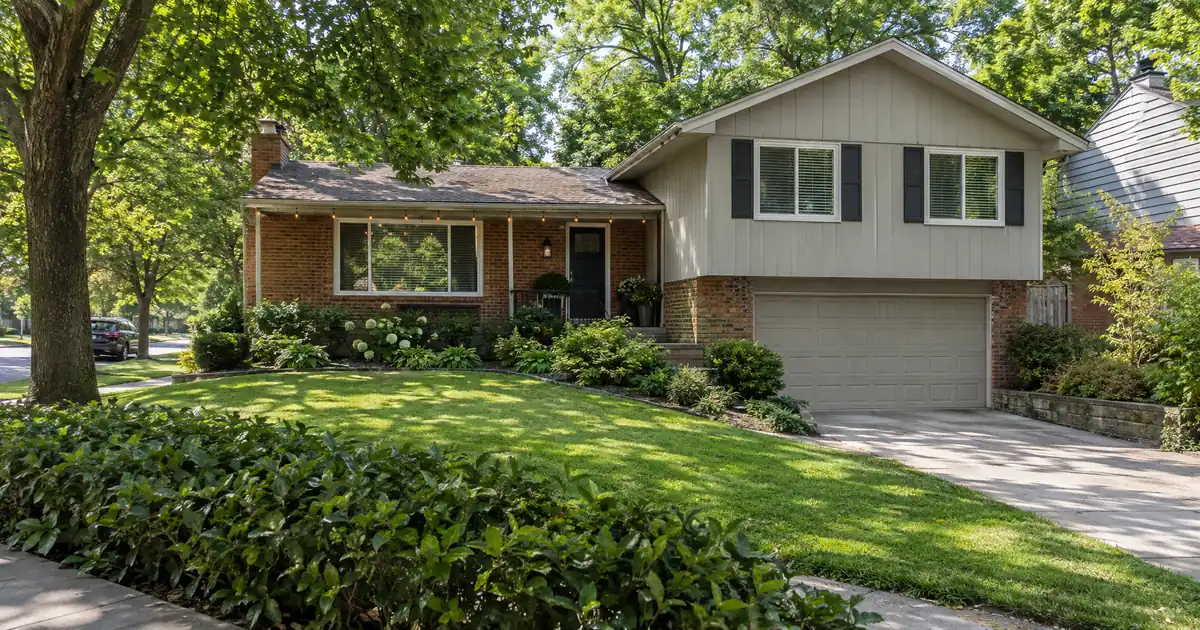
The Quick Read: A cash-out refinance on an investment property lets an investor turn equity into capital for the next rental, and the loan itself sets a ceiling on how much cash comes back. Across most of the wholesale network, a standard rental tops out around 75% LTV on a cash-out. About 6 months of ownership, measured from title recording, is the common seasoning expectation. Net proceeds are then deployed into the next purchase, which is underwritten as its own file. Each figure is subject to lender guidelines and a complete review of property type, leverage, and credit.
- Cash-out on a standard rental generally caps at 75% LTV, subject to lender guidelines.
- Seasoning of about 6 months from title recording is the common expectation.
- Coverage of 1.00 is where select programs start. Stronger ratios open better pricing and leverage.
- Credit commonly lands around 660, with a 620 floor in parts of the network and 700+ for the strongest tiers.
- Reserves are commonly around 6 months of PITIA, stepping up to about 9 months above $1,500,000.
Most investors ask the wrong first question. They ask how much cash they can pull. The better question is what the property can carry after the larger loan is on it, because that coverage number decides the real ceiling.
DSCR Cash-Out Calculator
Run the cash-out numbers in your market
Rate source: Freddie Mac 30-yr average via FRED® — Federal Reserve Bank of St. Louis · effective Oct 15, 2026
Prefilled with starting assumptions — enter your property’s value, balance, taxes, and insurance for a more accurate picture.
Program parameters update from Lendmire’s centralized guideline source. Taxes and insurance are editable estimates.
As of Oct 15, 2026 · General Freddie Mac market benchmark, not a Lendmire loan offer. Property value, balance, taxes, and insurance are editable estimates. Maximum loan-to-value varies by lender, program, property type, and seasoning. Not a Loan Estimate, approval, or commitment to lend. Program availability and eligibility are subject to lender guidelines, credit approval, property review, and underwriting.
What Limits the Cash You Walk Away With
The cash is limited by a stack of tests, applied in order: appraised value, the leverage ceiling, payoff of the old loan, closing costs, and any reserve requirement. Whichever test binds first sets the check. Leverage, reserves, and pricing vary by lender and program; the final terms follow the full file review.
Here is the stack, step by step:
1. Value. The appraiser sets the property’s value. That number is the starting point for everything.
2. Leverage ceiling. On a cash-out against a standard rental, most programs in the network stop around 75% LTV. Multiply that by value and you have the maximum new loan.
3. Payoff. The new loan first retires the existing lien. Whatever is left is gross proceeds.
4. Costs. Closing costs and prepaid items come out of the gross figure. Net is always smaller than gross.
5. Coverage. The larger balance raises the payment on the refinanced property. If rent no longer covers PITIA at the level the program requires, the loan amount shrinks until it does.
6. Reserves. Lenders commonly want about 6 months of PITIA in reserve. Cash-out proceeds are generally not counted toward that requirement, though treatment varies by lender and file.
Step five is the one most investors skip. DSCR is monthly rent divided by PITIA, which covers principal, interest, taxes, insurance, and any HOA dues. Pull more cash and the denominator grows. A property that clears 1.20x at modest leverage may drop toward 1.00x at the ceiling.
Clearing 1.00 is also not the same as positive cash flow. The calculation compares rent to PITIA only. Repairs, vacancy, management, utilities, and capex sit outside it.
An illustrative calculator on the site can help you test how value, leverage, and rent interact. Treat its output as an estimate, not a quote.
Seasoning: Three Clocks, One Rule of Thumb
Seasoning is lender policy, not law, and for most programs in the network the practical benchmark is about 6 months from the date title was recorded. Until that period passes, appraised value above what you paid is generally not counted.
The reasoning is straightforward. A lender wants proof that the value is real and not a quick flip on paper. Waiting out the clock lets a higher appraisal stand on its own.
Investors often confuse three separate clocks:
- Title clock. Time since you recorded ownership. This is the one that usually governs when cash-out against full appraised value opens up.
- Rent clock. Whether the property has a lease or a rental history supporting the rent used for lender review.
- Prior-loan clock. The age of the existing lien, which matters mainly when that lien is a short-term or hard-money loan.
A recorded hard-money lien can trigger the refinancing lender’s own seasoning rules. Lender behavior differs, so the safest approach is to ask before you commit to a payoff plan. For a short-term-rental property, expect a longer track record: about 12 months of hosting history is a common expectation, and cash-out leverage is lower at around 70% on short-term-rental collateral.
Delayed Financing: The Cash Buyer’s Exception
An investor who bought with cash can often refinance sooner than the standard seasoning window, but the cash returned is typically limited to what the investor actually put into the property. It is a recovery of invested capital, not a pull of appreciation.
Investors who paid all cash report different treatment from lender to lender. Some lenders allow a refinance up to the acquisition cost soon after purchase, while others apply their normal seasoning rules. Treat any single anecdote as just that. If this is your plan, confirm the specific lender’s rule before you buy, since it affects how much working capital you need to keep on hand.
A checklist helps when you take this route:
- A settlement statement showing the purchase was paid in cash.
- Proof of the source of those funds.
- Records of documented improvements, if you want them counted.
- Confirmation that no liens from the purchase remain.
Use of Proceeds: Lender Rules First
DSCR loans are designed for non-owner-occupied investment properties, and because they are business-purpose investor loans, they are reviewed differently from a standard owner-occupied mortgage. That is why proceeds are expected to go toward a business use, such as the next rental, and not personal spending.
In practice, the lender asks for a business-purpose certification at closing. A signed box alone is thin evidence of what actually happened to the money. The investor should keep a clean record of where the cash goes: the transfer to the escrow or title company on the next purchase, the invoices on a rehab, the deposit to a reserve account.
Tax treatment can depend on how the funds are used and how the property is held; investors should keep clear records and speak with a qualified tax professional before relying on any deduction.
Moving Proceeds Into the Next Purchase
The cash from the refinance becomes the down payment on the next rental, and that purchase is underwritten as a separate file with its own tests. Nothing about the first loan guarantees the second.
Plan for these points:
- Purchase leverage. Most purchase files land at 75% to 80% LTV, which means 20% to 25% down. Select high-leverage programs reach 85% LTV on a purchase with roughly a 700+ score.
- Seasoned funds. Lenders want to see where down payment money came from. Cash that has landed in your account from a closed refinance is easy to trace, because the closing statement documents it.
- Reserves on both properties. The new purchase carries its own reserve expectation. Do not assume the refinance proceeds double as reserves.
- Coverage on the new property. It must stand on its own rent. Most programs start at a 1.00 coverage floor, and stronger ratios open better terms.
A larger down payment lowers the payment and can lift the coverage ratio. It never erases leverage caps, credit floors, reserve rules, or property eligibility. The strongest files clear both tests: enough equity and enough rental coverage.
Picture an investor holding a long-term rental with strong equity and a modest existing balance. Pulling to the 75% ceiling might feel natural, but if that pushes coverage on the old property near 1.00x, a smaller draw can keep the file comfortable. Both outcomes can be reasonable. The deciding variable is how much cushion the investor wants on the property that stays behind.
Structures and Variations Worth Knowing
Most cash-out files are built on a 30-year fixed structure, but select lenders in the network offer extended terms, interest-only periods, and ARM options. These change the payment and therefore the coverage ratio.
Interest-only and 40-year terms lower the monthly obligation, which can help a property clear its coverage test at higher leverage. The tradeoff is slower principal paydown. For loans above $2,500,000, the network generally holds to 30-year fixed structures.
Coverage below 1.00 is a separate path. It is available through select lenders in the network, with leverage and terms adjusted. It is not the same program with a lower floor. An investor reaching for it because no neighborhood pencils at standard terms should re-examine the target market before leaning on that structure.
No-ratio qualification is available only through select lenders, generally for borrowers who already own a primary residence. It is a narrow lane and not a default plan.
Loan size matters too. Standard programs run up to $3,000,000, and smaller balances route through select lenders in the network.
Where the General Rule Breaks
The business-purpose test looks at what the money is for, not what the property is called. That is the single biggest edge case, and it shows up in several forms.
Entity versus individual. Loans made to an LLC are generally outside consumer-credit rules regardless of purpose, as America’s Credit Unions explains. The same source notes that a consumer-purpose loan to a trust can still be treated as a consumer loan. Entity lending is subject to lender program eligibility, so confirm that your vesting structure is accepted before you plan around it.
Personal use. Doss Law offers an example worth remembering: a cash-out on a single-family rental, made to a natural person to pay personal income taxes, can fall under consumer lending rules. The lesson is practical. If the cash is headed to a personal expense, that is a different loan conversation.
Small multifamily. Compliance Alliance notes that the label “investment” does not decide the question on its own. Its summary of the regulatory commentary treats acquiring an owner-occupied rental as business purpose when the property has more than 2 units, and improving or maintaining one only above 4 units.
Ineligible property types. Manufactured homes (single- and double-wide), log homes, and barndominiums are not offered through the network’s DSCR programs.
The next rental is a business purchase. If your plan is to use the proceeds on an acquisition, that fits the business-purpose profile cleanly. Keep the paper trail.
The Investor Decision in Practice
Pulling cash makes sense when the next property’s return exceeds the added cost and the old property still covers its larger payment. It makes less sense when it reprices a strong existing loan for modest gain.
A cash-out reprices the entire balance, not just the new cash. An investor holding a favorable existing loan is trading that for a bigger balance on new terms. It also lowers cash flow on the old property, since the payment rises. Weigh that against the new property’s cash flow.
Some questions to settle before committing:
| Question | Pulls toward cash-out | Pulls toward waiting |
|---|---|---|
| Coverage after the draw | Stays comfortably above 1.00x | Lands near the floor |
| Existing loan terms | Unremarkable | Notably favorable |
| Next property | Under contract, numbers tested | Still a vague plan |
| Reserves | Adequate on both files | Thin after closing |
Credit also plays a role. Most programs want around 660, a 620 floor exists in parts of the network, and 700+ unlocks the strongest leverage tiers. Check your score before you pick a target LTV.
Programs change and every file is underwritten individually, so the figures above describe typical network ranges and not guarantees. For a deeper walk through how these loans work, see the complete DSCR loans guide. Investors still deciding how to fund the down payment can compare options in Lendmire’s piece Rental HELOC vs Cash-Out Refinance for an Investor’s Down Payment.
Key Terms Defined
Proceeds. The cash you receive after the new loan pays off the old one and closing costs are deducted.
Seasoning. The waiting period after you take title before a lender counts appraised value above your purchase price.
DSCR. Debt service coverage ratio, meaning monthly rent divided by PITIA.
PITIA. Principal, interest, taxes, insurance, and any association dues on the property.
LTV. Loan-to-value, the loan balance divided by the property’s appraised value.
Delayed financing. A refinance after a cash purchase, generally limited to the capital you invested.
Frequently Asked Questions
How much cash can I take out on a rental property?
Most programs in the network cap a standard rental cash-out at about 75% LTV, subject to lender guidelines. The actual check is smaller after payoff, closing costs, and any coverage or reserve limits. Short-term-rental collateral generally tops out lower, around 70%.
How long do I have to own the property before a cash-out?
About 6 months of ownership, measured from title recording, is the common expectation. Cash buyers may find a delayed-financing path with different timing, though lender treatment varies, so confirm before you buy.
Can I use the proceeds for anything I want?
The loan is a business-purpose loan, so proceeds are expected to go toward the business, such as the next rental, repairs, or reserves. Personal spending can change how the loan is classified. Keep a record of where the money goes.
Will cash-out proceeds count toward my reserves?
Generally not. Reserves are commonly around 6 months of PITIA, and about 9 months above $1,500,000, but this varies by lender, leverage, and loan size. Plan to hold reserves separate from the cash you pull.
Does pulling more cash hurt my DSCR?
Yes, because a larger balance raises PITIA and the ratio falls. A property that clears comfortably at lower leverage may sit near 1.00x at the ceiling, so test the coverage before choosing your draw.
If you are buying or refinancing a rental property and want to see how the numbers work, Lendmire, a mortgage broker arranging DSCR financing across 41 markets including Washington, D.C., can help you compare DSCR loan options based on the property income, credit profile, leverage, and investor goals. Qualification is subject to lender guidelines, and nothing here is a commitment to lend.
For the mechanics of pulling equity out of a rental property, see Lendmire’s guide to cash-out refinance on an investment property.
About Lendmire
Lendmire is a non-QM mortgage brokerage (NMLS# 2371349) arranging DSCR investor loans in 41 markets, including Washington, D.C. DSCR eligibility is generally reviewed around property-level rental income rather than personal income, subject to lender and program guidelines, a fit for self-employed investors and LLC-owned portfolios. Lendmire was recognized as a Scotsman Guide Top Mortgage Workplace in 2025 and 2026.
Get Started
Ready to find the right loan for you?
In about 30 seconds you can review financing options available for your investment property. No commitment required.
Informational only. Not a Loan Estimate, approval, or commitment to lend. Program availability and eligibility are subject to lender guidelines, credit approval, property review, and underwriting.
References
2. Doss Law
This article is part of Lendmire’s investment property cash-out refinance program — full qualification details, guidelines, and scenarios live on the program page.
Related reading: Can You Take a Cash-Out Refinance on a Rental After Selling a Business? · Can a Cash-Out Refinance Pull Equity Out of a Rental to Invest? · DSCR Insurance Rules When You Own a Rental Out of State
Brandon Miller
Founder & CEO, Mortgage Loan Originator, Lendmire LLC
- Mortgage Loan Originator · NMLS# 1129696 · Verify on NMLS Consumer Access
- North Carolina Real Estate Broker · License# 343312 · Verify on NCREC
- North Carolina Insurance Producer · License# 19053198 · Property, Casualty, Life, Health · Verify on NAIC SBS
- Lendmire LLC · Firm NMLS# 2371349 · Verify firm licensure
Required disclosures. Lendmire (NMLS# 2371349) operates as a licensed mortgage broker, not a direct lender or depository. The discussion in this article is general in nature and should not be relied upon as financial, legal, or tax advice — every investment scenario is unique and should be reviewed by a qualified professional. Any loan inquiry is subject to lender underwriting, and this article is not a commitment to lend or a guarantee of approval. Mortgage rates, loan terms, and program guidelines vary by borrower, property, and state, and may change without notice. Equal Housing Opportunity. Verify licensure at NMLS Consumer Access.