
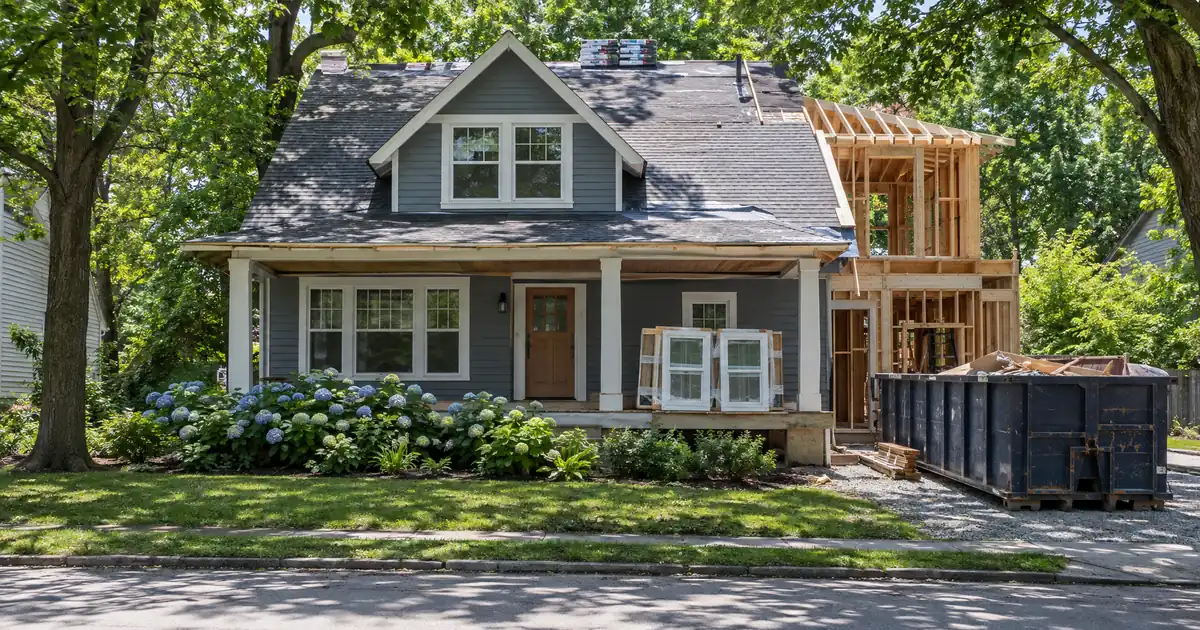
The Quick Read: Private lenders and direct hard money lenders both fund flips against the property, but a private lender usually weighs your relationship and the story of the deal, while a direct lender works from written guidelines, entity documents, a rehab budget and a draw schedule, and both expect you to bring your own cash.
- A private lender is often an individual or small group lending their own money. Requirements are negotiated deal by deal.
- A direct hard money lender is a company lending its own capital. Requirements are written down and repeatable.
- Both focus on the property, the plan and the exit far more than on your income.
- Both want proof of liquidity, and home equity generally does not count as cash.
- Many flippers use the flip loan as a bridge, then refinance into long-term rental financing.
Here is the honest answer on who each is for. A private lender suits an investor who already has a personal relationship with the person writing the check, and who can live with looser structure. A direct lender suits an investor who wants a documented process and plans to do more than one deal. Neither is automatically easier. They ask for different things, and the difference shows up in paperwork, not in whether you need money of your own.
What this loan actually costs to carry.
Hard money is sized against the project and priced by time. Enter the deal and see how much the program will lend, the cash required at closing, the carry while you hold it, and what is left at the exit.
Leverage tiers on the current program: 85% with fewer than 2, 90% with 2 or more, 93% with 5 or more completed projects — every tier capped at 75% of after-repair value. Loan amounts up to $5,000,000, larger by exception; terms of 6 to 18 months, interest-only, no prepayment penalty. The rehab portion funds in draws against completed work, not at closing.
Program parameters shown update from Lendmire’s centralized guideline source. Rate, points, and months are editable assumptions, not quoted terms.
Cost cap sets the loan · positive spread
Illustrative estimate only — not a quote, Loan Estimate, approval, or commitment to lend. Rate, points, and months are editable assumptions. Hard money is business-purpose financing for real estate investors, not a consumer mortgage. Leverage on the current program tops out at 93% of project cost for investors with a documented track record, capped at 75% of after-repair value, with rehab funding up to 100% of the documented budget released in draws; actual terms vary by lender, borrower experience, property, and exit. Lendmire is a mortgage broker, not a lender.
Side-by-Side
This table shows published industry norms for each lender type. Terms vary by lender, property, and experience, so treat it as a map of tendencies rather than a rule book.
| Factor | Private Lender (Individual/Group) | Direct Hard Money Lender |
|---|---|---|
| Source of funds | Personal savings, family or pooled money | Company capital or credit lines |
| Review basis | Relationship, character, the deal story | The property, the plan, the exit |
| Documentation | Simple note and deed, negotiated | Written guidelines, draw schedule, entity papers |
| Property types | Negotiated; some prefer light rehabs | Typically non-owner-occupied residential |
| Entity vesting | Flexible; sometimes personal name | LLC and EIN commonly requested |
| Rehab funding | Informal or lump sum, case by case | Draws against a budget are typical |
| Reserves | Expectation set by the lender | Cash after closing often requested |
| Process formality | Varies with the person | Set by company policy |
| Exit | Often agreed informally | Defined: sale or refinance |
Notice what is missing. Credit score and personal income are not the headline rows on either side. Both types lend against an asset, and that shapes everything below.
What the Labels Really Mean
The two labels overlap. Offermarket’s comparison of hard money and private money points out that one flip loan can be both: the property secures it, which makes it hard, and the lender may be using personal cash, which makes it private. It also notes that a private loan can have no collateral at all. A friend who lends you cash for materials on a promise to repay is private money, but not hard money.
So a label tells you less than the documents do. A direct lender might call its product a fix-and-flip loan, a bridge loan or hard money, and all three can describe the same structure. Private money is also a broad umbrella. It can include small funds and family offices as well as individuals.
That is why this article sorts lenders by who they are and how formal they are. The useful question is not “which label is this?” It is “what will this lender require, in writing, before I can start work?”
When a Private Lender Is the Better Fit
A private lender is the better fit when trust is already built and the deal is simple. Think of a flipper who has worked with the same lender for years, or a first-timer whose relative wants to fund a straightforward cosmetic rehab. In those cases the lender may accept informal valuations, a short plan and a handshake-level timeline, and may skip entity paperwork a company would insist on.
Private lending also fits deals that don’t match a company’s boxes. A property type, a scope or a borrower profile that a direct lender’s guidelines exclude can still work if one person is willing to say yes. Some private lenders prefer light rehabs or finished projects over heavy construction, so match the project to the person.
The tradeoffs are real, and they sit on your side of the table:
- Informal terms can shift. Without a written draw process, an extension or a payoff condition can become a dispute.
- Documentation may be thin. A thin note is easy to sign, but it leaves you with fewer protections if the relationship sours.
- Licensing varies. State rules differ on whether lending your own money, even for business purposes, requires a license. Confirm the rules for your state before you rely on a casual arrangement.
- Capacity is limited. One person’s pool of capital may cap how many deals they can fund for you.
Picture a flipper buying a dated ranch house for a cosmetic update. The lender is a longtime acquaintance, and both agree on the purchase price, the budget and a payoff plan. The paperwork is short, and it works. Now picture the same flipper trying to scale to several projects at once. The same lender may run out of capital, and the informal structure starts to strain.
When a Direct Hard Money Lender Is the Better Fit
A direct lender is the better fit when you want a repeatable process. You get written guidelines, a defined draw schedule and entity-level documents. For a repeat flipper, that predictability is the product. You know before you bid what the lender will ask for, and you can plan several projects at once.
Direct lenders also tend to handle larger rehabs. Construction draws against a budget are the norm, so the lender releases money as work is completed. That protects the lender, and it also gives you a clear payment path for the contractor.
Expect more process, though. A direct lender typically underwrites closely to two numbers: the after-repair value (ARV, the estimated worth once the work is finished) and your timeline. You will be asked for comps that support both your purchase price and your sale price, a detailed rehab plan and proof of experience. First-time flippers can qualify at the lower leverage tiers, but the top tier is reserved for experienced investors.
The tradeoff is structure itself. A direct lender will not bend a guideline because you have a good story. If your project fits the written box, that is a strength. If it does not, you need a different lender.
What Direct Hard Money Looks Like Across Lendmire’s Network
Lendmire is a mortgage broker, so it arranges these loans through select lenders in its wholesale network rather than lending directly. Across that network, the direct hard money side shows fairly consistent parameters. Every figure varies by lender, property, and experience, and nothing here is a commitment to lend.
- Fix-and-flip leverage is loan-to-cost. Loan-to-cost means the loan as a share of total project cost. It runs 93% of project cost at 5 or more completed projects, 90% of project cost at 2 or more, and 85% with fewer than 2. Every tier is capped at 75% of ARV.
- Rehab funding comes in draws. Up to 100% of the rehab budget funds in draws against completed work. That is a rehab-budget figure, not a purchase LTV. There is no true 100% purchase program.
- Other transaction types differ. Bridge purchases without rehab go up to 80% of purchase price. Cash-out and rate-and-term refinances go up to 65% of value.
- Terms are short. Expect 6 to 18 months, interest-only, with no prepayment penalty. There are no multi-year options on the current program.
- Credit is reviewed, not ignored. A 620 minimum score applies, with additional conditions below 660. Underwriting stays asset-based, so the property, plan and exit carry the file.
- Collateral is residential investment property. That means non-owner-occupied 1-4 units, with ground-up construction up to 10 units.
- Loan sizes reach $5,000,000. Larger loans are considered by exception, and smaller balances vary by lender.
An individual private lender may set none of these in writing. That is the single clearest difference between the two columns.
What to Have Ready Before You Apply
The documents are similar on both sides. The difference is how formally each lender asks for them, and a direct lender asks in writing, up front. Prepare this list either way:
1. A purchase contract. The lender needs to know what you are buying and for how much.
2. A scope of work and budget. This is the plan that the draws will fund against.
3. Comps for purchase and exit. They support both your price in and your price out.
4. Proof of liquidity. Show cash to close, plus money left over for interest and for starting the rehab before the first draw. Home equity generally does not satisfy a cash-reserve request.
5. Entity documents. An LLC, an EIN and bank statements are commonly requested, subject to lender program requirements.
6. Experience evidence. Completed projects matter most at the higher leverage tiers.
7. An exit plan. State whether you will sell or refinance.
The reason the list looks the same is simple. Whether you borrow from a person or a company, someone needs to believe the property is worth more after the work, that you can pay for the gap, and that there is a clear way out.
Business Purpose Changes the Paperwork
Hard money and private flip loans are business-purpose investor loans, so they are reviewed differently from a standard owner-occupied mortgage. The FDIC’s examination manual lists credit extended primarily for a business purpose among the exemptions from Regulation Z, and says lenders should look at the borrower’s own statement of what the proceeds are for. That is why lenders ask you to confirm the purpose and why owner-occupied properties are off the table.
The exemption is narrower than it sounds. A Hunton law-firm paper on business-purpose lending makes the point that lending to an entity is a separate exemption from the business-purpose one, and that business purpose does not mean exempt from every rule. State licensing can still apply. The paper is older, so use it for the concept rather than for current detail.
Questions to Ask Any Lender
Because the labels overlap, ask the same questions of everyone. Tell them whether you are buying with rehab or without, and see how they answer:
- What will you fund: purchase only, or purchase plus rehab?
- How do draws work, who inspects, and who releases the money?
- What cash do I need at closing, and what must I hold in reserve afterward?
- Is the loan measured against cost, ARV or both, and what are the caps?
- Do you need an entity, and in whose name does title sit?
- What happens if the project runs past the term?
- Is there a prepayment penalty or a minimum interest period?
- Which states are you licensed in, if a license applies?
- Is everything in writing before I commit funds?
A lender that answers these cleanly, whatever it calls itself, is easier to work with than one that answers with a label.
Using Both on One Flip
The two lanes are not exclusive. Some investors take a private loan to buy and start work, then move to a direct lender once a project grows. Others use a direct loan for the flip and exit into long-term financing. Many investors refinance out of a flip loan into long-term DSCR financing once the property is stabilized as a rental, and Lendmire brokers that path. Lendmire’s complete DSCR loans guide explains how that exit works, including how a rental loan looks at rent against the full payment.
Tax treatment varies; consult a qualified professional.
The Verdict
Choose a private lender when the relationship is strong, the deal is simple and you can accept informal structure. Get the key terms in writing anyway. Choose a direct hard money lender when you want written guidelines, a draw process and a path you can repeat across many projects.
Neither option removes the need for your own cash. Flipping stays cash-intensive even when a lender funds most of the project, and the strongest files show liquidity, a documented plan and a clear exit. Pick the lender whose paperwork you can read, not the one with the friendliest label.
Frequently Asked Questions
Can one flip loan be both a private loan and a hard money loan?
Yes. The labels describe different things: hard means the property secures the loan, and private means the lender is using personal or non-bank capital. A loan can be secured by the house and funded by an individual, which fits both labels at once.
Does a hard money lender care about my credit?
Yes, though less than a bank would. Across Lendmire’s network, a 620 minimum score applies, with additional conditions below 660. This varies by lender, property, and experience.
Do I need an LLC to borrow for a flip?
Many direct lenders ask for an LLC, an EIN and bank statements, and some private lenders are more flexible. Entity vesting is accepted subject to lender program requirements. Ask early, because the entity needs to exist before the documents are collected.
Is a private lender cheaper or looser than a direct lender?
Not as a general rule. A private lender may be more flexible on structure, but that flexibility can mean thin documentation. Compare the full terms of each, including draw rules, reserve expectations and the exit, rather than assuming either label is looser.
Can I use a flip loan to buy a home I will live in?
No. These loans are for business-purpose, non-owner-occupied investment property. Across Lendmire’s network that means residential 1-4 units, with ground-up construction up to 10 units.
Next Step
If you are buying, rehabbing or refinancing an investment property on a short timeline and want to see how the numbers work, Lendmire can help you compare hard money options based on the project, the exit plan, leverage, and your goals. Lendmire is a broker arranging financing through select lenders across 41 markets, including Washington, D.C. Program details change, and every file is underwritten individually.
Flippers who treat the loan as a bridge, with a refinance already planned, tend to ask better questions on day one.
About Lendmire
A DSCR-focused mortgage broker, Lendmire (NMLS# 2371349) places investor financing across 41 markets — 40 states plus Washington, D.C. — with DSCR eligibility generally reviewed by the lender on property cash flow instead of tax returns, subject to lender guidelines. Scotsman Guide named Lendmire a Top Mortgage Workplace in 2025 and 2026.
Many investors treat hard money as the acquisition tool and plan the exit up front – see the hard money loan overview.
Get Started
Ready to find the right loan for you?
In about 30 seconds you can review financing options available for your investment property. No commitment required.
Informational only. Not a Loan Estimate, approval, or commitment to lend. Program availability and eligibility are subject to lender guidelines, credit approval, property review, and underwriting.
References
1. Offermarket, Hard Money vs Private Money
2. FDIC Consumer Compliance Examination Manual, Truth in Lending Act
3. Hunton, Beware of Business Purpose
This article is part of Lendmire’s hard money loan program — full qualification details, guidelines, and scenarios live on the program page.
Related reading: Can You Have More Than One Fix and Flip Hard Money Loan at Once? · Can You Use Hard Money to Flip a Triplex or Fourplex? · Can You Buy a Flip in an LLC With a Hard Money Loan?
Brandon Miller
Founder & CEO, Mortgage Loan Originator, Lendmire LLC
- Mortgage Loan Originator · NMLS# 1129696 · Verify on NMLS Consumer Access
- North Carolina Real Estate Broker · License# 343312 · Verify on NCREC
- North Carolina Insurance Producer · License# 19053198 · Property, Casualty, Life, Health · Verify on NAIC SBS
- Lendmire LLC · Firm NMLS# 2371349 · Verify firm licensure
Important disclosures. Lendmire (NMLS# 2371349) is a licensed mortgage brokerage. Lendmire is not a direct lender, depository institution, or financial advisor. All loan inquiries are subject to lender underwriting; this article does not constitute a commitment to lend. Rates, terms, and program guidelines are subject to change without notice and vary by borrower profile, property type, and state. Information in this article is general in nature and is not financial, legal, or tax advice. Equal Housing Opportunity. NMLS Consumer Access: nmlsconsumeraccess.org.