
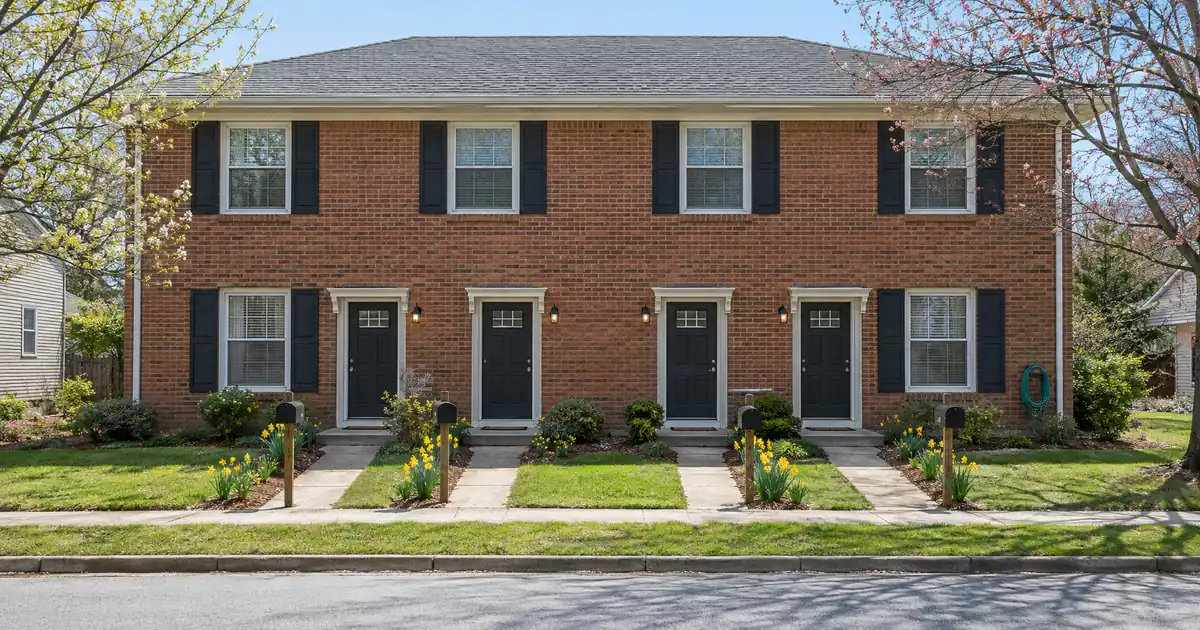
The Quick Read: Yes, hard money can finance a triplex or fourplex flip, as long as the building is non-owner-occupied and has four units or fewer. Across the wholesale network, hard money programs treat 1-4 unit properties as residential collateral, so a three- or four-unit building fits.
- Fix-and-flip leverage is tiered by completed projects: 85% of project cost with fewer than 2 projects, 90% at 2+, 93% at 5+. Every tier is capped at 75% of after-repair value.
- Up to 100% of the rehab budget funds in draws against completed work.
- Terms run 6-18 months, interest-only, with no prepayment penalty.
- Owner-occupied deals and buildings of 5+ units are not part of this program.
- The exit decides the deal: sell, or refinance into long-term rental financing.
All figures vary by lender, property, and experience, and nothing here is a commitment to lend.
What this loan actually costs to carry.
Hard money is sized against the project and priced by time. Enter the deal and see how much the program will lend, the cash required at closing, the carry while you hold it, and what is left at the exit.
Leverage tiers on the current program: 85% with fewer than 2, 90% with 2 or more, 93% with 5 or more completed projects — every tier capped at 75% of after-repair value. Loan amounts up to $5,000,000, larger by exception; terms of 6 to 18 months, interest-only, no prepayment penalty. The rehab portion funds in draws against completed work, not at closing.
Program parameters shown update from Lendmire’s centralized guideline source. Rate, points, and months are editable assumptions, not quoted terms.
Cost cap sets the loan · positive spread
Illustrative estimate only — not a quote, Loan Estimate, approval, or commitment to lend. Rate, points, and months are editable assumptions. Hard money is business-purpose financing for real estate investors, not a consumer mortgage. Leverage on the current program tops out at 93% of project cost for investors with a documented track record, capped at 75% of after-repair value, with rehab funding up to 100% of the documented budget released in draws; actual terms vary by lender, borrower experience, property, and exit. Lendmire is a mortgage broker, not a lender.
Why a Triplex or Fourplex Fits Hard Money
Buildings with up to four units count as residential for lending and zoning. LoopNet describes duplexes, triplexes, and fourplexes this way. That is why the hard money programs the wholesale network places files with run to 1-4 units on non-owner-occupied property.
Hard money is asset-based. The lender looks at the as-is value, the after-repair value (ARV), the rehab plan, and your exit. It does not lean on the personal income documents a bank wants. It is still underwriting. Weak collateral or a vague exit gets a file declined.
Credit still matters. A 620 minimum score is the floor on the network, with added conditions below 660. First-time investors qualify at the lower leverage tiers. The top tier is for investors with a record of completed projects.
How Much Can You Borrow on a Multi-Unit Flip?
Leverage is measured against cost, then checked against value. The network’s fix-and-flip tiers are 85%, 90%, and 93% of project cost. They depend on how many projects you have finished. All three are capped at 75% of ARV.
The cap is where flips get tight. Say a fourplex needs heavy work and the ARV comes in light. The ARV cap, not the cost tier, sets your loan. That leaves a bigger equity check at the table.
Rehab money works differently. Up to 100% of the rehab budget is funded in draws as work is completed and inspected. That is a rehab-budget figure, not a purchase loan-to-value. There is no true 100% purchase program. A bridge purchase with no rehab runs up to 80% of the purchase price.
Loan sizes go up to $5,000,000, with larger loans by exception. A three- or four-unit building usually sits well inside that.
Triplex vs. Fourplex for a Flipper
The two buildings look alike on paper but behave differently in a file.
| Factor | Triplex | Fourplex |
|---|---|---|
| Lending category | Residential, 1-4 units | Residential, 1-4 units |
| Rehab scope | Three unit scopes | Four unit scopes |
| Vacancy effect | One empty unit is about a third of income | One empty unit is about 25% |
| Appraisal risk | Fewer comps in some markets | Code rules can be stricter |
| Next step up | Fourplex | 5+ units, commercial |
The vacancy figures and the comp and code points come from LoopNet. The practical read: triplexes can be harder to appraise because comps run thin in some markets. Fourplexes can pull in fire and sprinkler requirements in some areas. Ask about both before you make an offer, not after the contract.
A fourplex is also the ceiling. Add a fifth unit and the building moves to commercial underwriting. Hard money for 1-4 units does not follow it there.
What Qualifies and What Doesn’t
The checklist is short.
- The property is non-owner-occupied, 1-4 units.
- The borrower is an investor with a plan, a budget, and an exit.
- The credit score clears the floor, and the leverage tier matches your project history.
- The legal unit count matches what is on the ground.
That last point trips people up. Legal unit count and zoning drive the loan category. A building that has been informally split into extra units, or one where a unit is being converted, can land in a different category than the one you expected. Sort that out with the lender before you price the deal.
What about living in one unit? That is not a hard money flip. These programs cover non-owner-occupied property only. An owner-occupied purchase of a multi-unit building runs through different financing, and that is a different strategy from a flip.
Occupied buildings are a gray area. Some lenders accept tenants in place. Tenants complicate scope, schedule, and holdback inspections, so expect more questions on those files.
Valuing a Multi-Unit Flip
Value is the hardest part of the file. A single-family flip leans on sold comps. A three- or four-unit building can be valued on comps, on income, or on both, and the appraiser’s method can move the ARV.
Build the ARV conservatively. If the number only works on the best comp, treat it as a risk. Pull a rent schedule too. It gives you a floor if the sale slows and you decide to hold.
ATTOM’s year-end report, as reported by HousingWire, counted 297,045 flips, with a typical gross profit of $65,981 and a 25.5% gross return, the lowest since 2008. One limit applies: ATTOM counts single-family homes and condos only. These are not triplex or fourplex numbers. Use them as a caution about margins, not a forecast for your building.
The Exit Is the Real Constraint
A flip needs a buyer. For a three- or four-unit building, the buyer is an investor or an owner-occupant who plans to live in one unit.
That second buyer can limit you. Owner-occupant buyers often use FHA financing, and FHA has a resale rule aimed at flips. A resale inside 90 days of the seller’s purchase is not eligible for FHA insurance. Resales between 91 and 180 days may need extra documentation. The clock runs from your purchase date to the buyer’s contract date. A buyer who signs before day 91 is the usual trap.
The fix is to know your buyer pool before you set the schedule. If you may need to sell to an owner-occupant, build the timeline around the rule. If you plan to sell to an investor, the rule matters less.
Sell or Hold: The Dual-Exit Plan
Plan both exits before you take the bridge loan.
| Exit | What has to be true | Main risk |
|---|---|---|
| Sell | Buyer pool and ARV hold up | Slow sale, carry costs |
| Refinance and hold | Units rented, coverage clears | Rent too low, timing gap |
The hold path is where many investors end up. A number of flippers refinance out of hard money into long-term DSCR investor loans once the property is stabilized, and Lendmire brokers that path. Rent drives the test. DSCR compares rent to the full monthly obligation, which is principal, interest, taxes, insurance, and any HOA dues. Clearing 1.00 is not the same as positive cash flow. Repairs, vacancy, management, utilities, and capex sit outside the calculation.
On rental refinances, the network’s cash-out tops out around 75% LTV on standard rentals, with about 6 months of seasoning as the common expectation. Credit expectations are higher too: most programs want around 660. A multi-unit building helps here because income spreads across several tenants, and that can steady the coverage number. Lendmire’s complete DSCR loans guide covers how coverage, leverage, and reserves work together.
The timing gap is the trap. If the rehab runs long and the units are not rented before the term ends, you have a loan coming due on a building that cannot yet support the take-out. The hard money term runs 6-18 months, so plan the lease-up inside it. Leave room for delays.
Rehab in a Multi-Unit Building
Rehab draws work the same way as on any flip. Funds are held back and released as work is completed and inspected. Multi-unit adds friction.
- Scope by unit. Each unit needs its own line items. A missed unit shows up at the draw inspection.
- Permits and code. Fire separation and egress rules can apply more heavily to three- and four-unit buildings.
- Tenants in place. Notice requirements and local rules vary, and they affect your schedule.
- Draw timing. Inspections gate every release, so a stalled unit can hold up the money for the rest.
Operators who flip small multifamily tend to budget a contingency line for exactly these items. It is cheaper than a stalled draw.
Business Purpose and the Borrowing Entity
Hard money flip loans are business-purpose credit, made on non-owner-occupied investment property. Because of that, they are reviewed differently from a standard owner-occupied mortgage. Federal rules exempt credit extended primarily for a business purpose, and also credit to someone other than a natural person, such as an LLC. See the CFPB’s Regulation Z text for the exemption. Borrowing through an LLC is common, subject to lender program eligibility.
The practical point: the loan must really be for a business purpose. A borrower who will live in the building is on the wrong product.
Common Mistakes
1. Treating a fourplex like a single-family flip. Scope, valuation, and buyer pool all differ.
2. Ignoring the five-unit line. Crossing it changes the loan category.
3. Building an ARV on one comp. Thin comps are common on multi-unit.
4. Listing before the FHA window closes. It can shrink your buyer pool.
5. Skipping the second exit. If the sale stalls, the refinance plan has to be ready.
6. Using margin data from the wrong property type. Flip statistics cover single-family and condos.
Pre-Offer Checklist
Before you make an offer on a triplex or fourplex, confirm:
- Legal unit count and zoning match the building.
- The property will be non-owner-occupied.
- Your ARV holds up on conservative comps and a rent schedule.
- The rehab budget covers every unit, with contingency.
- You know whether your buyer is an investor or an owner-occupant.
- The hold case clears coverage if you refinance instead of sell.
Key Terms Defined
ARV (after-repair value): The estimated value of the property once the renovation is finished.
Loan-to-cost: The loan amount compared with total project cost, meaning purchase plus rehab.
Draw: A release of rehab funds after completed work is inspected.
DSCR (debt service coverage ratio): Monthly rent divided by the full monthly obligation on the loan.
Non-owner-occupied: A property the borrower does not live in.
Frequently Asked Questions
Can hard money finance a fourplex flip?
Yes, if it is non-owner-occupied. Hard money programs treat 1-4 unit buildings as residential collateral, so a fourplex fits. Leverage depends on your completed projects, and every tier is capped at 75% of ARV. Terms and limits vary by lender, property, and experience.
Can I live in one unit and use hard money?
No. Hard money flip programs cover non-owner-occupied property only. If you plan to live in a unit, you need owner-occupant financing, which is a different path from a flip.
What happens if the building has five or more units?
It moves to commercial underwriting, and the 1-4 unit hard money program does not apply. A fourplex is the top end of residential-style lending.
Is there a prepayment penalty on the hard money loan?
Not on the network’s current program. Terms run 6-18 months, interest-only. Check the take-out loan too, since a prepayment penalty there can matter on a short hold.
How do I exit if I decide to hold the building?
Many investors refinance into long-term DSCR financing once the units are rented. The test is whether rent covers the full monthly obligation, subject to lender guidelines. Plan the lease-up inside the loan term.
If you are buying, rehabbing, or refinancing an investment property on a short timeline and want to see how the numbers work, Lendmire can help you compare hard money options based on the project, the exit plan, leverage, and your goals. For related reading, see Lendmire’s piece Can a Wholesale Package Buyer Skip Hard Money and Use a DSCR Loan?.
Tax treatment varies; consult a qualified professional.
About Lendmire
Lendmire — NMLS# 2371349 — is a DSCR and non-QM mortgage brokerage with investor loan programs in 41 markets, including Washington, D.C. DSCR eligibility is commonly reviewed by the lender around property-level rent rather than personal income documentation, subject to lender guidelines, and the brokerage helps arrange financing for LLC-owned portfolios beyond conventional financed-property limits. Recognized by Scotsman Guide as a Top Mortgage Workplace in 2025 and 2026.
Get Started
Ready to find the right loan for you?
In about 30 seconds you can review financing options available for your investment property. No commitment required.
Informational only. Not a Loan Estimate, approval, or commitment to lend. Program availability and eligibility are subject to lender guidelines, credit approval, property review, and underwriting.
References
1. LoopNet, Duplex vs Triplex vs Fourplex
2. HousingWire: Home Flipping Report
This article is part of Lendmire’s hard money loan program — full qualification details, guidelines, and scenarios live on the program page.
Related reading: Hard Money Draw Process Checks for a Remote Out-of-State Investor · Can You Use a Hard Money Loan to Buy Out Siblings or a Partner? · Hard Money Loan Requirements to Buy Out a Land Contract
Brandon Miller
Founder & CEO, Mortgage Loan Originator, Lendmire LLC
- Mortgage Loan Originator · NMLS# 1129696 · Verify on NMLS Consumer Access
- North Carolina Real Estate Broker · License# 343312 · Verify on NCREC
- North Carolina Insurance Producer · License# 19053198 · Property, Casualty, Life, Health · Verify on NAIC SBS
- Lendmire LLC · Firm NMLS# 2371349 · Verify firm licensure
Disclosure information. Lendmire is a state-licensed mortgage brokerage under NMLS# 2371349. Lendmire is not a depository institution, direct lender, or financial advisor — all loans referenced are placed through wholesale lender partners and are subject to each lender's underwriting standards. This article is provided for general informational purposes and is not a commitment to lend, nor does it constitute financial, legal, or tax advice. Loan programs, terms, rates, and qualification standards change without notice and depend on borrower profile, property type, and the state in which the subject property is located. Equal Housing Opportunity provider. NMLS Consumer Access: nmlsconsumeraccess.org.