
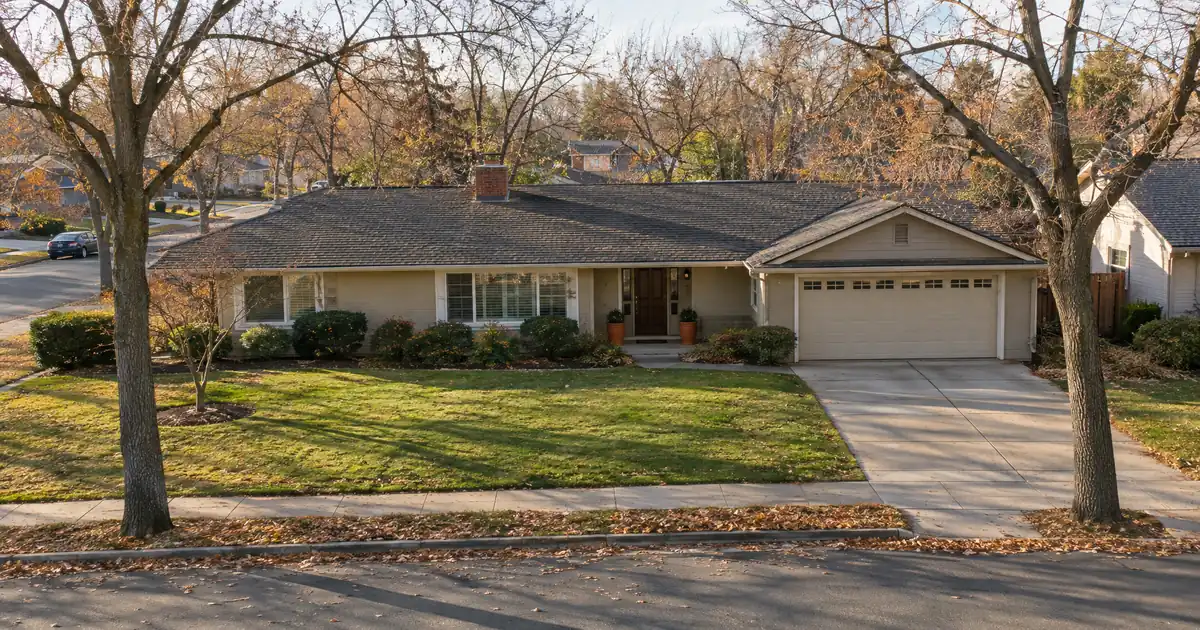
The Quick Read: Returning to a past lender for a new equity line works one of two ways: you draw on a line that is still open at zero, or you file a new application after a closed line, which means fresh credit, valuation, and title review, because no published rule gives a returning borrower a shortcut.
- Paid off is not closed. Paying the balance to zero usually leaves the line open until you ask in writing to close it.
- Open at zero means no new underwriting. You borrow against the same line, as long as it is not frozen and the draw period has not ended.
- Closed means a new application. Credit, equity, and property value are all checked again on today’s facts.
- Investment properties carry tighter limits. Across Lendmire’s wholesale network, an investment-property line tops out at 70% CLTV and needs a 700 credit profile.
- Plan the lien before you plan the draw. A line you intend to replace with a DSCR cash-out refinance needs a clean release first.
Key Terms Defined
HELOC is a home equity line of credit. It works like a revolving credit line secured by a property, and you borrow and repay as needed during a set window.
Draw period is the window when you can borrow against the line. After it ends, you repay what you owe or you ask the lender to renew.
Lien release is the document showing the lender no longer has a claim on the property. It is the proof that the debt is gone and the line is closed.
CLTV is combined loan-to-value. It adds your first mortgage and the line together and divides by the property’s current value.
Freeze is a lender’s decision to stop new draws on a line without closing it. The account and the lien both stay in place.
Subordination is an agreement that lets an existing second lien stay behind a new first mortgage. It matters when you refinance and want to keep the line.
How large a line the equity supports.
An equity line is sized by combined loan-to-value, occupancy, and credit — not by rental coverage. Switch the occupancy or the credit band and the ceiling moves with it.
Investment-property lines require a 700 minimum credit score; second-home lines start at a 640 minimum and primary-residence lines at 600, and the combined-LTV ceiling steps down as the credit band drops on primary-residence and second-home lines and holds on investment-property lines; the line cap steps down on primary-residence lines and holds at every tier on investment-property and second-home lines.
A debt-to-income ratio above 45% requires 680+ credit. Profiles under 640 are limited to single-family homes. At least 75% of the approved line is drawn at closing. Ceilings, floors, and caps update from Lendmire’s centralized guideline source.
Line estimate
Illustrative estimate only — not a quote, Loan Estimate, approval, or commitment to lend. The rate is an editable assumption; equity-line pricing is variable through both the draw and repayment periods and never converts to fixed. Occupancy and credit drive the ceiling together: an investment property tops out at 70% combined LTV (minimum credit 700, line cap $500,000); a second home tops out at 90% combined LTV (minimum credit 640, line cap $500,000), with the ceiling stepping down as the credit band drops (the cap holds at every tier); a primary residence tops out at 90% combined LTV (minimum credit 600), and its $750,000 maximum line is available only at 75% combined LTV or below with a 700-or-better credit profile (720 on the longer-runway program) and a full appraisal. Lines above $500,000 require a full appraisal. Credit, debt-to-income, property type, and full underwriting review all affect the final line.
Is Paid Off the Same as Closed?
No. A zero balance and a closed account are two different events, and the whole question turns on which one you have.
Paying a line to zero during the draw period does not close it. Like a credit card, it stays open unless you tell the lender to close it. Bankrate’s guide to HELOC prepayment penalties describes the common workaround of paying to zero and leaving the line open until any early-closure window passes. The same piece warns that open lines can carry annual or inactivity fees.
Closure usually requires a written request. The lender then records the lien release. Until that happens, the lender still has a claim on your property, even with nothing owed.
Three events matter here:
1. Payoff. The balance reaches zero.
2. Closure. The account is terminated at your request or the lender’s.
3. Lien release. The lender’s claim on the title is formally removed.
Which Path Are You On?
Your answer starts with the status of the old line. Ask the lender to confirm it in writing before you plan anything else.
| Situation | What it means | What to expect |
|---|---|---|
| Open at zero | Line is active, balance is nil | Draw again, no new application |
| Frozen, then paid | Draws are suspended | Depends on the cause and the lender |
| Draw period ended | Borrowing window is over | Lender may renew; many require re-qualifying |
| Closed, lien released | Account is terminated | New application, new underwriting |
A closed line is gone. Reopening one is not typically possible, so you apply as a new borrower. Some lenders close an empty line on their own when the draw period ends, so do not assume a zero balance keeps the line alive forever.
How Do You Apply Again, Step by Step?
Treat a closed line as a new loan. The steps below follow the order a lender will use.
1. Confirm the status. Ask in writing whether the line is open, frozen, or closed. Get the answer on paper.
2. Collect the lien release. Keep the release from the first line. A clean title is what lets any lender take first or second position.
3. Decide whether to draw or reapply. If the line is open, check that the draw period has not expired. Check that no freeze is in place.
4. Pull your own numbers first. Estimate current value, your first mortgage balance, and your credit profile. These decide the outcome far more than your history with the lender.
5. File the application. Expect a credit pull, a valuation, and a title check. The valuation method depends on the line size and the lender.
6. Review the disclosures. A new application triggers the consumer disclosures again, even if you borrowed from the same lender before.
7. Draw after closing. Subsequent draws on the network’s programs generally carry a minimum, so size the line to your plan.
Notice what is missing: a waiting period. No federal rule sets one between payoff and reapplication. Individual lenders may impose their own seasoning rules, and those vary.
What Does the Lender Re-Check?
Everything that can change over time. The old file does not carry over, and the lender underwrites the new request on today’s facts.
| Re-verified from scratch | Stays the same |
|---|---|
| Credit score and tradelines | Your identity and contact history |
| Property value | The property’s physical features |
| First mortgage balance | The lien release you already hold |
| Debt-to-income ratio | Nothing that binds the lender |
| Title and vesting | Your past payment record with the lender |
Most lenders treat a prior relationship as a convenience, not a qualification. Across the wholesale partners Lendmire places files with, a past line is not a program parameter. Guidelines key on credit, equity, debt ratios, property type, and title. A returning customer may find the process familiar, but treat any promise of a relationship discount with caution. No published rule creates one.
What Can a Lender Do to an Open Line?
An open line has protection. A frozen or ended line is where the answers get murkier.
Federal rules limit when a lender may terminate an open plan and demand full repayment early. Under 12 CFR 1026.40, the grounds are fraud or material misrepresentation, a failure to meet repayment terms, or an action by the borrower that hurts the lender’s security. Those limits protect an open plan. They do not promise you a new plan after the old one ends.
Freezes work differently. A lender can suspend draws in specified situations, such as a significant drop in property value. Once the cause ends, the rules call for reinstating draw privileges, assuming no other ground exists. That is the one place the rule requires a lender to restore access.
If a frozen line is later paid off, the outcome is the lender’s choice. Some unfreeze it. Others close it. For a deeper look at that situation, Lendmire’s piece Can You Replace a Frozen HELOC With a New Line From Another Lender? covers the options.
Inactivity alone is generally not a legal ground to suspend draws. Contract terms such as inactivity or maintenance fees are a separate question, so read your agreement.
Every new application also brings the federal HELOC booklet, which lenders must provide at application. Reading it again is worthwhile.
What Limits Apply to Investment Properties?
This is where most rental owners hit a wall. The network’s limits depend on occupancy, and the investment tier is the tightest.
On an investment property, a line reaches 70% CLTV at most, with a 700 minimum credit profile and a $500,000 maximum line. On a primary residence, the ceiling reaches 90% CLTV, but only at a 720 credit profile and only on lines up to $500,000. Primary-residence lines can run larger, up to $750,000, but above $500,000 the ceiling drops to 75% CLTV and a full appraisal is required. Second homes also reach 90% CLTV at 720 and above. Market surveys report higher combined ceilings for lines overall, but those describe the broader market. The network figures above are the ones that apply here.
Several structural points affect landlords:
- Draw structure. Investment lines run a 5-year interest-only draw with a 25-year amortizing repayment.
- Valuation. Lines at or below $500,000 ordinarily use an automated valuation, though a higher CLTV may require a secondary one.
- Debt ratio. Maximum DTI is 50%, and it is 45% for credit profiles from 600 to 679. The check uses the interest-only payment on the maximum draw.
- Title. The property must be held by the individual borrower or a revocable living trust. LLCs, corporations, partnerships, and irrevocable, blind, or land trusts cannot hold title.
- Exposure. A borrower can hold three lines at most, and an owner of more than 15 financed properties is not eligible.
- Availability. Lendmire places these lines in its 16 full-service states only, which is narrower than its DSCR footprint of 41 markets, including Washington, D.C.
Manufactured homes, co-ops, condotels, log homes, and commercial, mixed-use, or agricultural-zoned properties are not eligible. Every figure is subject to lender guidelines and full file review, and nothing here is a commitment to lend.
A Worked Example
Picture an investor with a duplex held in personal name. She paid a line to zero, asked to close it, and received the lien release. A year later she wants cash for a renovation on another unit.
She reapplies. The lender orders a valuation and pulls her credit. It also adds the first mortgage and the new line together.
Three things could change her outcome:
- Value moved. If the duplex is worth less, the same line may exceed the CLTV ceiling.
- Credit moved. A score slipping under 700 removes the investment tier entirely.
- Debts moved. A new loan elsewhere can push DTI past the 50% maximum.
If the combined loans stay under 70% CLTV on an investment property, the credit profile clears the floor, and DTI holds, the file can move forward, subject to lender guidelines. If not, the line is sized down or declined. Her history with the old lender does not change the arithmetic.
When Should You Close the Line, and When Should You Leave It Open?
Keep it open if you value access without new underwriting and the carrying cost is low. A line open at zero preserves the right to borrow, so long as the draw period has not ended.
Close it if you plan to sell or refinance. An open line leaves a lien on title. A new first-lien lender will want it paid and closed, or subordinated. A paid but unclosed line can also complicate a sale if the title company expects a payoff.
Check the fee terms either way. Some lenders charge an early-closure fee if you close within the first couple of years, so ask before you submit the request. For how the release works mechanically, Lendmire’s explainer How a Lender Releases Your Title After a Cash-Out Refinance Payoff walks through the paperwork.
When you refinance a first mortgage, the same bank that holds your line may be more willing to agree to subordination. That is the one documented same-lender advantage. It helps you keep a line, not reopen a closed one. As America’s Credit Unions notes in its compliance commentary, lenders must respect limits on changing terms of an open plan, which is another reason to keep a line open rather than closing and hoping to return.
Where a HELOC Stops Making Sense
A HELOC has real limits for a rental investor. The line is capped, pricing floats, and the property must sit in your name or a revocable trust. An LLC-owned rental cannot take one without a vesting change.
A DSCR cash-out refinance is the other route. DSCR means debt service coverage ratio. It compares a property’s rent to its full monthly obligation. A DSCR cash-out qualifies primarily on property-level rental income covering the payment, subject to lender guidelines.
Typical network guidance for a cash-out on a standard rental tops out around 75% LTV, with about 6 months of seasoning expected. Short-term rentals sit lower. Coverage of 1.00 is where many select programs start, and a separate select-lender path takes coverage below 1.00 with leverage and terms adjusted. Stronger ratios open better pricing and leverage. LLC-titled properties can qualify, subject to lender program eligibility. Final terms depend on the lender’s guidelines, the property type, and the borrower’s complete credit picture.
Clearing 1.00 is not the same as positive cash flow. Repairs, vacancy, management, and utilities sit outside the calculation. Our complete DSCR loans guide walks through the full picture.
A HELOC and a DSCR cash-out are separate decisions with different underwriting. Choose by property title, equity, how much cash you need, and whether you need the line to stay open afterward.
Common Mistakes
- Assuming payoff closed the line. It usually did not.
- Skipping the lien release. Without it, the old claim can resurface at your next closing.
- Expecting old terms to return. A new line means new terms.
- Ignoring fees. Early-closure and inactivity charges can change which option costs less.
- Treating the old lender as the only option. You owe no loyalty, and you can compare lenders.
What to Ask Your Lender
1. Is my line open at zero, frozen, or closed?
2. Is there an early-closure fee, and does the window still apply?
3. Will you send the lien release in writing?
4. If I reapply, what will you re-verify?
5. Does my current CLTV fit your ceiling for this property type?
Frequently Asked Questions
Can I get a HELOC again from the same lender after I paid off the old one?
Often yes, but through a new application unless the old line is still open. If the line is open at zero, you borrow against it. If it was closed, the lender treats you as a new applicant and underwrites current credit, value, and title.
Does paying off a HELOC close it?
Usually not. The balance reaches zero, but the line stays open until you request closure in writing. The lien remains until the lender releases it.
Will the same lender approve me because I borrowed before?
Not automatically. Approval rests on current equity, credit, debt ratios, and property eligibility. A past relationship may make the process more familiar, but it does not change the guidelines.
Can I use a HELOC on a rental held in an LLC?
Not on the network’s equity-line programs. Title must be held by the individual borrower or a revocable living trust. A property already deeded to an LLC needs a vesting change, or a DSCR cash-out refinance may fit better.
Is a waiting period required before I reapply?
No federal rule sets one. Individual lenders may apply their own seasoning, and requirements vary by program and property.
Next Step
If you are considering a home equity line and want to see how the numbers work, Lendmire can help you compare HELOC options based on the property, the equity available, credit profile, combined leverage, and your goals.
About Lendmire
Lendmire is a mortgage brokerage (NMLS# 2371349) arranging home equity lines of credit — primary-residence, second-home and investment-property lines — through a wholesale lending network in its 16 full-service states. Eligibility is determined by the lender on each file. Scotsman Guide named Lendmire a Top Mortgage Workplace in both 2025 and 2026.
Get Started
Ready to find the right loan for you?
In about two minutes you can review financing options available for your home or investment property. No commitment required.
Informational only. Not a Loan Estimate, approval, or commitment to lend. Program availability and eligibility are subject to lender guidelines, credit approval, property review, and underwriting.
References
1. Bankrate – HELOC prepayment penalty
4. America’s Credit Unions – Compliance blog on HELOC terms
This article is part of Lendmire’s HELOC & home equity loan program — full qualification details, guidelines, and scenarios live on the program page.
Related reading: How a HELOC Lender Sets the Minimum Draw and Minimum Advance Amount · How a HELOC Lender Reads Your Homeowners Insurance Coverage · How a HELOC Lender Values a Home Bought Months Ago
Brandon Miller
Founder & CEO, Mortgage Loan Originator, Lendmire LLC
- Mortgage Loan Originator · NMLS# 1129696 · Verify on NMLS Consumer Access
- North Carolina Real Estate Broker · License# 343312 · Verify on NCREC
- North Carolina Insurance Producer · License# 19053198 · Property, Casualty, Life, Health · Verify on NAIC SBS
- Lendmire LLC · Firm NMLS# 2371349 · Verify firm licensure
Disclosure information. Lendmire is a state-licensed mortgage brokerage under NMLS# 2371349. Lendmire is not a depository institution, direct lender, or financial advisor — all loans referenced are placed through wholesale lender partners and are subject to each lender's underwriting standards. This article is provided for general informational purposes and is not a commitment to lend, nor does it constitute financial, legal, or tax advice. Loan programs, terms, rates, and qualification standards change without notice and depend on borrower profile, property type, and the state in which the subject property is located. Equal Housing Opportunity provider. NMLS Consumer Access: nmlsconsumeraccess.org.