
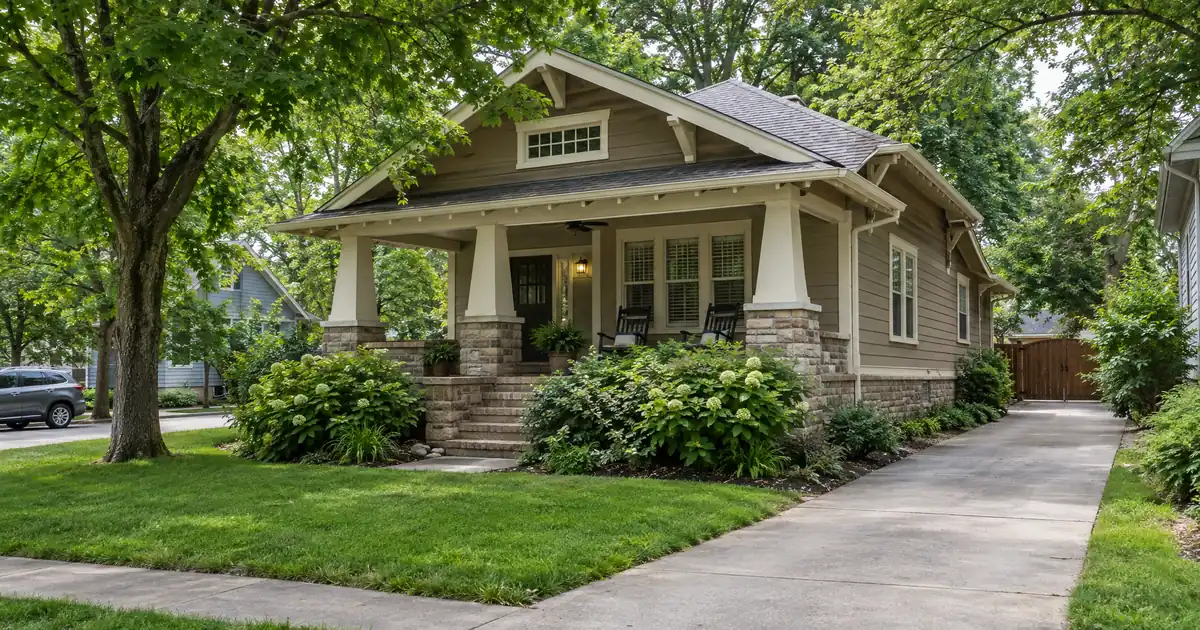
The Quick Read: Yes, an investor can keep adding rentals with DSCR loans alone, because each loan is reviewed primarily on that property’s rental income covering its payment, subject to lender guidelines, but the real ceilings become reserves, down payment cash, leverage tiers, and how much total exposure lenders will take on one borrower. A DSCR loan is an investor mortgage that compares a property’s rent to its monthly debt payment. Lendmire arranges these loans through select lenders in its wholesale network, so the comparison below reflects many lenders’ guidelines, not one.
- No personal-income ratio blocks the next purchase, because the property is the focus of the file.
- Credit, leverage, and reserves still apply on every loan, and they stack as you grow.
- Count and dollars are different questions: no fixed loan count does not mean unlimited lender exposure.
- Passing the coverage test is not the same as making money after repairs, vacancy, and management.
- Most large portfolios end up using more than one lender and, sometimes, more than one kind of capital.
Why DSCR Removes the Usual Scaling Blockers
Each property is tested on its own numbers, not on your tax returns. Qualification runs on rent versus PITIA, which stands for principal, interest, taxes, insurance, and any association dues. Divide the rent by that total and you get the coverage ratio.
DSCR Calculator
Run the numbers in your market
Rate source: Freddie Mac 30-yr average via FRED® — Federal Reserve Bank of St. Louis · effective Oct 22, 2026
Prefilled with starting assumptions — enter your own rent or nightly figures, taxes, insurance, and HOA for a more accurate picture.
Program parameters update from Lendmire’s centralized guideline source. Taxes and insurance are editable estimates.
As of Oct 22, 2026 · General Freddie Mac market benchmark, not a Lendmire loan offer. Rent, nightly rate, occupancy, taxes, and insurance are editable estimates. Short-term rental figures are estimates only and vary significantly by season, property type, management approach, and local short-term-rental rules — confirm local regulations before relying on them. Qualifying income for short-term rentals varies by program — some use appraisal market rent, others use documented STR history or projections — and is confirmed in underwriting. Not a Loan Estimate, approval, or commitment to lend. Program availability and eligibility are subject to lender guidelines, credit approval, property review, and underwriting.
Scotsman Guide describes DSCR loans as investor products that qualify on the property’s rental income instead of the borrower’s personal income. That matches what we see across the wholesale network every day. Property number twelve is judged on the same logic as property number two.
Three practical effects follow. Write-offs that shrink your taxable income do not shrink your borrowing power. Your personal debt-to-income ratio stops being the gate. And you can hold title in an LLC, subject to lender program eligibility, with the loan still tied to you as guarantor. The guarantor is the person who signs personally for the loan.
DSCR loans are designed for non-owner-occupied investment properties. Because they are business-purpose investor loans, they are reviewed differently from a standard owner-occupied mortgage.
“No tax returns” does not mean no paperwork. Expect leases, or a market-rent appraisal on vacant units, plus credit authorization, proof of reserves, and entity documents if you vest in an LLC.
Is There Really No Limit?
There is no legal cap on how many DSCR loans you can hold. There is a practical one, and it comes from lender credit policy. Lenders watch total exposure to a single borrower, and that number is rarely published.
Here is how that plays out on real files:
- Exposure follows the guarantor. Putting each rental in a separate LLC does not reset the count, because the same person signs behind every loan.
- Size changes the terms. Loans run up to $3,000,000 on standard programs. Larger balances typically bring lower leverage, higher credit expectations, and more reserves.
- Reserves compound. Reserves are cash a lender wants you to hold after closing. They commonly run about 6 months of PITIA per loan, stepping up to about 9 months above $1,500,000. Conservative rate-and-term files at modest leverage can see reserves waived, but do not plan around it.
- Different lenders, different appetites. Some lenders in the network are comfortable with deep portfolios. Others get cautious at a lower count.
The ten-property wall belongs to a different world. Fannie Mae’s Selling Guide counts financed properties per borrower for conventional loans sold to the agency, including a financed primary residence. Its LLC treatment is a counting rule for those loans. None of it governs a DSCR file.
This is why one lender’s “no limit” claim deserves a follow-up question. Ask about total exposure, not just loan count.
Qualifying Is Not the Same as Cash Flowing
A property can clear the coverage test and still lose money. DSCR compares rent to PITIA only. Repairs, vacancy, management, utilities, and capital expenses sit outside the calculation.
Run the numbers on a modeled duplex that clears roughly 1.25x. On paper, rent covers the payment with a quarter to spare. Now take out a vacant month, a roof repair reserve, and a property manager. That cushion can shrink toward nothing. The loan still qualifies. Your bank account may not feel it.
Treat 1.00 as where many select programs start, not as a safe place to live. Stronger ratios open better pricing and leverage. A separate select-lender path takes coverage below 1.00, with leverage and terms adjusted. Both exist, but a portfolio built entirely on thin coverage has no room for a bad year.
Scotsman Guide reports that DSCR volume grew more than 50% year over year and became the largest share of non-QM production. The same piece warns that some of that growth came from investors pushed toward DSCR by a weak fix-and-flip exit market. Not everyone using DSCR is building a portfolio on purpose.
The Staged Path
DSCR enters the picture at different points for different investors. This table shows a sensible progression, not a rule.
| Stage | Main financing tool | Main risk | What to add |
|---|---|---|---|
| First few rentals | Purchase loans, 75%-80% LTV | Thin reserves | Cash buffer per door |
| Mid-size portfolio | DSCR purchases and cash-out | Seasoning delays | A second lender |
| Larger portfolio | DSCR plus other capital | Exposure limits | Lender diversification |
| Advanced | Mixed structures | Management bandwidth | Systems and staff |
On purchases, most files land at 75%-80% LTV, which is 20%-25% down. LTV means loan-to-value, the loan as a share of the property’s value. Select high-leverage programs reach 85% LTV on a purchase with roughly a 700+ score. Credit is tiered: a 620 floor exists in parts of the network, most programs want around 660, and 700+ unlocks the strongest leverage.
A bigger down payment lowers the monthly payment and can lift the coverage ratio. It never erases leverage caps, credit floors, or reserve rules. The strongest files clear both tests: enough equity and enough rental coverage.
Down payment cash is usually the real bottleneck. Reserves come second. The coverage test, oddly, is often the easy part.
Where the Equity-Recycling Engine Breaks
Scaling usually runs on cash-out refinances. You pull equity from a stabilized rental and use it as the next down payment. Cash-out tops out around 75% LTV on standard rentals across most of the network, and about 6 months of seasoning is the common expectation. Seasoning is the waiting period between buying a property and refinancing it.
Here is where a chain of refinances slows down:
- Seasoning stacks. Each deal waits its turn, so growth moves in steps instead of a straight line.
- Rent treatment varies. Some lenders want a rental history before they count full market rent, which matters on a freshly renovated property.
- Prepayment terms lock equity. A prepayment penalty is a fee for paying off early. If you plan to refinance often, read it before you sign.
- Appraisals decide the proceeds. If a value comes in light, the next purchase may be delayed.
What Moves Your Coverage
Coverage is a moving number. This table shows what shifts it and what a sensible investor does about it.
| What changes | Effect on coverage | Response |
|---|---|---|
| Taxes or insurance rise | Lowers it | Re-run before refinancing |
| Interest-only period ends | Lowers it | Plan the step-up early |
| Rent softens | Lowers it | Keep rent cushion |
| Larger down payment | Raises it | Weigh against liquidity |
Interest-only periods and extended terms such as a 40-year structure are available through select lenders in the network. Adjustable structures exist for investors who want them. The spine of the market is still the 30-year fixed. Lower early payments help coverage now, so stress-test the day the structure changes.
The brokerage view here is simple: a file that only works at today’s insurance quote is fragile. Get a fresh quote before the file goes to a lender.
Separate Loans or a Blanket Note?
A blanket loan puts several properties under one note. That can simplify administration, since you have one payment and one lender. It also ties the properties together. Selling or refinancing one door can mean negotiating the release with the lender.
Separate notes isolate risk. If one property struggles, the others are not cross-collateralized. The tradeoff is more closings, more reserves, and more paperwork. Most investors who want flexibility to sell individual doors prefer separate loans.
When DSCR Alone Runs Out
Some investors hit friction past ten or fifteen doors. The usual causes are seasoning waits, lender exposure appetite, and reserves. The fix is rarely heroic. It is usually more lenders.
Diversify across lenders. A wholesale broker can place files with different lenders, so you are not building the whole strategy inside one credit box. That is the practical advantage of working across a network.
Other tools may fit alongside DSCR:
- Conventional loans while you are still under the agency financed-property limit, often at lower cost for early properties.
- Partnerships when your down payment cash runs out before your deal flow does.
- Seller financing on selected deals where the terms make sense.
Some property types are not offered at all in the network’s DSCR programs: manufactured homes (single- and double-wide), log homes, and barndominiums. Check the property type before you fall in love with the deal.
Mixing tools is not a failure. It is how many portfolios actually get built.
DSCR vs. conventional financing
There are two common ways to finance an investment property, and they qualify you differently — here’s how investors weigh them.
Why investors choose it
- Qualifies on the property’s rental income — no personal tax returns, W-2s, or pay stubs needed to document income.
- No personal debt-to-income ceiling to clear, so existing mortgages and obligations don’t cap your borrowing the same way.
- Can be closed in an LLC, keeping the property inside a business entity.
- Built for scaling — not held to the limit on number of financed properties that conventional financing applies.
- Underwriting centers on the deal: generally qualifies when the rent covers the payment, a 1.00x coverage ratio being a common baseline (confirmed in underwriting).
- Designed specifically for investment property, including long-term and, where the program allows, short-term rentals.
Where it’s strong
- Often the lowest ongoing financing cost for a buyer who fully qualifies on personal income — a fit for a first property or a cost-first purchase.
Trade-offs for investors
- Requires full personal income documentation and must fit within a debt-to-income limit — salary, existing debts, and other mortgages all count.
- Typically held in your personal name rather than a business entity.
- Caps how many financed properties you can carry, which can become a ceiling as a portfolio grows.
- Evaluates you as a borrower as much as the property, which usually means more paperwork.
How investors usually choose: a first or single property often optimizes for the lowest financing cost; portfolio builders often optimize for leverage, vesting in an LLC, and scaling past conventional caps. The right answer depends on your goals, the property, and current guidelines — both paths run through select lenders in Lendmire’s wholesale network, with eligibility and terms confirmed in underwriting.
Self-Check: Is DSCR-Only Right for You?
Answer these honestly:
1. Do you hold reserves for each new loan, not just the first one?
2. Can you fund the next down payment without relying on one refinance landing on schedule?
3. Does each property clear coverage with room to spare, or only just?
4. Are your properties spread across markets and types, or concentrated?
5. Can your management setup handle the next five doors?
6. Do you have a second lender relationship ready?
Mostly yes? DSCR-only is realistic. Several no answers? Fix those first, because the loan is rarely what stops you.
The strongest evidence against the “risky borrower” stigma is the data. Scotsman Guide reports an average FICO of 776 for non-QM borrowers in the most recent period it measured. These are mostly strong-credit investors using a different qualification method. Terms vary by lender guidelines, property type, leverage, credit profile, and full file review.
Key Terms Defined
- DSCR: the debt service coverage ratio, meaning monthly rent divided by the property’s monthly debt payment.
- PITIA: principal, interest, taxes, insurance, and association dues, the full monthly obligation on a property.
- Non-QM: a loan that falls outside the standard rules for agency purchase, which includes DSCR loans.
- Guarantor: the person who signs personally for a loan, even when an LLC holds title.
- Reserves: cash a lender wants you to keep after closing.
- Blanket loan: one note secured by several properties.
Frequently Asked Questions
How many DSCR loans can one investor hold?
No legal limit exists. Lenders set their own exposure limits per borrower, and those depend on reserves, leverage, loan size, and the strength of each file. Some lenders in the network are comfortable with large portfolios, and others are not, so placement matters.
Does an LLC reset the loan count?
No. Exposure follows the guarantor, so ten LLCs with the same signer still count as one borrower’s exposure. An LLC can still make sense for other reasons, subject to lender program eligibility.
What if a property does not clear 1.00 coverage?
You still have options. Coverage below 1.00 is available through select lenders in the network, with leverage and terms adjusted. Putting more money down can also lift the ratio, subject to lender guidelines and credit review.
Should I start with DSCR or switch to it later?
It depends on your profile and the property. DSCR works from the first rental if you are buying for rent. Some investors use conventional financing for early properties and move to DSCR as their holdings grow.
Do I need a perfect credit score?
No. A 620 floor exists in parts of the network, and most programs want around 660. A 700+ score unlocks the strongest leverage tiers, so credit still shapes your options.
Next Step
If you are buying or refinancing a rental property and want to see how the numbers work, Lendmire can help you compare DSCR loan options based on the property income, credit profile, leverage, and investor goals. For the full picture of how these loans fit together, see the complete DSCR loans guide. Tax treatment varies; consult a qualified professional.
The investors who scale furthest tend to treat the loan as the easy part and plan their cash, reserves, and lender mix years ahead of the next purchase.
About Lendmire
Lendmire is a DSCR-focused mortgage brokerage, NMLS# 2371349, placing investor loans across 41 markets, including Washington, D.C. DSCR eligibility is generally reviewed by the lender around a property’s rental income rather than personal income documentation, which fits LLC-held rentals, self-employed investors, and portfolios scaling past conventional financed-property limits. Scotsman Guide named Lendmire a Top Mortgage Workplace in both 2025 and 2026.
Get Started
Ready to find the right loan for you?
See your offer in seconds. No credit pull, no obligation.
Informational only. Not a Loan Estimate, approval, or commitment to lend. Program availability and eligibility are subject to lender guidelines, credit approval, property review, and underwriting.
References
2. Fannie Mae Selling Guide B2-2-03
This article is part of Lendmire’s DSCR loan program — full qualification details, guidelines, and scenarios live on the program page.
Related reading: Blanket DSCR Loan vs Individual DSCR Loans for a Growing Portfolio · Can an LLC Hold Multiple DSCR Loans on Rental Properties? · DSCR Loans in an LLC vs Personal Name for a Many-Rental Investor
Brandon Miller
Founder & CEO, Mortgage Loan Originator, Lendmire LLC
- Mortgage Loan Originator · NMLS# 1129696 · Verify on NMLS Consumer Access
- North Carolina Real Estate Broker · License# 343312 · Verify on NCREC
- North Carolina Insurance Producer · License# 19053198 · Property, Casualty, Life, Health · Verify on NAIC SBS
- Lendmire LLC · Firm NMLS# 2371349 · Verify firm licensure
Legal disclosures. Lendmire (NMLS# 2371349) is a state-licensed mortgage brokerage that arranges financing through wholesale lender relationships. Lendmire is not a direct lender, depository institution, or registered financial advisor. The discussion above is general informational content about real estate financing — it is not financial, legal, or tax advice, and readers should consult licensed professionals for guidance on their individual circumstances. Loan inquiries are subject to lender underwriting; this article does not represent a commitment to lend. Loan terms, rates, and qualification standards vary by borrower, property, and state, and are subject to change at any time. Equal Housing Opportunity. NMLS Consumer Access: nmlsconsumeraccess.org.