
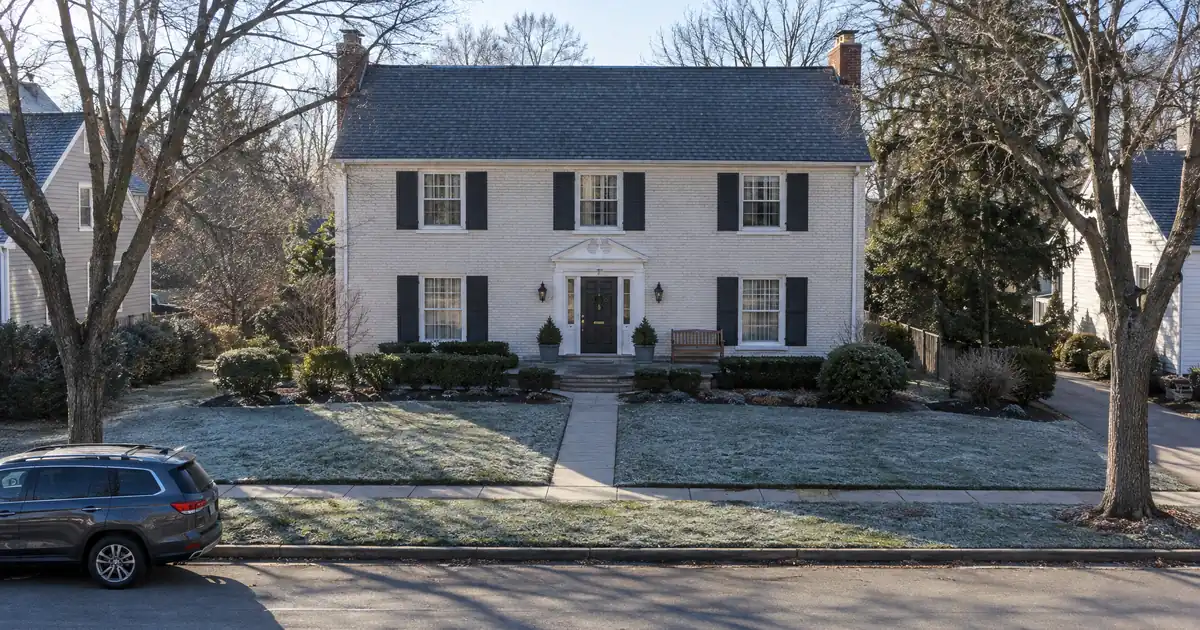
The Quick Read: Generally no, because a new line of credit needs a signer with legal authority over the house, and while probate is open that authority sits with the court-appointed personal representative, not with an heir or an investor’s LLC. A standard DSCR HELOC is a standalone lien written on a rental that the borrower already owns, so it usually waits until title is clear.
- Letters from the probate court, not the will alone, confer signing authority.
- A personal representative may borrow against estate property only if the will, state law and the court allow it. That is an estate-level loan, not a DSCR HELOC.
- One heir cannot pledge a shared property alone.
- Rent coverage is the second gate. A strong coverage ratio cannot fix a title or authority problem.
- Trust, transfer-on-death and survivorship transfers skip probate, so the answer changes.
This is a document-and-authority question, not a credit question. Across the wholesale network, the files that stall on inherited rentals stall on title. The rent is rarely the issue.
Why Probate Blocks a New Line
A DSCR HELOC is a standalone second lien behind a first mortgage the owner keeps, or a standalone first lien on a paid-off rental. The rent qualifies it, and the LLC can stay on title. But the lender still needs a borrower who owns the property and can sign the lien.
During probate, nobody is in that position. Title technically passes to the heirs at death, yet the executor manages the asset until the estate closes. The Uniform Probate Code model, as enacted in Idaho, lets a personal representative mortgage or lease estate real property. It also says that power is restricted by the will or by a court order. So the power exists, but it has strings.
State law varies. Massachusetts adds conditions for encumbering real estate: the will must empower it, or a license must have been issued. The honest national answer is that it depends on the state and the will.
A named executor is not yet a personal representative. Authority starts when the court issues letters testamentary (with a will) or letters of administration (without one). Until then, no signature binds the estate.
Can an Estate-Level Loan Work Instead?
Sometimes. If the personal representative has power to encumber, and the court approves where required, an estate-level loan may be possible. It is a different product. The borrower is the estate, the signer is the representative, and the lender will want the will and the letters in the file.
Programs for individuals and LLCs, including this DSCR HELOC, are built for a borrower that already holds title. An estate is unlikely to be accepted as a borrower on a DSCR line. Qualification runs through the lender’s guidelines, and underwriting reviews each file individually.
A practitioner explainer on North Carolina law makes the fiduciary point. A personal representative may borrow or pledge estate property only as a proper part of administration. Covering estate expenses or a timing gap fits that standard. Pulling cash out for a personal investment does not.
The Probate Status Ladder
Where the file sits on the ladder decides what is possible.
| Status | Who can sign | What is possible | Next step |
|---|---|---|---|
| No letters yet | Nobody for the estate | No new lien | File for letters |
| Letters issued | Personal representative | Possible estate-level loan | Check will and court rules |
| Deed pending | Representative, heirs jointly | Usually still no DSCR line | Finish distribution |
| Deed recorded | Heir or LLC as owner | DSCR HELOC or cash-out | Season and apply |
| Trust, TOD, survivorship | Successor owner | Probate may not apply | Record the transfer |
The deed-recorded row is where a DSCR HELOC becomes a real conversation. Even then, a few program rules apply, all subject to underwriting.
HELOC, DSCR Cash-Out or Estate Loan?
| Factor | DSCR HELOC | DSCR cash-out refinance | Estate-level loan |
|---|---|---|---|
| Borrower | Owner or LLC | Owner or LLC | Estate, via representative |
| Needs clear title | Yes | Yes | Needs letters and authority |
| Reviewed on | Property rent | Property rent | Estate and court terms |
| Fit | Keep the first mortgage | Replace the first mortgage | Bridge during probate |
Most equity access on a rental happens through a first-lien cash-out refinance. A DSCR HELOC fits the owner who wants to keep an existing first mortgage in place. Lendmire’s complete DSCR loans guide walks through how those structures compare.
Co-Heirs and Who Can Pledge
One heir cannot encumber shared property alone. Expect every owner, or the personal representative, to sign. On the DSCR side, a title holder who is not a borrower signs a non-borrowing owner acknowledgment and the security instrument. That helps when siblings hold title but only one is the borrower. It does not help before distribution.
Buyouts add a wrinkle. If one heir wants to buy out the others, the funding source and the deed change must be settled first. Using a line of credit to fund the buyout puts the cart ahead of the horse, because the line needs the deed in the borrower’s name.
What to Do While Probate Is Open
1. Get certified copies of the death certificate and the letters. Every servicer, insurer and lender will ask.
2. Keep the existing mortgage current. The lien stays in place after death. Missed payments can trigger foreclosure even during probate, per this legal explainer.
3. Keep the rent roll and leases clean. Document who collects rent and where it goes. A DSCR file needs a lease in place.
4. Insure the property in the right name. A vacancy or a lapse during probate creates problems later.
5. Order a current rent opinion. Probate-era valuations go stale. A DSCR file takes rent as the lesser of the appraiser’s market rent or the lease.
6. Talk to a probate attorney. Ask whether the will grants power to mortgage, and whether the court must approve.
Servicers can require proof of an ownership interest before dealing with an heir. Legal Aid NYC confirms this. That rule governs servicing of the existing loan. It does not give anyone a right to a new line.
What the Program Looks Like After Title Clears
Once the deed is recorded, the DSCR HELOC rules take over. Through select programs and subject to underwriting:
- Second lien: combined loan-to-value up to 70% at a 720 score or better, lines from $50,000 to $500,000.
- First lien on a paid-off rental: up to 75% LTV at 740 or better, and 70% from 700 to 739, on lines to $500,000. Lines from $500,000 up to $1,000,000 carry a 65% LTV ceiling.
- Minimum DSCR of 1.10x, tested on a stress payment over the whole line. The lender’s own calculation governs.
- A 5-year interest-only draw period, a 25-year repayment period, a 30-year maturity and a variable rate.
- At least 80% of the line drawn at closing, and later draws of at least $5,000.
- Six months of seasoning on a purchase or refinance. An inherited property is a different path, so the lender reviews how title was acquired.
- No reserves. Lines to $400,000 use an automated valuation with a property inspection report. Larger lines take a full interior appraisal. Appraisal waivers are not accepted.
Rural property, condotels, row homes and leaseholds sit outside the program. The rate and pricing terms come with the lender’s disclosures.
DSCR loans are designed for non-owner-occupied investment properties. Because they are business-purpose investor loans, they are reviewed differently from a standard owner-occupied mortgage. If the heir plans to live in the house, a different product applies.
A Worked Scenario
Picture an investor who inherits a duplex held in the parent’s name. Probate is open and the court has issued letters. Both units are leased, and the first mortgage is current.
The investor wants cash to repair a roof. The DSCR HELOC is not available yet, because the investor does not hold title. The personal representative could ask about an estate-level loan, but only if the will and state law allow it.
After distribution, the deed is recorded in the investor’s LLC. The first mortgage is still in place. Now a standalone second lien is a real option. With rent that covers the stress payment at around 1.2x and a combined leverage figure under 70%, the file could clear the coverage test, subject to credit approval, valuation and lender guidelines. The investor never had to open a personal income file.
The sequence matters. Authority, then title, then rent coverage.
DSCR vs. conventional financing
There are two common ways to finance an investment property, and they qualify you differently — here’s how investors weigh them.
Why investors choose it
- Qualifies on the property’s rental income — no personal tax returns, W-2s, or pay stubs needed to document income.
- No personal debt-to-income ceiling to clear, so existing mortgages and obligations don’t cap your borrowing the same way.
- Can be closed in an LLC, keeping the property inside a business entity.
- Built for scaling — not held to the limit on number of financed properties that conventional financing applies.
- Underwriting centers on the deal: generally qualifies when the rent covers the payment, a 1.00x coverage ratio being a common baseline (confirmed in underwriting).
- Designed specifically for investment property, including long-term and, where the program allows, short-term rentals.
Where it’s strong
- Often the lowest ongoing financing cost for a buyer who fully qualifies on personal income — a fit for a first property or a cost-first purchase.
Trade-offs for investors
- Requires full personal income documentation and must fit within a debt-to-income limit — salary, existing debts, and other mortgages all count.
- Typically held in your personal name rather than a business entity.
- Caps how many financed properties you can carry, which can become a ceiling as a portfolio grows.
- Evaluates you as a borrower as much as the property, which usually means more paperwork.
How investors usually choose: a first or single property often optimizes for the lowest financing cost; portfolio builders often optimize for leverage, vesting in an LLC, and scaling past conventional caps. The right answer depends on your goals, the property, and current guidelines — both paths run through select lenders in Lendmire’s wholesale network, with eligibility and terms confirmed in underwriting.
Non-Probate Transfers Change the Answer
If the property passed by transfer-on-death designation, a revocable trust or survivorship, probate is not the gate. The successor trustee or new owner can approach a lender once the deed or trust paperwork is in order. Lenders still review the trust documents and will want the vesting to match the borrower on the file.
Existing liens also matter. A mortgage or HELOC on the decedent’s property stays in place and uses up combined-leverage room on any new line.
Where Investors Get It Wrong
Common mistakes on these files:
- Assuming the will names them, so they can sign. Only the court’s letters confer authority.
- Assuming heirs own the house outright, so one signature will do. Shared property needs every owner or the representative.
- Treating a strong coverage ratio as a substitute for title. Rent coverage is gate two.
- Treating DSCR as a paperwork waiver. Qualification runs primarily on property-level rental income, but title, authority and vesting documents are still required.
- Assuming probate runs the same everywhere. It does not, and no reliable national timeline exists.
Key Terms Defined
Personal representative: the person the court appoints to manage an estate, called an executor when a will names them.
Letters testamentary or letters of administration: the court document that proves the representative’s authority.
Estate-level loan: a loan to the estate, signed by the representative, not a standard consumer or investor product.
DSCR: monthly rent divided by the qualifying monthly debt payment.
Combined loan-to-value (CLTV): the first mortgage balance plus the new line, divided by property value.
Standalone second lien: a line of credit recorded behind a first mortgage and closed on its own, not with a purchase.
Frequently Asked Questions
Can an executor get a DSCR HELOC on the estate’s rental?
Usually not in the form of a standard DSCR HELOC. An executor needs letters from the court first, and the power to encumber depends on the will and state law. Even then, the product that fits is more likely an estate-level loan than a line written for an individual or LLC owner.
Does a trust avoid the probate problem?
Often, yes. Property held in a revocable trust or passed by transfer-on-death does not go through probate, so the successor owner can apply once the transfer paperwork is in order. The lender will review the trust documents and the vesting before moving forward.
Does an existing mortgage on the home matter?
Yes. The lien stays in place after death and the servicer needs the death certificate and letters. It also reduces available combined-leverage room for any new line, and missed payments can lead to foreclosure even while probate is open.
Is strong rent coverage enough to qualify?
No. A 1.10x minimum coverage test is only the second gate. The first is clear title and a borrower with authority to sign. A high ratio does not repair a title defect or replace the court’s authority.
Should I sell instead?
That depends on the property, the estate and the heirs’ goals. If the aim is to keep a cash-flowing rental, waiting for distribution and then using a DSCR line or cash-out refinance is the usual route. A probate attorney can weigh that against a sale.
If you are considering a home equity line on a rental property and want to see how the numbers work, Lendmire can help you compare DSCR HELOC options based on the property, the rent, the equity available, credit profile, combined leverage, and your goals. Tax treatment varies; consult a qualified professional. Probate rules differ widely by state, so the final call on a probate file belongs with a local attorney.
About Lendmire
As a mortgage broker (NMLS# 2371349), Lendmire helps homeowners and real estate investors in its 16 full-service states open home equity lines of credit arranged through wholesale lenders. Lendmire is never the lender; line amounts, ceilings and terms are set by the lender under its guidelines. Scotsman Guide named Lendmire a Top Mortgage Workplace in both 2025 and 2026.
Get Started
Ready to find the right loan for you?
See your offer in seconds. No credit pull, no obligation.
Informational only. Not a Loan Estimate, approval, or commitment to lend. Program availability and eligibility are subject to lender guidelines, credit approval, property review, and underwriting.
References
1. Idaho Legislature – UPC § 15-3-715
2. Massachusetts General Laws c.190B § 3-715
3. Pierce Law Group – Can an Executor Take Out a Loan Against the Estate
4. LegalClarity – Dealing With a Mortgage and HELOC in Probate
5. Legal Aid Society NYC – Inheriting a Home With a Mortgage
This article is part of Lendmire’s DSCR HELOC program — full qualification details, guidelines, and scenarios live on the program page.
Related reading: DSCR HELOC for Landlords Weighing a Rental Home Equity Loan · Can You Get a DSCR HELOC Closed in the Name of Your LLC? · How to Qualify for a DSCR HELOC Without Income Verification
Brandon Miller
Founder & CEO, Mortgage Loan Originator, Lendmire LLC
- Mortgage Loan Originator · NMLS# 1129696 · Verify on NMLS Consumer Access
- North Carolina Real Estate Broker · License# 343312 · Verify on NCREC
- North Carolina Insurance Producer · License# 19053198 · Property, Casualty, Life, Health · Verify on NAIC SBS
- Lendmire LLC · Firm NMLS# 2371349 · Verify firm licensure
Required disclosures. Lendmire (NMLS# 2371349) operates as a licensed mortgage broker, not a direct lender or depository. The discussion in this article is general in nature and should not be relied upon as financial, legal, or tax advice — every investment scenario is unique and should be reviewed by a qualified professional. Any loan inquiry is subject to lender underwriting, and this article is not a commitment to lend or a guarantee of approval. Mortgage rates, loan terms, and program guidelines vary by borrower, property, and state, and may change without notice. Equal Housing Opportunity. Verify licensure at NMLS Consumer Access.