
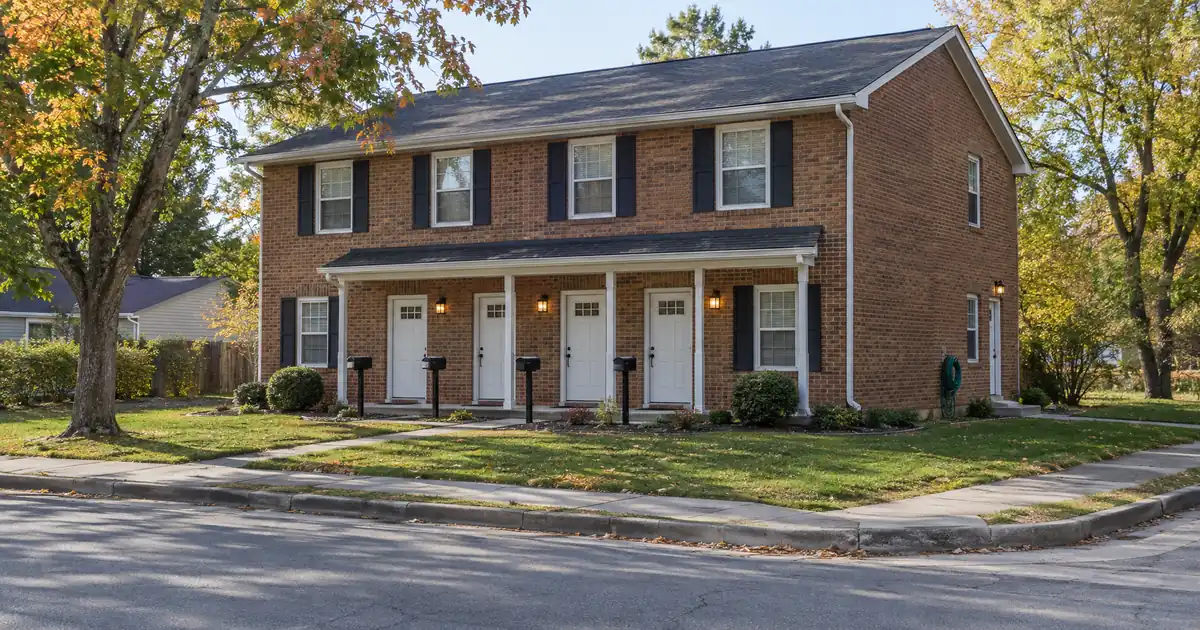
The Quick Read: A DSCR cash-out refinance is permanent financing for a fourplex that is leased, stabilized, and owned long enough to season, while a bridge loan is short-term money for a building that cannot yet pass a rent test or has a payoff date it must hit. DSCR, or debt service coverage ratio, compares the property’s rent to its full monthly obligation: principal, interest, taxes, insurance, and dues. The two loans are not rivals so much as different stages of the same hold. Both are subject to lender guidelines, and neither is a commitment to lend.
- Choose the DSCR cash-out if every unit is leased, or nearly so, and you plan to keep the building.
- Choose the bridge if the building is vacant, mid-rehab, or recently bought and a deadline will arrive before a permanent loan is available.
- A bridge buys time for a rent or seasoning problem. It does not fix a shortage of equity.
- Two loans mean two closings, so do not pay for a bridge you do not need.
- Many investors use both in sequence: the bridge first, then a DSCR loan once the fourplex is stable.
Side-by-Side
The table below compares typical program norms for each loan on an investment fourplex. The DSCR column reflects what select lenders in Lendmire’s wholesale network commonly offer. The bridge column reflects published industry norms for hard-money bridge programs, which the same network places. Everything varies by lender, property, and experience.
| Factor | DSCR Cash-Out Refinance | Bridge Loan |
|---|---|---|
| Main job | Permanent, long-hold debt | Temporary debt to a planned exit |
| Reviewed on | Rent covering the payment | Property, plan, and exit |
| Documents | Leases, rent roll, appraisal | Purchase or rehab plan, appraisal |
| Property types | Non-owner-occupied, 1-4 units | Non-owner-occupied, 1-4 units |
| Vesting | Individual or LLC, per program | Individual or entity, per lender |
| Structure | 30-year fixed is the spine | 6-18 months, interest-only |
| Refinance leverage | Up to 75% LTV on investment cash-out | Up to 65% of value on refinance |
| Credit | 620 floor in parts; 660 common | 620 minimum, extra conditions below 660 |
| Reserves | Commonly around 6 months of PITIA | Varies by lender and file |
| Prepayment | Often present, varies by program | Commonly none |
PITIA means principal, interest, taxes, insurance, and association dues. It is the full monthly obligation that rent must cover.
Notice the leverage row. On an existing fourplex, a bridge refinance usually allows less leverage than a DSCR cash-out does. That detail drives much of what follows.
Why the Fourplex Changes the Question
A fourplex sits in the residential investor lane. A DSCR loan on a fourplex can generally use the combined rent from all four units, so one strong unit can offset a weaker one. Lenders typically cover one to four units on standard DSCR files.
The appraisal does a lot of work. For two-to-four-unit buildings, the appraiser typically completes Form 1025, the small residential income property report, which includes market rent for each unit. Lenders generally credit the lower of your in-place leases and the appraiser’s market rent. Your own spreadsheet projections do not control.
Vacancy is the hard case for both loans. One empty unit cuts the rent side of the ratio. Two or more empty units, or a unit under renovation, often push a file toward a bridge until the work is done and the leases are signed.
Occupancy matters as much as vacancy. If you plan to live in one unit, this is not a pure investor loan. DSCR loans are designed for non-owner-occupied investment properties, and the bridge programs discussed here follow the same rule. An owner-occupied fourplex belongs in a different loan category entirely.
Consider entity vesting as well. Many DSCR programs let you hold title in an LLC, depending on program guidelines. If the bridge closed in your name and the permanent loan will close in an LLC, ask the lender how the transfer is handled before you commit.
What Is Business-Purpose Financing on a Fourplex?
Because they are business-purpose investor loans, both products are reviewed differently from a standard owner-occupied mortgage. A Lexology summary of Hunton’s legal analysis explains that a loan to acquire, improve, or maintain non-owner-occupied rental property is generally treated as business purpose. The same analysis warns that this label does not make a loan exempt from every rule. The OCC’s Comptroller’s Handbook on truth in lending lists factors that point toward business purpose, such as loan size and the income the property generates.
For you, the takeaway is practical. A genuine rental fourplex fits this framework. A building where you live does not.
When a DSCR Cash-Out Refinance Is the Better Fit
A DSCR cash-out refinance fits when the fourplex already works as a rental and you want cash without a maturity date hanging over you. Think of a fully leased building you have owned for a while. You want to pull equity for the next purchase, pay off a partner, or fund repairs.
Three tests have to clear, and the file has to pass all of them:
- Equity. On an investment-property cash-out, most programs in the network top out around 75% LTV. LTV is loan-to-value, the new loan as a share of appraised value.
- Rent coverage. The rent has to cover the new, larger payment. 1.00 is where many select programs start, and stronger ratios open better terms and leverage. A separate select-lender path takes coverage below 1.00, with leverage and terms adjusted.
- Seasoning. Seasoning is the waiting period a lender wants between buying and refinancing. About six months of ownership is the common expectation for cash-out. Policy varies by lender.
The borrower side matters too. Most programs want a credit score around 660, a 620 floor exists in parts of the network, and 700 or more unlocks the strongest leverage tiers. Reserves commonly run around six months of PITIA, though they vary by lender, leverage, loan size, and transaction type. Standard loan sizes run up to $3,000,000 on standard programs (smaller balances available through select lenders).
The loan is reviewed primarily on property-level rental income covering the payment, subject to lender guidelines. You do not need to document personal income. The package typically includes leases, a rent roll for every unit, the appraisal, proof of insurance, and entity documents if an LLC holds title.
Here is the fairness check. Clearing 1.00 is not the same as positive cash flow. The coverage ratio compares rent to PITIA only. Repairs, vacancy, management, utilities, and capital expenses sit outside it, so keep your own reserve even when the ratio looks strong.
DSCR also wins on simple economics when the building already qualifies. A bridge on a property that could have gone straight to permanent financing adds a second closing and a maturity date with no matching benefit. Lendmire’s piece Bridge Loan vs Investment Property Cash-Out Refinance to Pull Cash covers that comparison from the cash-access angle.
A larger down payment on a purchase lowers the payment and can lift the coverage ratio. It never erases leverage caps, credit floors, reserve rules, or property eligibility. The same logic applies at refinance. The strongest files have both enough equity and enough rental coverage.
When a Bridge Loan Is the Better Fit
A bridge loan fits when the fourplex cannot yet pass a rent test or when a deadline will not wait for seasoning. The review looks at the property, the plan, and the exit, rather than at rent coverage. A bridge lender will want a credible takeout, meaning the permanent loan or sale that repays the bridge.
Typical bridge programs placed through the network look like this:
- Purchases without rehab can reach up to 80% of the purchase price, for non-owner-occupied one-to-four-unit properties.
- Refinances, both cash-out and rate-and-term, go up to 65% of value.
- Terms run 6 to 18 months, interest-only, commonly with no prepayment penalty.
- A 620 credit score is the minimum, with additional conditions below 660.
- Loan sizes reach up to $5,000,000, with larger amounts by exception.
All of this varies by lender, property, and experience. Treat it as the shape of the product, not a quote.
Picture a few situations where this loan earns its keep:
- A vacant or mid-rehab fourplex. Rent cannot be tested because the units are not leasable yet. A bridge buys the time to finish the work and sign leases.
- A recent purchase with a payoff deadline. A private loan, a partner buyout, or a maturing note comes due before the building seasons. A bridge can cover the gap.
- A partly vacant building. Two empty units may keep the ratio under the line. The bridge carries the property through lease-up.
The takeout is the real risk. The bridge only works if the building can pass the permanent loan’s tests on the day the bridge matures. Many investors refinance out of a bridge into long-term DSCR financing once the property stabilizes, and Lendmire brokers that path. If the building is not stable by then, you may face an extension or another short-term loan.
Worked Example: Same Fourplex, Two Paths
These numbers are modeled assumptions, not market data, and no dollar figures are used on purpose. Say your fourplex is fully leased and appraises at a given value. Your existing loan balance sits at 60% of that value.
On a DSCR cash-out at up to 75% LTV, there is up to roughly 15 points of value to work with before costs. On a bridge refinance at up to 65% of value, there is only about 5 points of headroom. The bridge cannot return meaningful cash on a building that is already financed at 60%. Leverage, reserves, and terms vary by lender and program; the final structure follows the full file review.
Now check coverage. Suppose the rent covers the old payment at about 1.3x. A larger loan raises the payment, so the ratio can slide toward 1.05x on the new balance. The deal still clears a 1.00 starting point in that model, but with little cushion. If the ratio had landed under 1.00, the options would be a smaller cash-out, more rent through lease-up, or a select-lender path below 1.00 with adjusted leverage and terms.
The lesson is that equity, rent, and seasoning are three separate gates. The tightest one sets the loan. A bridge buys time on the seasoning gate and, while you lease up, on the rent gate. It cannot widen the equity gate.
If the Plan Breaks
Plans slip. Here is how the common failures usually play out:
| What goes wrong | Typical next move |
|---|---|
| Rehab runs long | Ask about a bridge extension, which often carries a fee |
| Appraisal comes in low | Reduce the cash-out, or add equity |
| A unit will not lease | Hold the bridge longer, or use a smaller loan |
| Payoff date beats seasoning | Consider a payoff-only refinance first |
A payoff-only refinance, one that returns little or no cash, is often treated differently from a cash-out. Lenders define the line differently, so ask how the DSCR lender classifies the payoff before you sign the bridge.
Two closings cost more than one. If you start on a bridge and finish on DSCR, you pay closing costs twice. That is the price of the time you bought, so make sure you needed the time.
Questions to Ask Before You Sign the Bridge
- What is the DSCR lender’s seasoning policy for my situation, and can it be confirmed in writing?
- How does the lender treat a payoff-only refinance versus a cash-out?
- Does either loan carry a prepayment penalty?
- Will the DSCR lender accept this fourplex, including any vacant units, on the day the bridge matures?
- Who will hold title at each closing?
Property types matter here too. DSCR on manufactured homes, log homes, and barndominiums is not offered in the network, so confirm eligibility early.
Key Terms Defined
DSCR: the debt service coverage ratio, which divides rent by the full monthly obligation.
PITIA: principal, interest, taxes, insurance, and association dues, the full monthly obligation.
Seasoning: the waiting period between acquiring a property and refinancing it.
Takeout: the permanent loan or sale that repays a bridge.
Payoff-only refinance: a refinance that retires the old loan and returns little or no cash.
The Verdict
Pick the DSCR cash-out if the fourplex is leased, seasoned, and staying in your portfolio. It avoids a maturity date, avoids a second closing, and generally allows more leverage on a refinance. Pick the bridge if the building is not ready for a rent test, or if a payoff date lands before seasoning does.
If you are unsure, ask which gate is closed. If the problem is vacancy or timing, a bridge may buy you the time to fix it. If the problem is equity, neither loan fixes it. For the full picture of how these loans work, see the complete DSCR loans guide.
Frequently Asked Questions
Can I use a bridge loan to cash out a leased fourplex?
Usually it is not the right tool. A bridge refinance on an investment property typically allows less leverage than a DSCR cash-out does, and it adds a maturity date. A leased, seasoned fourplex generally fits the DSCR cash-out better.
Can I refinance a bridge on a fourplex into a DSCR loan?
Yes, when the building meets the DSCR program’s tests at the time of the refinance. That means rent coverage, equity, credit, reserves, and property eligibility, all subject to lender guidelines. Many investors plan this exit before the bridge closes.
How long before I can cash out?
About six months of ownership is the common expectation on DSCR cash-out refinances. Policy varies by lender and by whether the transaction is a cash-out or a payoff-only refinance, so confirm it before you rely on a date.
Does a vacant unit sink the DSCR test?
Not automatically. The fourplex is tested on combined rent, so one vacant unit lowers the rent side of the ratio without ending the file. Several vacant units, or units under renovation, are where a bridge often becomes the practical first step.
What if I live in one unit?
Then it is not a pure investor loan. DSCR and the bridge programs described here are for non-owner-occupied properties. An owner-occupied fourplex needs a different financing path.
Next Steps
If you are buying, rehabbing, or refinancing an investment property on a short timeline and want to see how the numbers work, Lendmire can help you compare hard money options based on the project, the exit plan, leverage, and your goals. Lendmire is a mortgage broker that arranges DSCR and bridge financing through select lenders in its wholesale network, across 41 markets including Washington, D.C.
About Lendmire
Lendmire (NMLS# 2371349), a non-QM mortgage broker serving investors in 41 markets including Washington, D.C., helps structure DSCR scenarios commonly evaluated around a property’s rental income rather than personal income paperwork, subject to lender guidelines. A Scotsman Guide Top Mortgage Workplace in 2025 and 2026, Lendmire places loans through wholesale investor lenders and is not a direct lender.
Get Started
Ready to find the right loan for you?
See your offer in seconds. No credit pull, no obligation.
Informational only. Not a Loan Estimate, approval, or commitment to lend. Program availability and eligibility are subject to lender guidelines, credit approval, property review, and underwriting.
References
1. Lexology / Hunton: Beware of “Business Purpose”
2. OCC Comptroller’s Handbook: Truth in Lending Act
This article is part of Lendmire’s hard money loan program — full qualification details, guidelines, and scenarios live on the program page.
Related reading: How Much a DSCR Cash-Out Lends on a Duplex With Expired Leases · How a DSCR Cash-Out Refinance Works From Appraisal to Payout · How to Refinance a Rental Into a DSCR Loan Using Lease Income
Brandon Miller
Founder & CEO, Mortgage Loan Originator, Lendmire LLC
- Mortgage Loan Originator · NMLS# 1129696 · Verify on NMLS Consumer Access
- North Carolina Real Estate Broker · License# 343312 · Verify on NCREC
- North Carolina Insurance Producer · License# 19053198 · Property, Casualty, Life, Health · Verify on NAIC SBS
- Lendmire LLC · Firm NMLS# 2371349 · Verify firm licensure
Compliance and disclosures. Lendmire (NMLS# 2371349) is a licensed mortgage broker and is not a direct lender, depository institution, financial advisor, or tax professional. Content in this article is general market analysis and educational information — not financial, legal, or tax advice for any specific situation. Lendmire does not guarantee loan approval; every transaction is subject to underwriting by the funding lender. Mortgage pricing and loan program guidelines are subject to change at any time without notice and vary by borrower characteristics, property type, and state regulations. Lendmire complies with Equal Housing Opportunity. Licensure verification: NMLS Consumer Access.