
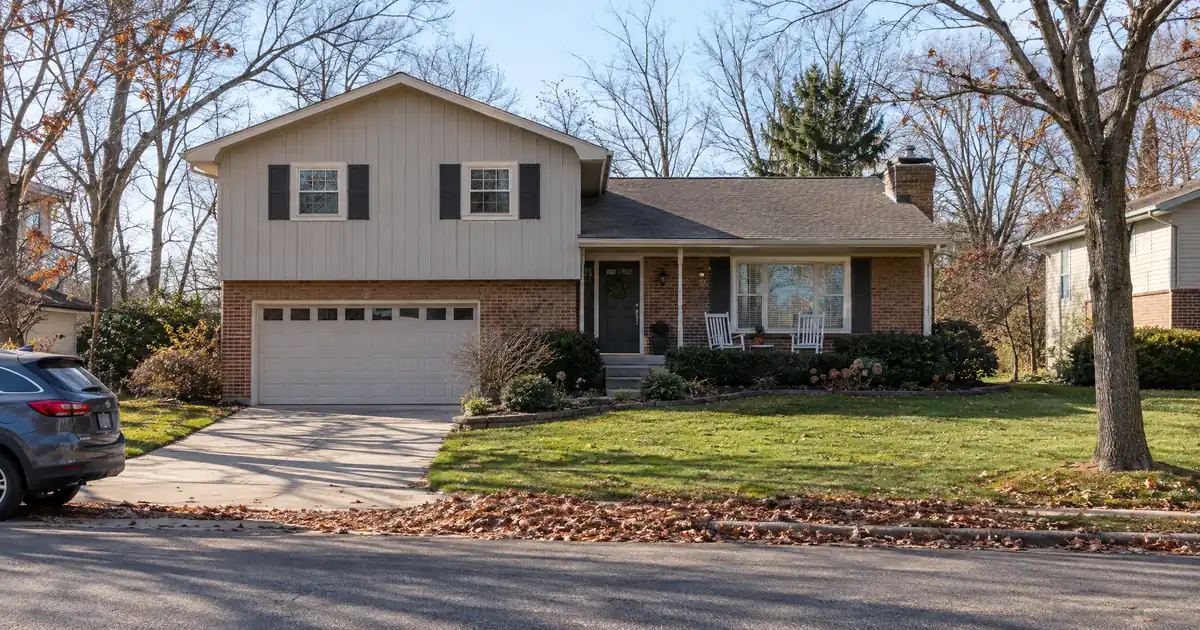
The Quick Read: Delayed financing lets a cash buyer pull capital back out soon after purchase, but the loan is sized near documented cost. A seasoned cash-out waits until about 6 months of ownership has passed, then sizes the loan on appraised value. Which one wins depends on how far value sits above what you paid.
- Delayed financing favors speed of capital recovery; a seasoned cash-out favors a larger payout when value has grown.
- On a cash-out refinance of a standard rental, the network ceiling is 75% LTV, subject to lender guidelines.
- Seasoning typically runs about 6 months, measured from title recording.
- Both paths still require rental coverage, reserves, and an eligible property. Neither waives those tests.
- Lender policy on delayed financing varies, so confirm availability before you buy.
The honest answer comes down to your goal. A cash buyer who needs capital back to make the next offer, and who bought near market value, usually leans toward delayed financing. A buyer who added value, or bought below market, and can leave the money parked for about six months, often gets more from waiting. If value and cost are nearly equal, the extra wait buys you little. That is the flip point.
DSCR Cash-Out Calculator
Run the cash-out numbers in your market
Rate source: Freddie Mac 30-yr average via FRED® — Federal Reserve Bank of St. Louis · effective Oct 29, 2026
Prefilled with starting assumptions — enter your property’s value, balance, taxes, and insurance for a more accurate picture.
Program parameters update from Lendmire’s centralized guideline source. Taxes and insurance are editable estimates.
As of Oct 29, 2026 · General Freddie Mac market benchmark, not a Lendmire loan offer. Property value, balance, taxes, and insurance are editable estimates. Maximum loan-to-value varies by lender, program, property type, and seasoning. Not a Loan Estimate, approval, or commitment to lend. Program availability and eligibility are subject to lender guidelines, credit approval, property review, and underwriting.
Side-by-Side
The table below uses published industry norms for delayed financing and Lendmire’s wholesale network parameters for the seasoned cash-out. Delayed financing rules differ by lender, so treat that column as a typical pattern, not a promise.
| Factor | Delayed Financing (industry norms) | Seasoned Cash-Out |
|---|---|---|
| Review basis | Property rent vs. PITIA | Property rent vs. PITIA |
| Loan sizing | Near documented cost basis | Current appraised value |
| Max leverage | Subject to cash-out cap | Up to 75% LTV (standard rentals) |
| Seasoning | Waived for qualifying cash buyers | About 6 months from recording |
| Key documents | Settlement statement, proof of funds | Standard refinance file |
| Property types | Eligible rentals only | Eligible rentals only |
| Entity vesting | Lender-specific; confirm title match | Lender program rules apply |
| Reserves | Commonly about 6 months PITIA | About 6 months; about 9 above $1,500,000 |
| Main risk | Proceeds capped near cost | Capital sits idle during the wait |
Key Terms Defined
Delayed financing: A seasoning exception that lets a buyer who paid all cash refinance soon after purchase, with proceeds generally limited to documented cost.
Seasoning: The ownership period a lender requires before it will size a cash-out loan on current value.
Cost basis: What you documented paying for the property, plus eligible closing costs.
DSCR: Monthly rent divided by the full monthly obligation (principal, interest, taxes, insurance, and any HOA dues).
Recording date: The date your deed is recorded, which is where lenders usually start the seasoning clock.
What Delayed Financing Actually Is
Delayed financing is not a loan product. It is an exception to seasoning rules inside cash-out refinancing. The idea began with agency lending: the Fannie Mae Selling Guide describes a delayed financing exception that caps the new loan at the documented initial investment plus financed costs. That is contrast only. DSCR loans are non-agency business-purpose products, so each lender writes its own version, and our wholesale network sees real variation in how it is handled.
The gates look similar across the files we see. The agency version, outlined by Fannie Mae’s Ask Poli, shows the pattern:
- The purchase was arm’s-length.
- It was all cash, with no loan secured by the property.
- Title shows no liens.
- The source of purchase funds is documented.
DSCR files add their own tests on top. The property still has to clear rental coverage, reserves, and appraisal review. Clearing 1.00 coverage also does not mean positive cash flow, because repairs, vacancy, management, and capex sit outside the calculation.
How a Seasoned Cash-Out Works
The seasoned path is simpler. After roughly 6 months of ownership, measured from title recording, the loan is sized on current appraised value. Across most of our network, cash-out on a standard rental tops out at 75% LTV. Short-term rental collateral generally sits lower, around 70%.
Coverage matters here. A bigger cash-out means a bigger payment, so the ratio falls as proceeds rise. Many select programs start at 1.00 coverage; stronger ratios open better leverage and terms. A separate select-lender path takes coverage below 1.00, with leverage and terms adjusted. Credit floors begin at 620 in parts of the network, most programs want around 660, and 700+ opens the strongest tiers. Standard programs run up to $3,000,000.
For a fuller primer, see Lendmire’s complete DSCR loans guide.
When Delayed Financing Is the Better Fit
Delayed financing makes sense when speed of capital recovery matters more than the size of the payout.
- You bought close to market value. If appraised value and cost are nearly the same, waiting adds little. Both paths return similar proceeds.
- You are recycling capital. Investors who win deals by offering cash often want that money back to make the next offer. A competing cash bid is easier to repeat when capital returns soon.
- You want to avoid idle money. Six months of unused equity has a real opportunity cost.
- You plan to sequence. Some investors recover purchase capital first, then revisit a seasoned cash-out after rents or value change.
The tradeoffs are real. Closing costs hit twice, once at purchase and again at refinance. The loan is capped near cost, so rehab spending and after-repair value generally do not count. And if the purchase was financed, even with a short-term loan recorded against the property, the cash-purchase gate fails and standard seasoning applies.
Borrowed funds are a gray area. Under the agency rule, if purchase money came from a loan secured by another asset, such as a HELOC on a different property, refinance proceeds must repay it. That defeats some of the purpose. Lender treatment varies, so ask before you rely on it.
When a Seasoned Cash-Out Is the Better Fit
Waiting wins when value has moved meaningfully above what you paid.
- You bought below market. A discounted purchase leaves equity that a cost cap would leave on the table.
- You rehabbed after closing. Improvements may support a higher appraised value, depending on comps and underwriter review. Delayed financing generally does not credit them, while a seasoned appraisal can.
- You do not need the money yet. If the next deal is months away, the wait costs you little.
- You want the cleaner file. Seasoned cash-out is a standard refinance, so fewer lenders stumble on it. Delayed financing is niche enough that some loan officers confuse it with a six-month wait.
The cost is time. During those months your capital is locked up, and appraisal risk remains. A low appraisal shrinks proceeds on either path, but it hurts most when you were counting on value to beat cost.
A Simple Break-Even Test
Compare the two caps on your actual property. Delayed financing returns roughly cost basis. A seasoned cash-out returns up to 75% of appraised value on a standard rental.
Run the numbers on a property you bought for $400,000 in cash. If it appraises near $400,000, both caps land close together, and the faster path usually wins. If it appraises well above that after improvements, the seasoned loan can return more, and the gap may justify the wait. If it appraises meaningfully below cost, the value cap governs on either path.
Weigh that gap against the cost of idle capital and the second round of closing costs. There is no universal threshold. It depends on what you would do with the money in the meantime.
Entity, Title, and Property Edge Cases
Entity alignment trips up more cash buyers than the ratio does. Whether a purchase in one name can be refinanced in another is lender-specific. If you plan to close in an LLC, subject to lender program eligibility, confirm that the vesting at purchase matches the borrower at refinance before you close, not after.
Property type matters too. Manufactured homes (single- and double-wide), log homes, and barndominiums are not offered in the network’s DSCR programs. If you are buying one in cash, neither path is available through these programs.
DSCR loans are designed for non-owner-occupied investment properties. Because they are business-purpose investor loans, they are reviewed differently from a standard owner-occupied mortgage. Qualification still runs primarily on property-level rental income covering the payment, subject to lender guidelines.
Before You Buy: What to Ask and Save
The best time to plan a delayed financing refinance is before the cash purchase. Ask a broker these questions first:
1. Will any lender in the network recognize delayed financing on this property type and in this entity?
2. Is proceeds sizing based on cost, appraised value, or the lower of the two?
3. Do documented renovation costs count toward the cap?
4. What reserves apply at my loan size?
Then keep a clean paper trail: the settlement statement, proof of the source of funds, and a title report showing no liens. Lendmire’s piece DSCR Delayed Financing vs Waiting Out Seasoning for a Cash Buyer covers the timeline side in more depth.
Sequencing is worth a thought. Some investors recover cost now, then pursue a seasoned cash-out later if rents or value rise. Each step carries its own costs, and a second loan means another coverage test. Model both steps before committing.
The Balanced Verdict
Neither option is better in the abstract. Delayed financing suits the buyer who values liquidity and paid near market. A seasoned cash-out suits the buyer who created or captured value and can wait. If the gap between cost and appraised value is small, take the faster path. If it is large, the wait often pays for itself.
If you are buying or refinancing a rental property and want to see how the numbers work, Lendmire can help you compare DSCR loan options based on the property income, credit profile, leverage, and investor goals. You can also reach the team at 828-256-2183.
Frequently Asked Questions
Does delayed financing waive the DSCR test?
No. Delayed financing waives seasoning, not coverage, reserves, appraisal, or leverage. The property still has to show rental income that covers its full monthly obligation, subject to lender guidelines.
Can I use delayed financing after buying with a hard-money or bridge loan?
Generally not. If a loan was recorded against the property at purchase, the cash-purchase condition fails, and standard seasoning applies. In the network, that usually means waiting about 6 months from title recording before a value-based cash-out.
Will delayed financing count my renovation spending?
Typically not. Proceeds are generally sized near documented purchase cost, not after-repair value.
What if the property appraises below what I paid?
The value cap governs on either path. A low appraisal reduces proceeds, and it hurts a delayed financing file less only if cost was already the binding limit.
Does a bigger down payment or a strong ratio shorten seasoning?
No. Coverage and seasoning are separate tests. Strong coverage can improve leverage and terms, but it does not erase the seasoning clock or reserve rules.
Tax treatment varies; consult a qualified professional.
For how equity extraction works on an investment property, see Lendmire’s guide to cash-out refinance on an investment property.
About Lendmire
Lendmire, NMLS# 2371349, is a non-QM mortgage broker serving real estate investors in 41 markets, including Washington, D.C., through DSCR investor loan programs. Qualification is generally reviewed around the subject property’s rental income, not the borrower’s W-2 history — a practical fit for LLC-titled portfolios and self-employed investors. All scenarios remain subject to lender review and program guidelines. Two consecutive Scotsman Guide Top Mortgage Workplace recognitions (2025, 2026).
Get Started
Ready to find the right loan for you?
See your offer in seconds. No credit pull, no obligation.
Informational only. Not a Loan Estimate, approval, or commitment to lend. Program availability and eligibility are subject to lender guidelines, credit approval, property review, and underwriting.
References
1. Fannie Mae Selling Guide B2-1.3-03
This article is part of Lendmire’s investment property cash-out refinance program — full qualification details, guidelines, and scenarios live on the program page.
Related reading: Month-to-Month Tenant vs New Lease Before a DSCR Cash-Out · DSCR Loan vs Jumbo Cash-Out Refinance for an Investor Buying Rentals · How Reserves Work on a DSCR Loan When Cash Is Thin
Brandon Miller
Founder & CEO, Mortgage Loan Originator, Lendmire LLC
- Mortgage Loan Originator · NMLS# 1129696 · Verify on NMLS Consumer Access
- North Carolina Real Estate Broker · License# 343312 · Verify on NCREC
- North Carolina Insurance Producer · License# 19053198 · Property, Casualty, Life, Health · Verify on NAIC SBS
- Lendmire LLC · Firm NMLS# 2371349 · Verify firm licensure
Important disclosures. Lendmire (NMLS# 2371349) is a licensed mortgage brokerage. Lendmire is not a direct lender, depository institution, or financial advisor. All loan inquiries are subject to lender underwriting; this article does not constitute a commitment to lend. Rates, terms, and program guidelines are subject to change without notice and vary by borrower profile, property type, and state. Information in this article is general in nature and is not financial, legal, or tax advice. Equal Housing Opportunity. NMLS Consumer Access: nmlsconsumeraccess.org.