
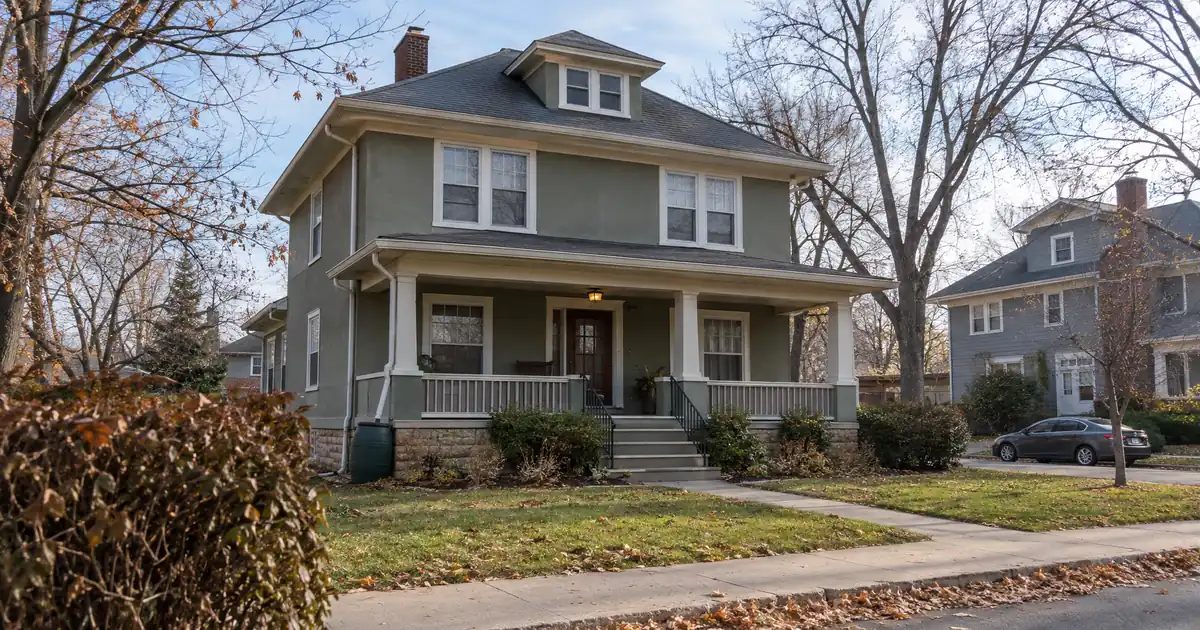
The Quick Read: A DSCR cash-out refinance fits investors who want to keep full ownership and hold a rental with real equity and enough rent to cover a larger loan, while a partner fits investors who lack equity or coverage but can offer deal skill and trade a share of profits for capital. The two are different kinds of capital. One is new debt on a property you already own. The other is shared ownership in the next deal.
- A cash-out keeps 100% of the ownership and control. You pay for it with a bigger loan and a thinner coverage ratio on the refinanced property.
- A partner adds no debt unless you structure a note. You pay for it with a share of profit, a share of control, and legal paperwork.
- Cash-out proceeds depend on the 75% leverage ceiling on a standard rental, rent used for lender review, and reserves. They are not a guaranteed figure.
- Many investors combine the two. They pull cash from one rental and bring a partner into the next acquisition.
- Program details below come from select lenders in Lendmire’s wholesale network and are subject to lender guidelines. They are not a commitment to lend.
Who Each Option Is Really For
Here is the honest version. If you own a rental with equity, the rent clears the new payment with room to spare, and you want to keep control, the cash-out is usually the cleaner route. You deal with one lender and one set of documents. Nobody else has a vote.
DSCR Cash-Out Calculator
Run the cash-out numbers in your market
Rate source: Freddie Mac 30-yr average via FRED® — Federal Reserve Bank of St. Louis · effective Oct 29, 2026
Prefilled with starting assumptions — enter your property’s value, balance, taxes, and insurance for a more accurate picture.
Program parameters update from Lendmire’s centralized guideline source. Taxes and insurance are editable estimates.
As of Oct 29, 2026 · General Freddie Mac market benchmark, not a Lendmire loan offer. Property value, balance, taxes, and insurance are editable estimates. Maximum loan-to-value varies by lender, program, property type, and seasoning. Not a Loan Estimate, approval, or commitment to lend. Program availability and eligibility are subject to lender guidelines, credit approval, property review, and underwriting.
If your equity is thin, your coverage is tight, or you want a bigger deal than one property can fund, a partner can close the gap. That capital comes with a cost, though. You give up a slice of the upside and some decision-making.
Neither is the smarter choice in every case. The right one depends on what you have: equity, rent, credit, time, or a good deal that needs more cash than you hold. For a broader picture of how these loans work, see Lendmire’s complete DSCR loans guide.
Side-by-Side
The DSCR column reflects typical guidelines from select lenders in Lendmire’s wholesale network. The partner column shows published industry norms for joint ventures and similar structures, which vary by deal.
| Factor | DSCR Cash-Out Refinance | Bringing in a Partner |
|---|---|---|
| Review basis | Property rent vs. its payment | Agreement terms and partner appetite |
| Documentation | Lease or rent schedule, appraisal, credit | Operating agreement, subscription papers |
| Property types | Eligible investment properties only | Whatever the partners agree to buy |
| Entity vesting | LLC common, subject to program terms | LLC common, often multi-member |
| Ownership kept | 100% | Reduced by the partner’s share |
| Effect on debt | Larger loan, lower coverage | No new debt unless a note is used |
| Reserves | Commonly around 6 months of PITIA | Set by the agreement, not a lender |
| Timing | Waits on ownership seasoning | Waits on negotiating and drafting terms |
PITIA means principal, interest, taxes, insurance, and any association dues. It is the full monthly obligation on the property. DSCR means debt service coverage ratio, which is monthly rent used for lender review divided by that obligation.
How a DSCR Cash-Out Refinance Funds the Next Deal
Across the wholesale network, most programs want about six months of ownership, measured from title recording, before they allow cash out. Leverage on a cash-out for a standard rental tops out around 75% LTV. LTV is the loan amount divided by the appraised value. For short-term-rental collateral, a 70% cash-out ceiling applies, and a 75% ceiling applies to standard long-term rentals.
The lender checks the new, larger loan, not the old one. That point trips up many first-time borrowers. Rent stays the same while the payment rises, so the coverage ratio on the refinanced property falls.
Picture an investor with a long-held duplex whose rent covers the current payment at a comfortable 1.5x. Assume a cash-out lifts the loan enough that coverage on the new payment lands near 1.15x. That still clears the 1.00 line where many select programs start. Coverage below 1.00 is a separate path, available through select lenders in the network with leverage and terms adjusted.
A few other guardrails shape the file:
- Credit. A 620 floor exists in parts of the network. Most programs want around 660, and 700 or higher unlocks the strongest leverage tiers.
- Reserves. These vary by lender, leverage, and loan size. They commonly run around 6 months of PITIA and step up to about 9 months above $1,500,000.
- Loan size. Standard programs go up to $3,000,000.
- Property type. Manufactured homes, log homes, and barndominiums are not offered in the network’s DSCR programs.
The lender runs credit and liquidity on the person signing as guarantor. Qualification rests primarily on property-level rental income covering the payment, subject to lender guidelines. It is not a no-questions loan.
One caution matters here. Clearing 1.00 does not mean the property produces positive cash flow. The ratio compares rent to PITIA only. Repairs, vacancy, management, utilities, and capital expenses sit outside it. An investor who pulls maximum cash from a thin-margin property can end up with a rental that passes the test and still drains the bank account.
How a Partner Funds the Next Deal
A partner route starts with a decision about the partner’s role. Is it an active joint-venture partner, a passive capital partner, or a lender holding a note? Each role carries different expectations.
A common design returns the partner’s initial capital before profits are split. Many deals also give the cash partner a preferred return off the top. Preferred returns are negotiated, and no single figure is standard. Plan on capital that has a real cost, even if no bank charges it.
The agreement matters more than the label. Written terms should cover who makes decisions, how profit is split, what happens if someone wants out, and what happens if the property needs more cash. Skipping this step is where partnerships go wrong.
The Legal Trap With Passive Money
Calling the arrangement a JV does not settle how the law treats it. Legal reference material on the Howey test explains that a transaction is judged by its economic reality rather than its label. The test asks about four things: an investment of money, in a common enterprise, with an expectation of profit, derived mainly from the efforts of others.
A partner who only wires cash and relies on you to run everything may land inside that definition. The SEC’s page on Rule 506(b) private placements describes a common exemption route. It allows an unlimited amount from accredited investors, with no general solicitation or advertising, and a Form D notice filing after the first sale. An active partner with a defined role is often a different situation. Securities counsel, not a mortgage broker, decides which side of the line a deal falls on.
When a DSCR Cash-Out Refinance Is the Better Fit
A cash-out tends to win when these conditions line up:
- You have equity and coverage. The property has enough value under the 75% ceiling and enough rent to clear the new payment, with room left over.
- Control matters. You want to pick the next property, the contractor, and the exit without a second opinion.
- The next deal is modest. The cash needed is a down payment and reserves, not an entire acquisition.
- You want simple economics. The cost is debt service. You owe no profit share, no preferred return, and no K-1 paperwork to chase.
- You value repeatability. Season a property, refinance, buy again. The loop stays in your hands.
The proceeds also travel cleanly. Cash-out money comes from a documented refinance with a clear paper trail, which helps when the next purchase lender asks where your down payment came from. Most purchase programs land at 75% to 80% LTV on a purchase, which means 20% to 25% down. Select high-leverage purchase programs reach 85% LTV with roughly a 700 or higher score. Those figures describe the next deal’s down payment, and the cash-out is one way to fund it. Final terms depend on the lender’s guidelines, the property type, and the borrower’s complete credit picture.
For a related angle, Lendmire’s piece Smaller Cash-Out Refinance vs. Waiting for the Next Rental Down Payment covers how much cash is worth pulling.
The downsides are real. Debt increases. Coverage shrinks. A market dip can leave you with less cushion. The refinanced property also now carries a bigger payment, so any vacancy bites harder.
When Bringing in a Partner Is the Better Fit
A partner tends to win in different situations:
- Equity is thin or tied up. Maybe you own few properties, or your equity sits in a property that would not support a cash-out after the leverage cap and reserves.
- Coverage is the problem. The rental passes the equity test but a larger loan would push the ratio uncomfortably low. A partner adds capital without adding debt.
- The deal is big. The next acquisition needs more cash than one refinance can produce.
- You bring skill, not money. You find, rehab, and manage. Someone else has the capital.
- You want less personal risk on the new debt. Partner equity does not carry a payment, though a lender will still look to a guarantor on any loan.
The cost is permanent in a way debt is not. A loan gets paid off. A profit share on appreciation lasts as long as the partnership does. Partners can also disagree about when to sell, whether to refinance, and how much to spend. Write the exit terms before the first dollar moves.
How a Partner Interacts With a DSCR Loan
If the partnership then buys with a DSCR loan, the title usually sits in an LLC, subject to lender program eligibility. A lender generally wants an individual guarantor with credit and liquidity that meet the program. Who that person is, and whether other members must sign, depends on the lender. Partner capital that goes into the down payment is typically documented as a source of funds.
Entity transparency has loosened for the LLC itself. FinCEN states that domestic entities and their beneficial owners are exempt from beneficial ownership reporting. A lender can still collect member information as part of its own onboarding, so do not assume a lender asks for nothing.
A guarantor stays personally liable on the loan. Moving a partner off a deed does not by itself remove that partner from the note, so settle any buyout with the lender in mind.
Can You Combine Both?
Yes, and plenty of investors do. Say you own a rental seasoned past the six-month mark with solid coverage. You cash out enough to fund the down payment on a new property. Then a partner contributes the reserves or the rehab budget, keeping the new loan smaller and the coverage stronger.
This is a structuring choice, not a lending rule. A lender looks at the property and the borrower’s file, not at the story behind each dollar. The strongest files clear two tests at once: enough equity and enough rental coverage. Partner capital can help with the first test. It does not repair a coverage problem on the property being financed.
Lendmire’s article Portfolio Cash-Out Refinance vs Single Loans to Buy the Next Package covers the multi-property version of this choice.
Timing differs too. A cash-out waits on seasoning and appraisal. A partner deal waits on finding the right person and agreeing on terms. Either can stall a good purchase, so line up the capital before you write the offer.
DSCR vs. conventional financing
There are two common ways to finance an investment property, and they qualify you differently — here’s how investors weigh them.
Why investors choose it
- Qualifies on the property’s rental income — no personal tax returns, W-2s, or pay stubs needed to document income.
- No personal debt-to-income ceiling to clear, so existing mortgages and obligations don’t cap your borrowing the same way.
- Can be closed in an LLC, keeping the property inside a business entity.
- Built for scaling — not held to the limit on number of financed properties that conventional financing applies.
- Underwriting centers on the deal: generally qualifies when the rent covers the payment, a 1.00x coverage ratio being a common baseline (confirmed in underwriting).
- Designed specifically for investment property, including long-term and, where the program allows, short-term rentals.
Where it’s strong
- Often the lowest ongoing financing cost for a buyer who fully qualifies on personal income — a fit for a first property or a cost-first purchase.
Trade-offs for investors
- Requires full personal income documentation and must fit within a debt-to-income limit — salary, existing debts, and other mortgages all count.
- Typically held in your personal name rather than a business entity.
- Caps how many financed properties you can carry, which can become a ceiling as a portfolio grows.
- Evaluates you as a borrower as much as the property, which usually means more paperwork.
How investors usually choose: a first or single property often optimizes for the lowest financing cost; portfolio builders often optimize for leverage, vesting in an LLC, and scaling past conventional caps. The right answer depends on your goals, the property, and current guidelines — both paths run through select lenders in Lendmire’s wholesale network, with eligibility and terms confirmed in underwriting.
Key Terms Defined
DSCR: The monthly rent used for lender review divided by the full monthly obligation (PITIA). It measures whether the rent covers the payment.
Cash-out refinance: A new loan that pays off the old one and hands you the extra equity as cash.
Seasoning: The waiting period a lender wants after you acquire a property before it allows certain refinances. About six months is common.
LTV: Loan-to-value, the loan amount as a share of appraised value.
Preferred return: A payment to the cash partner, set by agreement, that comes before the profit split.
Guarantor: The individual who personally backs a loan made to an entity, such as an LLC.
The Balanced Verdict
Pick the cash-out if you have the equity and the coverage, and you value control. It costs you debt and a thinner margin, and it keeps every dollar of upside. Pick a partner if your equity or coverage is the limit, the deal is larger than your own capital, or you bring skills more than cash. It costs you a share of profit and some control, and it keeps your loan balance lower.
Run the cash-out test first. If the property clears the 75% ceiling, the coverage holds after the bigger payment, and the reserves are in place, you may not need anyone else’s money. If one of those fails, a partner may fill the gap. Either path works best when the next deal is already strong on its own, because borrowed or shared capital makes a weak property worse, not better.
Frequently Asked Questions
Does a partner on the next purchase change how a DSCR lender looks at the file?
The lender still reviews the property’s qualifying rent against its payment. It also reviews the guarantor’s credit and liquidity. Who owns the entity and who signs depend on that lender’s guidelines, so confirm the structure before you draft the operating agreement.
How much cash can I pull from a rental?
It depends on appraised value, the 75% LTV ceiling on a standard rental (70% for short-term-rental collateral), the payoff of the existing loan, rent used for program review, and reserves. Coverage on the new payment must also work. The result is a range that varies by file, not a promised number. Each figure is subject to lender guidelines and a complete review of property type, leverage, and credit.
Do I need a partner if my rental coverage falls below 1.00 after the cash-out?
Not necessarily. Many select programs start at 1.00, and a separate select-lender path in the network takes coverage below 1.00 with leverage and terms adjusted. A partner could instead let you borrow less.
Does a passive partner create legal issues even if we call it a joint venture?
Yes, it can. Legal analysis looks at the substance, not the name, and passive capital that depends on your efforts may be treated as an investment contract. Talk to securities counsel before accepting money from anyone who will not be involved in the deal.
Can I use a cash-out from one property as the down payment on the next?
Yes, subject to lender guidelines. The proceeds are a documented source of funds. The next property still has to qualify on its own rent, credit, leverage, and reserves.
Next Step
If you are buying or refinancing a rental property and want to see how the numbers work, Lendmire can help you compare DSCR loan options based on the property income, credit profile, leverage, and investor goals. As a mortgage broker, Lendmire arranges DSCR investor financing through select lenders in its wholesale network, across 41 markets including Washington, D.C. The illustrative calculator on this site gives a rough view of coverage before you talk to anyone.
For how equity extraction works on an investment property, see Lendmire’s guide to cash-out refinance on an investment property.
About Lendmire
Lendmire is a DSCR-focused mortgage brokerage, NMLS# 2371349, placing investor loans across 41 markets, including Washington, D.C. DSCR eligibility is generally reviewed by the lender around a property’s rental income rather than personal income documentation, which fits LLC-held rentals, self-employed investors, and portfolios scaling past conventional financed-property limits. Scotsman Guide named Lendmire a Top Mortgage Workplace in both 2025 and 2026.
Get Started
Ready to find the right loan for you?
See your offer in seconds. No credit pull, no obligation.
Informational only. Not a Loan Estimate, approval, or commitment to lend. Program availability and eligibility are subject to lender guidelines, credit approval, property review, and underwriting.
References
1. Cornell Law School Legal Information Institute, Howey Test
2. SEC, Private Placements – Rule 506(b)
3. FinCEN, Beneficial Ownership Information Reporting
This article is part of Lendmire’s investment property cash-out refinance program — full qualification details, guidelines, and scenarios live on the program page.
Related reading: How to Qualify and Apply for a Super Jumbo DSCR Cash-Out Refinance With Low Appraisal · How Lenders Underwrite a DSCR Cash-Out Refinance in Your LLC’s Name
Brandon Miller
Founder & CEO, Mortgage Loan Originator, Lendmire LLC
- Mortgage Loan Originator · NMLS# 1129696 · Verify on NMLS Consumer Access
- North Carolina Real Estate Broker · License# 343312 · Verify on NCREC
- North Carolina Insurance Producer · License# 19053198 · Property, Casualty, Life, Health · Verify on NAIC SBS
- Lendmire LLC · Firm NMLS# 2371349 · Verify firm licensure
Compliance and disclosures. Lendmire (NMLS# 2371349) is a licensed mortgage broker and is not a direct lender, depository institution, financial advisor, or tax professional. Content in this article is general market analysis and educational information — not financial, legal, or tax advice for any specific situation. Lendmire does not guarantee loan approval; every transaction is subject to underwriting by the funding lender. Mortgage pricing and loan program guidelines are subject to change at any time without notice and vary by borrower characteristics, property type, and state regulations. Lendmire complies with Equal Housing Opportunity. Licensure verification: NMLS Consumer Access.