
The Quick Read: It depends on three caps working together: the line cannot push combined loan-to-value past 70% at a 720 credit score or better on a second lien, it cannot exceed $500,000, and the rent must cover the stress payment on the whole limit at 1.10x, all subject to underwriting. Subordination adds one more gate, because the line lender must agree to stay behind your new first mortgage, and it can say no. Each figure is subject to lender guidelines and a complete review of property type, leverage, and credit.
- The equity formula is value times the combined ceiling, minus every lien already on the property.
- The new first mortgage counts, not just the old one, and the line counts at its full limit.
- Lines start at $50,000, so thin leftover room can mean no line at all.
- A cash-out on the first mortgage shrinks the room, sometimes below what the line was approved on.
- If the line lender refuses, you can pay the line off first or roll it into a bigger cash-out refinance.
How the Line Gets Sized
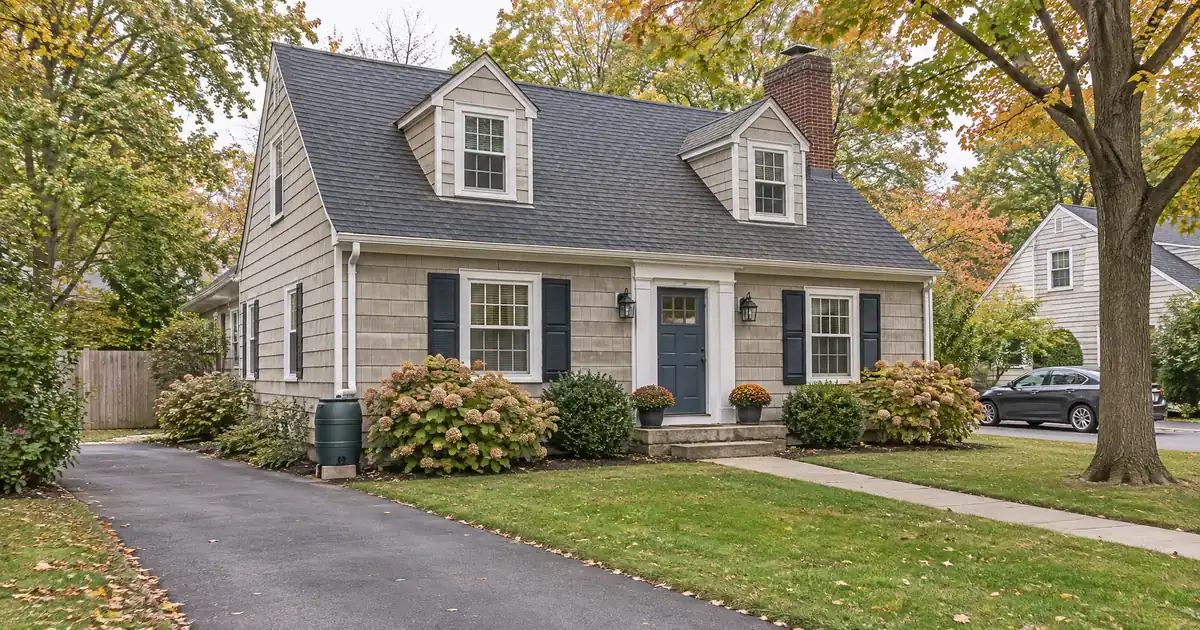
A DSCR HELOC is a revolving line of credit secured by a rental you own. DSCR stands for debt-service coverage ratio, which compares the rent to the payment the lender tests. The line sits as a standalone second lien behind the first mortgage you keep. The rent qualifies the line, and the lender never calculates your personal income.
Across the wholesale network Lendmire works with, the second-lien version has a single leverage tier. At a 720 score or better, combined loan-to-value (CLTV) can reach 70%, on lines from $50,000 to $500,000. Below 720 there is no second-lien tier. These are ceilings, not offers, and every file is underwritten individually.
The sizing formula has four steps:
1. Multiply the property value by 70%. 2. Subtract the first mortgage balance. 3. Cap the result at $500,000. 4. Check that the rent still clears 1.10x on the full limit.
The smallest of those results is your line. Any one of them can be the binding limit.
“Subordinated for a refinance” changes which first mortgage you subtract. If you plan to refinance the first, the number that matters is the new first mortgage, not the one you have today. This page stays on how much you can borrow.
Key Terms Defined
Subordination agreement: a signed document in which the line lender agrees its lien will rank behind the new first mortgage.
Combined loan-to-value (CLTV): the first mortgage plus the full line limit, divided by the property’s value.
Lien position: the order in which lenders get repaid from the property if it is sold or foreclosed. Recording order sets it.
Draw period: the stretch when you can borrow from the line. In this program it is 5 years, interest-only on the drawn balance.
Stress payment: a fully amortizing payment on the whole credit limit, run at a higher rate than the line’s starting rate, used only to test whether the rent covers it.
Why a Refinance Forces the Question
Lien priority follows recording order. When a refinance pays off your old first mortgage, the existing line would otherwise move up to first position. The new first-mortgage lender will not close behind a line it did not underwrite. So it asks the line lender to sign a subordination agreement.
Here is how the sequence runs:
1. Count the stack. Gather the new first-mortgage amount, the line’s full credit limit and a current property value.
2. The refinance lender requests subordination. It is a request, not a right. The line lender decides.
3. The line lender re-tests combined leverage. It looks at the new first plus your full limit against value.
4. The agreement is signed and recorded. It is typically recorded alongside the new mortgage, usually through title.
The line’s draw period, repayment period and variable rate stay what they were.
Worked Example: Room Before and After the New First
Take a rental valued at 100% for easy math, and compare three refinance paths. These are modeled percentages, not market data.
| Path | New first | Line limit | Combined |
|---|---|---|---|
| Today’s stack | 50% | 20% | 70% (at ceiling) |
| Rate-and-term refi, same balance | 50% | 20% | 70% (at ceiling) |
| Cash-out refi up to 60% | 60% | 20% | 80% (over ceiling) |
| Pay off line, then refinance | 60% | — | 60% |
In the first row, the owner used all 20 points of room. A refinance that leaves the first mortgage balance alone keeps the combined figure where it was. A cash-out that lifts the first to 60% pushes combined leverage to 80%. That is ten points past what the line was written on, so the line lender has little reason to agree.
Now flip it. If the first mortgage is 50% of value, the room at a 70% ceiling is 20% of value. When 20% of value works out below $50,000, no line exists, because $50,000 is the smallest line. When it works out above $500,000, the dollar cap binds instead. A lower-leverage first mortgage opens the most room, and a recent buyer with a small down payment can have a healthy first mortgage and no usable second-lien room.
Valuation also moves the answer. Lines to $400,000 use an automated valuation with a property inspection report, or a full interior appraisal. Lines above $400,000 need a full interior appraisal. Appraisal waivers are not accepted. A lower value shrinks the room dollar for dollar.
The Rent Test Sits on Top of the Equity Test
Equity is only half the sizing. The rent must cover the qualifying payment at 1.10x or better.
That payment is principal and interest on the entire credit limit, run as a stress payment. Taxes and insurance are not part of it. A lease must be in place, and a two-to-four-unit property can have at most one vacant unit.
The limit drives the test. Double the line and the stress payment roughly doubles, so coverage roughly halves. A rental that clears 1.10x on a $200,000 limit may miss it on a $400,000 limit. Sometimes the coverage test, not the 70% ceiling, sets your number.
A bigger new first mortgage means a bigger payment on that loan, and the lender’s own calculation governs. Whatever the formula, the rent has to carry more than it did before the refinance.
What Happens If the Line Lender Says No
If the line lender refuses, the refinance does not have to die. You have four paths.
| Path | Who must agree | Where it breaks |
|---|---|---|
| Subordinate the line | Line lender | Combined leverage too high |
| Pay off and close the line first | You | You lose the borrowing room |
| Roll the line into a cash-out | New first lender | Cash-out leverage limits |
| Skip the refinance | Nobody | First mortgage stays as is |
Subordination is more realistic on a modest refinance than on a maximum-leverage cash-out. If you do want maximum cash, paying the line off inside the new loan is usually the cleaner route, and no subordination is needed.
The structural trade-off is this. A DSCR HELOC leaves your first mortgage untouched, which matters if that loan has terms you want to keep. A cash-out replaces the whole stack with one new first lien. Neither wins on every file.
Edge Cases That Change the Answer
A zero balance does not remove the issue. Plan on the full limit counting when the line lender re-tests leverage. Some lenders weigh the drawn balance instead. Since this program draws at least 80% at closing, the difference rarely matters here.
The line can be a first lien. On a rental with no mortgage, the line can be a standalone first lien. That tier runs at 75% LTV at 740 or better and 70% from 700 to 739, on lines to $500,000. Lines above $500,000 run to $1,000,000 at 65% LTV and 720 or better. A first-lien line only meets subordination later, if you put a new first mortgage in front of it.
Order of events. If the line came first, the line holder must subordinate to a later refinance. If a first mortgage already exists and you add a line second, the first lender’s loan documents must allow a second lien.
Federal due-on-sale law is narrower than it sounds. A federal statute, also available as official text from GovInfo, bars a lender from calling a loan due just because a subordinate lien was created. It covers residential property of fewer than five units. It is framed around homes owners live in. A rental investor should not assume it applies, so read the first mortgage’s own documents.
Seasoning. A rental bought or refinanced inside the last 6 months is not eligible (that clock runs from the last note date to the new note date), and the owner must have held title for 6 months (settlement date to note date).
Title and borrowers. An LLC can hold title on this program, subject to program terms, with the members signing as guarantors. The borrowers on the line need not match the borrowers on the first mortgage.
What the program excludes. The line is never offered on an owner-occupied home or a second home. It is never a third lien and never closes with a purchase. Rural-designated property, row homes, condotels and leaseholds fall outside it. A declining-market flag lowers the ceiling by 5 points. Each borrower is capped at 5 loans or $2,500,000 with the program.
Before or After the Refinance?
This one is a genuine toss-up. Open the line first and you may need the line lender’s consent later. Refinance first and you reset the seasoning clock, since a recent refinance blocks the line for 6 months from the note date.
The cleaner plan often goes in this order: refinance the first mortgage, wait out the seasoning, then size the line against the new balance. That removes the subordination request entirely, because the line never existed when the refinance closed. The cost is waiting. If you need equity access on a fixed schedule, the other order may suit you better, but then size the line with the post-refinance leverage in mind.
Programs differ on how they handle all of this. A few add property-count limits. This is why the first mortgage’s terms and the line lender’s subordination policy matter before you open the line.
Why not just use a bank line? NerdWallet reports that HELOCs on investment properties come with a smaller lender pool, stricter requirements and lower borrowing capacity than primary-home lines. It also says investment-property lenders generally want at least 20% equity, a market-wide read. In Lendmire’s network, the second-lien figure is a 70% CLTV ceiling at 720 or better, subject to underwriting.
Common Misreadings
The refinance lender handles the subordination. It can only ask. The line lender can refuse.
Subordination is automatic. It is voluntary, and the line lender has no obligation to agree.
An unused line doesn’t count. Plan as if the full limit does.
Subordination rewrites the line. It moves priority and leaves the line’s terms alone.
Equity alone qualifies the file. The file qualifies primarily on property-level rental income covering the payment, subject to lender guidelines. The first mortgage’s documents must also allow a second lien.
Where the Program Is Offered
Lendmire is a broker. It places DSCR HELOCs through a wholesale lender in its network rather than lending directly. The program is offered in 15 of Lendmire’s 16 licensed states, every licensed state except Tennessee. Qualifying arithmetic here is illustrative, and the lender’s own calculation governs. For the full DSCR picture, see Lendmire’s complete DSCR loans guide.
Frequently Asked Questions
Can I get a line if my first mortgage already uses most of my equity?
Probably not on a second lien. At a 720 score or better, combined leverage tops out at 70%. If the first mortgage already takes most of that, the room left may fall below the $50,000 minimum line. A lower first-mortgage balance or a higher valuation can reopen it, subject to underwriting.
Does an unused or partly drawn line still count?
Plan on the full limit counting, not the drawn balance. Subordination reviews look at the first mortgage plus the whole credit limit against value. In this program at least 80% is drawn at closing anyway, so a mostly empty line is not how it works.
How long after a refinance can I open the line?
Two six-month clocks apply: the line is not available on a rental bought or refinanced in the last 6 months (last note date to new note date), and title must have been held for 6 months (settlement date to note date). So a fresh refinance of the first mortgage delays the line.
Can my LLC hold title and still get the line?
Yes, on this program, subject to program terms. The LLC’s members sign as guarantors, and a title holder who is not a borrower signs a non-borrowing owner acknowledgment. Credit-based investment lines are a different product and have their own title rules.
What if the line lender refuses to subordinate?
Pay the line off and close it before the refinance, or fold the balance into a larger cash-out refinance. Both avoid the consent question. The trade-off is losing the line’s borrowing room, so size the new first mortgage with that in mind.
Next Step
If you are considering a home equity line on a rental property and want to see how the numbers work, Lendmire can help you compare DSCR HELOC options based on the property, the rent, the equity available, credit profile, combined leverage, and your goals.
About Lendmire
Lendmire — NMLS# 2371349 — is a mortgage broker that arranges DSCR home equity lines of credit on rental property in 15 of its 16 licensed states (every licensed state except Tennessee) through wholesale lenders. The line is qualified on the rental’s rent rather than the owner’s personal income, and every line is subject to the lender’s guidelines and full underwriting. Scotsman Guide named Lendmire a Top Mortgage Workplace in both 2025 and 2026.
Get Started
Ready to find the right loan for you?
See your offer in seconds. No credit pull, no obligation.
Informational only. Not a Loan Estimate, approval, or commitment to lend. Program availability and eligibility are subject to lender guidelines, credit approval, property review, and underwriting.
References
1. Cornell Legal Information Institute, 12 U.S.C. § 1701j-3
2. GovInfo, U.S. Code § 1701j-3
3. NerdWallet, HELOC on an investment property
This article is part of Lendmire’s DSCR HELOC program — full qualification details, guidelines, and scenarios live on the program page.
Related reading: How Much Can You Borrow on a DSCR HELOC as a Trucker With Equipment Costs? · DSCR HELOC Requirements for Sizing How Much Equity to Borrow · How Much Can You Borrow on a DSCR HELOC Without Changing the Deed?
Brandon Miller
Founder & CEO, Mortgage Loan Originator, Lendmire LLC
- Mortgage Loan Originator · NMLS# 1129696 · Verify on NMLS Consumer Access
- North Carolina Real Estate Broker · License# 343312 · Verify on NCREC
- North Carolina Insurance Producer · License# 19053198 · Property, Casualty, Life, Health · Verify on NAIC SBS
- Lendmire LLC · Firm NMLS# 2371349 · Verify firm licensure
Legal disclosures. Lendmire (NMLS# 2371349) is a state-licensed mortgage brokerage that arranges financing through wholesale lender relationships. Lendmire is not a direct lender, depository institution, or registered financial advisor. The discussion above is general informational content about real estate financing — it is not financial, legal, or tax advice, and readers should consult licensed professionals for guidance on their individual circumstances. Loan inquiries are subject to lender underwriting; this article does not represent a commitment to lend. Loan terms, rates, and qualification standards vary by borrower, property, and state, and are subject to change at any time. Equal Housing Opportunity. NMLS Consumer Access: nmlsconsumeraccess.org.